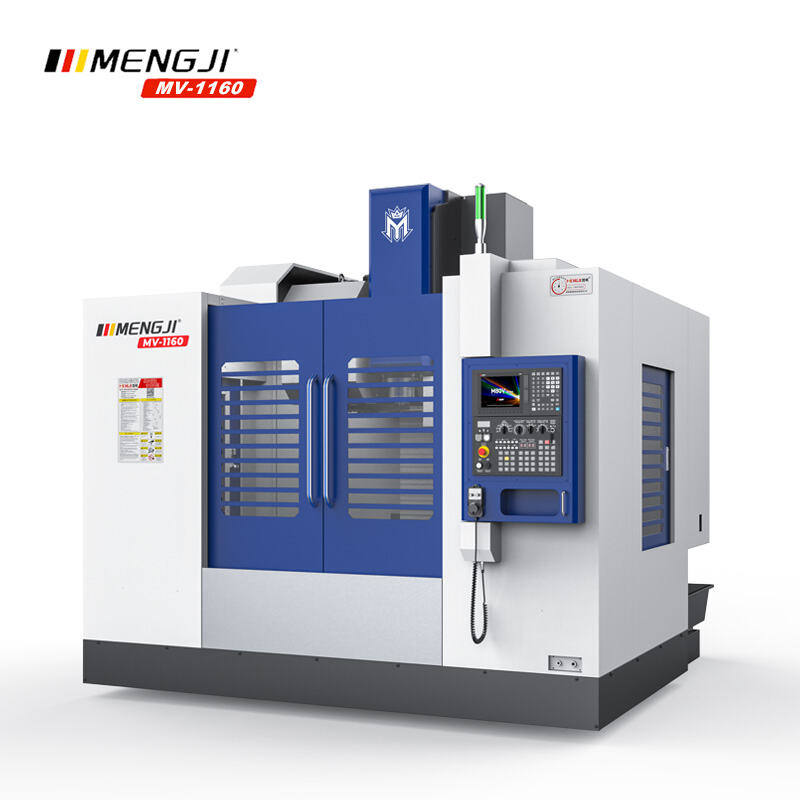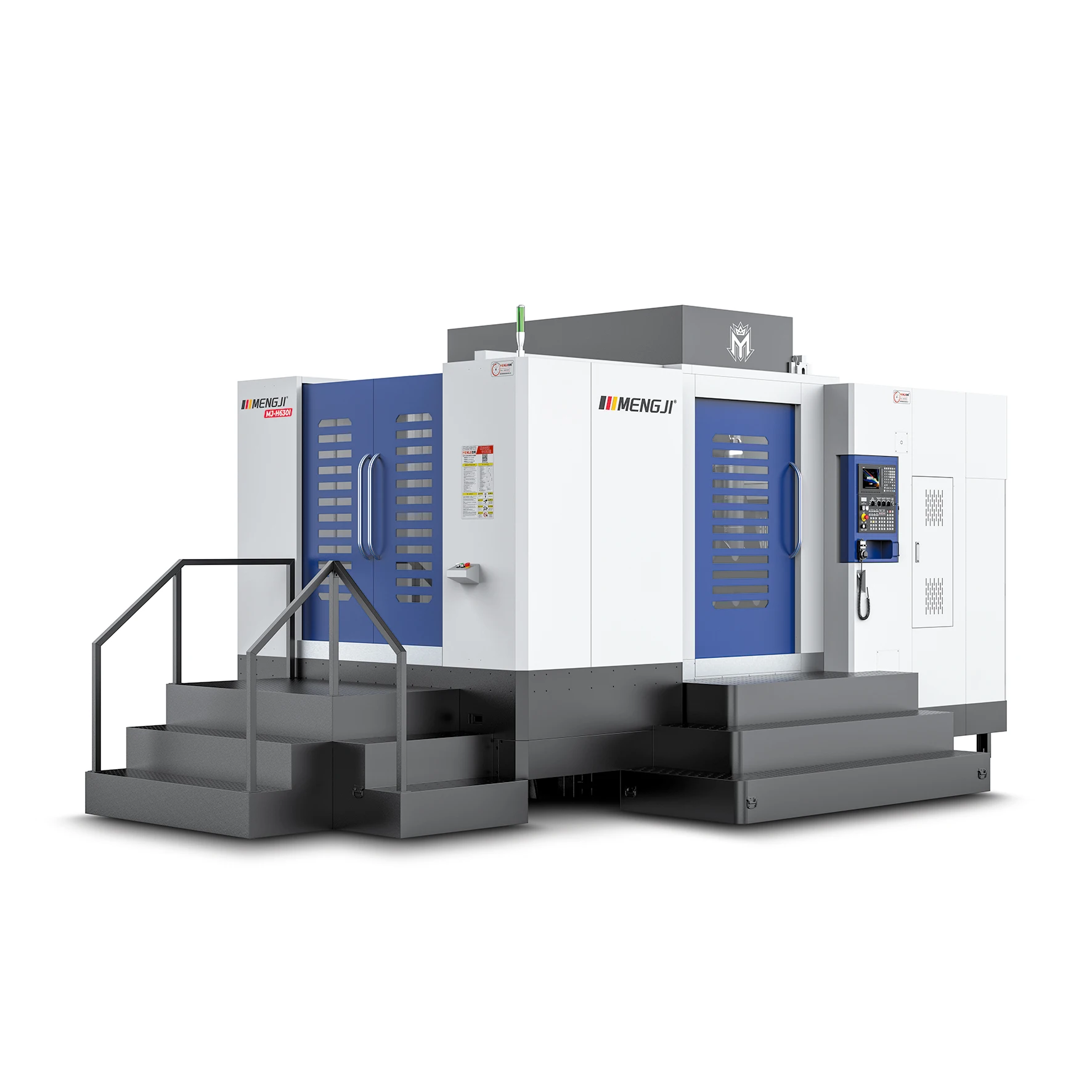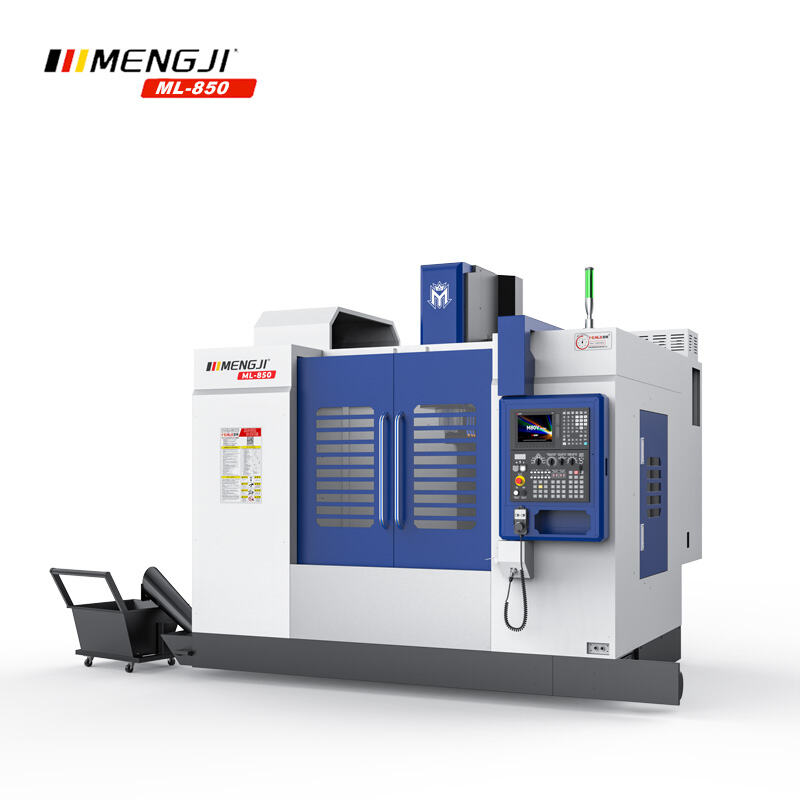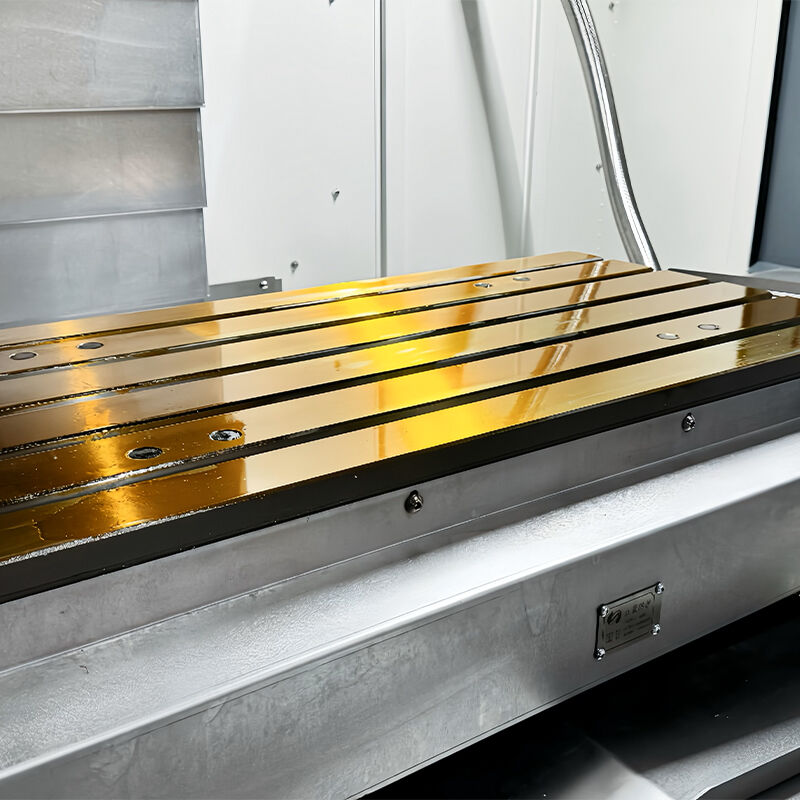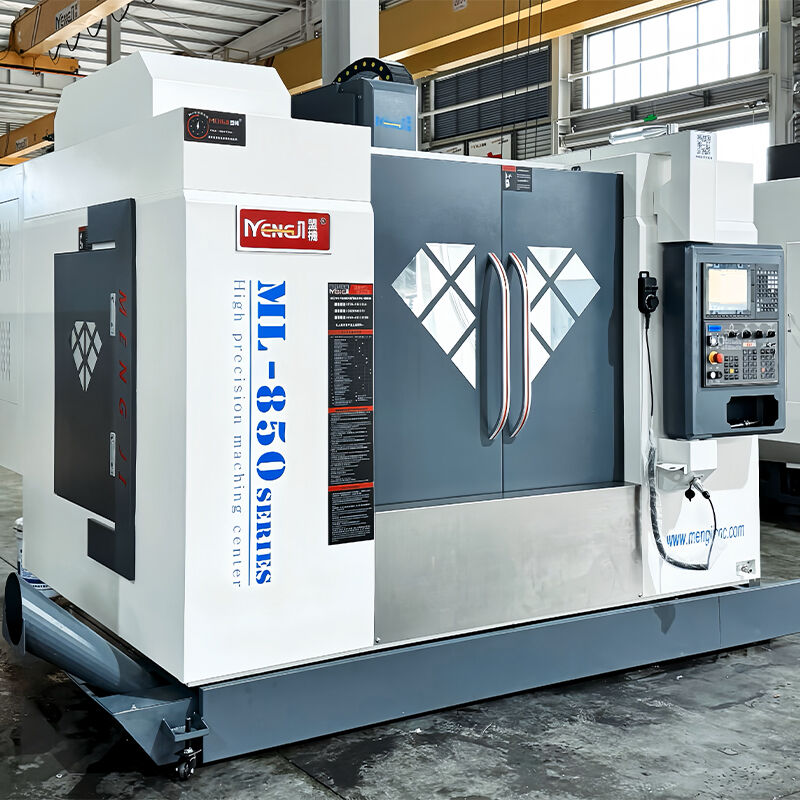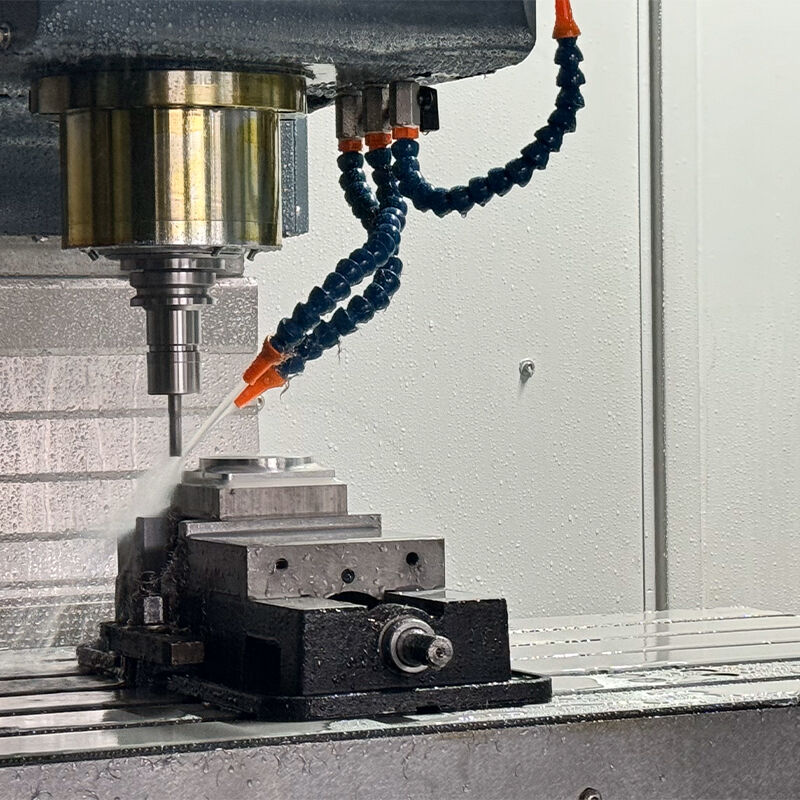
The 3-axis machining center, characterized by its three linear axes of motion (X, Y, and Z), is the most ubiquitous and foundational CNC machine tool in the manufacturing world. Its design is straightforward: the spindle, which holds the cutting tool, moves vertically (Z-axis), while the workpiece, secured to a table, moves in the horizontal plane (X and Y axes). This configuration provides a highly effective and relatively cost-efficient solution for a vast majority of machining tasks. The primary strength of the 3-axis machine lies in its ability to expertly handle 2.5D machining—operations where the geometry is defined in two dimensions but is extruded or pocketed to various depths. This includes milling flat surfaces, slots, and pockets, as well as drilling and tapping holes. It is the workhorse for producing a enormous range of components, from simple brackets and plates to more complex molds and dies, provided all critical features can be accessed from a direction parallel to the Z-axis. The limitation of a 3-axis machine becomes apparent when machining parts with complex, multi-sided geometries or undercuts. To machine five sides of a cube, for example, the part must be manually re-fixtured at least once, which introduces the potential for misalignment and cumulative tolerance stack-up. Despite this, its simplicity, reliability, and lower initial investment make it an ideal choice for job shops, prototyping facilities, and high-volume production of parts that do not require simultaneous multi-axis contouring. Modern 3-axis machining centers are often equipped with automatic tool changers, probing systems, and high-speed spindles, making them incredibly productive within their domain. They form the essential backbone of countless manufacturing operations, and a deep understanding of their capabilities and constraints is the first step in selecting the right CNC technology for any machining application.
Our professional sales team is always ready to assist you.