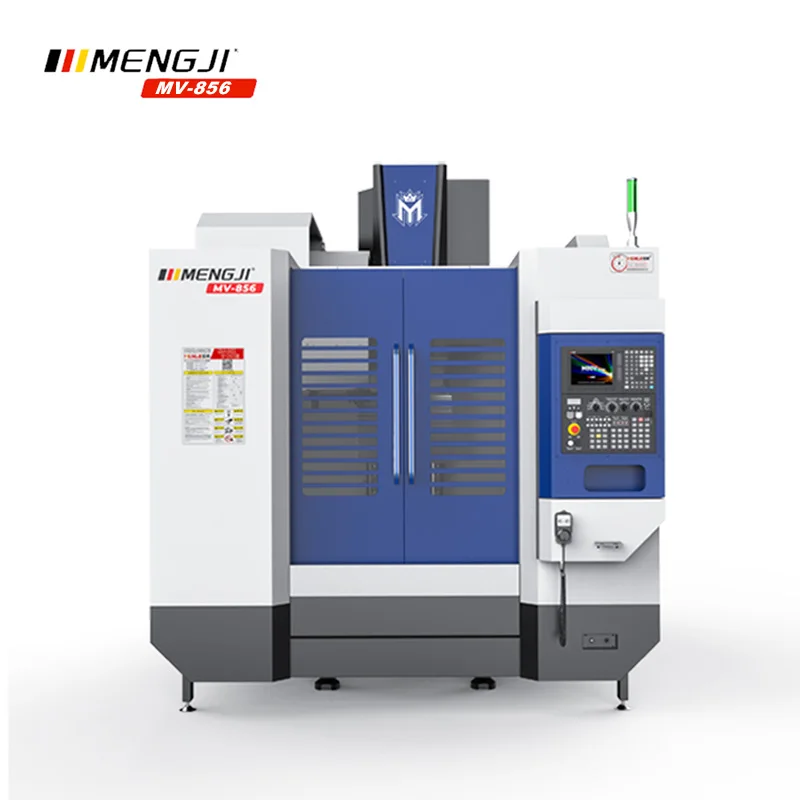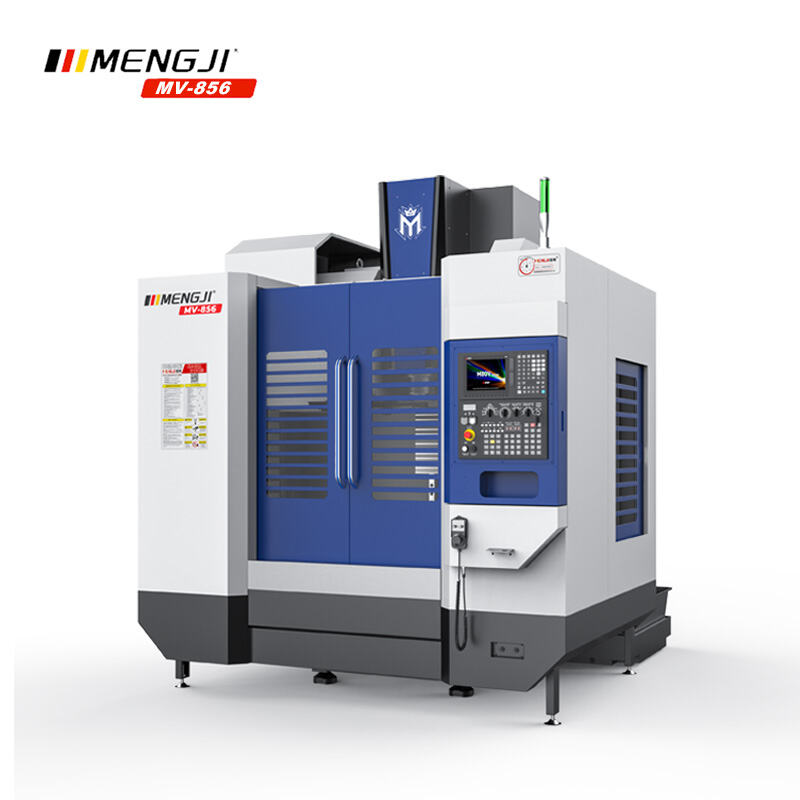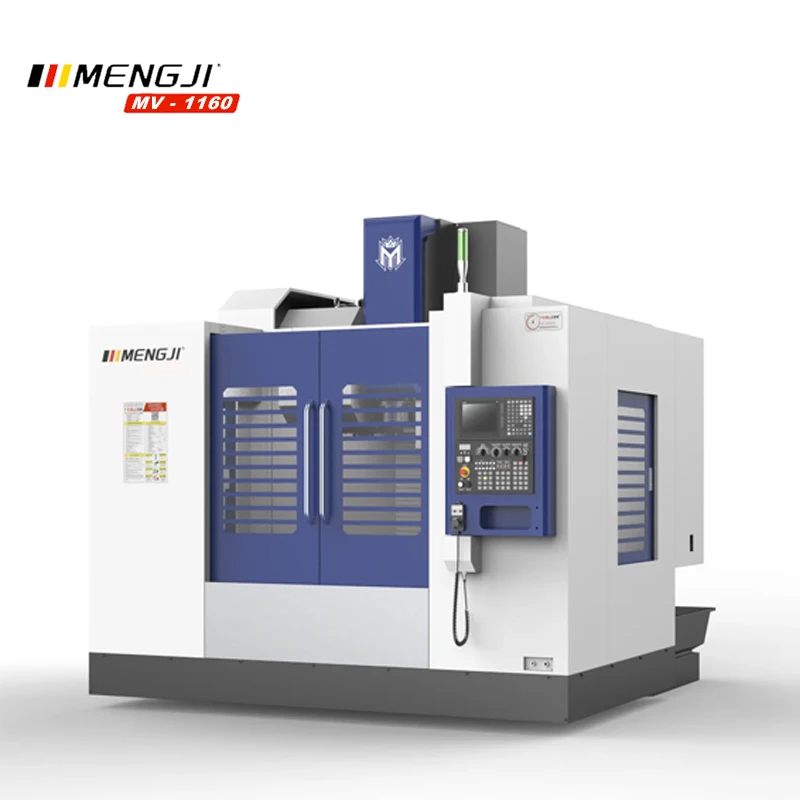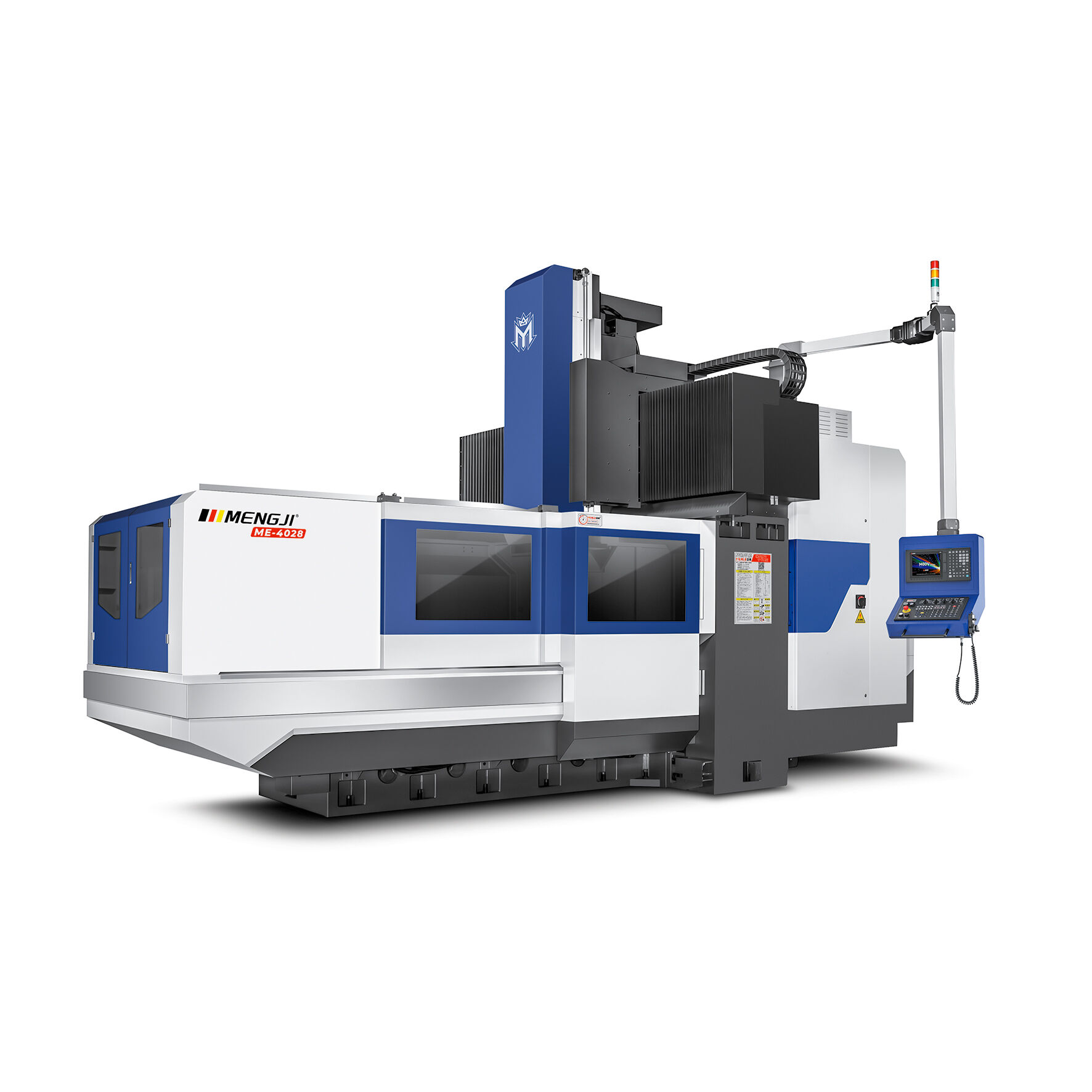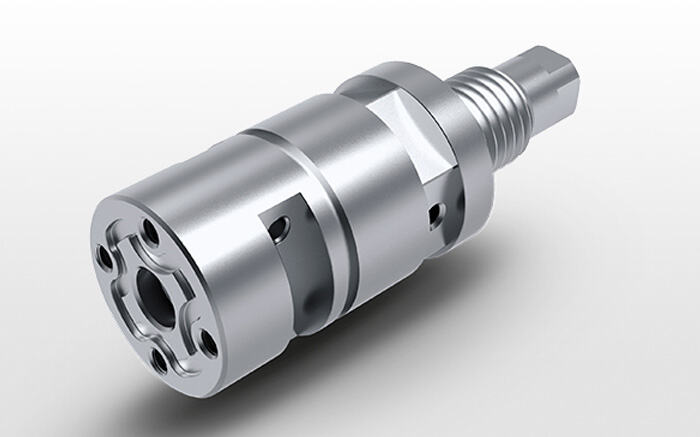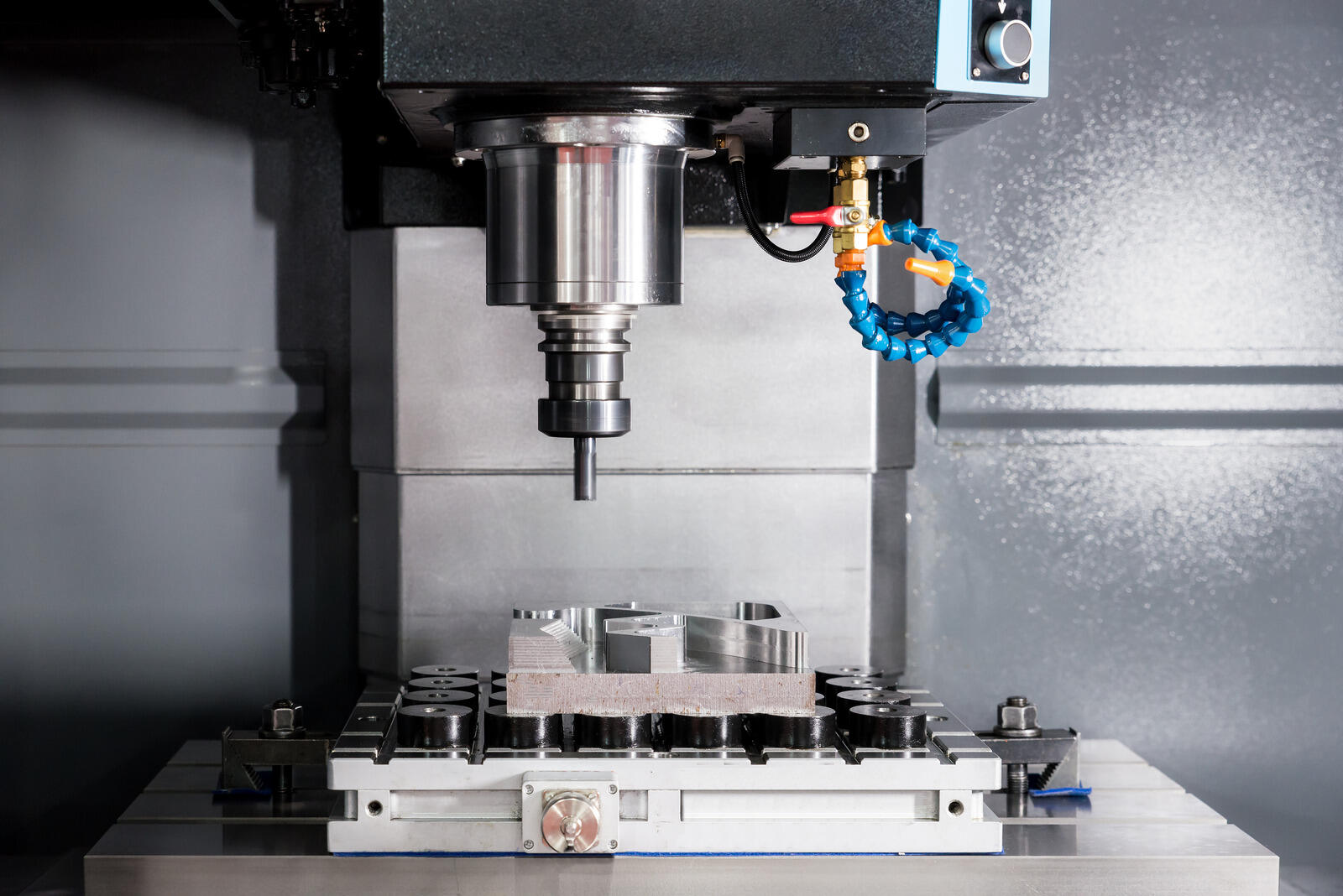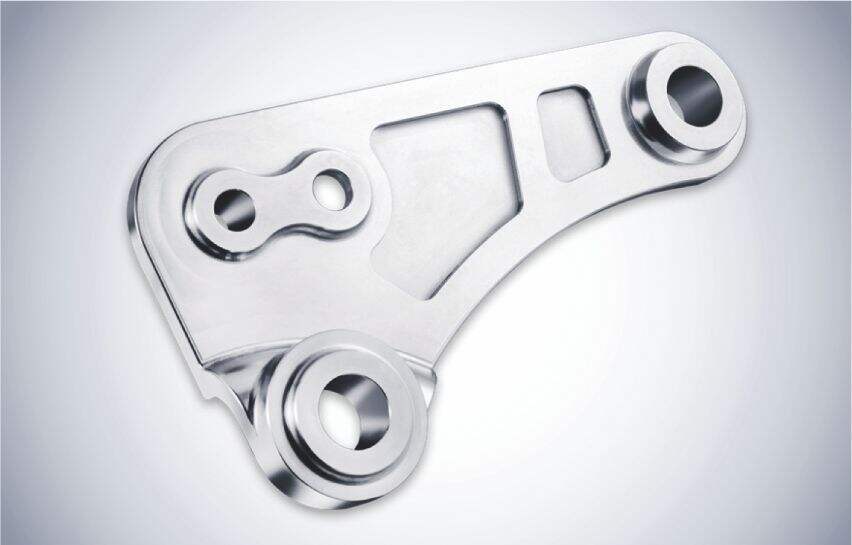
CNC milling precision refers to the capability of a CNC milling system to consistently produce parts that adhere to extremely tight dimensional tolerances, exact geometric specifications, and superior surface finish requirements. This concept encompasses the entire machining ecosystem, from the mechanical integrity of the machine tool to the sophistication of the programming and the rigor of quality control. The foundation of high precision is a rigid machine structure, typically made from high-grade cast iron with advanced damping characteristics, coupled with precision ground ball screws and linear guides that ensure accurate and repeatable axis movement. The spindle must exhibit minimal runout and excellent thermal stability to prevent deviations during extended operation. The CNC control system plays a crucial role, utilizing closed-loop feedback from encoders to make real-time corrections and featuring advanced algorithms for smooth motion control and error compensation. Achieving high precision also depends heavily on the machining strategy: selecting appropriate cutting tools, optimizing speeds and feeds, employing high-efficiency toolpaths that minimize vibration and heat, and using secure, rigid fixturing to prevent workpiece movement. Environmental factors, such as ambient temperature fluctuations, must be controlled to avoid thermal expansion affecting the machine and workpiece. Finally, precision is verified and maintained through a comprehensive metrology process, using equipment like coordinate measuring machines (CMM) and laser interferometers to measure and validate the machine's performance and the part's conformance to specifications. CNC milling precision is therefore not a single attribute but a systemic achievement, resulting from the harmonious integration of mechanical design, control technology, operational strategy, and continuous verification.
Our professional sales team is always ready to assist you.