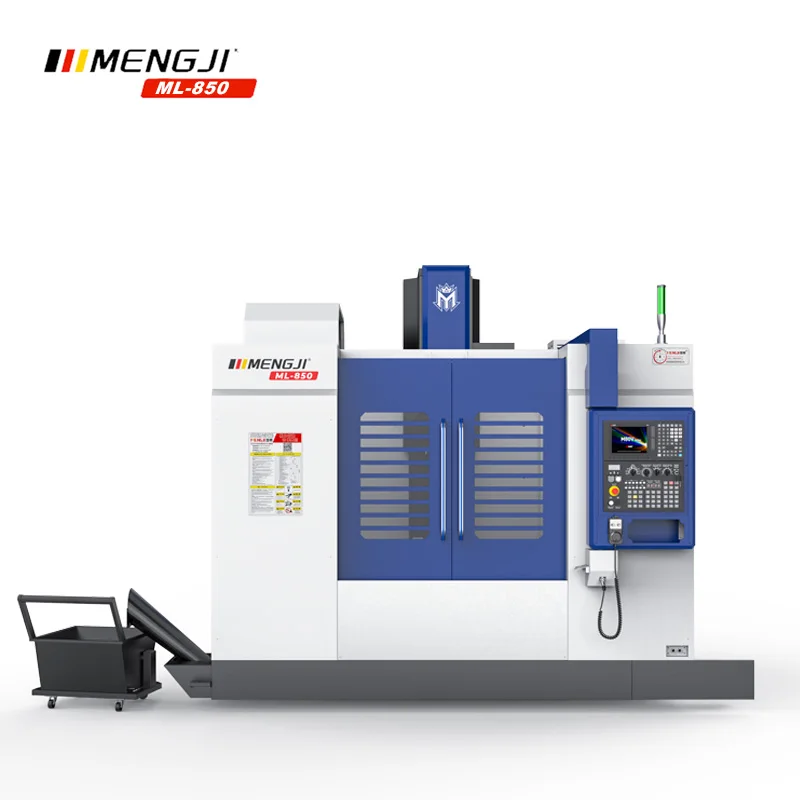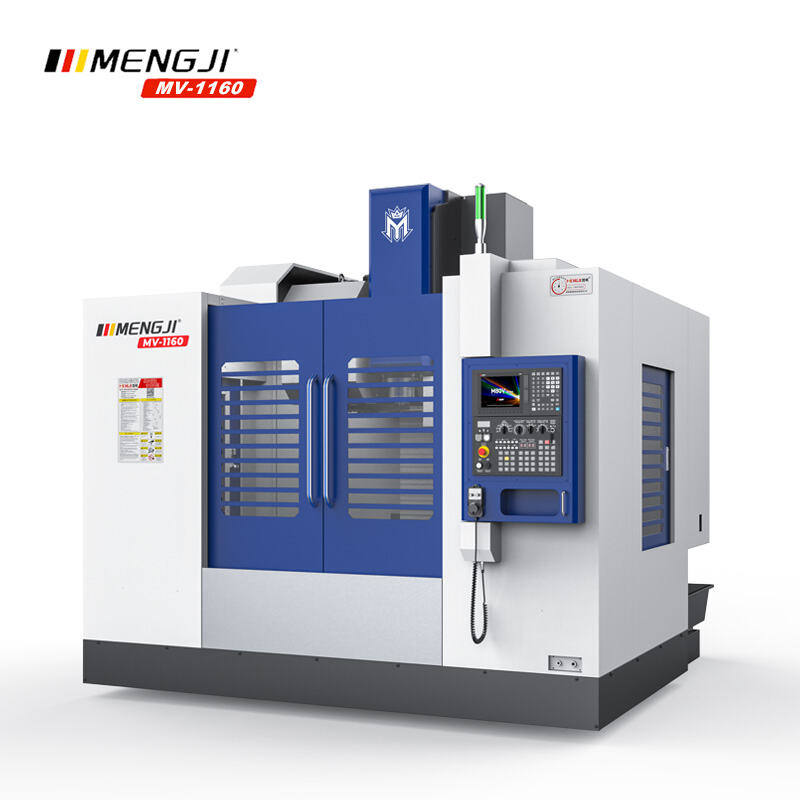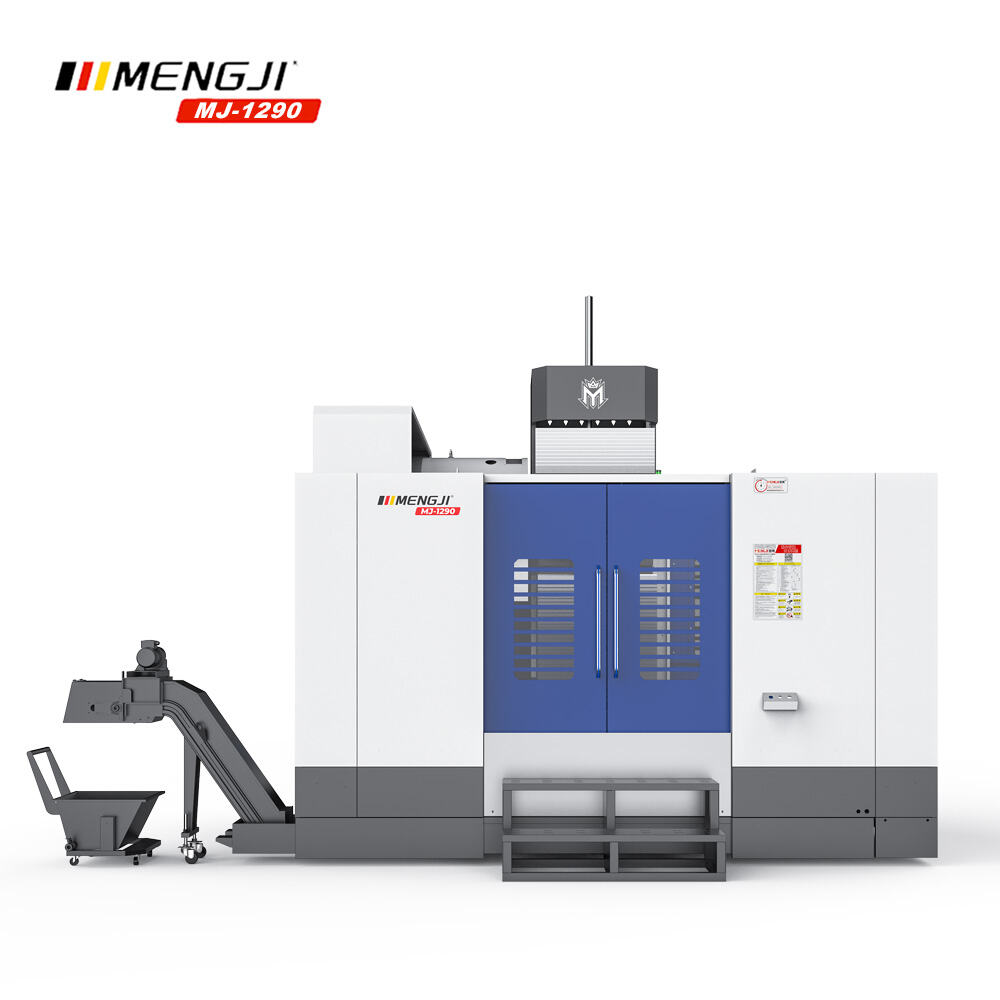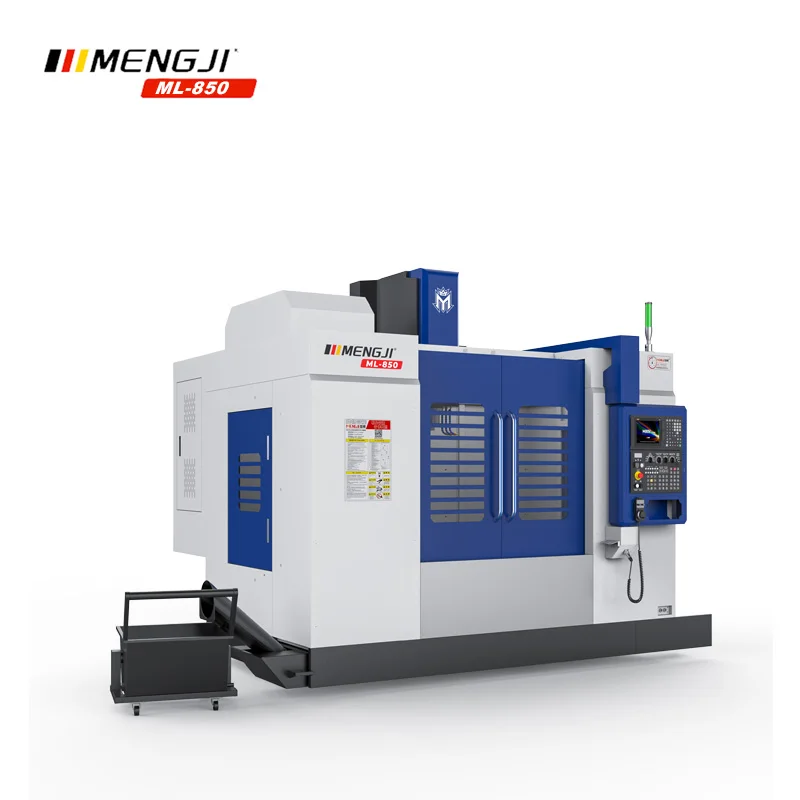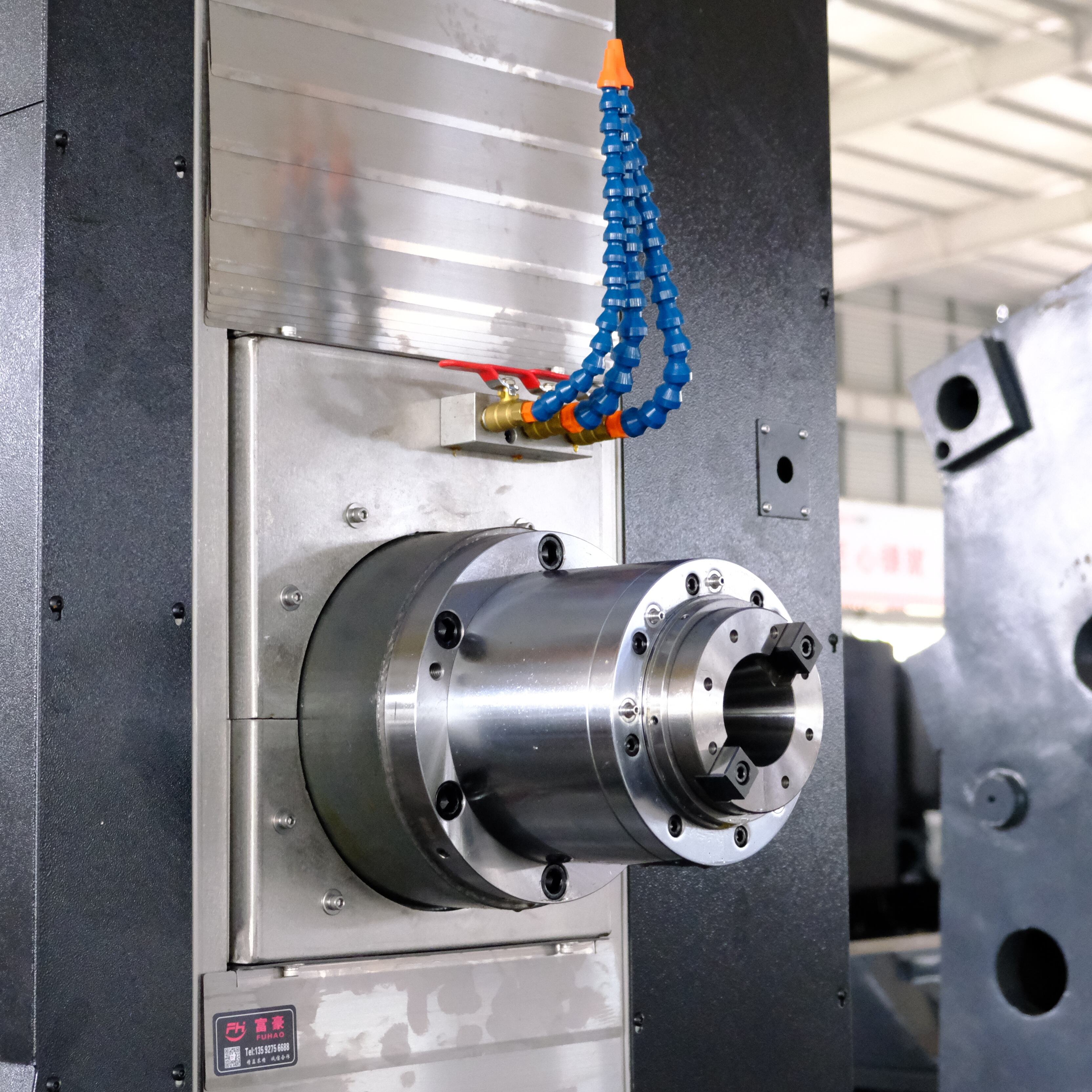
The cost structure for custom CNC milling is a multifaceted calculation that reflects the complexity and resources required to transform a raw material into a finished, precision component. It is not a simple commodity price but a detailed aggregation of several key factors. Direct material cost forms the base, influenced by the type of material (e.g., aluminum, stainless steel, PEEK), its grade, and the size of the raw stock, with a significant portion of the cost often being the material that is machined away as waste. Machine time, or the "shop rate," is another primary driver, calculated based on the hourly operating cost of the specific CNC mill used, which can vary considerably between a 3-axis vertical machining center and a advanced 5-axis machine due to differences in capital investment, maintenance, and power consumption. The complexity of the part design profoundly impacts cost; intricate geometries with deep pockets, tight internal radii, and undercuts require more complex programming, longer machining times, specialized tooling, and potentially multiple setups, all adding to the expense. Labor costs are embedded in the upfront process planning, CAD/CAM programming, and setup time, as well as the post-processing labor for deburring, inspection, and any secondary operations like anodizing or plating. Furthermore, initial one-time costs for creating custom fixtures or procuring non-standard cutting tools are often amortized over the production volume, making unit cost highly sensitive to order quantity. A reputable manufacturer provides transparency in this costing, breaking down these elements to help clients understand the value proposition and identify opportunities for design optimization to achieve a more cost-effective outcome without compromising the part's critical functionality.
Our professional sales team is always ready to assist you.