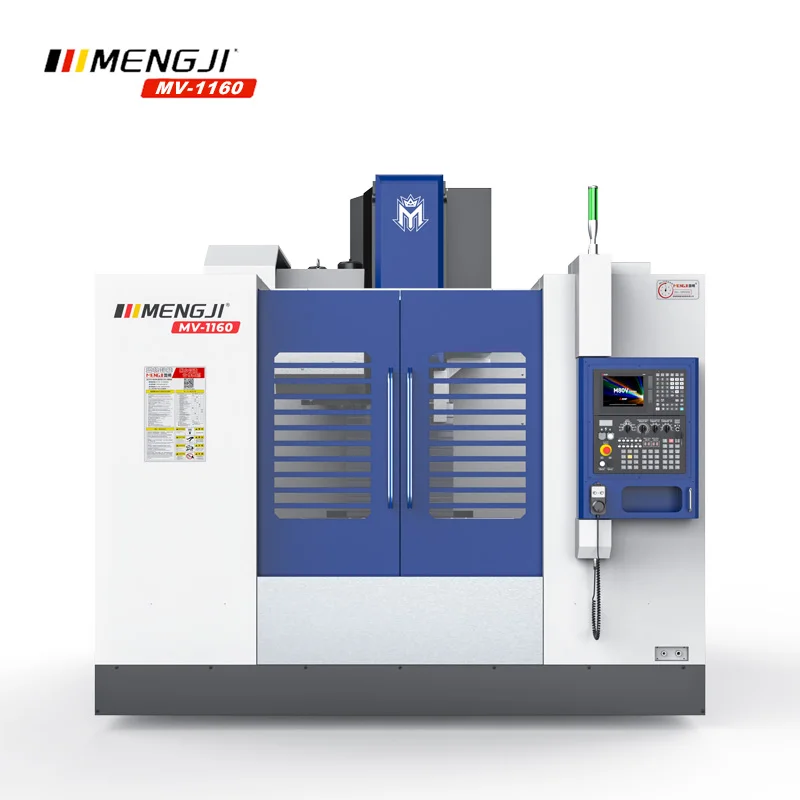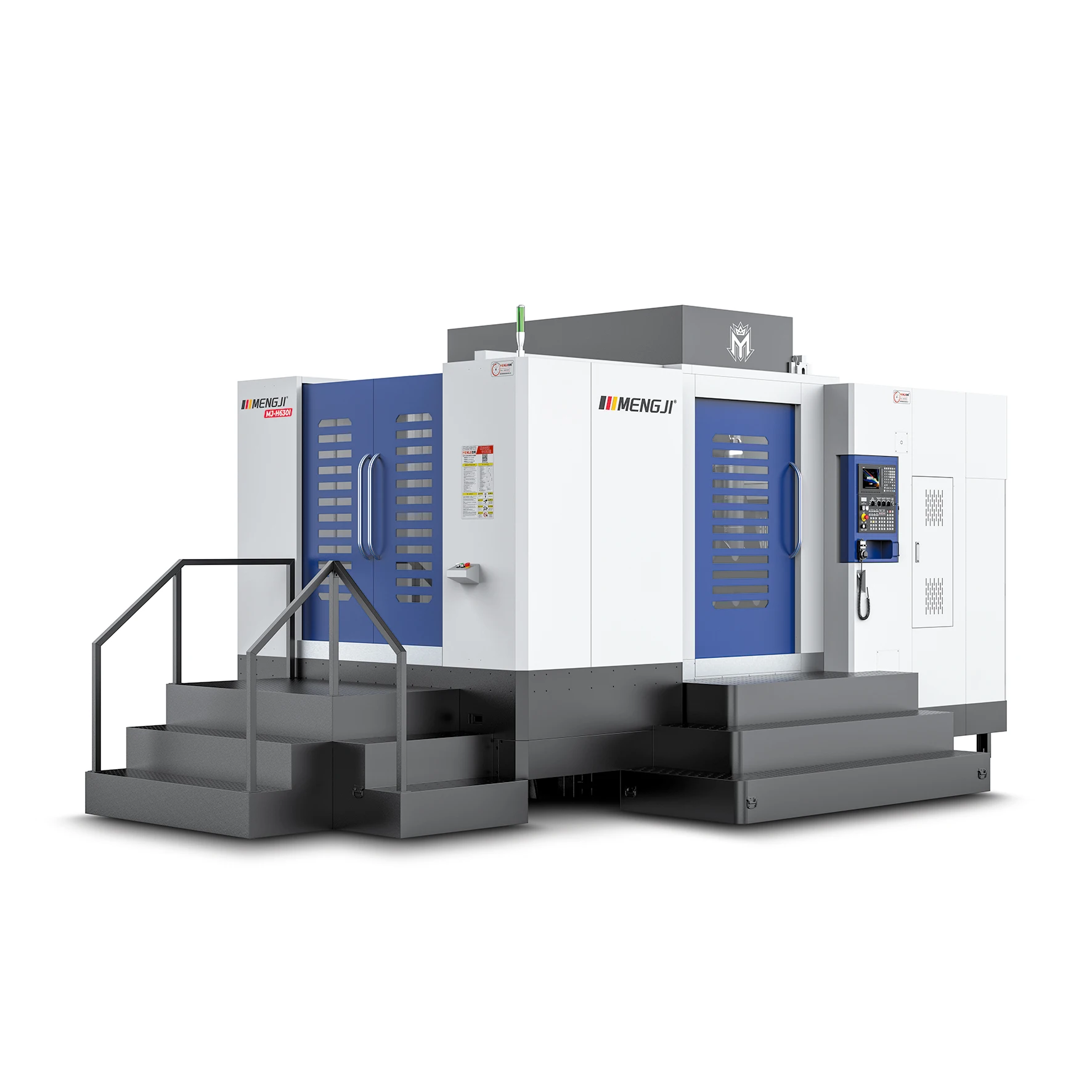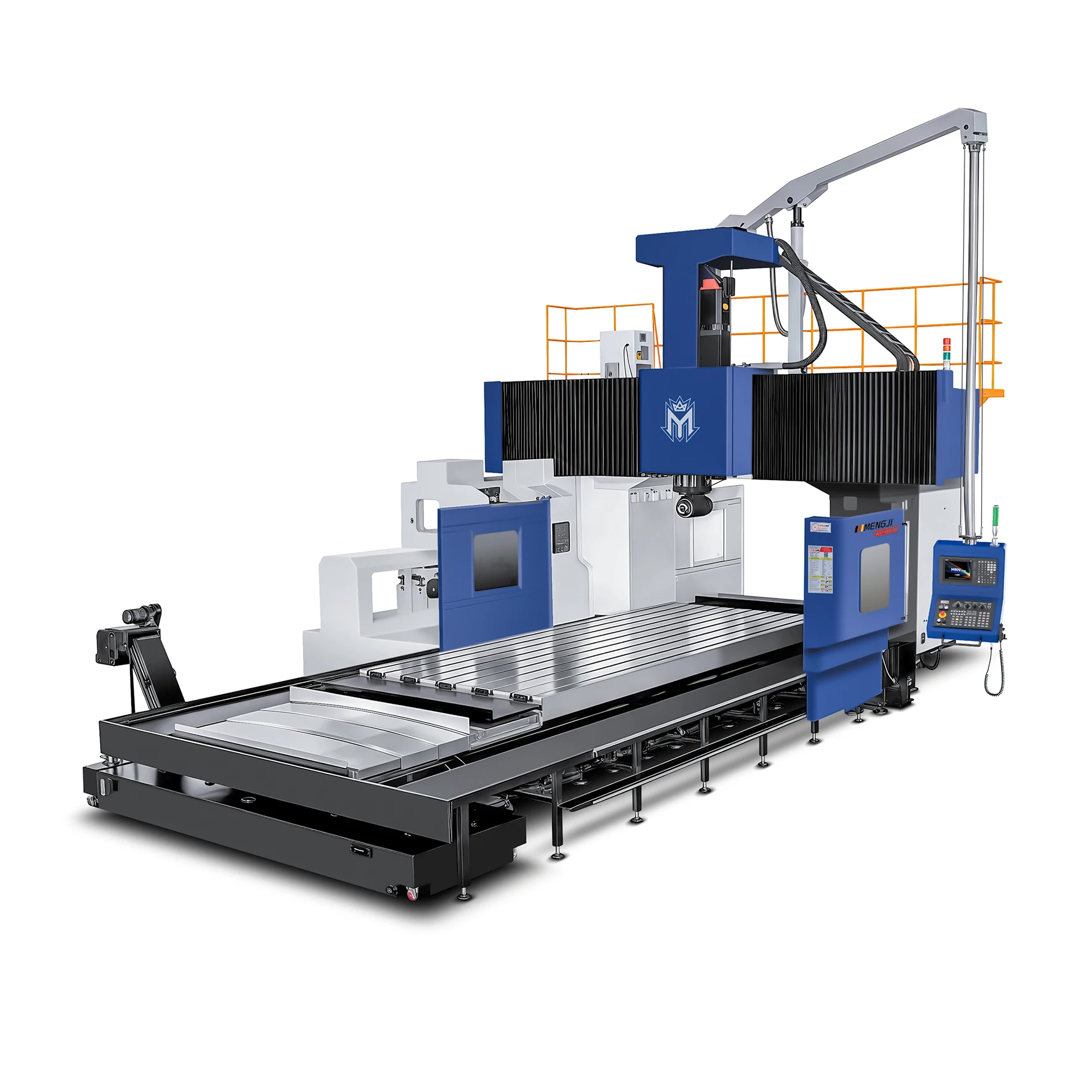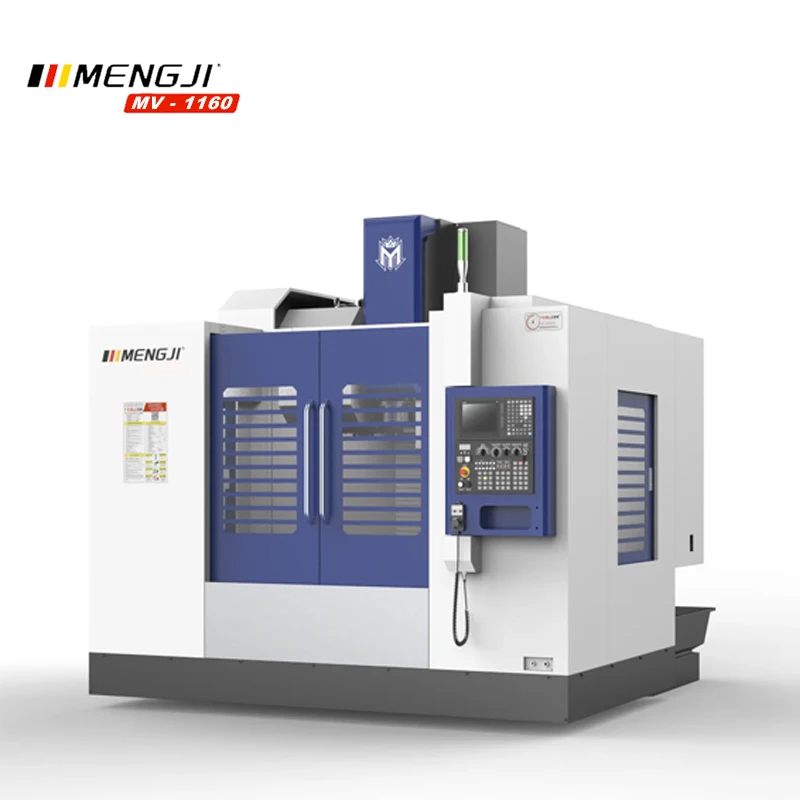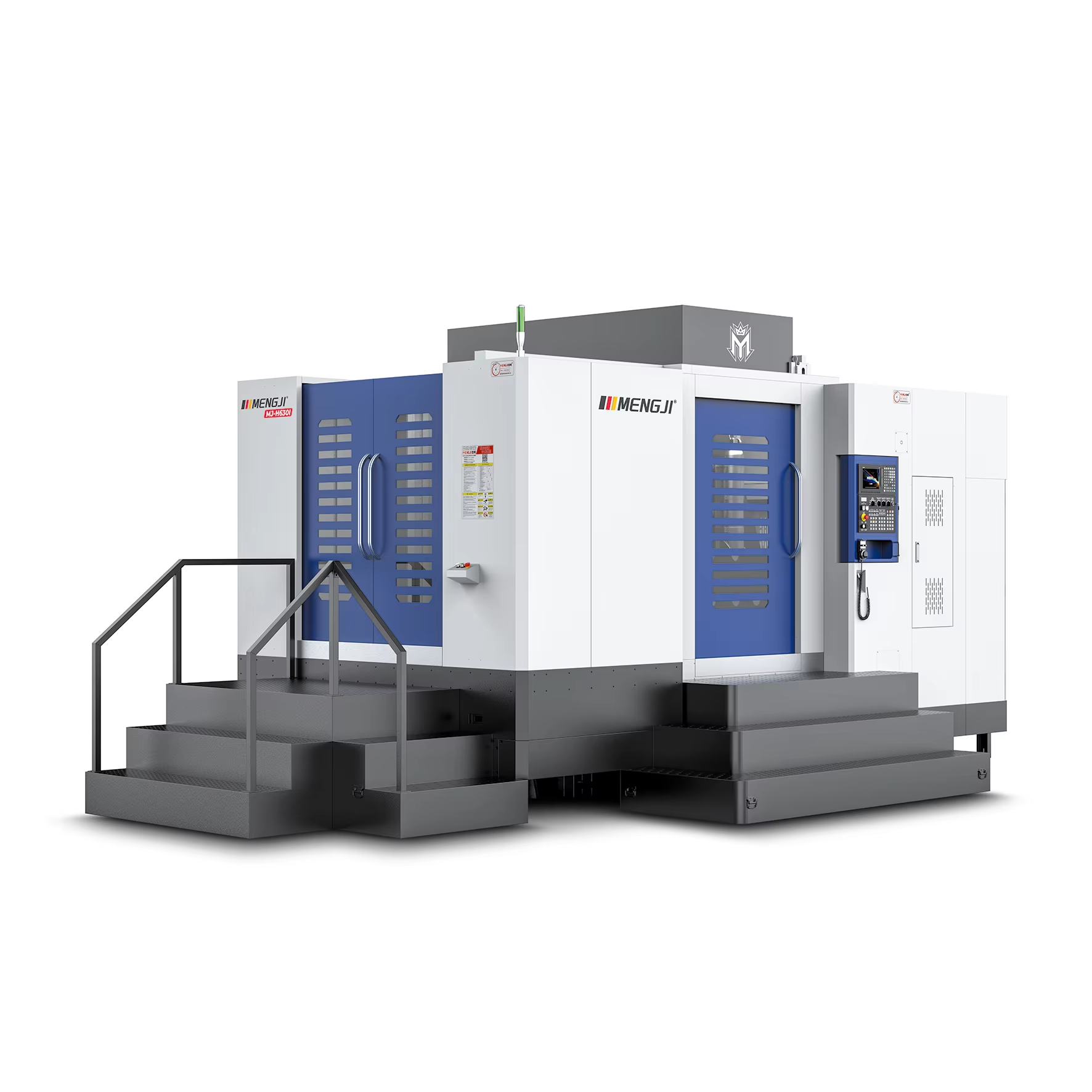
Motor auto parts represent a vast category of components that must perform reliably under extreme conditions of temperature, pressure, vibration, and wear. The manufacturing of these parts demands a deep understanding of material science, precision engineering, and high-volume production techniques. These components can be broadly categorized into engine parts (pistons, connecting rods, crankshafts, camshafts, cylinder heads), transmission components (gears, shafts, housings), chassis parts (control arms, steering knuckles, brackets), and braking system elements (calipers, discs). The production processes are equally diverse, encompassing precision CNC machining (turning, milling, grinding), forging, casting, and stamping. For critical engine and transmission components, machining to micron-level tolerances is non-negotiable to ensure optimal performance, fuel efficiency, and emissions control. For instance, the honing of cylinder bores must create a specific surface pattern for oil retention, and the grinding of crankshaft journals must achieve perfect roundness and surface finish. Materials range from high-strength aluminum alloys and nodular cast iron for engine blocks to advanced high-strength steels for structural safety components. The industry also relies heavily on precision plastic injection molding for components like intake manifolds, fluid reservoirs, and interior parts. The automotive supply chain demands not just high quality and precision but also cost-effectiveness, traceability, and the ability to support just-in-time (JIT) delivery. Manufacturers serving this sector must possess robust quality management systems, often requiring IATF 16949 certification, and demonstrate rigorous process control and statistical analysis to ensure every part meets the stringent safety and performance standards of the global automotive industry.
Our professional sales team is always ready to assist you.