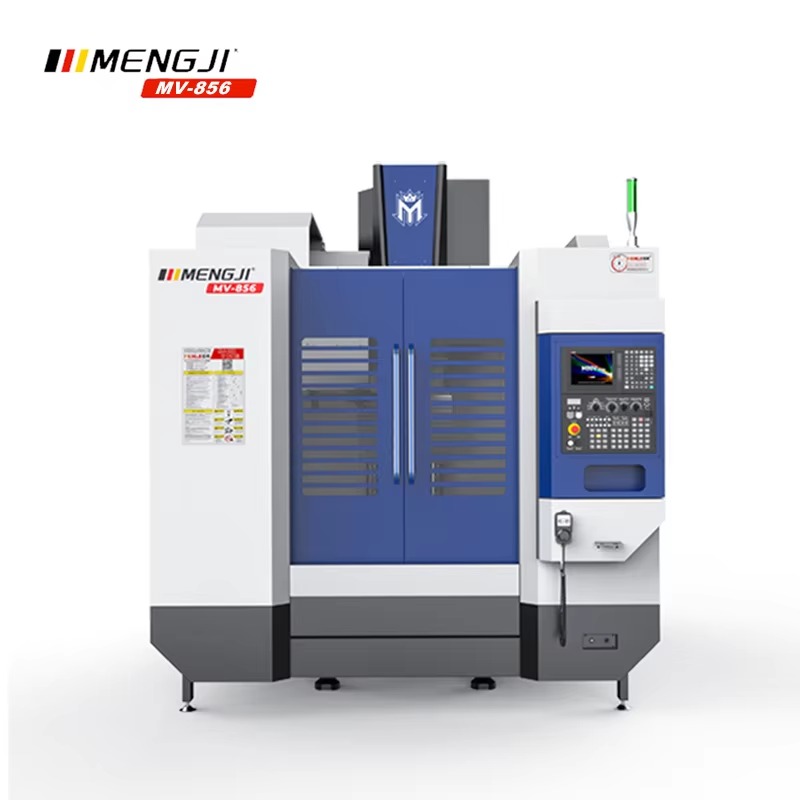
Precision mould tools are highly engineered assets that form the very heart of mass production processes like injection molding, die casting, and stamping. They are not simple fixtures but complex systems designed to operate for millions of cycles while consistently producing parts with micron-level accuracy and impeccable surface quality. Their design and fabrication represent a pinnacle of manufacturing expertise, integrating advanced CAD/CAE for simulation-driven design that predicts and eliminates potential defects in the final parts. The construction utilizes premium, often hardened, tool steels (such as H13, S136, or 420 stainless steel) selected for exceptional wear resistance, corrosion resistance, and thermal stability to withstand the abrasive and thermal cycling of production. Manufacturing these tools demands the highest echelons of machining technology, including 5-axis CNC milling for complex 3D contours, Electrical Discharge Machining (EDM) for intricate details and sharp internal corners, and precision grinding and polishing to achieve specific surface finishes, from texture to high-gloss mirrors. Beyond the core and cavity, a precision mould tool is an assembly of sophisticated components: an ejection system to reliably remove the part, a temperature control system with baffles and bubblers for uniform cooling, and often complex mechanisms like sliders, lifters, and unscrewing devices to create undercuts and threaded features automatically. The validation process, involving mold sampling and meticulous adjustment, is critical to fine-tune the tool for optimal performance. The investment in a precision mould tool is significant, but it is directly correlated with production efficiency, part quality, and the total cost of ownership, making it a fundamental determinant of success in high-volume manufacturing across automotive, consumer goods, and medical industries.
Our professional sales team is always ready to assist you.