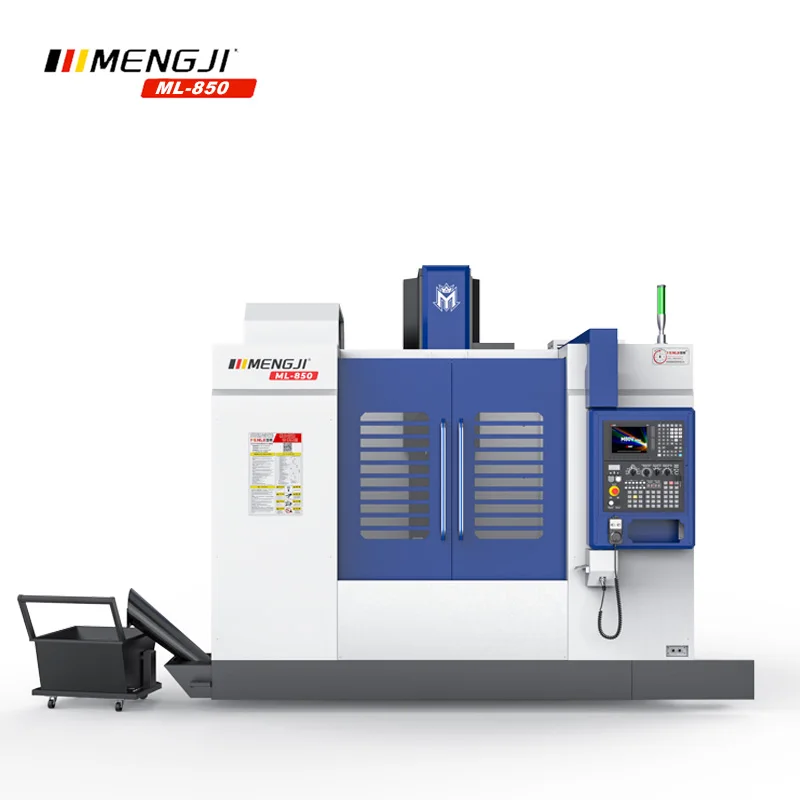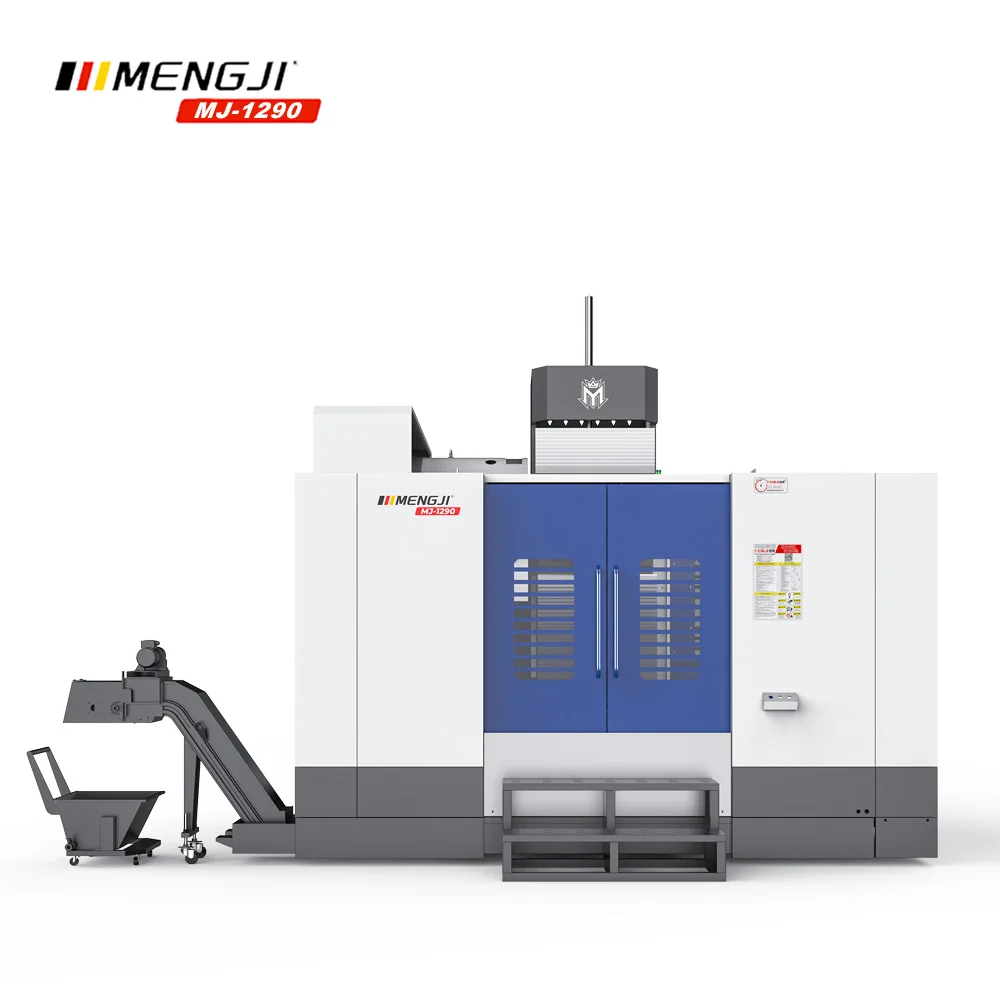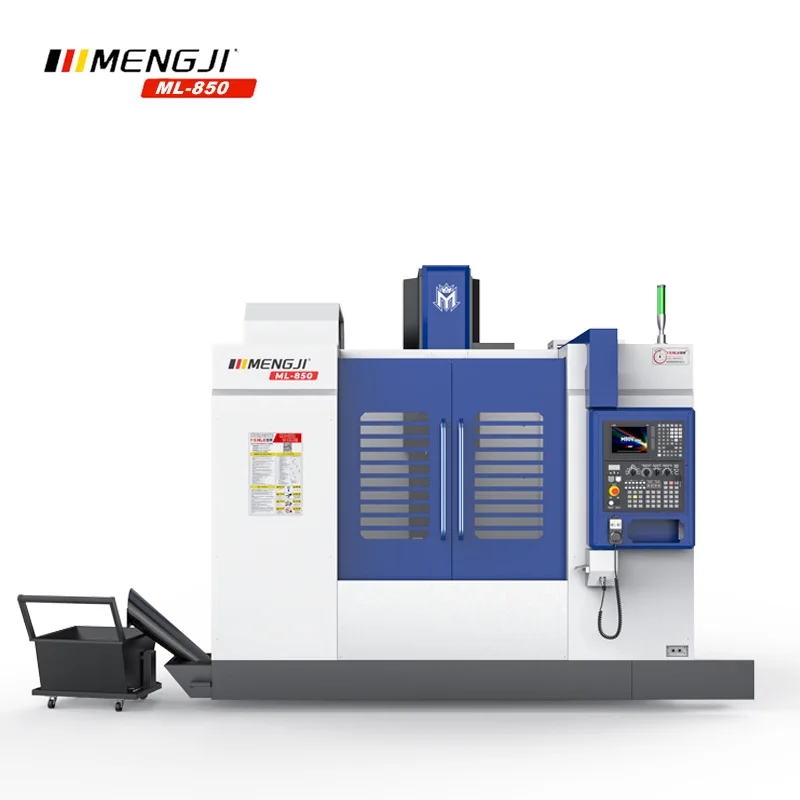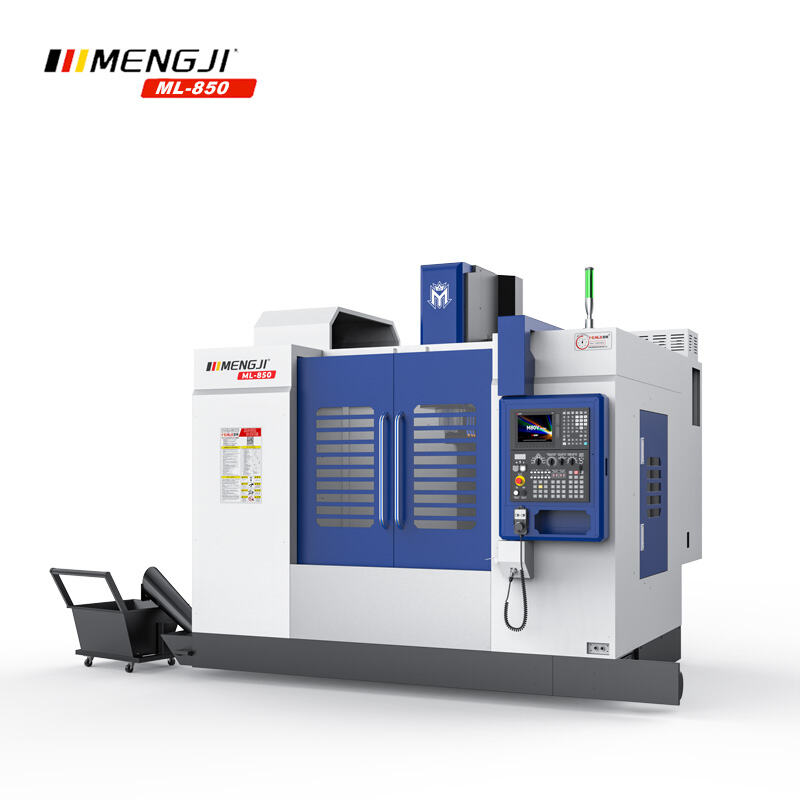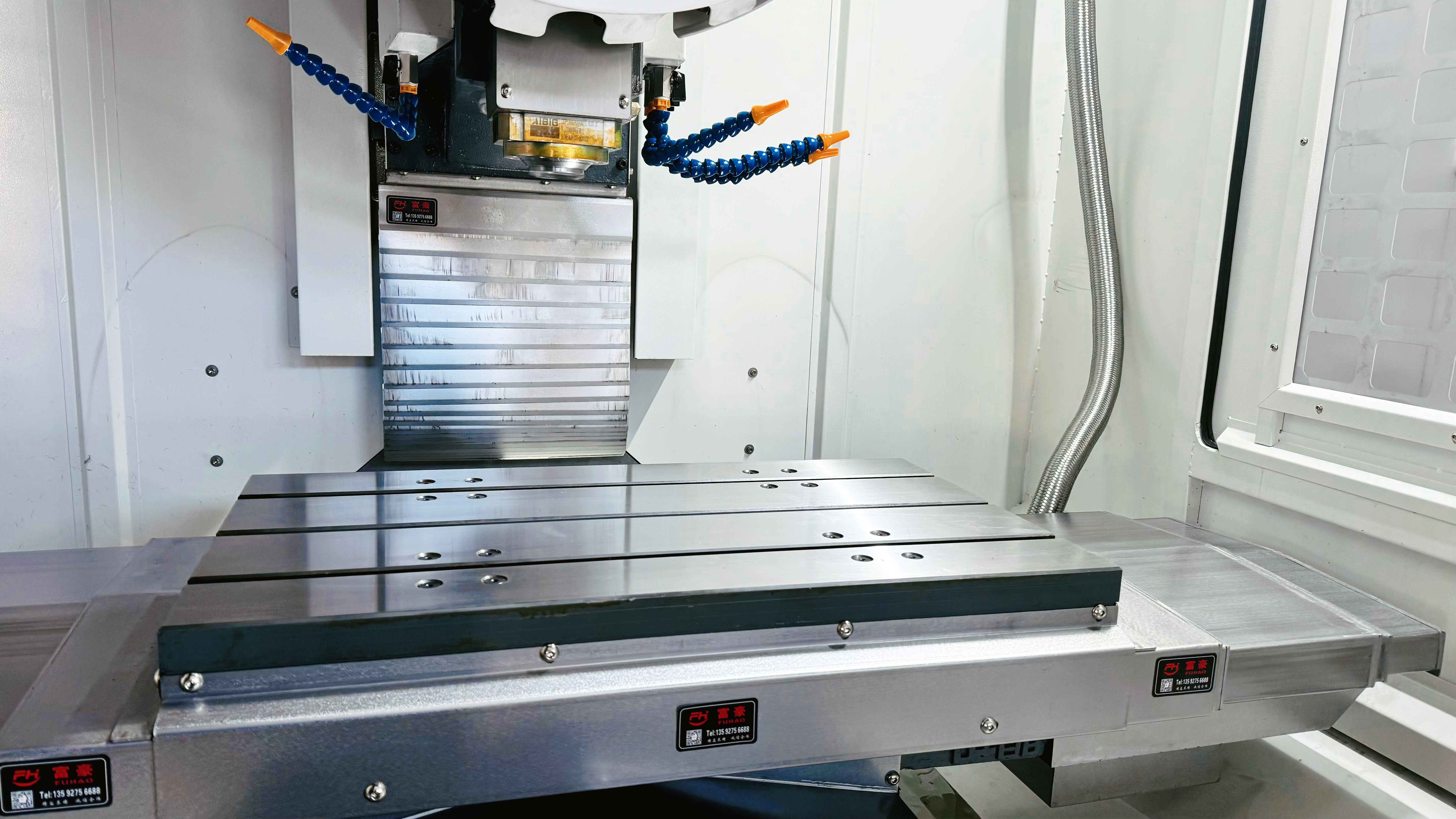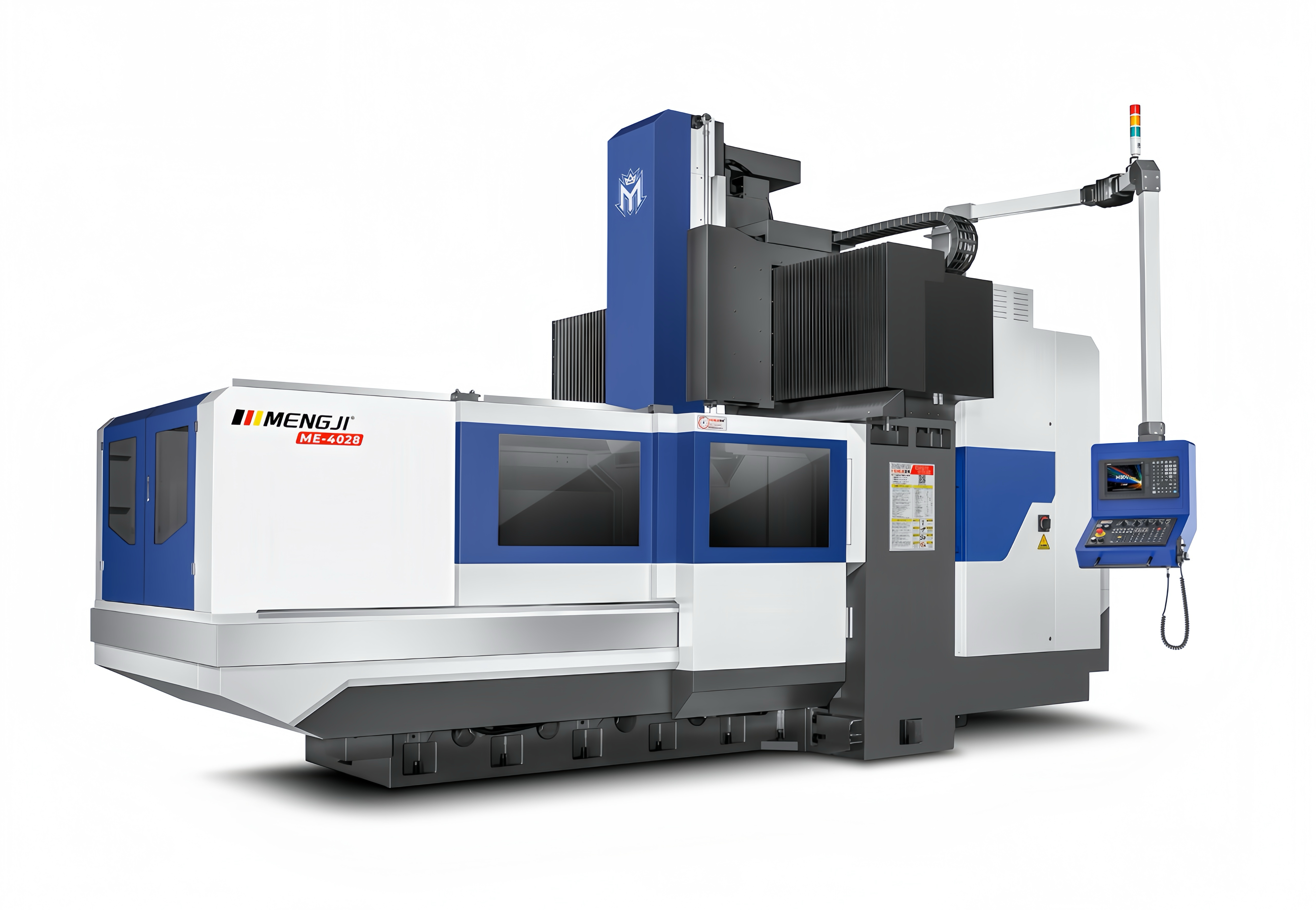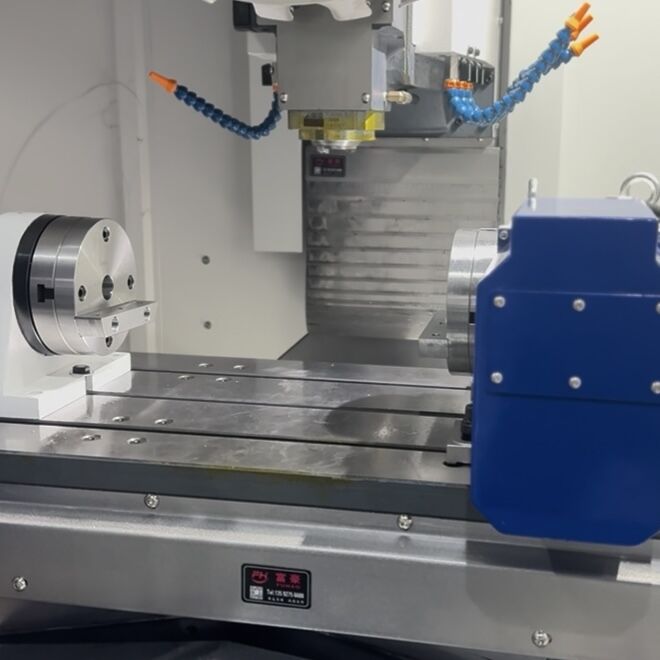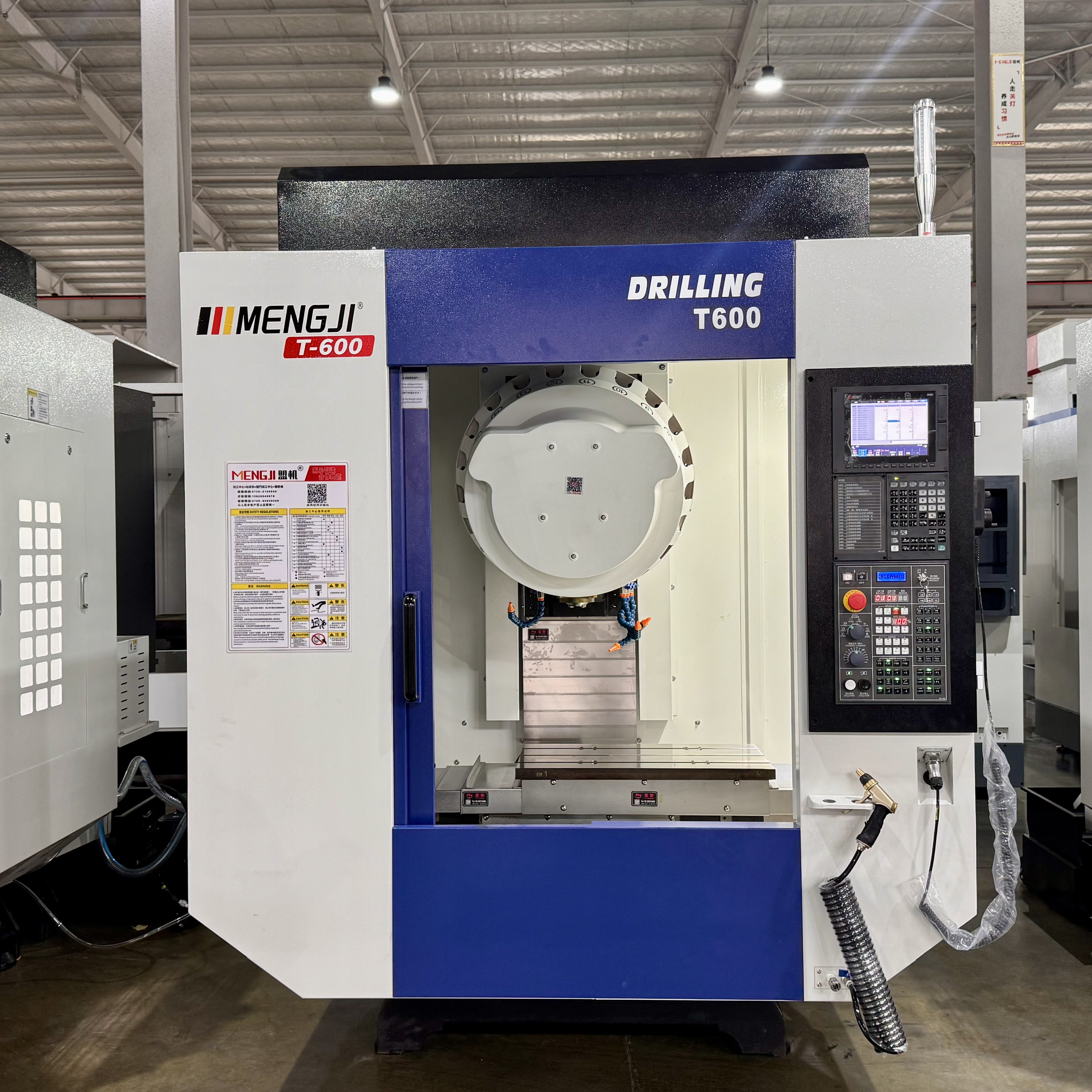
A small horizontal boring mill is a highly versatile and precise machine tool designed for machining medium-to-large sized components where exceptional accuracy in bore alignment, large-diameter hole machining, and complex milling operations are required. While it shares the horizontal spindle orientation with a Horizontal Machining Center (HMC), its design and primary function are distinct. The boring mill is characterized by its heavy, monolithic construction and a precise spindle that extends from a quill, providing exceptional rigidity for boring operations. Its primary strength lies in its ability to create and position large, precise bores with very tight tolerances for location, size, and geometry. This makes it indispensable for manufacturing components like machine tool bodies, gearboxes, injection molds, and precision fixtures where multiple bores must be perfectly aligned over long distances. The "small" designation typically refers to machines with spindle diameters around 3-5 inches and table workloads in the several-ton range, making them suitable for sizable but not colossal workpieces. These machines feature a precision rotary table that allows for accurate angular indexing and circular interpolation. Unlike an HMC focused on high-volume production, a boring mill is often a toolroom-class machine, prioritizing ultimate accuracy over sheer speed. Modern CNC versions retain the classic boring mill rigidity but add capabilities for complex milling, drilling, and tapping, blurring the line with an HMC. However, the fundamental purpose remains: to provide a stable, accurate platform for machining large, complex prismatic parts that demand the highest levels of dimensional integrity, particularly in the relationships between bore locations and other critical features.
Our professional sales team is always ready to assist you.