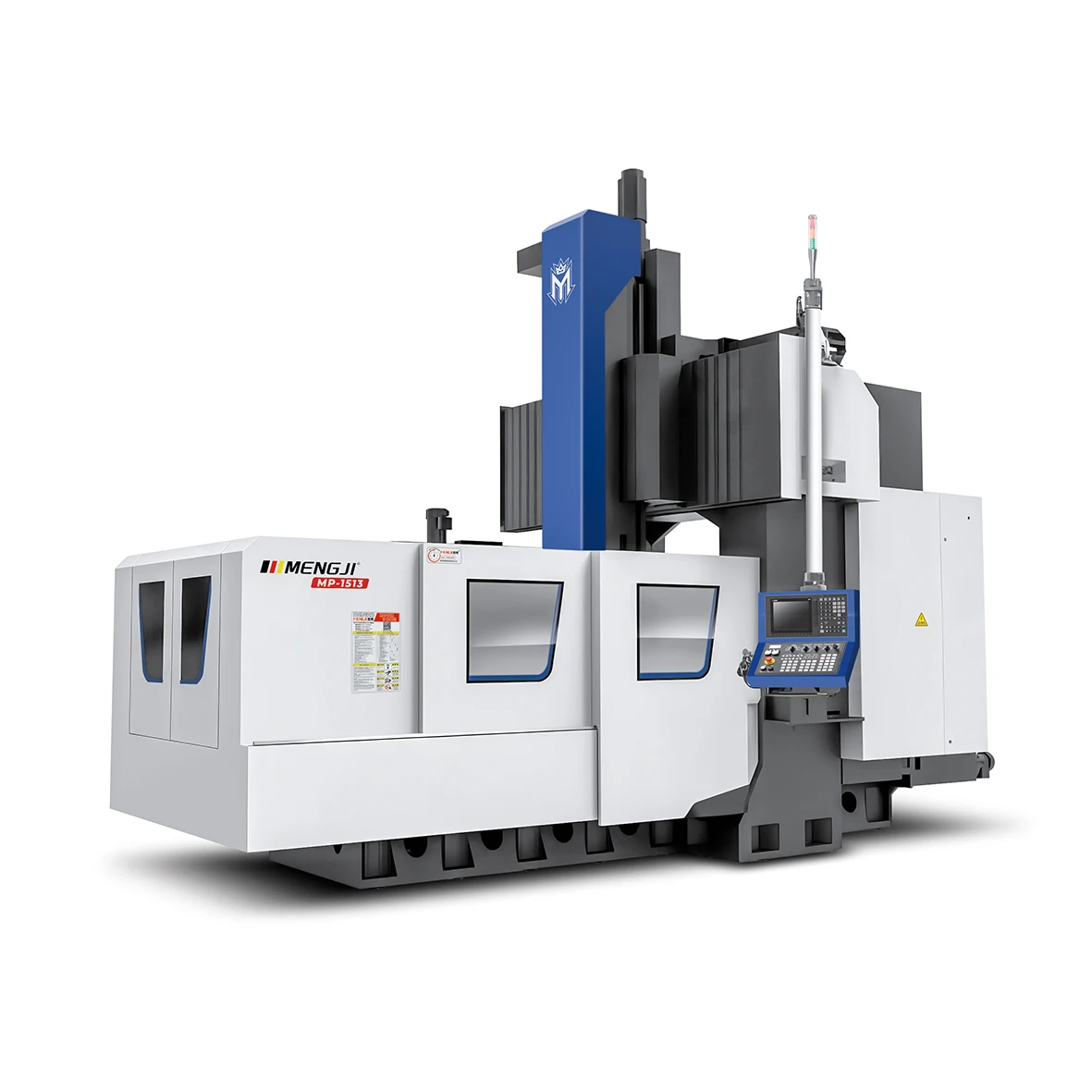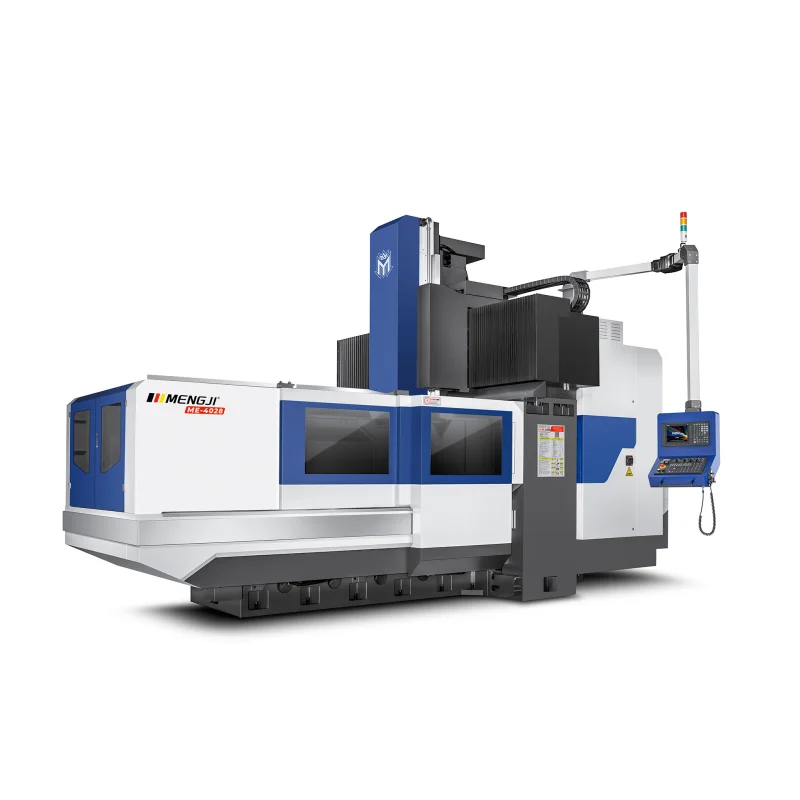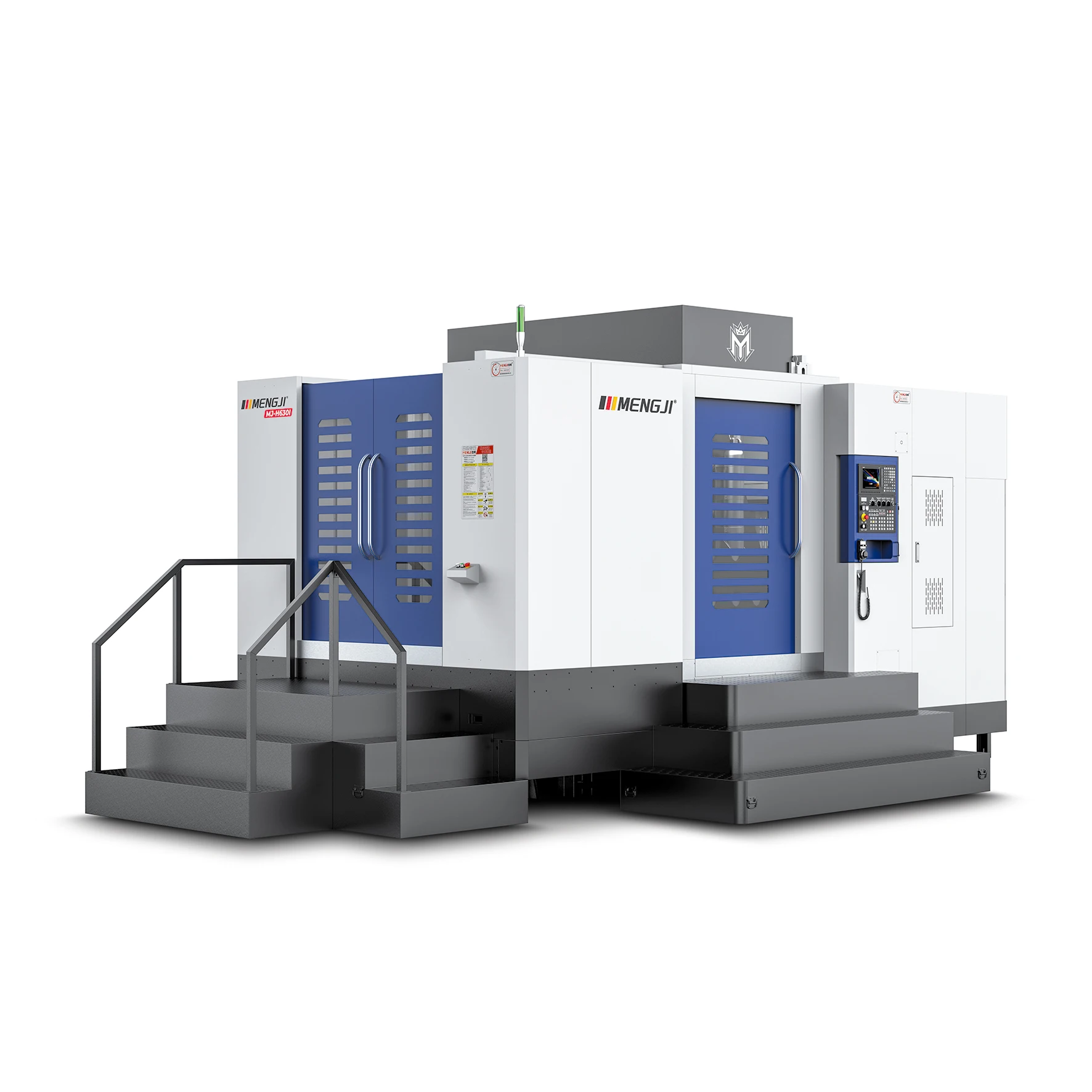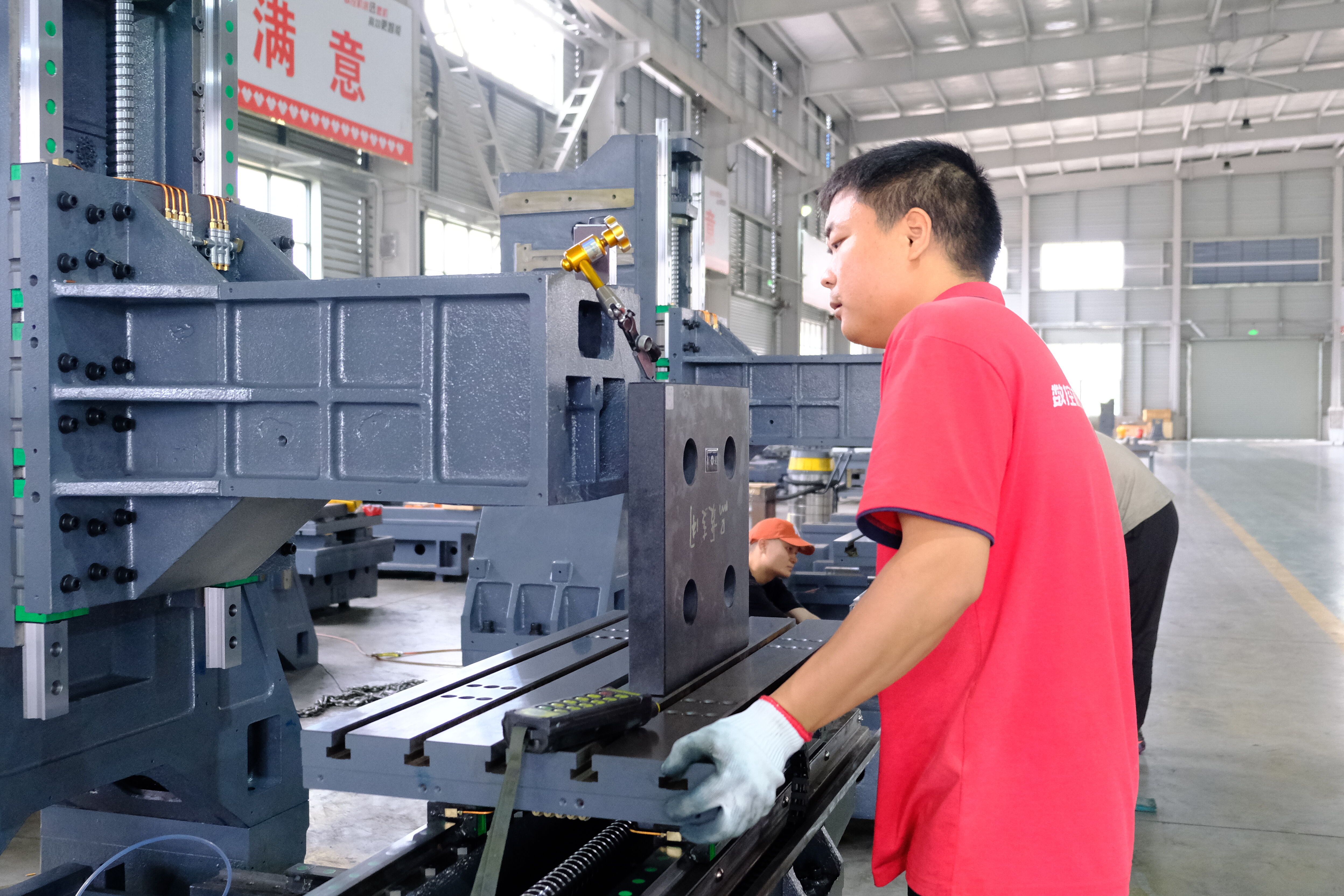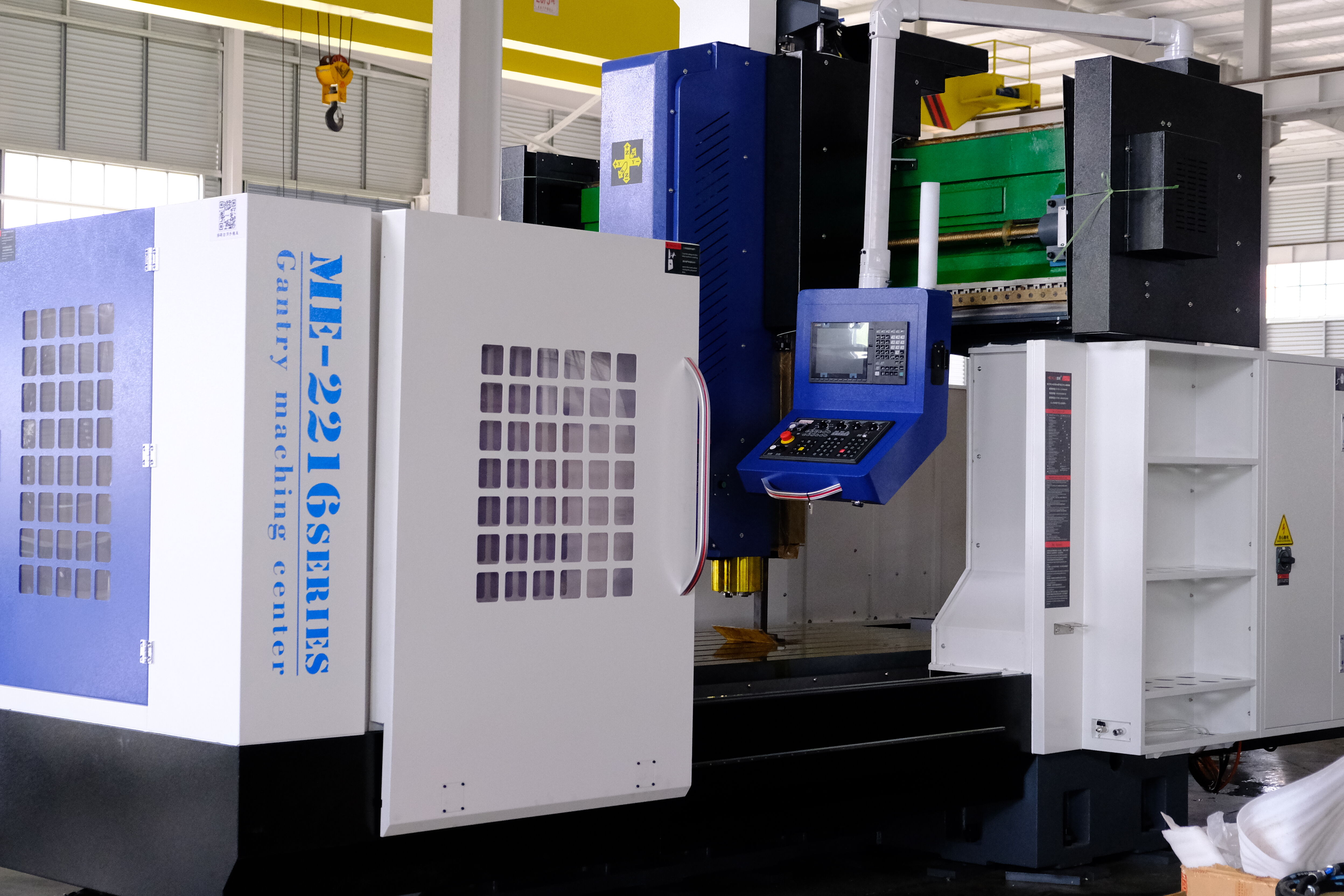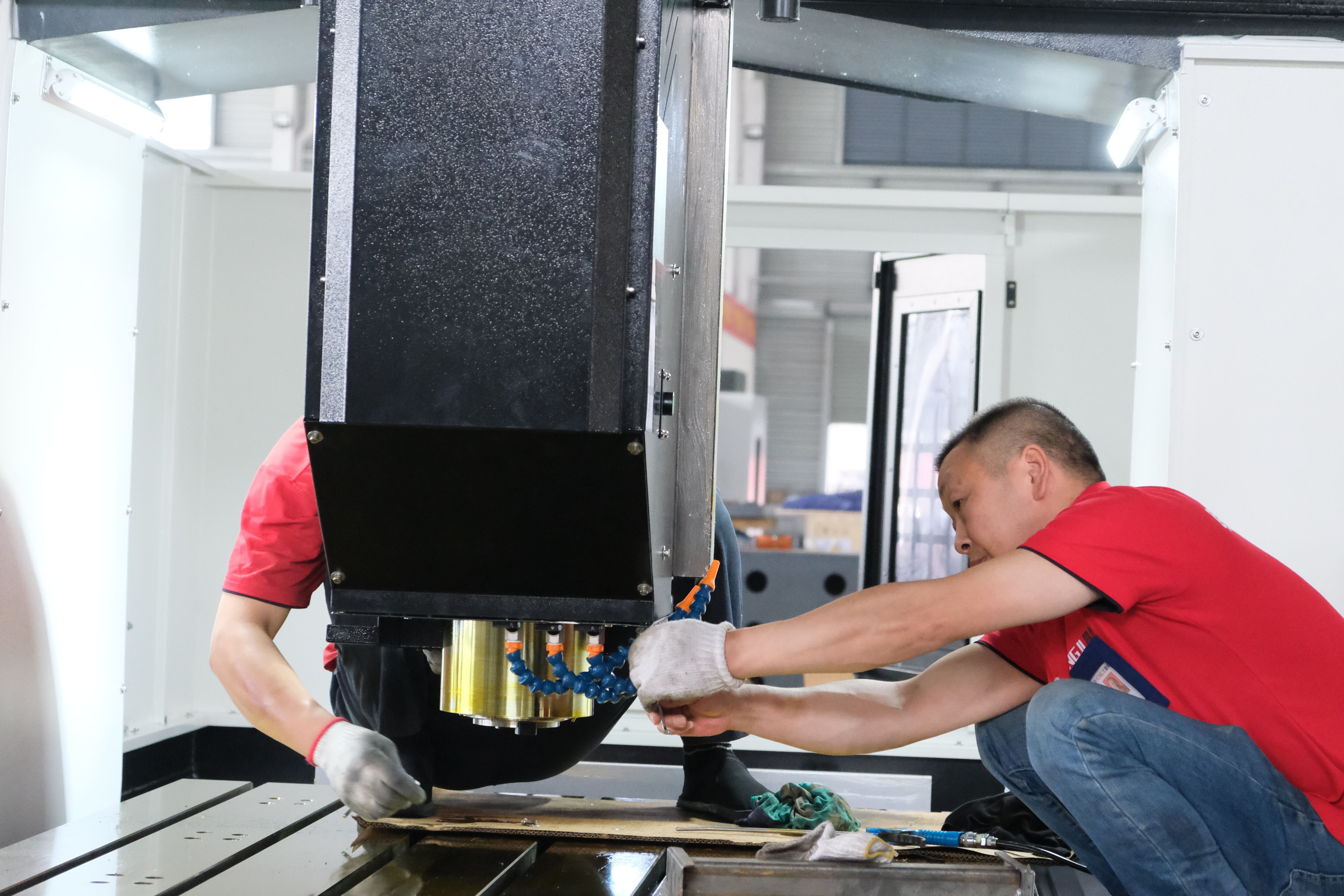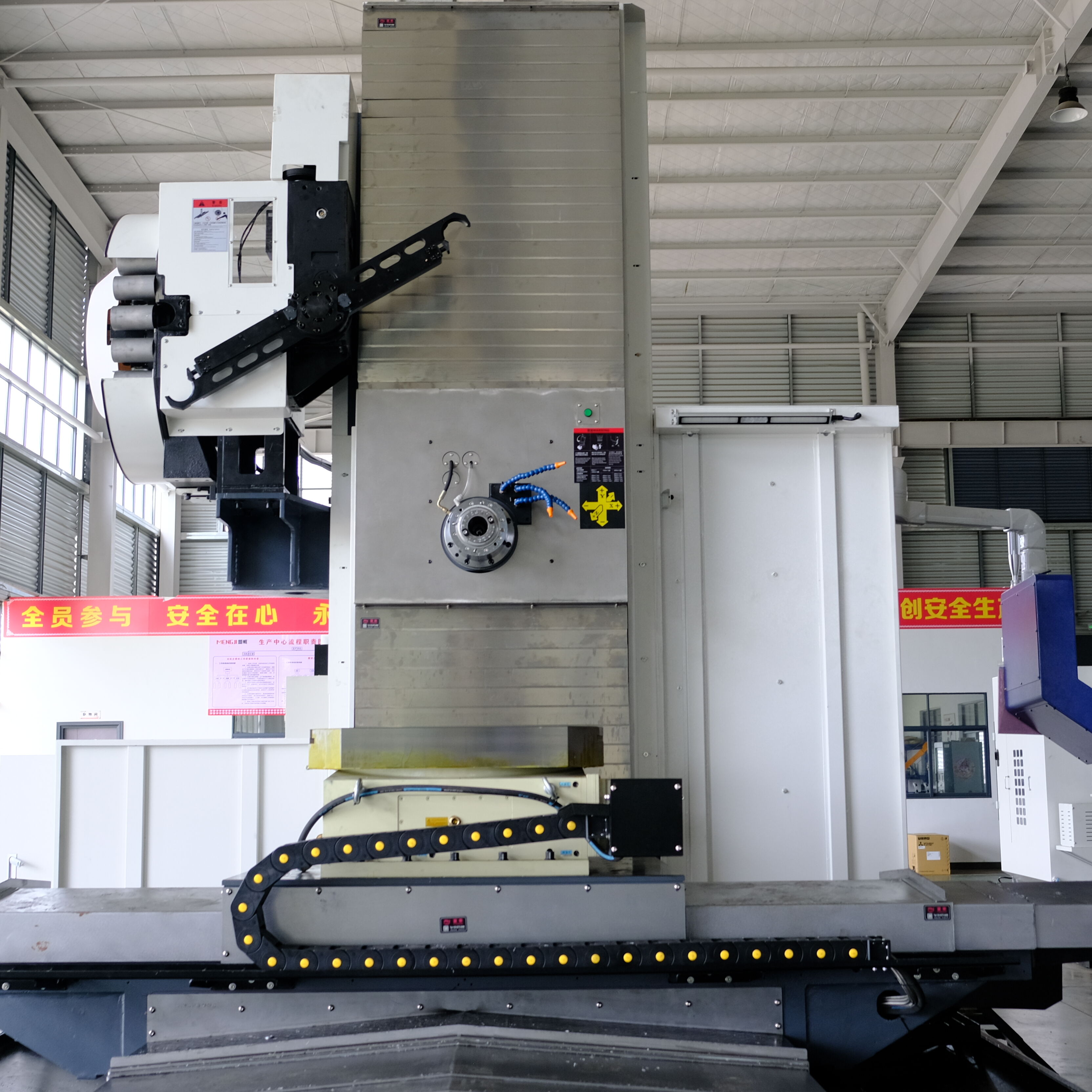
The landscape of CNC machinery is diverse, with each type engineered for specific manufacturing tasks, materials, and levels of precision. Understanding the primary categories is essential for selecting the right technology. The most fundamental distinction is between machining centers and turning centers. Machining centers, which use rotating tools, are subdivided by spindle orientation: Vertical Machining Centers (VMCs) have a vertically oriented spindle and are ideal for 3D contouring and plate-type work, while Horizontal Machining Centers (HMCs) feature a horizontal spindle, offering superior chip evacuation and are perfect for multi-sided cube-shaped parts in high-volume production. 5-Axis Machining Centers add two rotational axes, enabling the machining of highly complex, free-form geometries in a single setup. Turning Centers, or CNC lathes, rotate the workpiece against a stationary tool to create cylindrical parts. These range from basic 2-axis lathes to advanced Multi-Tasking Turn-Mill Centers that incorporate live tooling and a Y-axis, allowing them to perform milling and drilling operations, effectively combining turning and milling into one "done-in-one" machine. Swiss-type Automatic Lathes are a specialized variant designed for long, slender, and complex small parts, using a guide bushing for unparalleled support. Other critical types include CNC Grinders for achieving ultra-fine tolerances and surface finishes, CNC Electrical Discharge Machines (EDM) for burning intricate shapes in hardened steel, and CNC Routers, which are typically used for high-speed machining of softer materials like wood, plastics, and non-ferrous metals. Each type represents a different point on the spectrum of manufacturing capability, and a comprehensive machine shop will possess a strategic mix of these technologies to offer a complete manufacturing solution.
Our professional sales team is always ready to assist you.