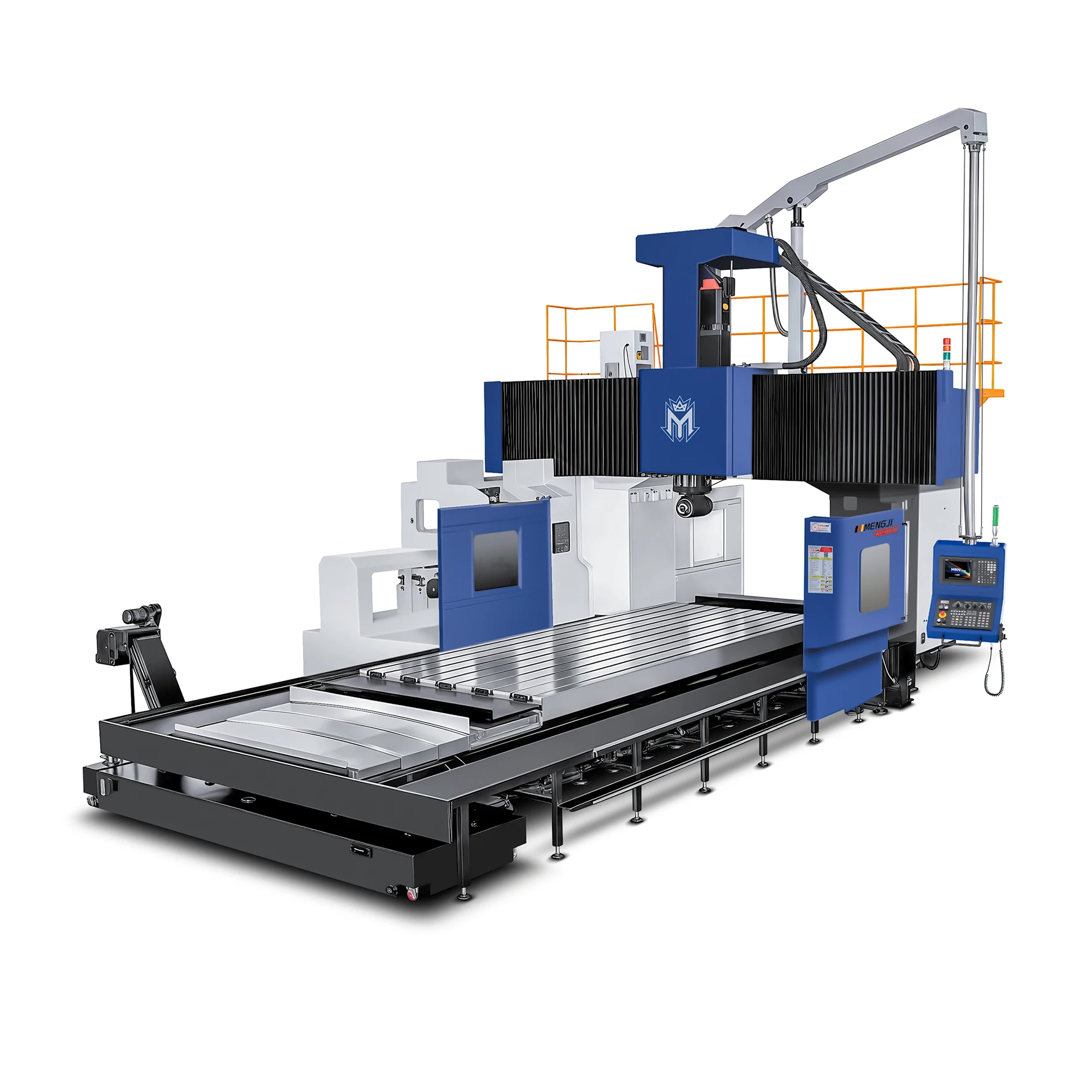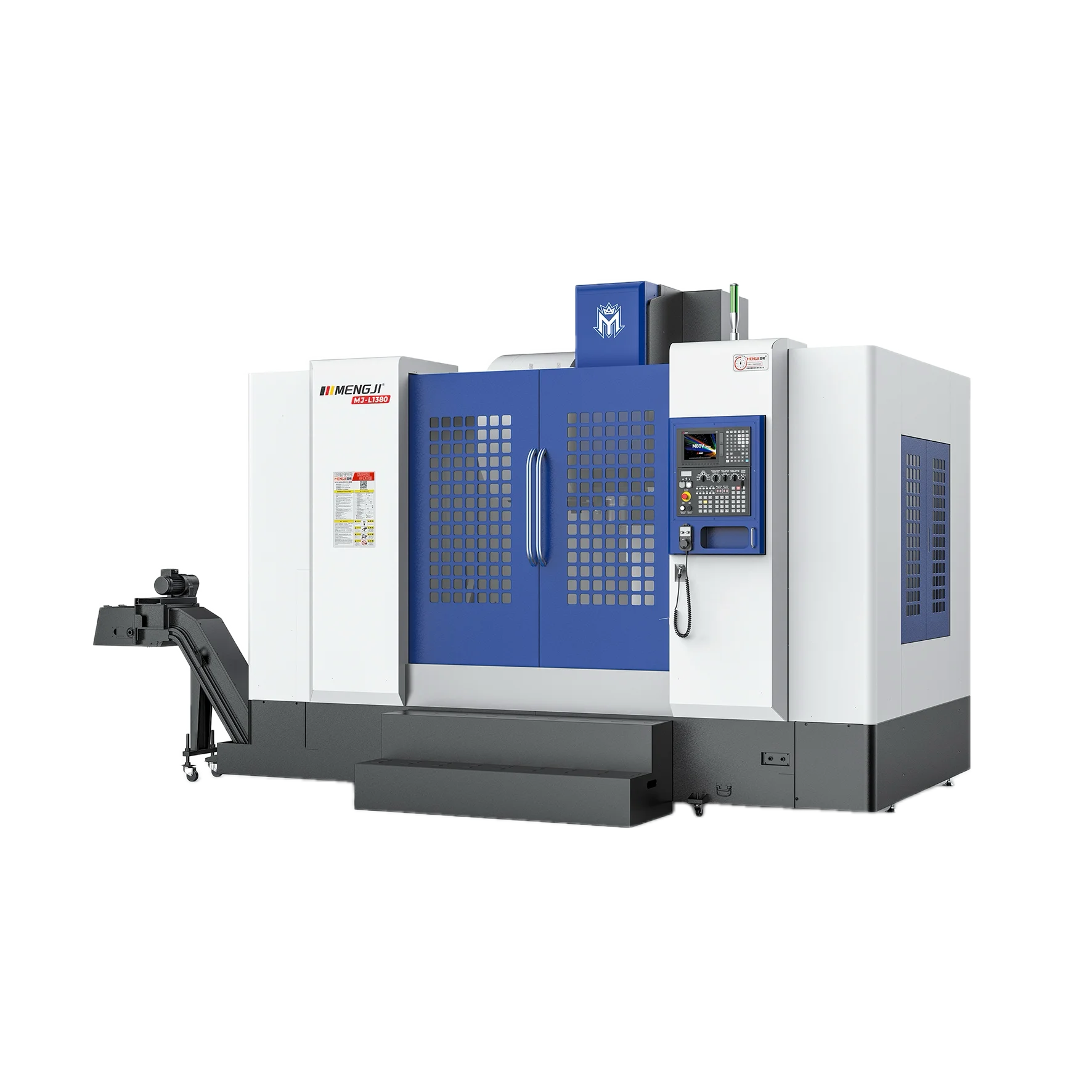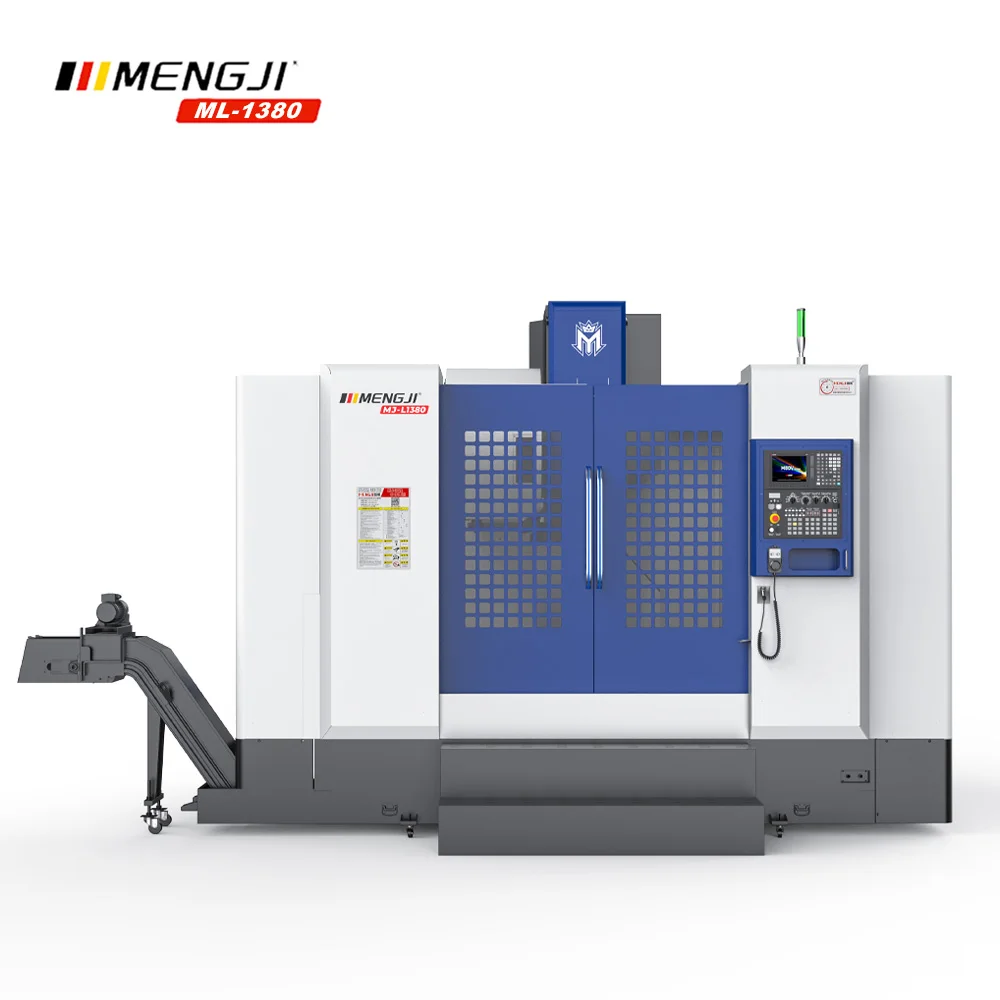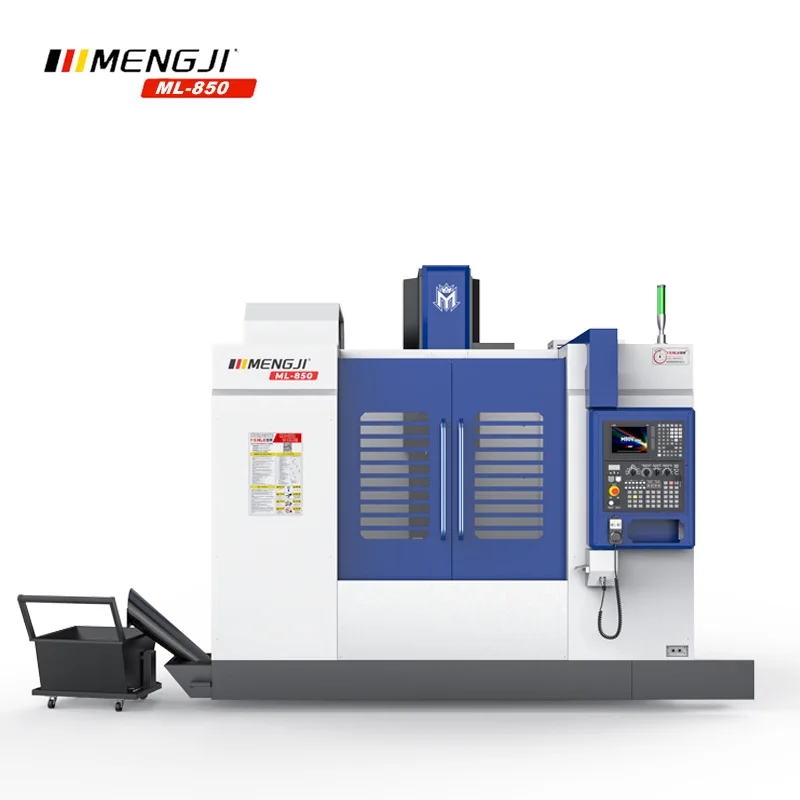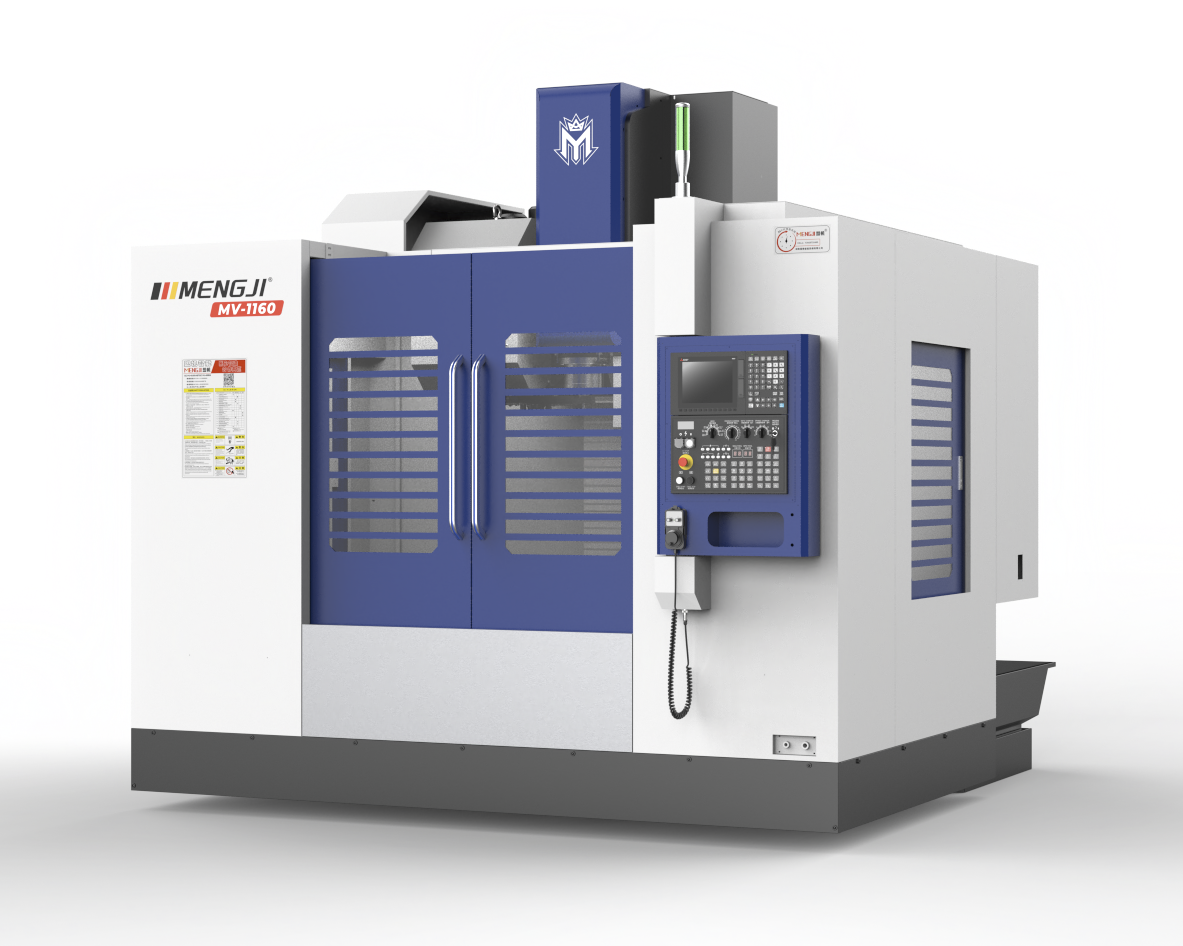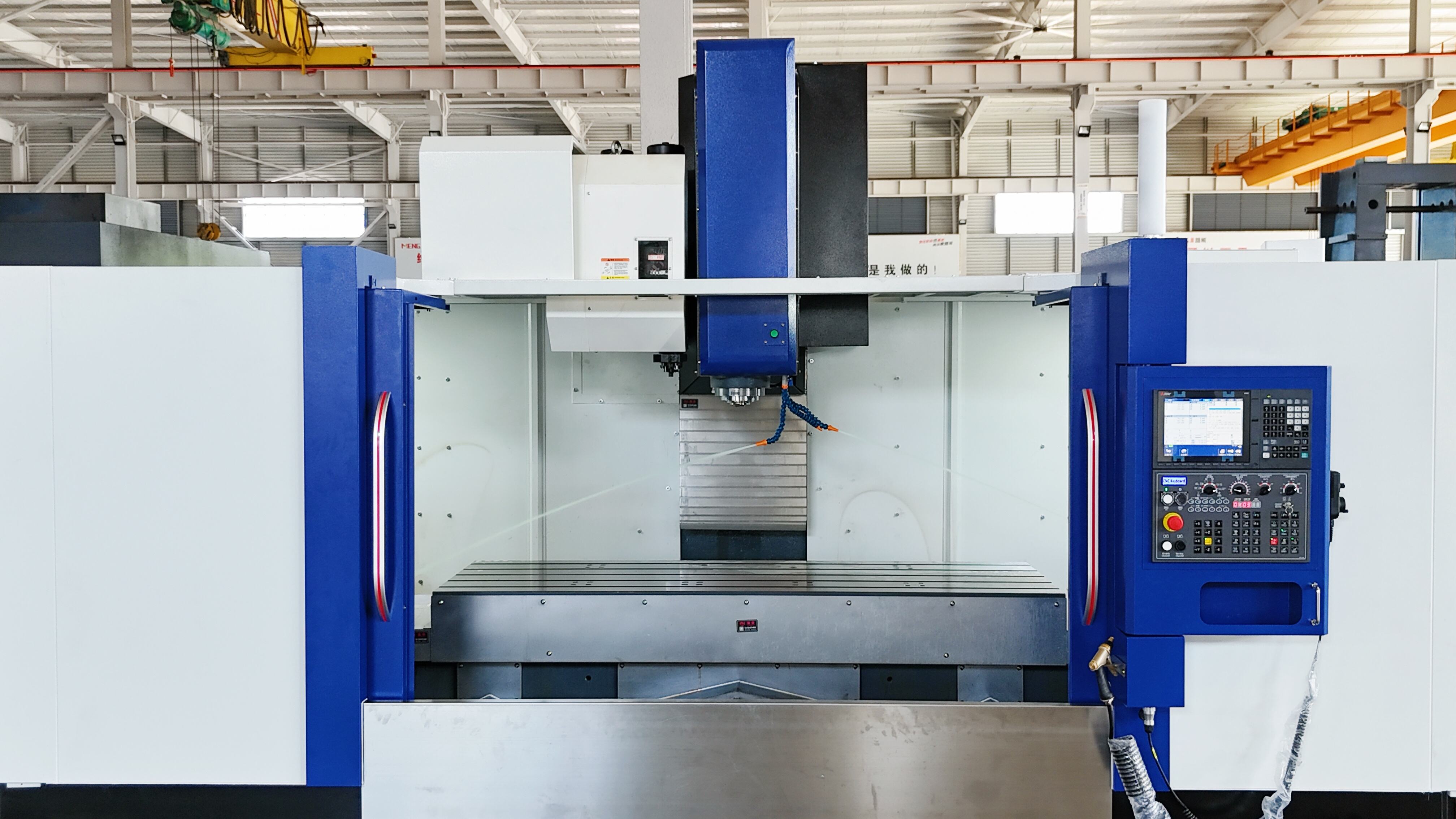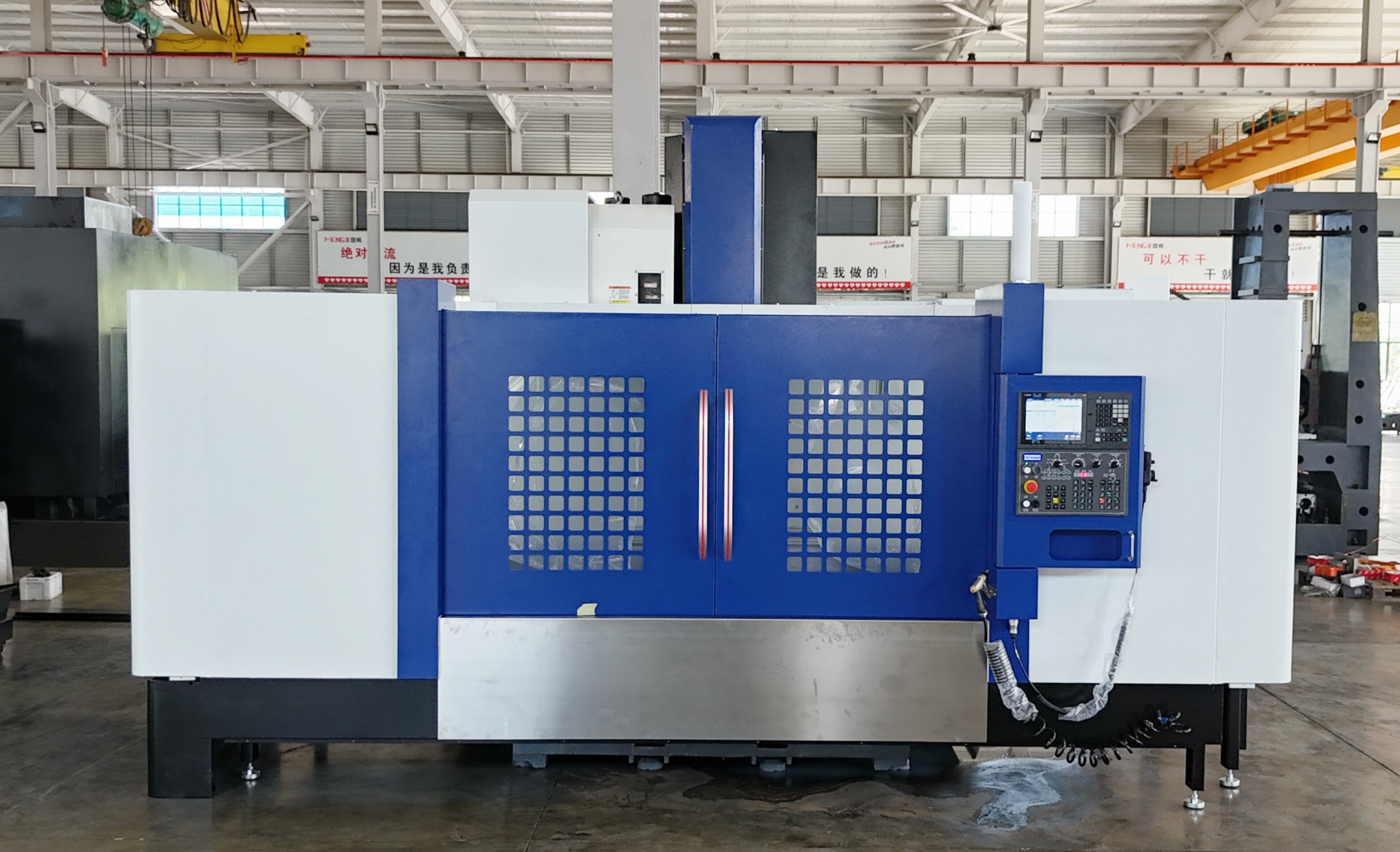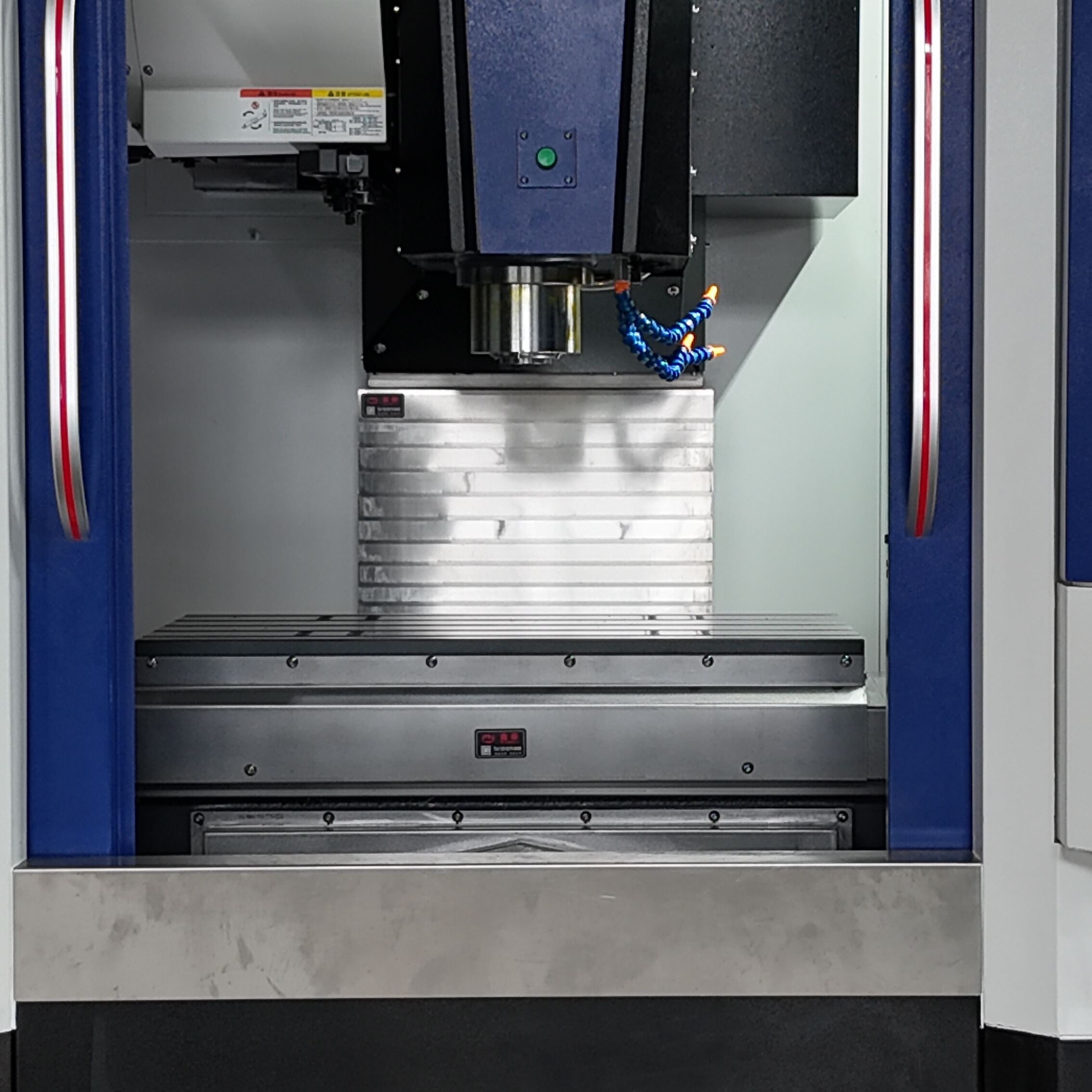
The price of a Vertical Machining Center (VMC) is not a single figure but a variable investment determined by a complex interplay of technical specifications, performance features, and long-term operational value. Understanding the factors that influence this cost is crucial for making a strategic capital equipment decision. The foundational price driver is the machine's work envelope, defined by its X, Y, and Z-axis travels. A machine with a larger capacity naturally commands a higher price due to the increased material, structural reinforcement, and larger drive components required. The spindle system is another major cost factor; a basic spindle might suffice for general purpose work, but high-speed, high-torque, or geared-head spindles designed for heavy-duty milling or fine finishing significantly increase the price. The CNC control unit itself represents a substantial portion of the cost. Entry-level controllers provide basic functionality, while advanced systems from manufacturers like Siemens, Fanuc, or Heidenhain offer sophisticated features like high-speed processing, advanced look-ahead, and 5-axis kinematic transformations, which are essential for complex work but come at a premium. Automation features dramatically impact price. An automatic tool changer (ATC) is standard, but the capacity and speed of the ATC vary. The addition of a probe system for automated setup, a tool breakage detector, or a pallet changer for unattended operation can add tens of thousands to the final price. Other critical considerations include the machine's construction quality (e.g., polymer concrete bases for superior damping), the type of guideways (linear guides vs. box ways), and the presence of thermal compensation systems. Therefore, the "price" must be evaluated in the context of total cost of ownership, weighing the initial investment against gains in productivity, accuracy, and reliability that a well-specified VMC provides.
Our professional sales team is always ready to assist you.