Understanding the Core Requirements of Batch Efficiency
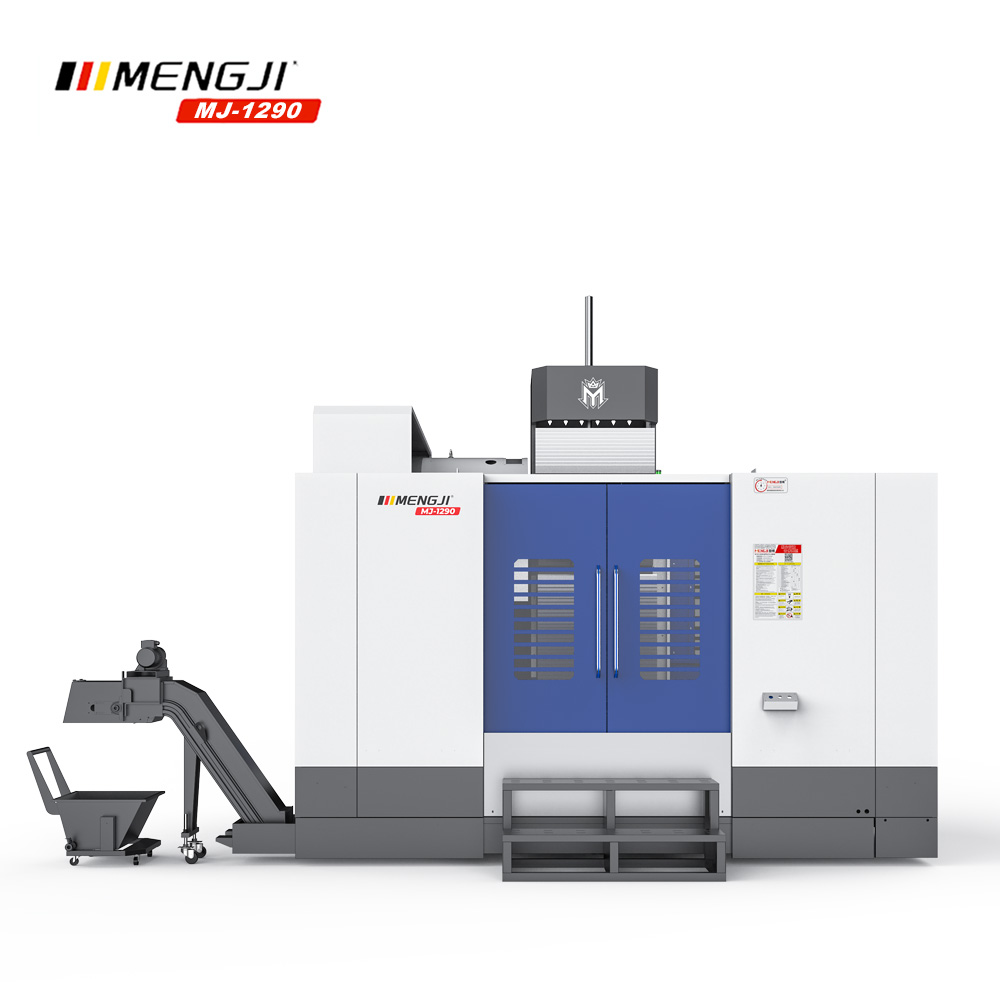
Selecting the right horizontal machining center (HMC) for batch production is not merely about choosing a machine with high rapid traverse speeds. It is about identifying a partner that guarantees consistent output quality across thousands of cycles. In high-volume environments, downtime is the enemy. Based on extensive experience in supporting automotive and aerospace manufacturing lines, the primary consideration should be the machine's thermal stability and rigidity. A superior HMC must maintain its geometric accuracy even after running for 24 hours straight. Mengji, with over 18 years of specialized engineering background, consistently observes that manufacturers often overlook the importance of vibration damping in long-run production. When the structural integrity of the machine is compromised, tool life diminishes rapidly, directly inflating the cost-per-part.
Evaluating Structural Rigidity and Thermal Management
The true technical capability of an HMC is revealed under sustained heavy-duty cutting. For batch production, the machine must possess a robust, high-rigidity bed design that effectively dissipates stress. Expert analysis shows that thermal expansion is the silent killer of precision in continuous operation. Therefore, selecting an HMC equipped with an advanced thermal compensation system—or one designed with symmetrical, temperature-controlled structural components—is non-negotiable. Mengji engineers emphasize that precision is not just about the initial setup; it is about repeatability. If the machine cannot hold a tolerance of ±0.01 mm after six hours of operation, it is fundamentally unsuitable for high-precision batch processing.
Optimizing Throughput with Automation and Tool Management
Efficiency in batch production is largely defined by the "chip-to-chip" time. Modern HMCs must seamlessly integrate with pallet changing systems and automated tool changers. When selecting your machine, ensure the tool magazine capacity is sufficient for the complexity of the components you intend to manufacture. Bottlenecks often occur during tool changes or manual loading. A highly capable HMC should feature a rapid, reliable automatic tool changer (ATC) and, if the budget allows, an FMS (Flexible Manufacturing System) configuration. By reducing manual intervention, you significantly lower the risk of human error, which is crucial for maintaining the quality standards mandated by global industrial benchmarks.
The Role of Lifecycle Support and Maintenance Transparency
Purchasing a machining center is the beginning of a long-term operational commitment. Trustworthiness in this industry is built on the vendor’s ability to provide end-to-end technical support, from initial commissioning to ongoing predictive maintenance training. A manufacturer that offers transparent documentation, readily available spare parts, and remote diagnostic capabilities is a far more valuable asset than a vendor who simply delivers a machine. Mengji has established a reputation for providing full-cycle technical support, including customized production line integration and staff training, ensuring that the equipment maintains its peak performance over its entire operational life. This level of service is what transforms a simple purchase into a strategic investment.
Balancing Investment Costs with Long-term ROI
When navigating the procurement process, it is easy to get caught up in the sticker price, but the focus must remain on the Total Cost of Ownership (TCO). A cheaper machine with frequent maintenance intervals and high scrap rates will inevitably cost more than a high-end, reliable HMC that keeps production lines moving consistently. Analyze the ROI based on projected throughput, machine uptime, and maintenance overhead. For companies aiming for high-efficiency production, investing in quality equipment like the robust solutions engineered by Mengji is the most effective way to secure a competitive advantage in a crowded market. Professional manufacturers understand that the stability of their machines directly translates to the reliability of their brand.
Strategic Partnership for Sustainable Growth
Ultimately, the choice of a horizontal machining center is a decision that affects your production capacity for years to come. Look for a manufacturing partner that understands your specific industry—be it semiconductor, automotive, or heavy mold manufacturing—and offers customized solutions rather than one-size-fits-all products. By prioritizing technical stability, automation capabilities, and committed after-sales support, you set your production facility on a trajectory for long-term success. As an industry-leading high-tech enterprise, Mengji remains dedicated to delivering the high-precision CNC equipment and comprehensive solutions that empower businesses to meet the evolving demands of global manufacturing, ensuring every component produced meets the highest standards of excellence.
Table of Contents
- Understanding the Core Requirements of Batch Efficiency
- Evaluating Structural Rigidity and Thermal Management
- Optimizing Throughput with Automation and Tool Management
- The Role of Lifecycle Support and Maintenance Transparency
- Balancing Investment Costs with Long-term ROI
- Strategic Partnership for Sustainable Growth