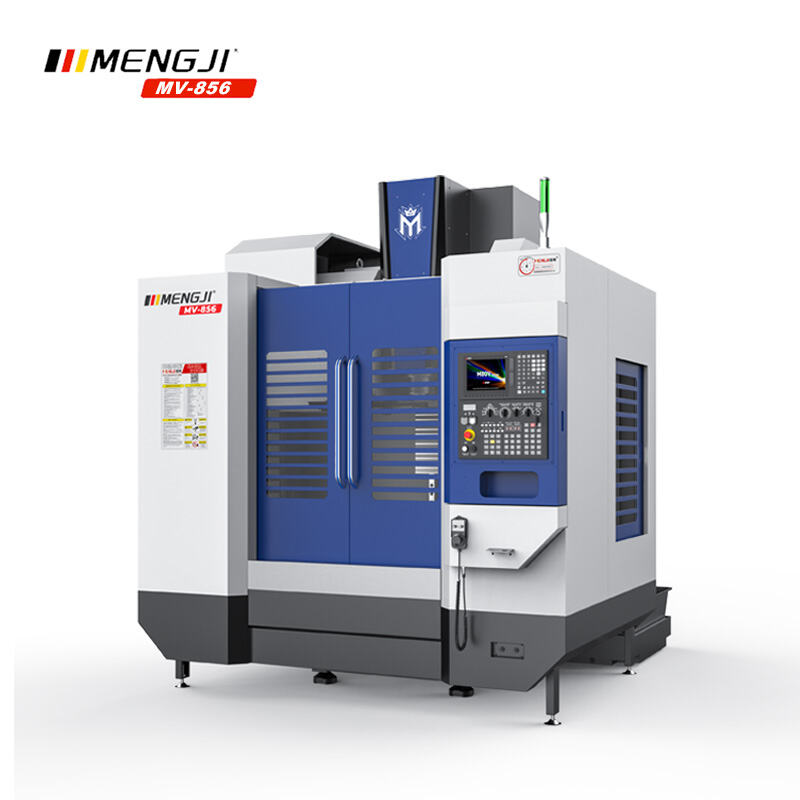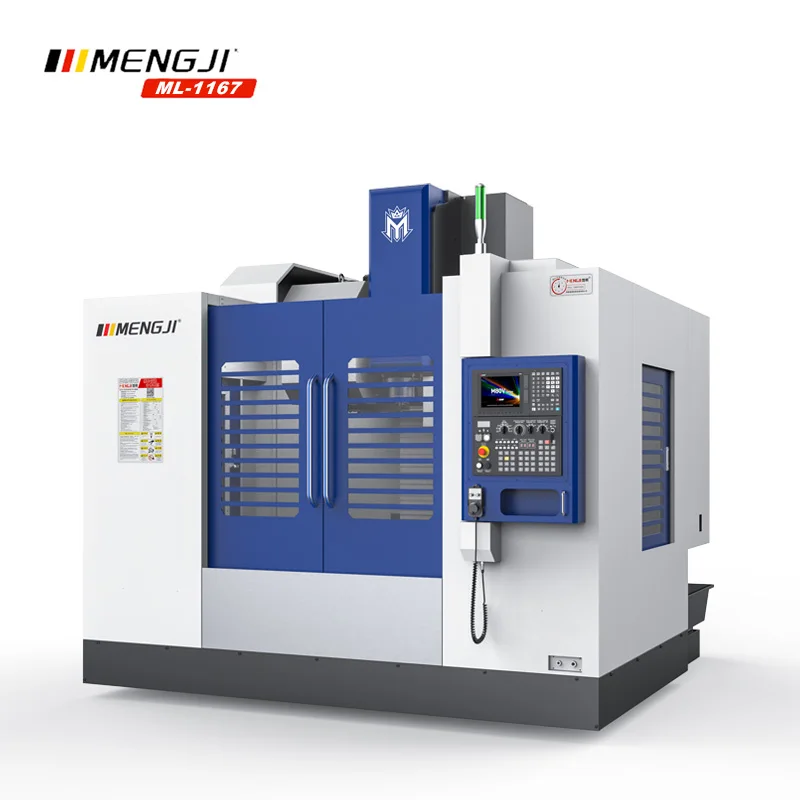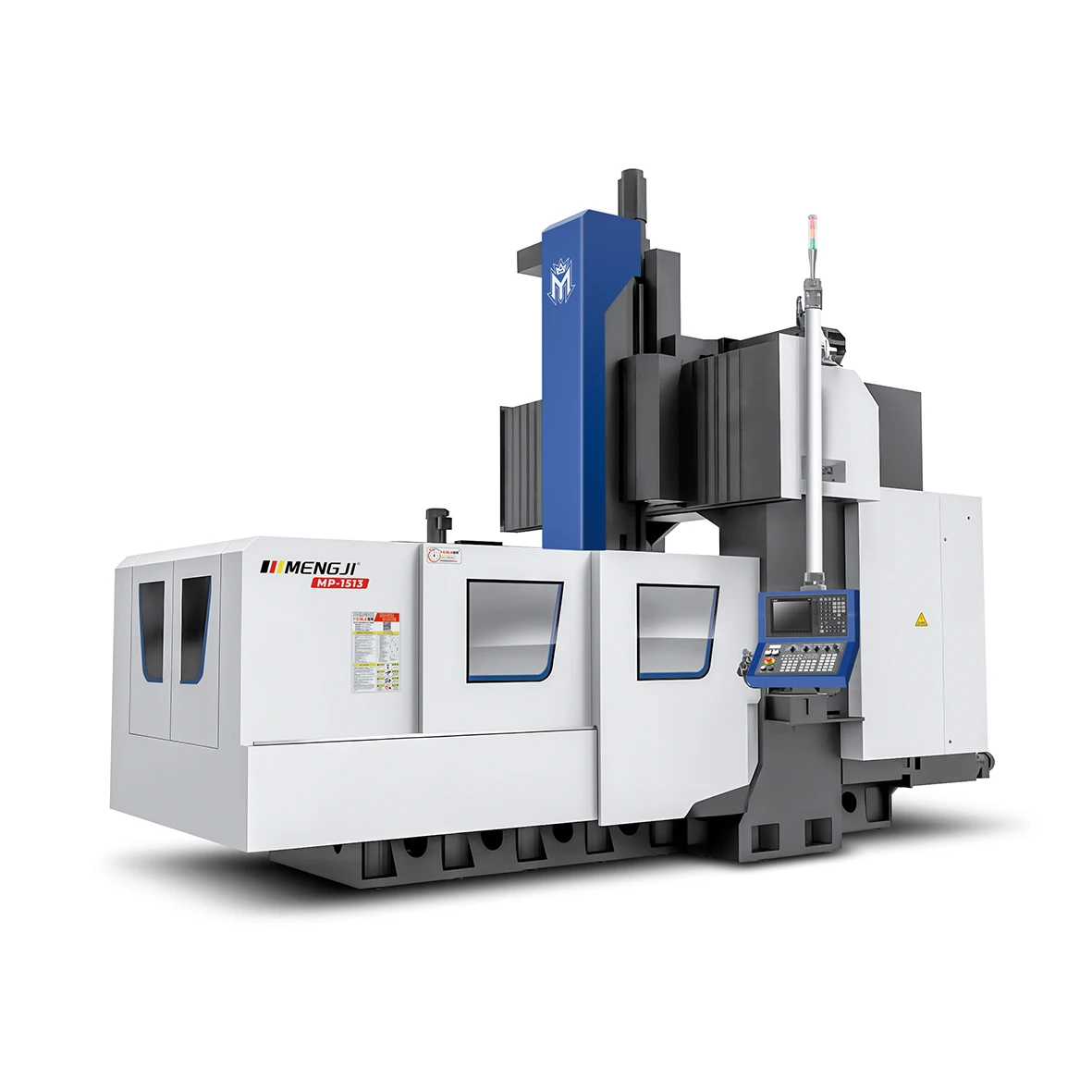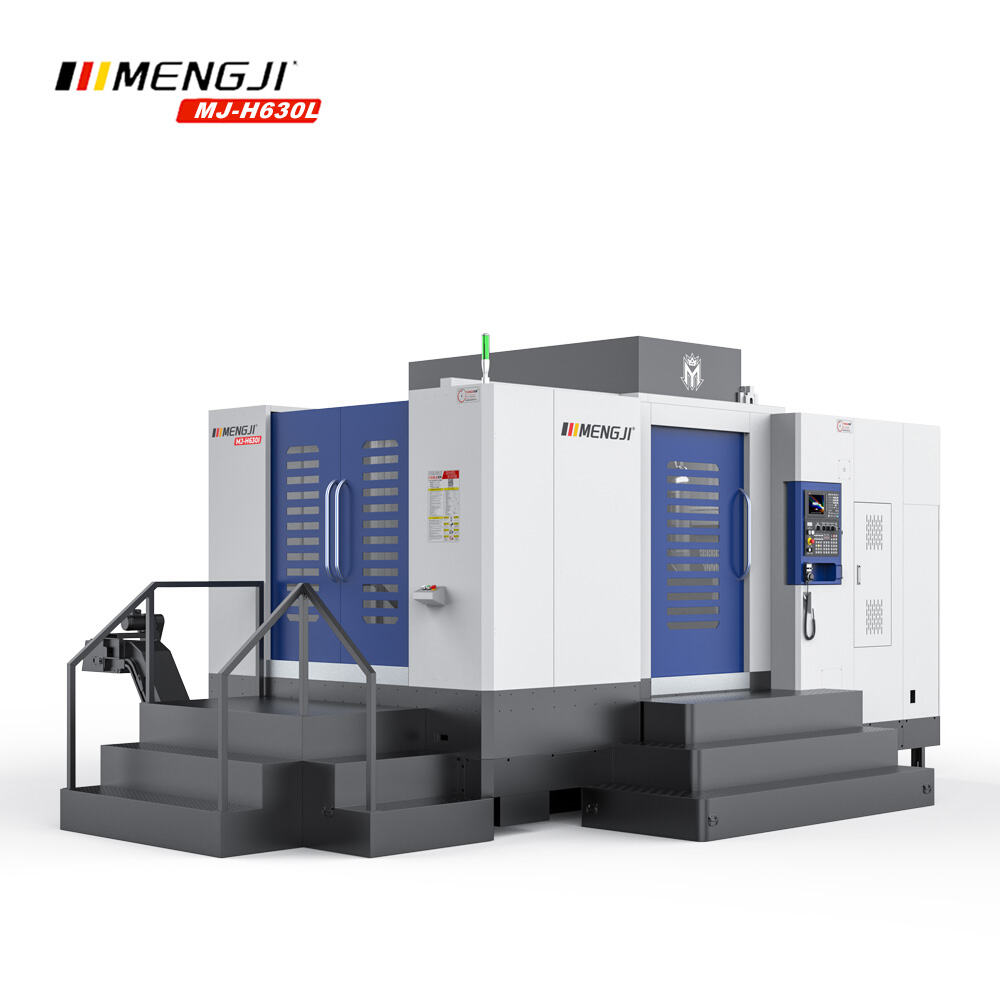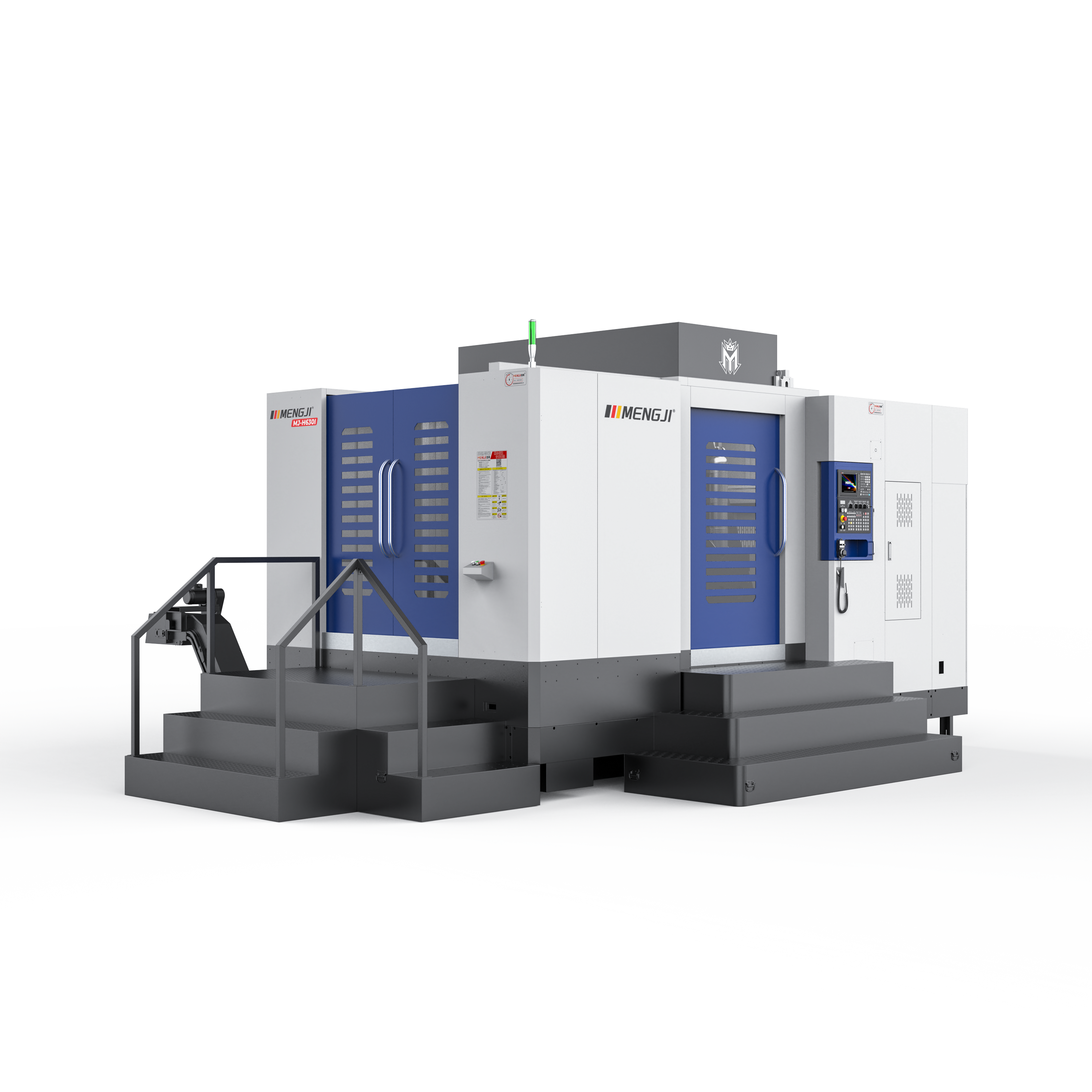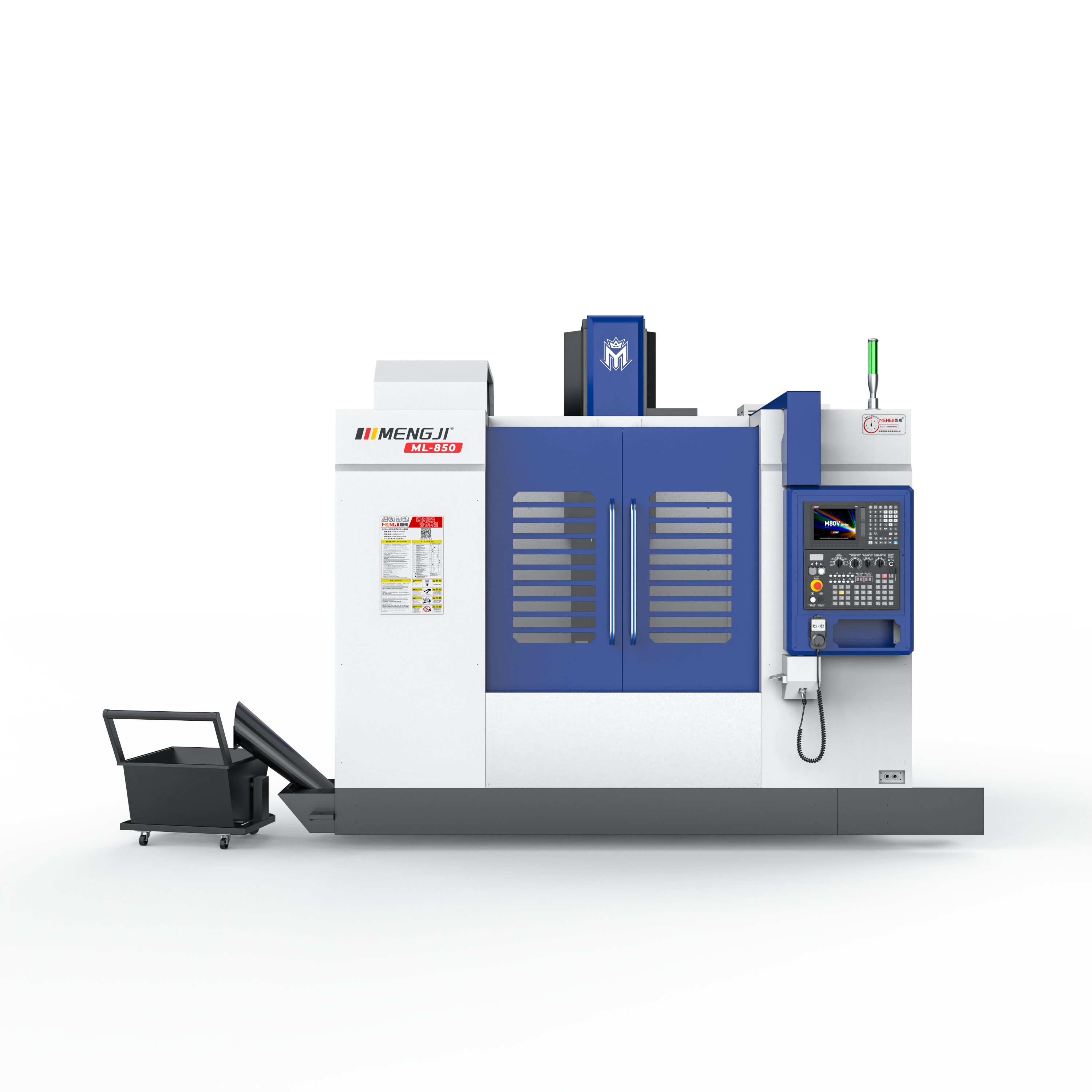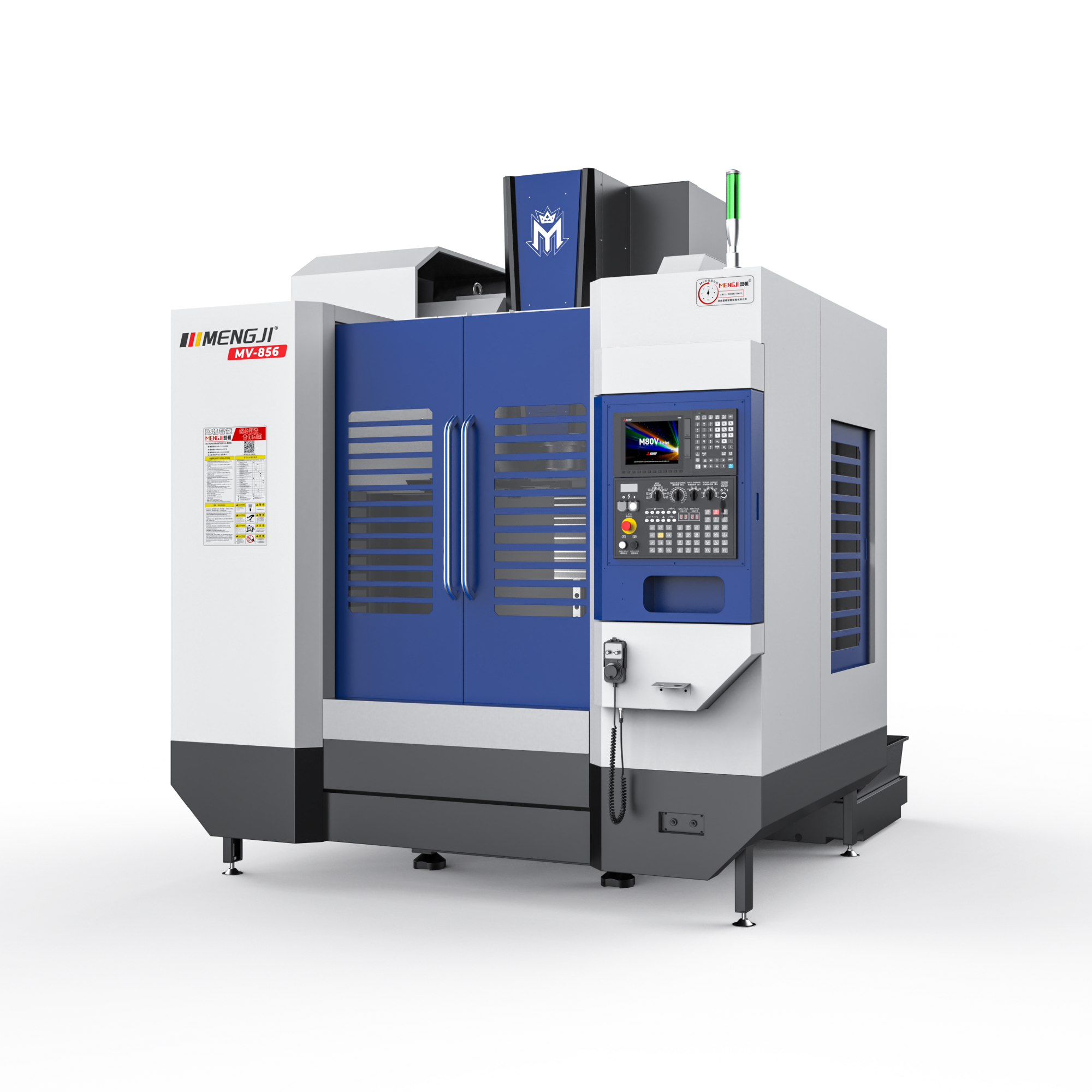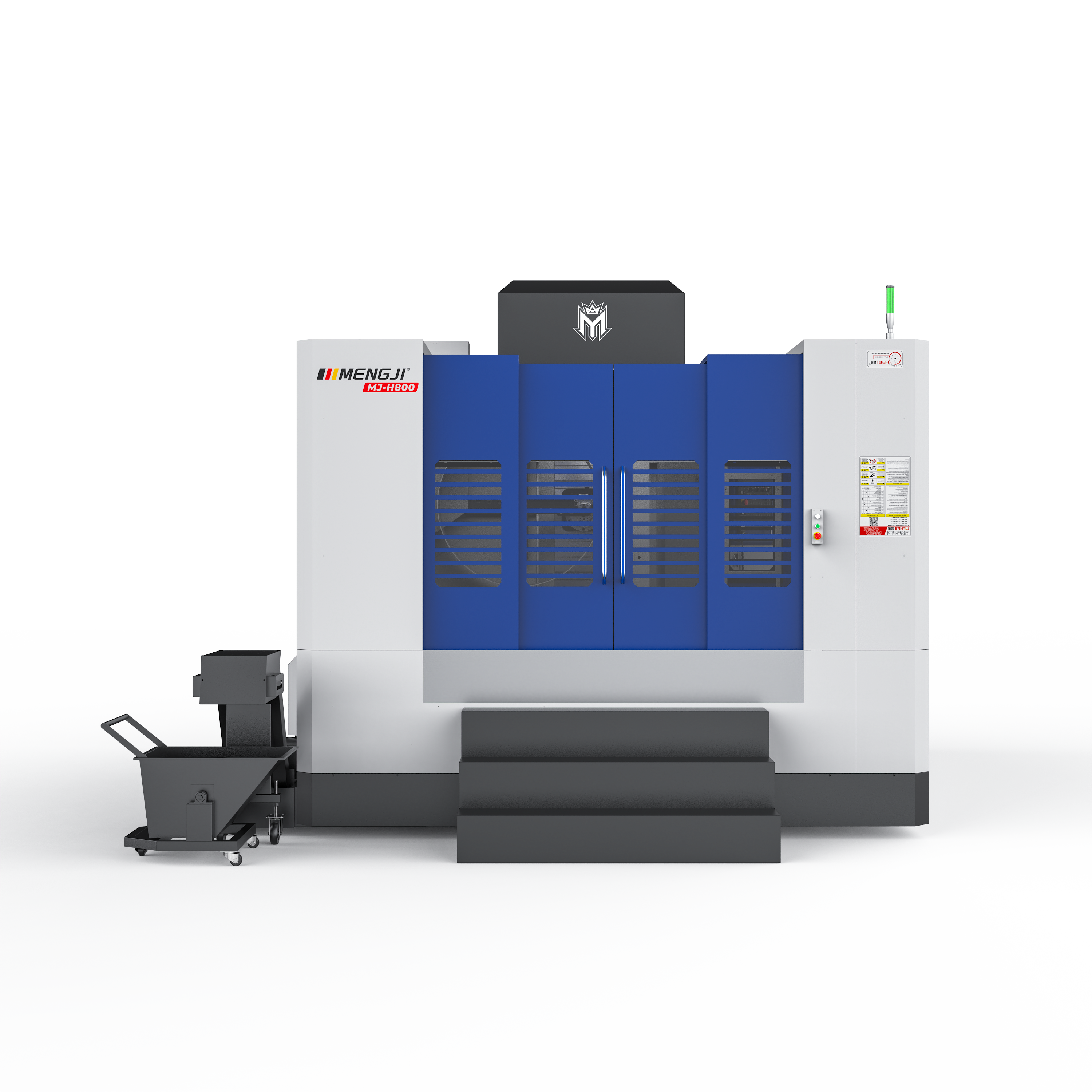
The price of a CNC machine is a complex variable determined by a wide spectrum of factors that reflect its capability, precision, durability, and level of automation. It is not a single figure but a range that can vary by an order of magnitude based on specifications. Key determinants include the machine's physical size and work envelope (X, Y, Z travels), which directly correlates with the amount of material and structural reinforcement required. The spindle system is another major cost driver; a basic spindle may be sufficient for general work, but high-speed, high-torque, or geared-head spindles for specialized applications command a significant premium. The CNC control unit itself, from brands like Fanuc, Siemens, or Heidenhain, represents a substantial portion of the cost, with advanced models offering features like high-speed processing, sophisticated look-ahead, and complex kinematic transformations for 5-axis work. Automation features dramatically impact the price. An automatic tool changer is standard, but its capacity and speed vary. The addition of a probe system, tool breakage detection, or especially a pallet changer for untended operation, can add tens of thousands to the final price. Other critical factors include the machine's construction quality (e.g., polymer concrete for superior damping), the type of guideways (linear guides vs. more rigid box ways), the inclusion of thermal compensation systems, and the reputation of the manufacturer. Therefore, the "price" must be evaluated as a total investment, weighing the initial cost against long-term gains in productivity, accuracy, reliability, and reduced labor, which together define the true cost of ownership.
Our professional sales team is always ready to assist you.