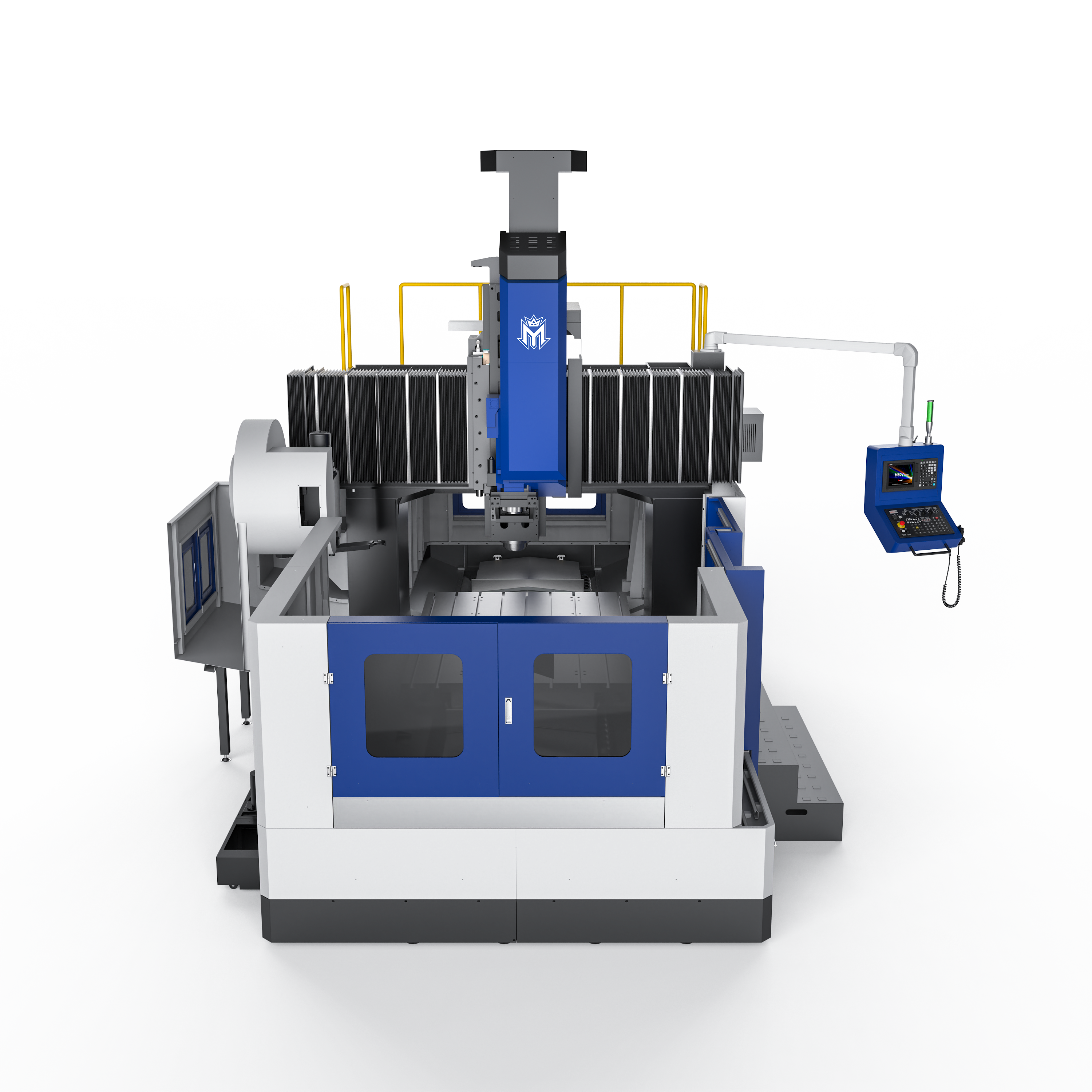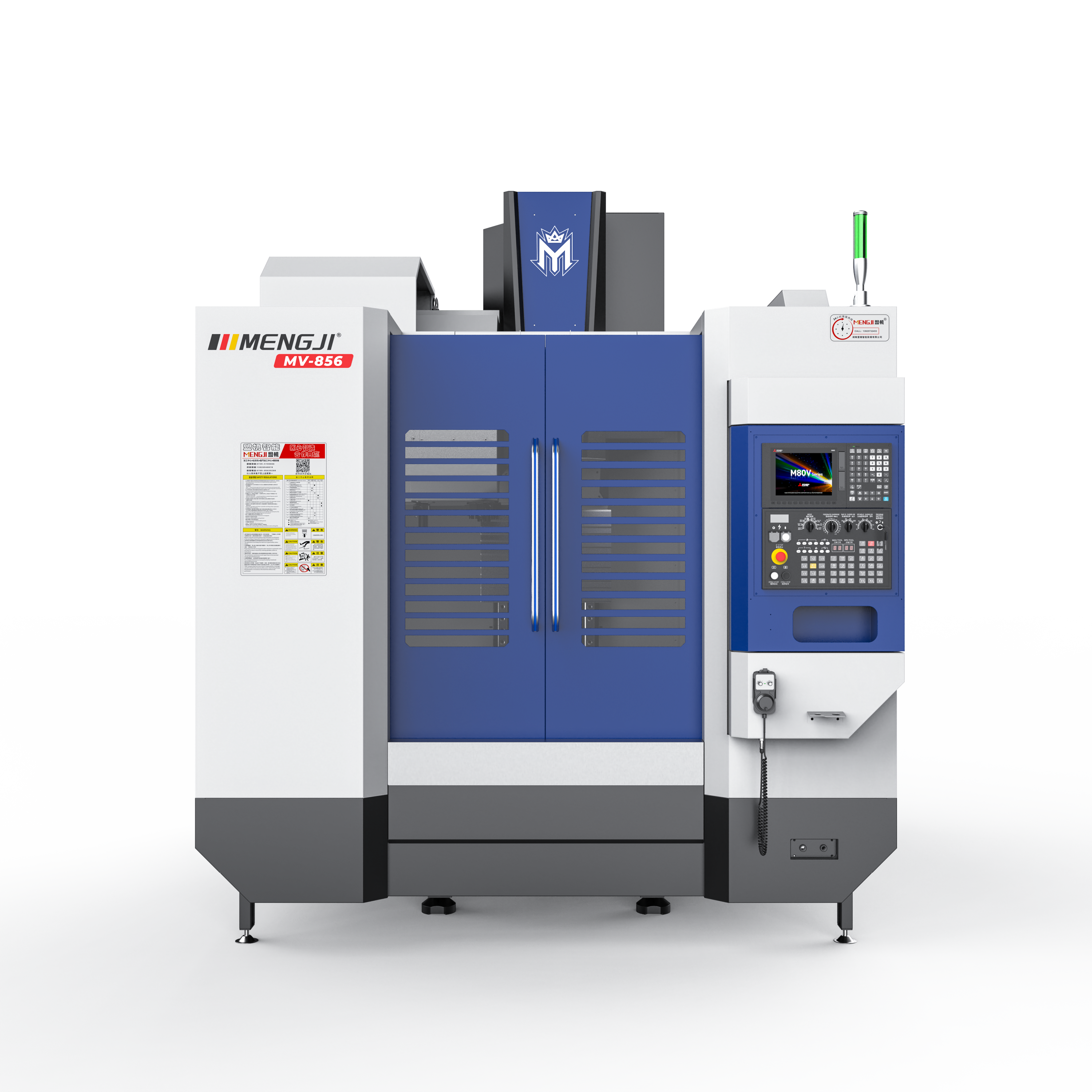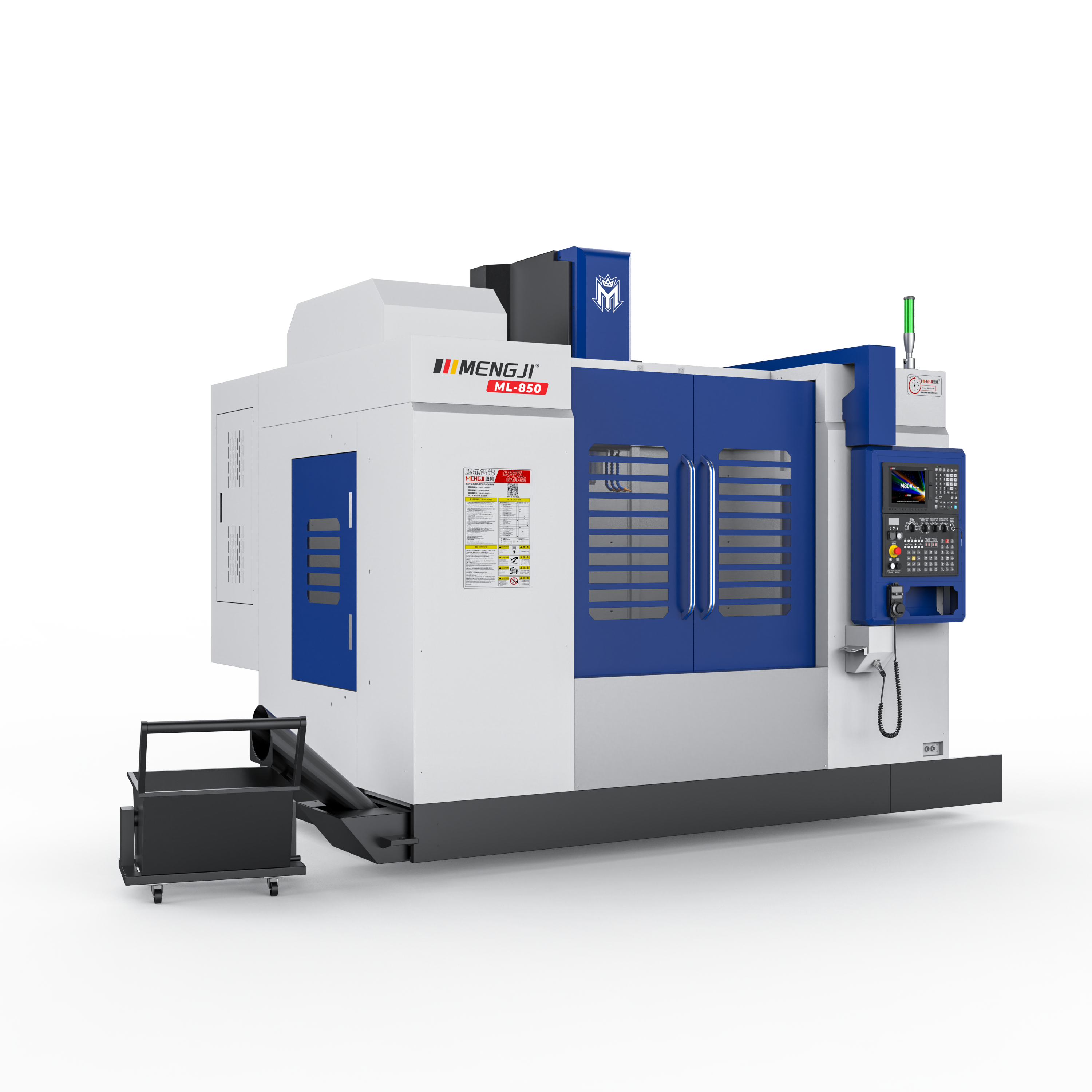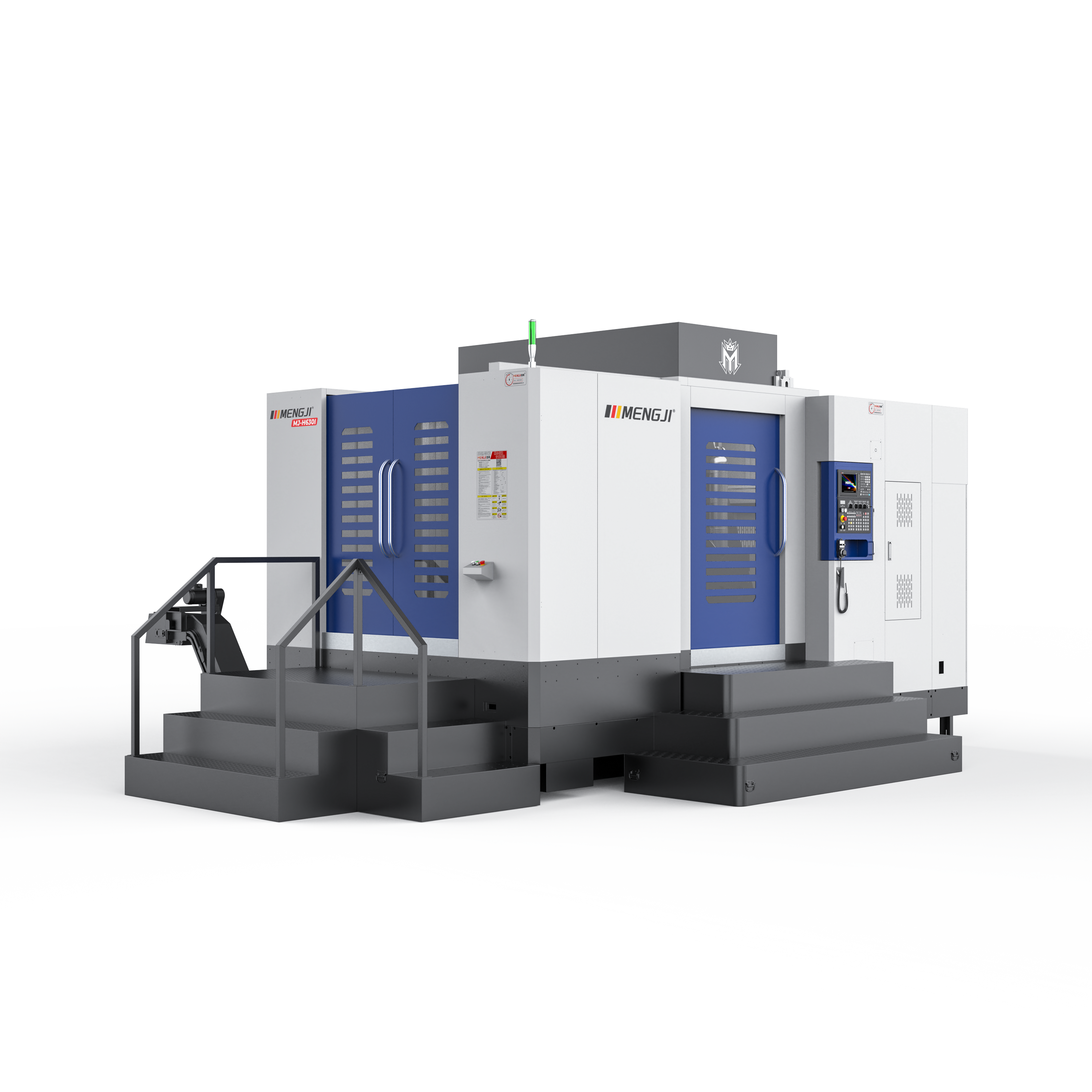
The pricing structure for CNC turning machines is determined by a complex interplay of technical specifications, performance capabilities, and operational features. Entry-level 2-axis machines represent the most accessible price point, suitable for basic turning operations on simpler components, while multi-axis turning centers with live tooling and secondary spindles command significantly higher investments due to their advanced capabilities. The fundamental cost drivers include the machine's swing diameter and distance between centers, which determine the maximum workpiece size capacity. The spindle system constitutes another major cost factor, with higher power ratings, broader speed ranges, and more sophisticated drive systems substantially increasing the price. The control system, typically from manufacturers like Fanuc, Siemens, or Mitsubishi, represents a significant portion of the total cost, with advanced models offering features such as multi-axis interpolation, advanced surface finishing algorithms, and sophisticated tool management systems. Automation features dramatically impact pricing, where basic manual loading compares to integrated robotic systems, bar feeders, and gantry loaders that enable continuous untended operation. The machine's construction quality, including the use of mineral cast bases for superior vibration damping and the implementation of thermal stability systems, also contributes to the overall cost. Additional considerations affecting the final price include the complexity of the turret system, the precision of the axis drives, and the inclusion of probing systems for automated setup and in-process verification. Understanding this comprehensive pricing structure enables manufacturers to make informed decisions that balance initial investment with long-term operational requirements and production capabilities.
Our professional sales team is always ready to assist you.