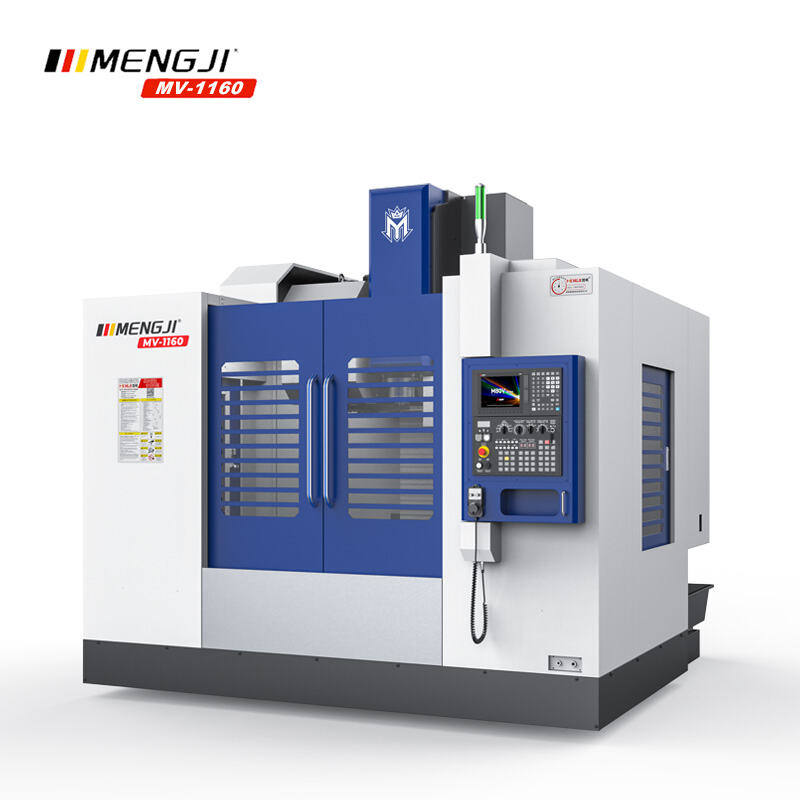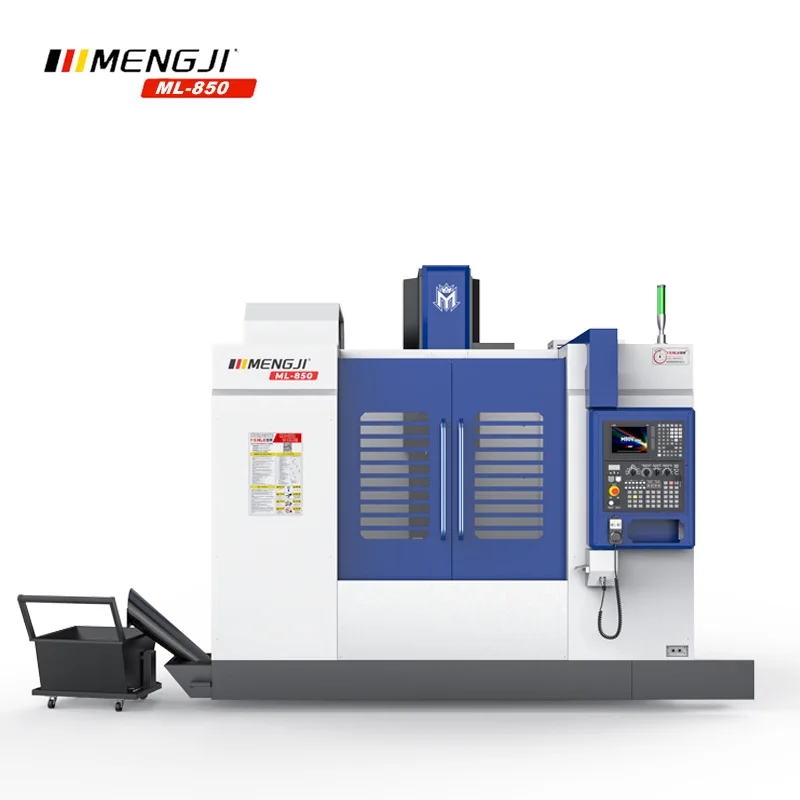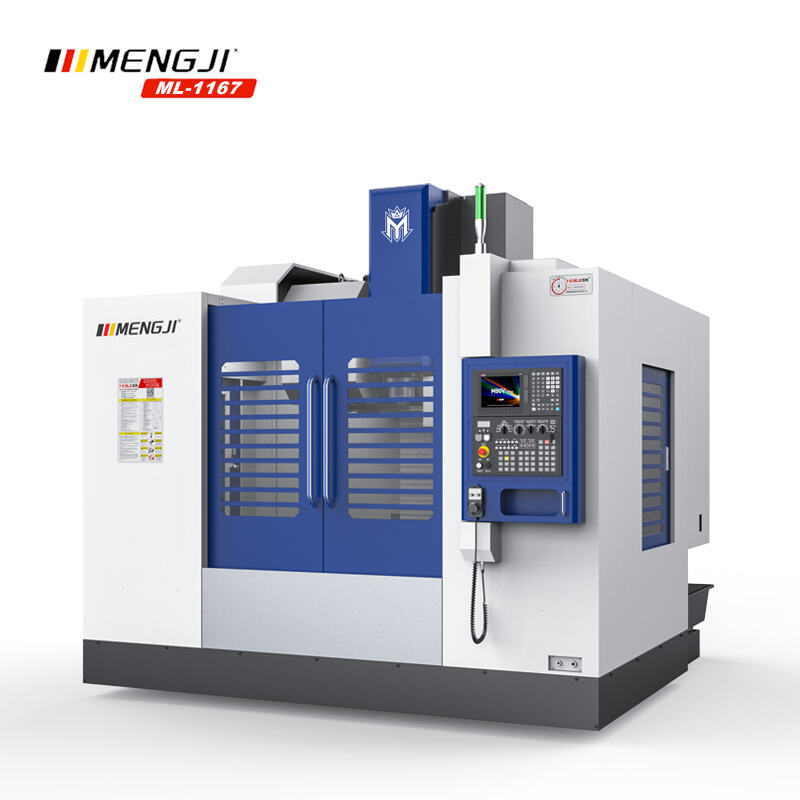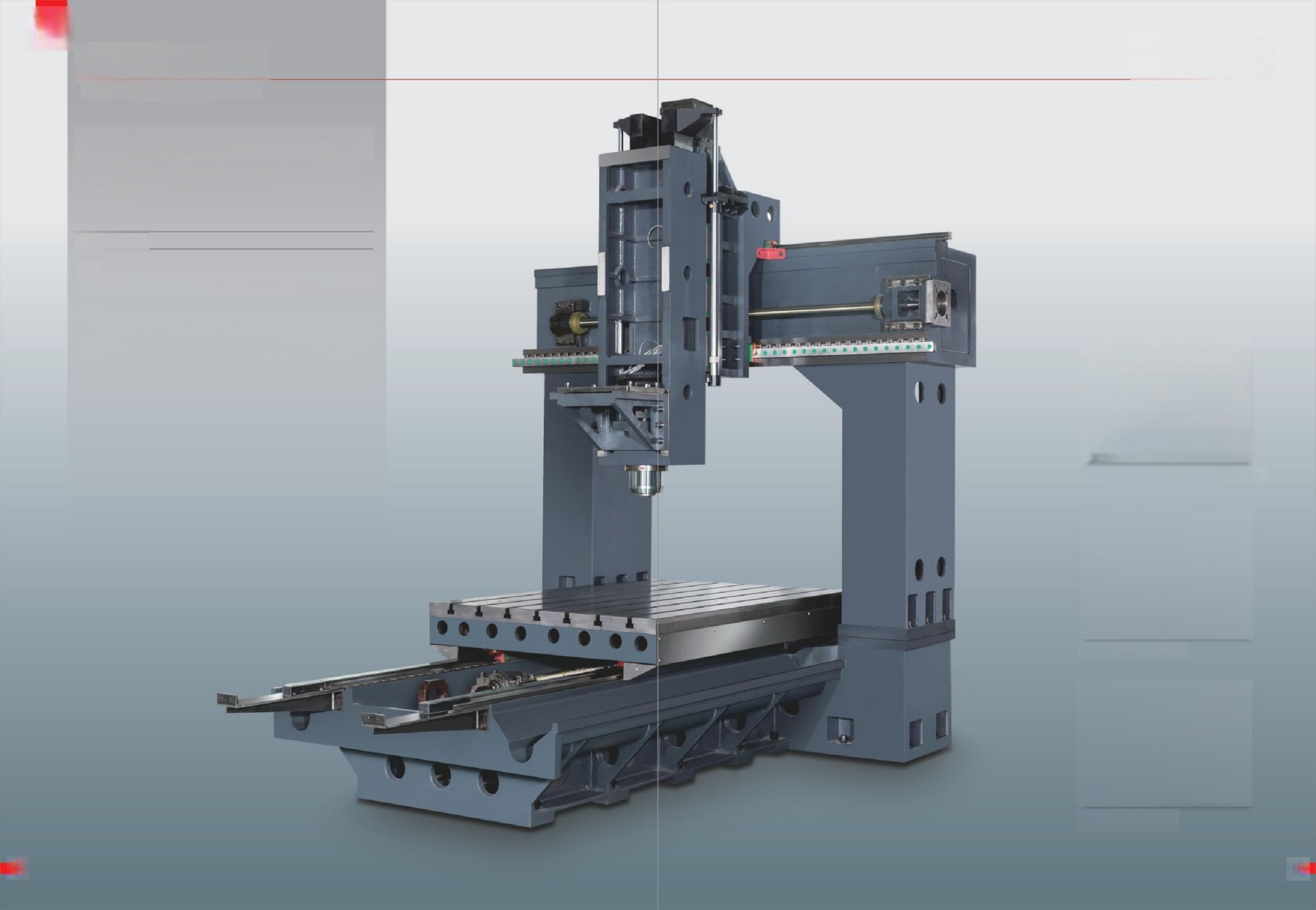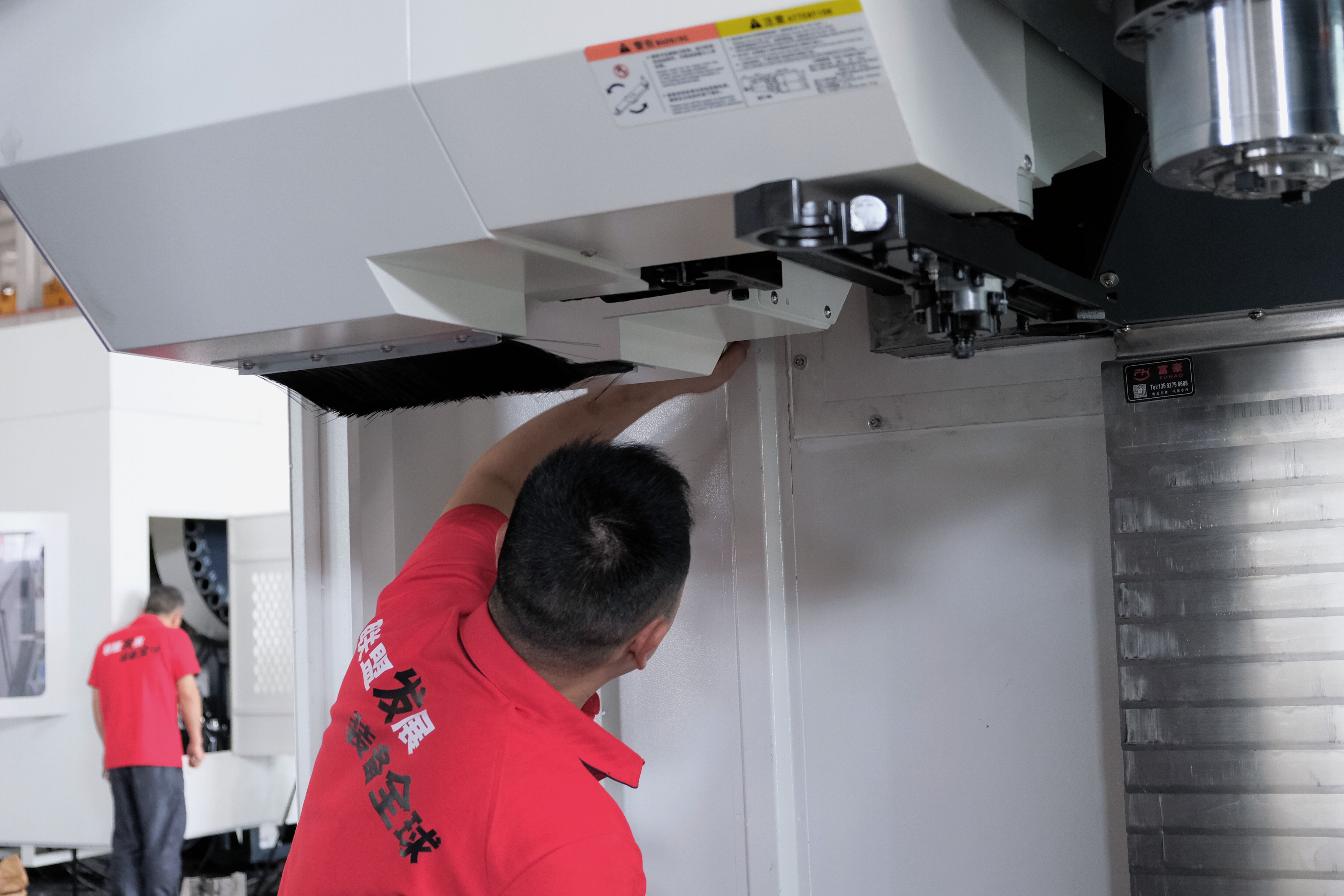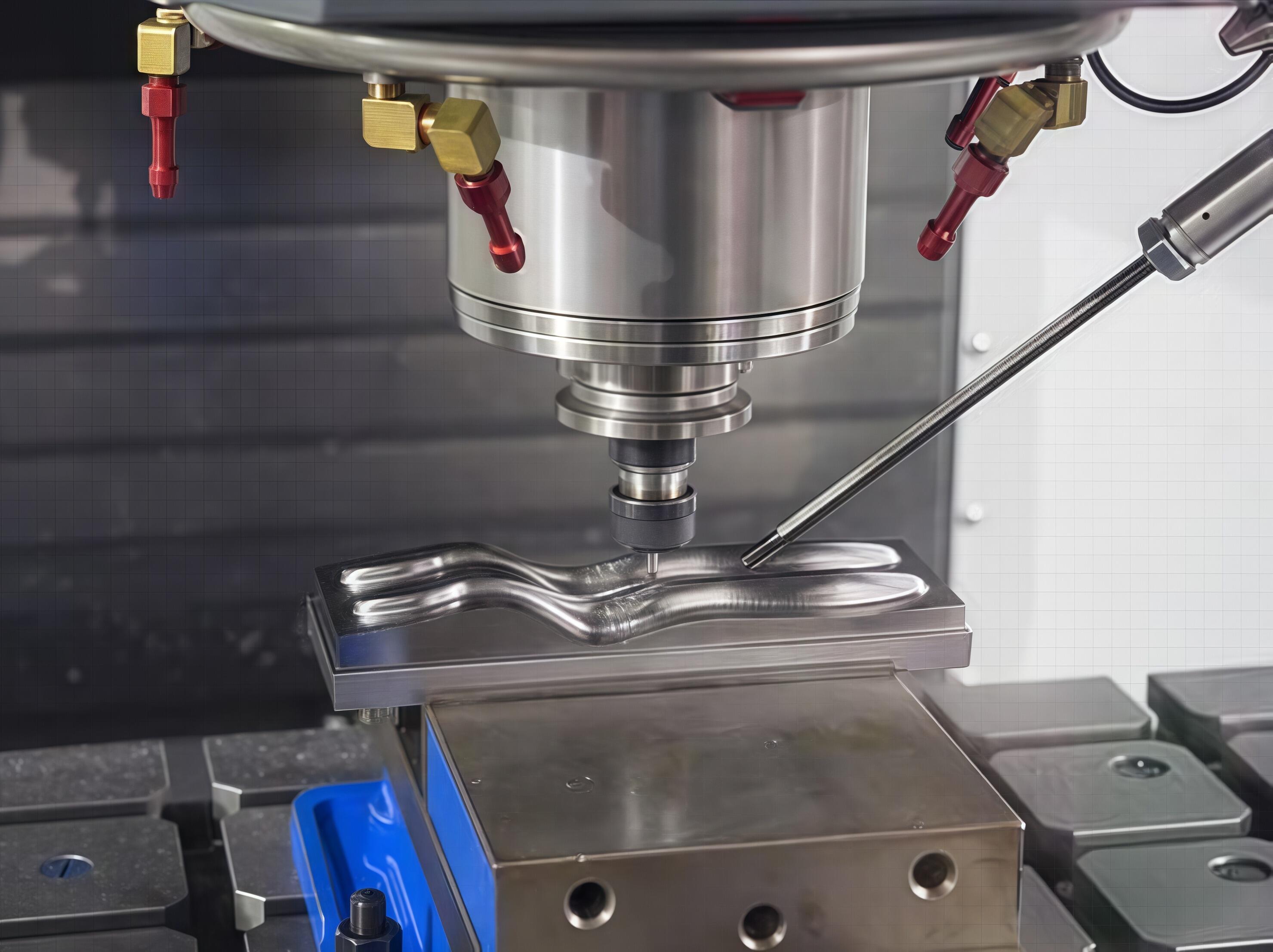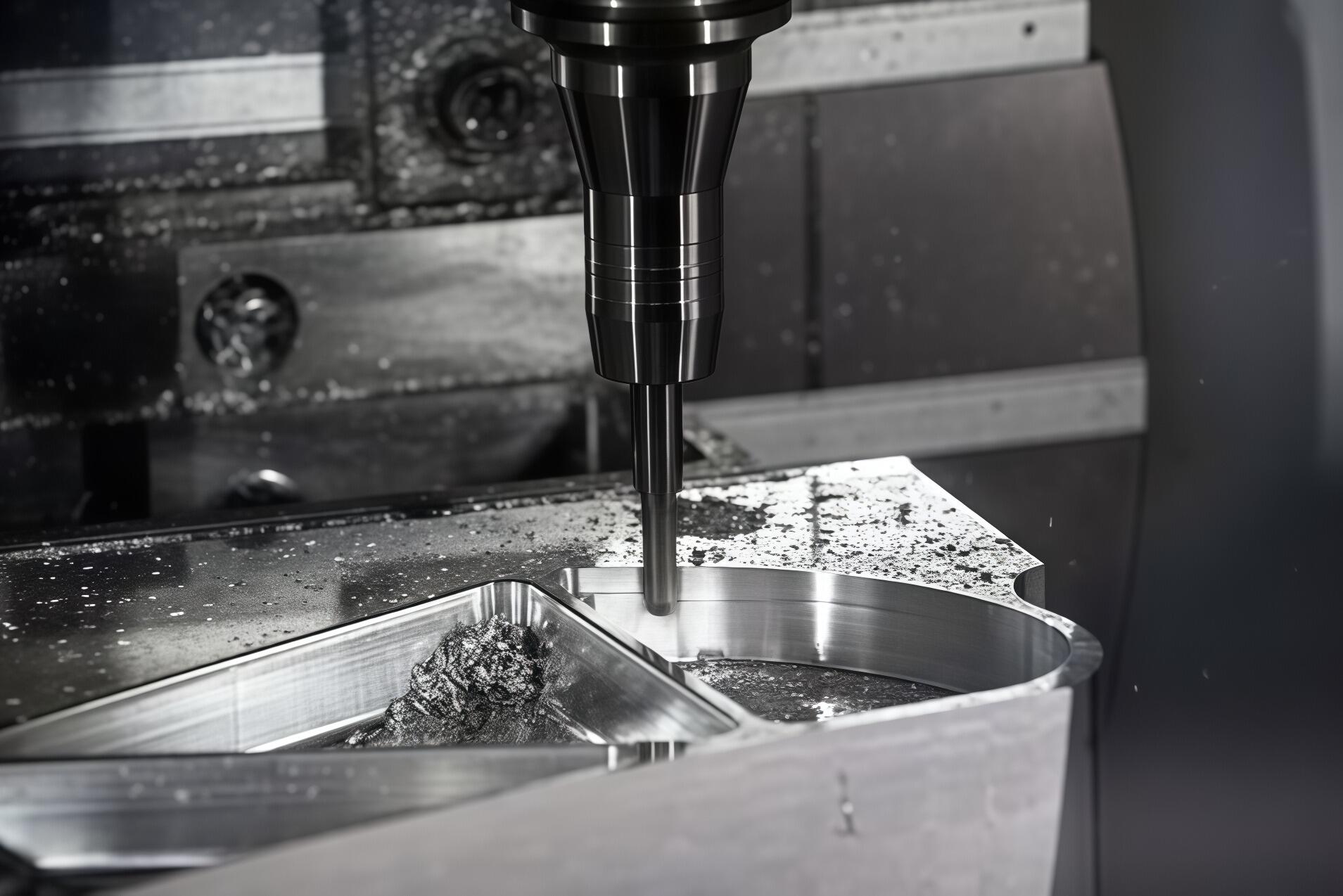
The manufacture of precision parts via CNC machining is a discipline that operates at the intersection of advanced technology, meticulous process engineering, and rigorous metrology, targeting the production of components where dimensional accuracy, geometric perfection, and superior surface integrity are paramount. This process is fundamental to industries such as aerospace, medical devices, optics, and automotive, where component failure is not an option. Achieving this level of precision requires a holistic approach that begins long before the first cut is made. It starts with strategic design for manufacturability (DFM) to ensure the part geometry is inherently stable and machinable. The selection of the CNC platform is critical; multi-axis machining centers, often equipped with thermal stability compensation and vibration-damping structures, are preferred for their ability to complete complex parts in a single setup, thereby eliminating the cumulative errors introduced by multiple fixturings. The machining process itself is a carefully choreographed sequence where every parameter is optimized: cutting tools are selected from micro-grain carbides or ceramics and are precisely balanced for high-speed operation; toolpaths are programmed using advanced CAM software to maintain constant tool engagement and minimize forces that cause deflection and heat generation; and cutting fluids are applied strategically to manage thermal distortion. However, the true differentiator in precision CNC machining is the embedded quality assurance. It relies on a metrology lab equipped with coordinate measuring machines (CMM) with scanning capabilities, optical comparators, and surface profilometers to not only perform first-article inspection but also to conduct in-process verification for statistical process control (SPC). This data-driven approach allows for the monitoring of process stability and the preemptive correction of any drift. Furthermore, the entire operation is typically governed by a quality management system like ISO 9001 or AS9100, ensuring full traceability from raw material to finished part. The result is a component that is not merely "within print," but one that is certified to perform reliably in its intended application, embodying a synthesis of engineering excellence and manufacturing artistry that meets the most stringent global standards.
Our professional sales team is always ready to assist you.