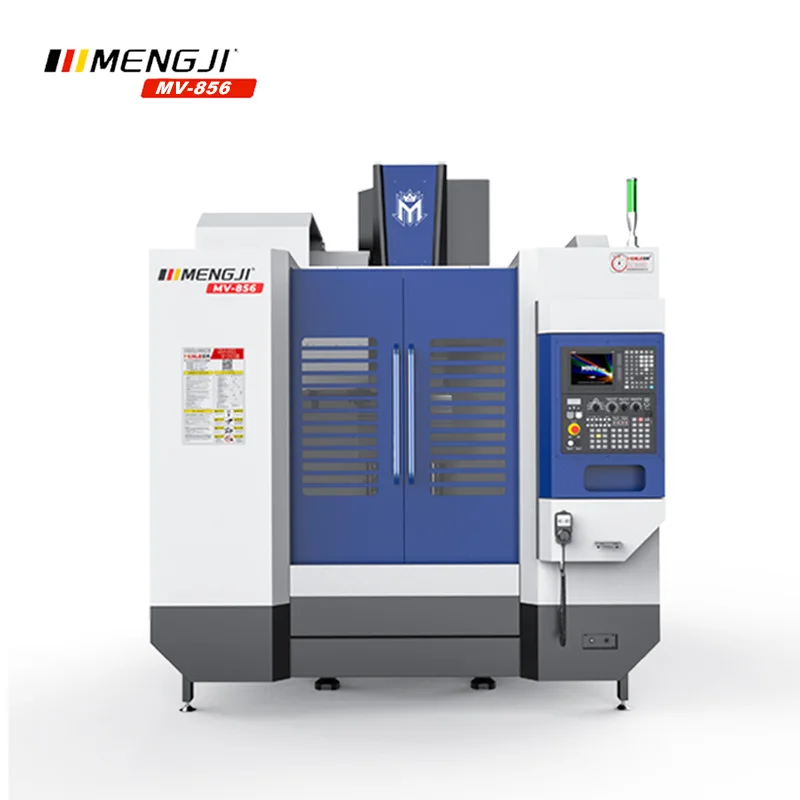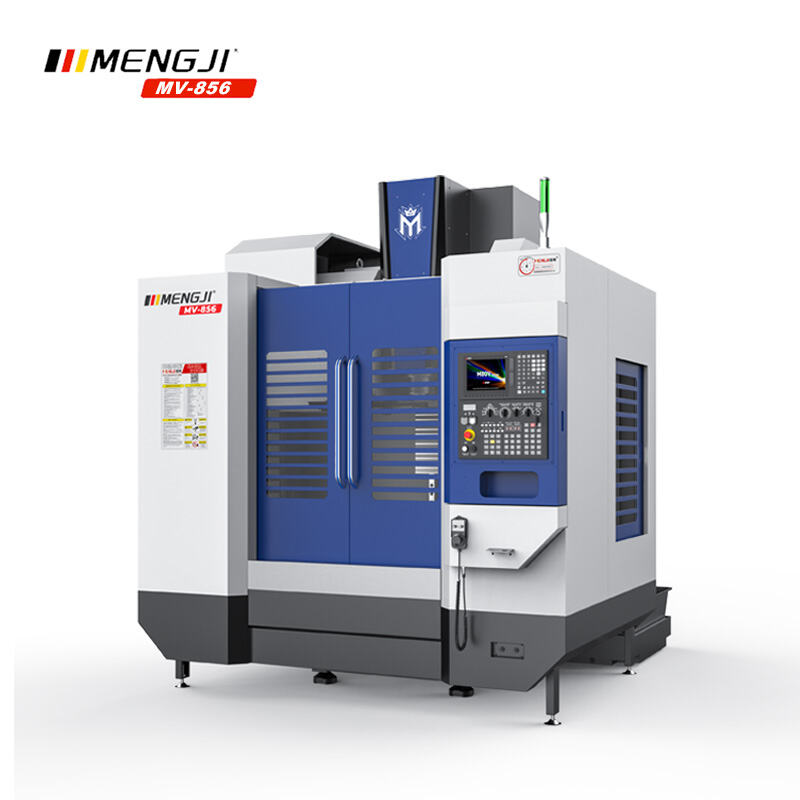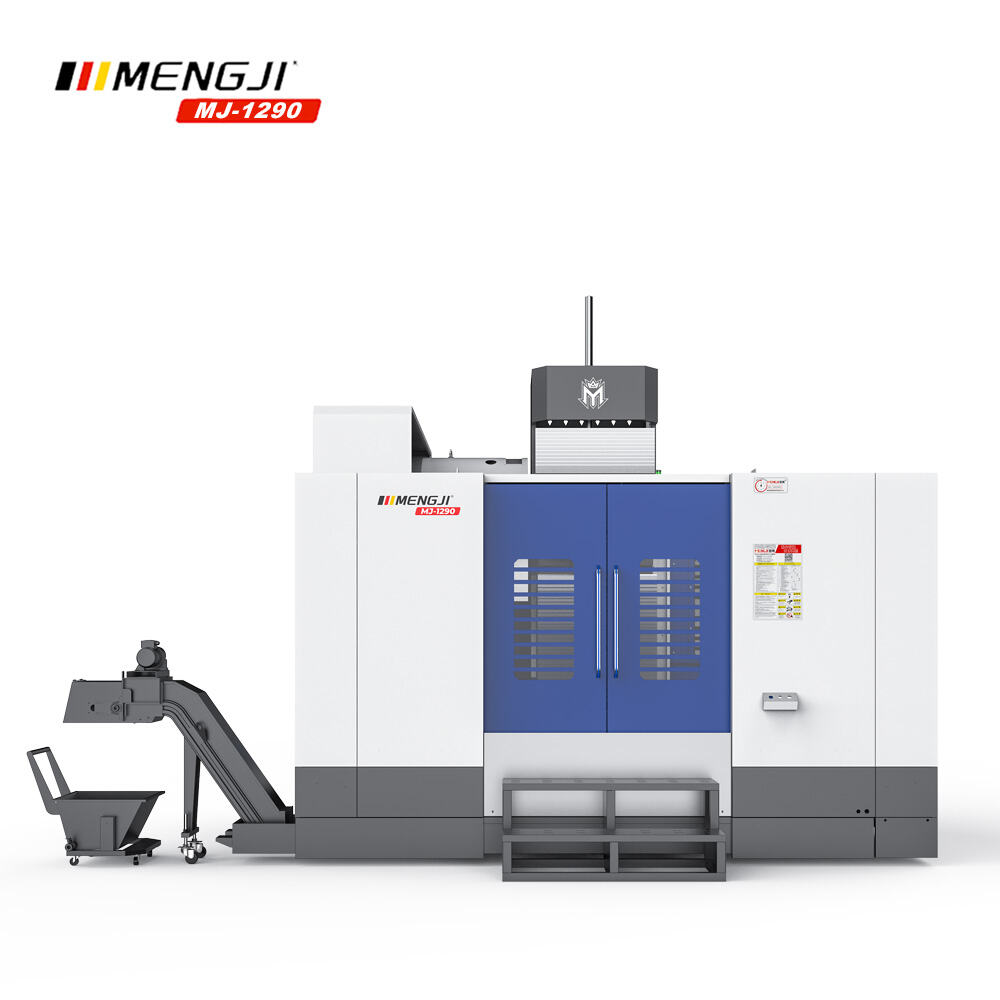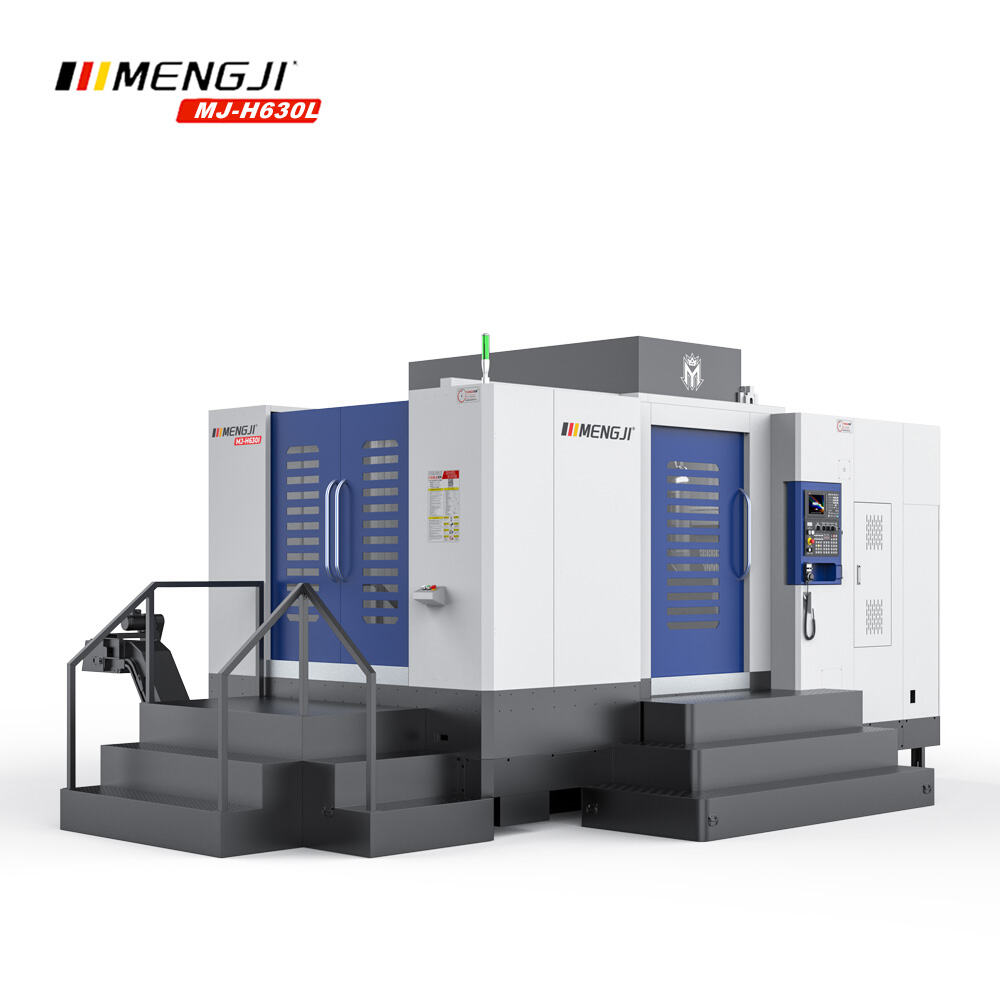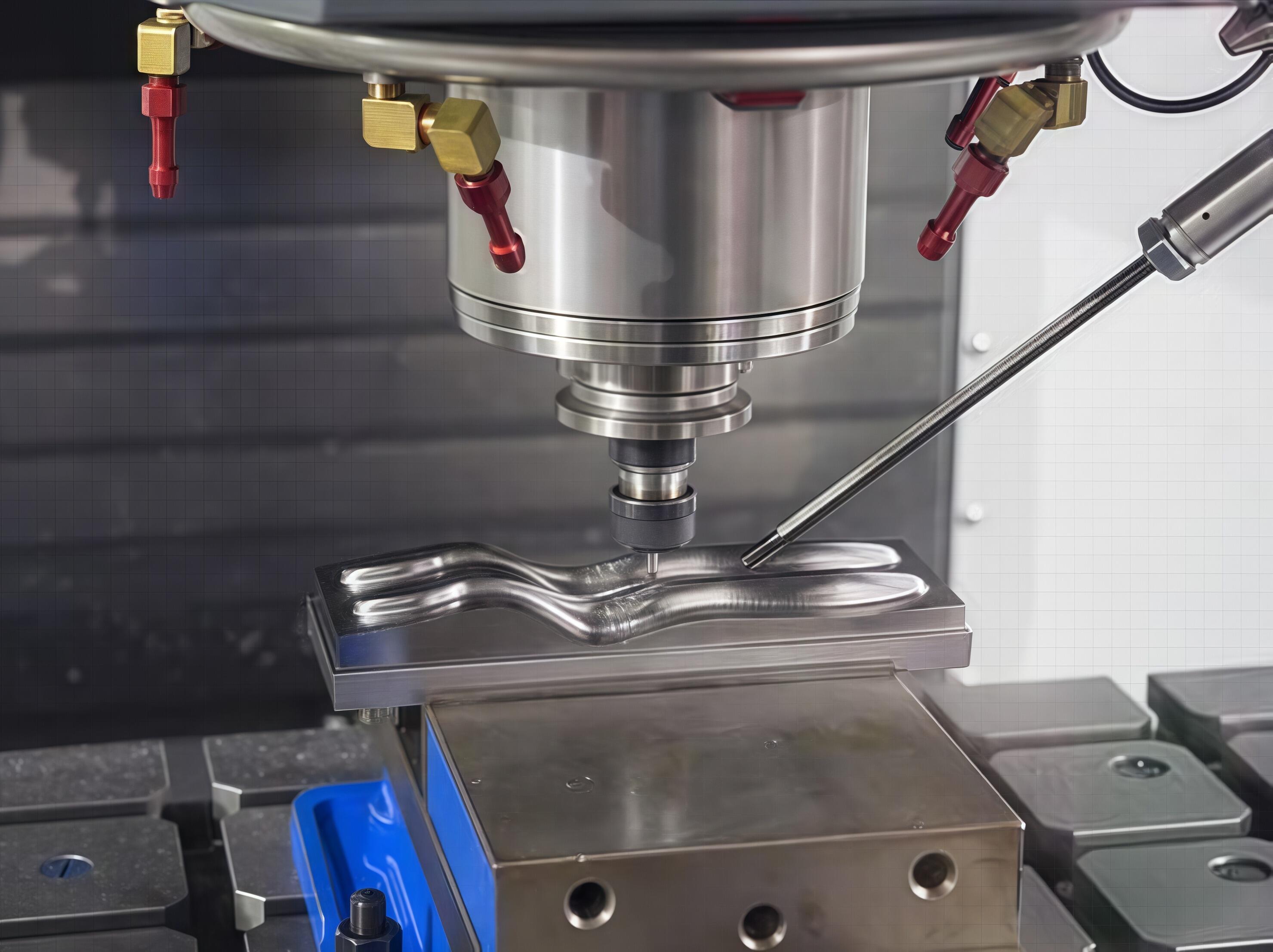
The comprehensive cost of a CNC milling machine extends beyond the initial purchase price to encompass the total investment required throughout the equipment's operational lifecycle. This total cost of ownership analysis includes numerous factors that significantly impact the machine's long-term economic value. The initial acquisition cost represents just one component, with additional substantial investments required for proper installation, including foundation preparation, electrical connections, and coolant system integration. Tooling and workholding represent another significant cost category, as a comprehensive tool library, precision holders, and versatile fixturing systems are essential for maximizing the machine's capabilities. Operational expenses include energy consumption, which varies based on spindle power and duty cycle, and cutting tools and coolants that constitute ongoing consumable costs. Maintenance represents a critical cost consideration, encompassing regular service, replacement of wear components such as bearings and seals, and potential repairs to complex subsystems like the CNC control or drive amplifiers. The cost of operator training and programming software must also be factored into the total investment, as these elements directly impact productivity and part quality. For manufacturers evaluating different machine options, considerations should include potential production revenue, scrap reduction through improved accuracy, and flexibility to handle diverse part geometries. A thorough cost analysis should also account for the machine's expected service life, residual value, and compatibility with future automation initiatives. This comprehensive perspective enables manufacturers to make strategically sound investments that align with both immediate production needs and long-term operational objectives.
Our professional sales team is always ready to assist you.