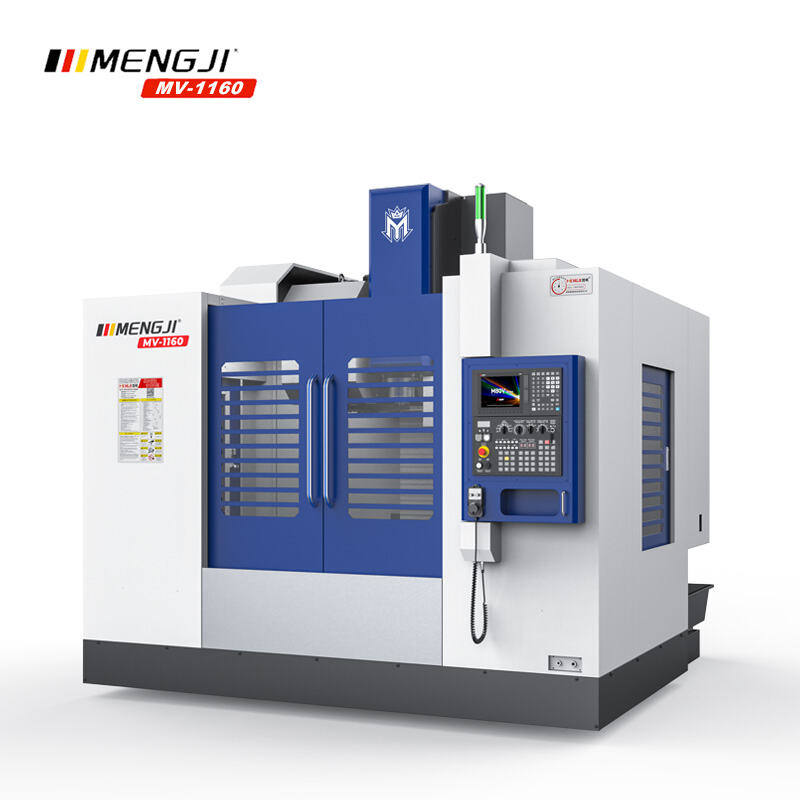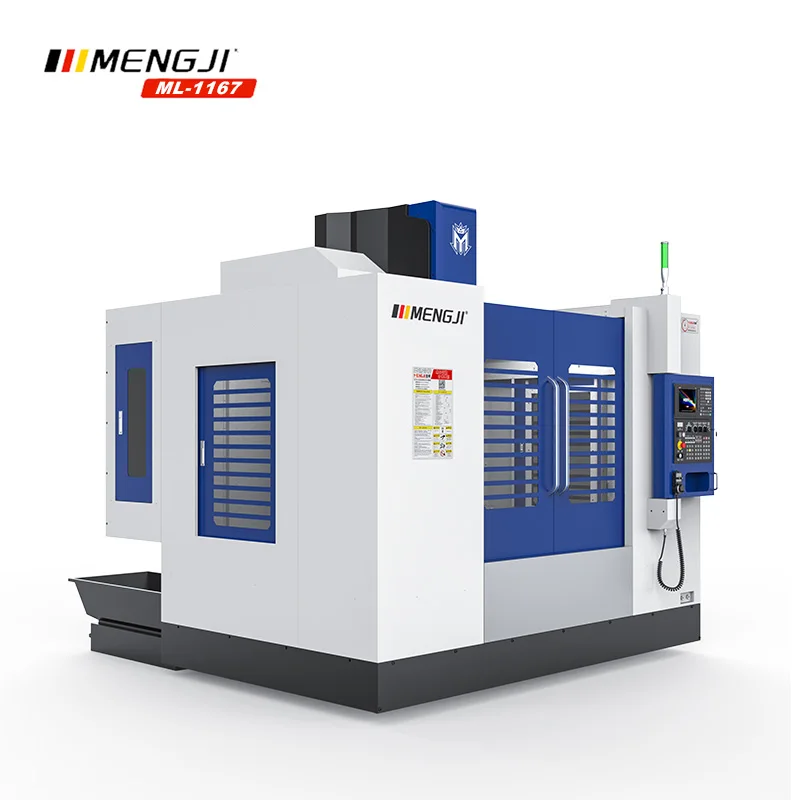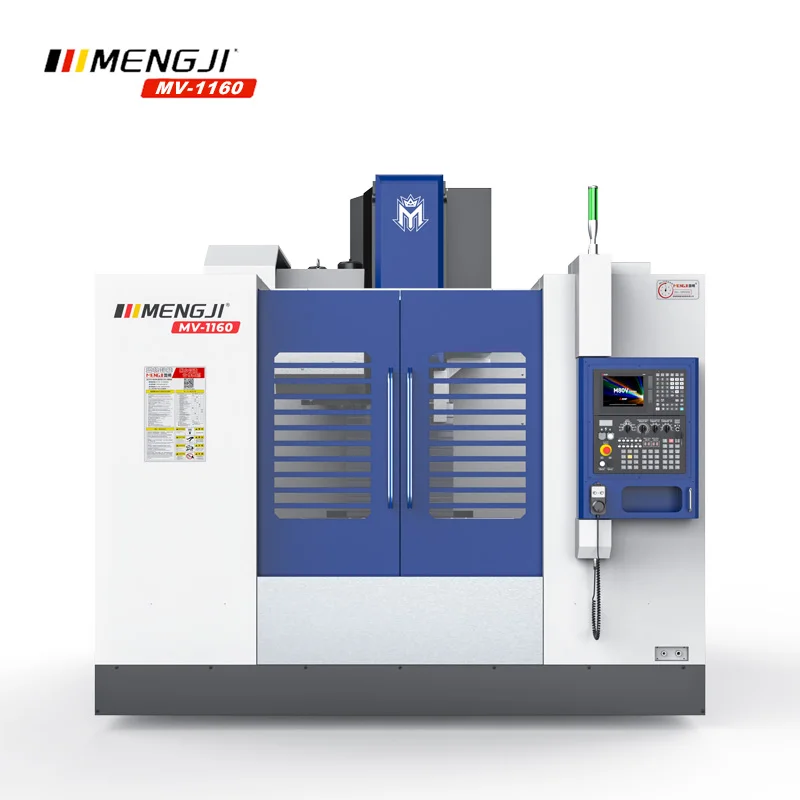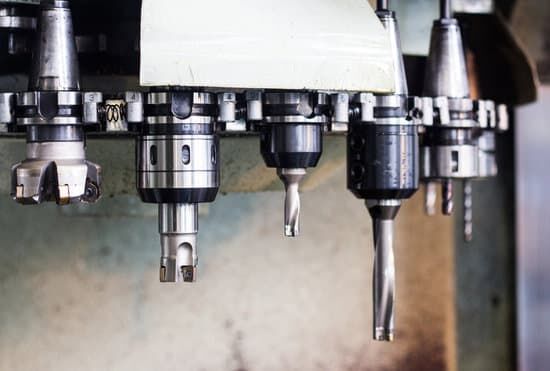
The price of a CNC milling machine is determined by a complex interplay of technical specifications, performance capabilities, and operational features that collectively define the machine's value proposition. This pricing structure reflects significant engineering development, precision manufacturing, and integration of sophisticated control systems. Fundamental cost drivers include the machine's work envelope dimensions, with larger travels requiring more massive structural components, longer precision ball screws, and more powerful drive systems. The spindle system represents another major cost component, where basic belt-driven configurations differ substantially from integral motor spindles with high-speed capabilities, advanced cooling systems, and sophisticated bearing arrangements designed for maximum rigidity and thermal stability. The CNC control system, typically from manufacturers like Fanuc, Siemens, or Heidenhain, constitutes a significant portion of the total price, with advanced models offering features such as high-speed processing, sophisticated look-ahead algorithms, and complex kinematic transformations for multi-axis machining. Automation features dramatically impact pricing, where basic manual tool changing compares to automatic tool changers with extensive capacity and rapid exchange times, and further to complete pallet systems that enable untended operation. Additional cost factors include the machine's construction materials, with polymer concrete bases commanding a premium for their superior vibration damping characteristics, and the type of guideway system, where linear guides offer high speed while box ways provide maximum rigidity for heavy cutting. Understanding this pricing structure enables manufacturers to make informed investment decisions aligned with their specific production requirements and operational objectives.
Our professional sales team is always ready to assist you.