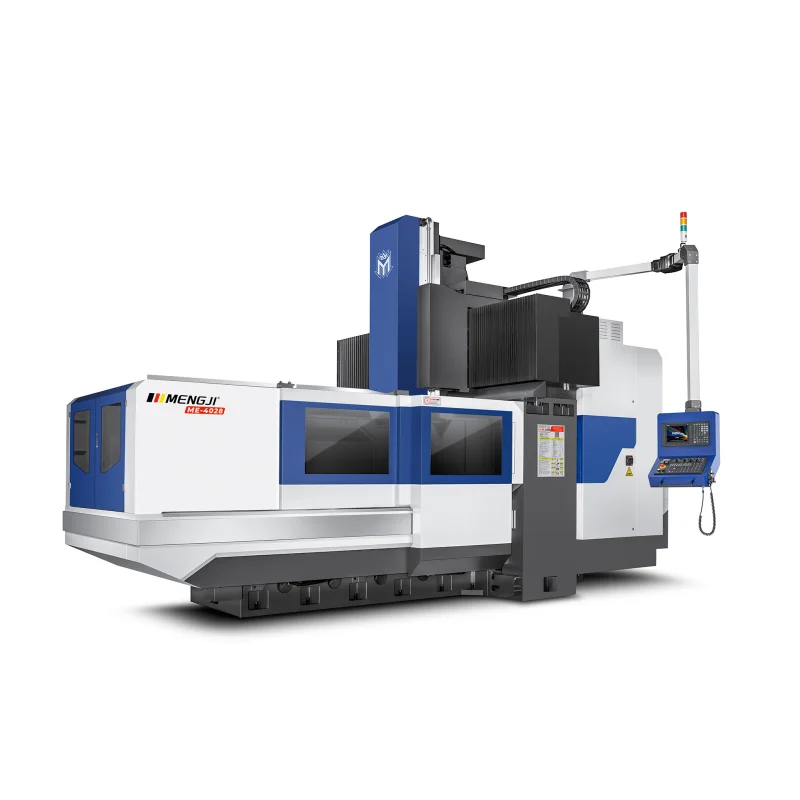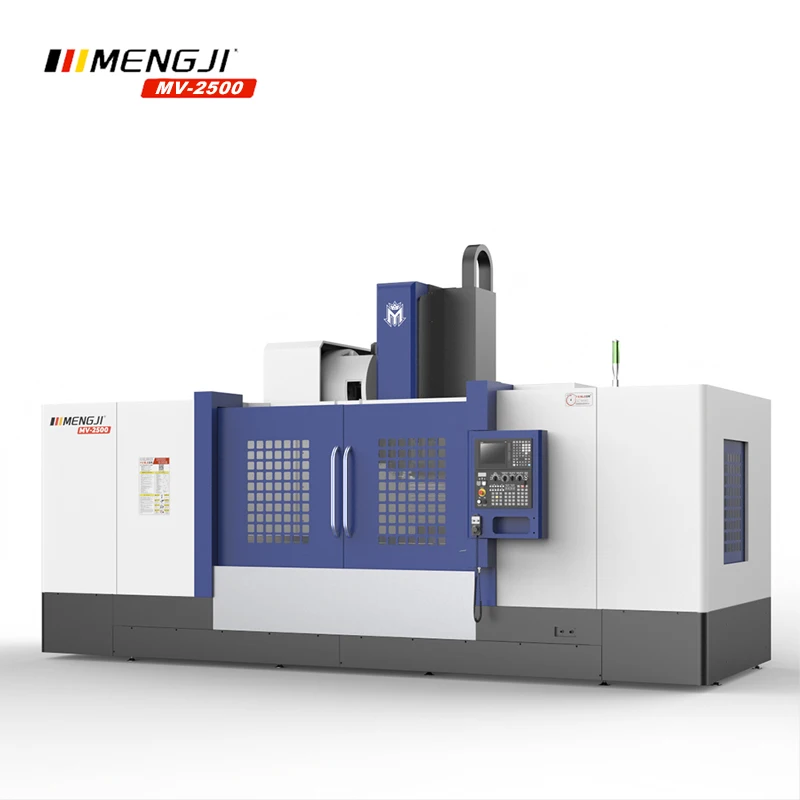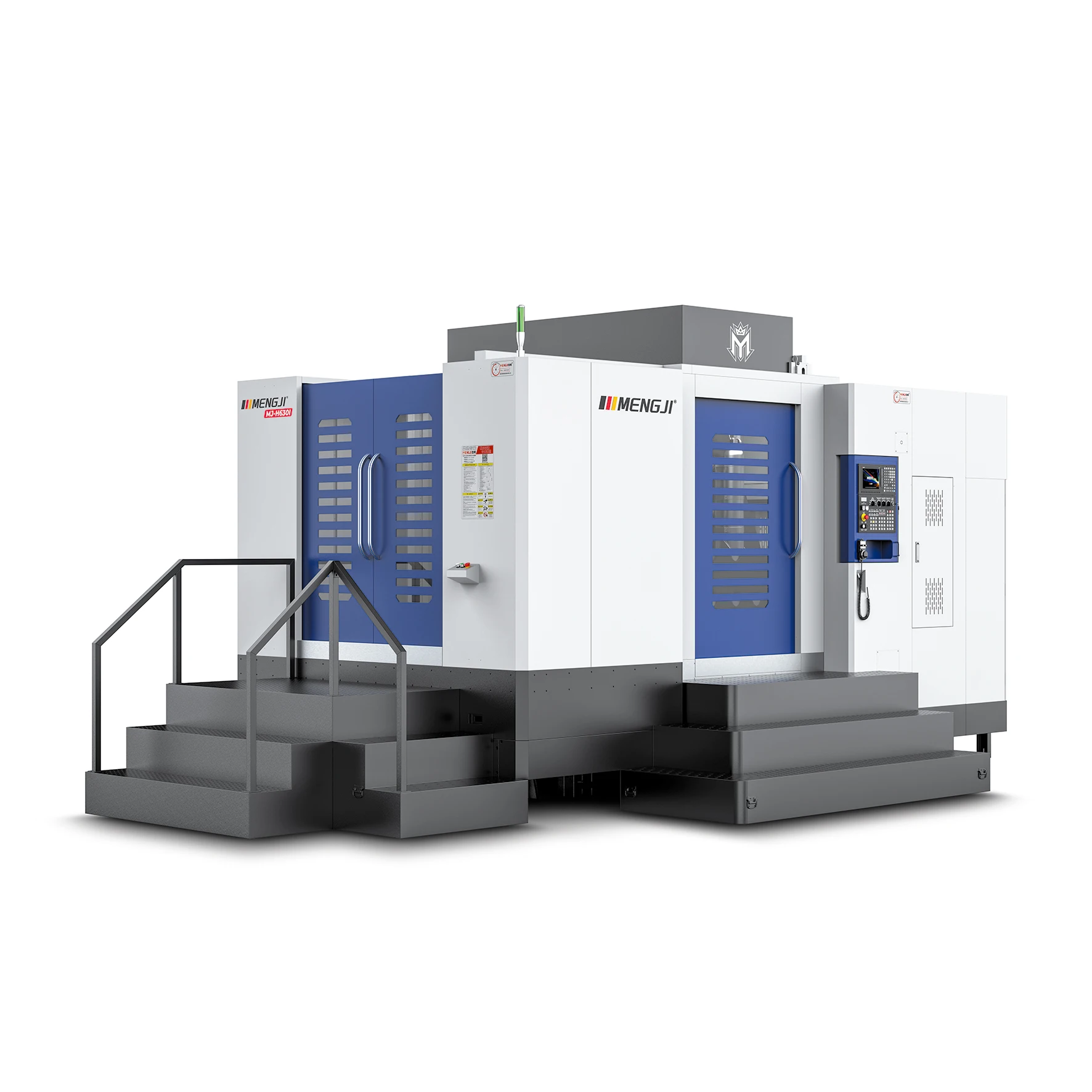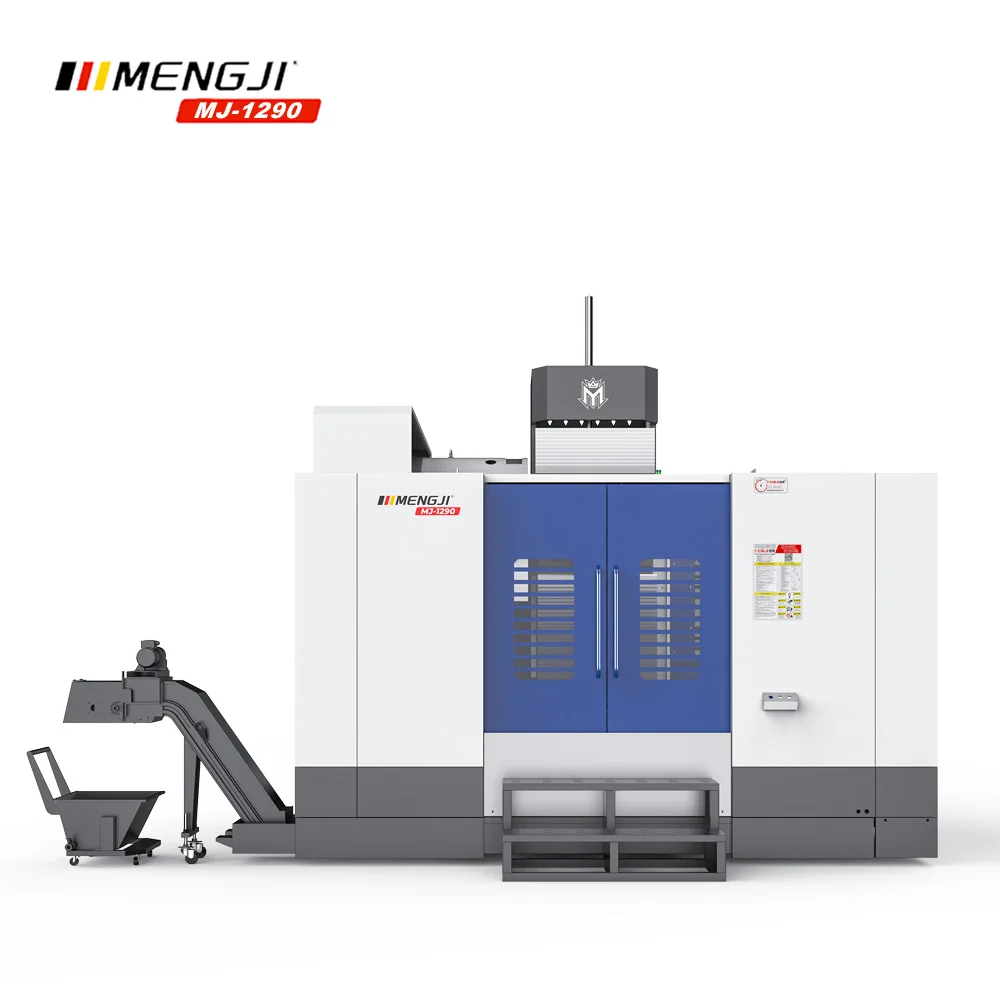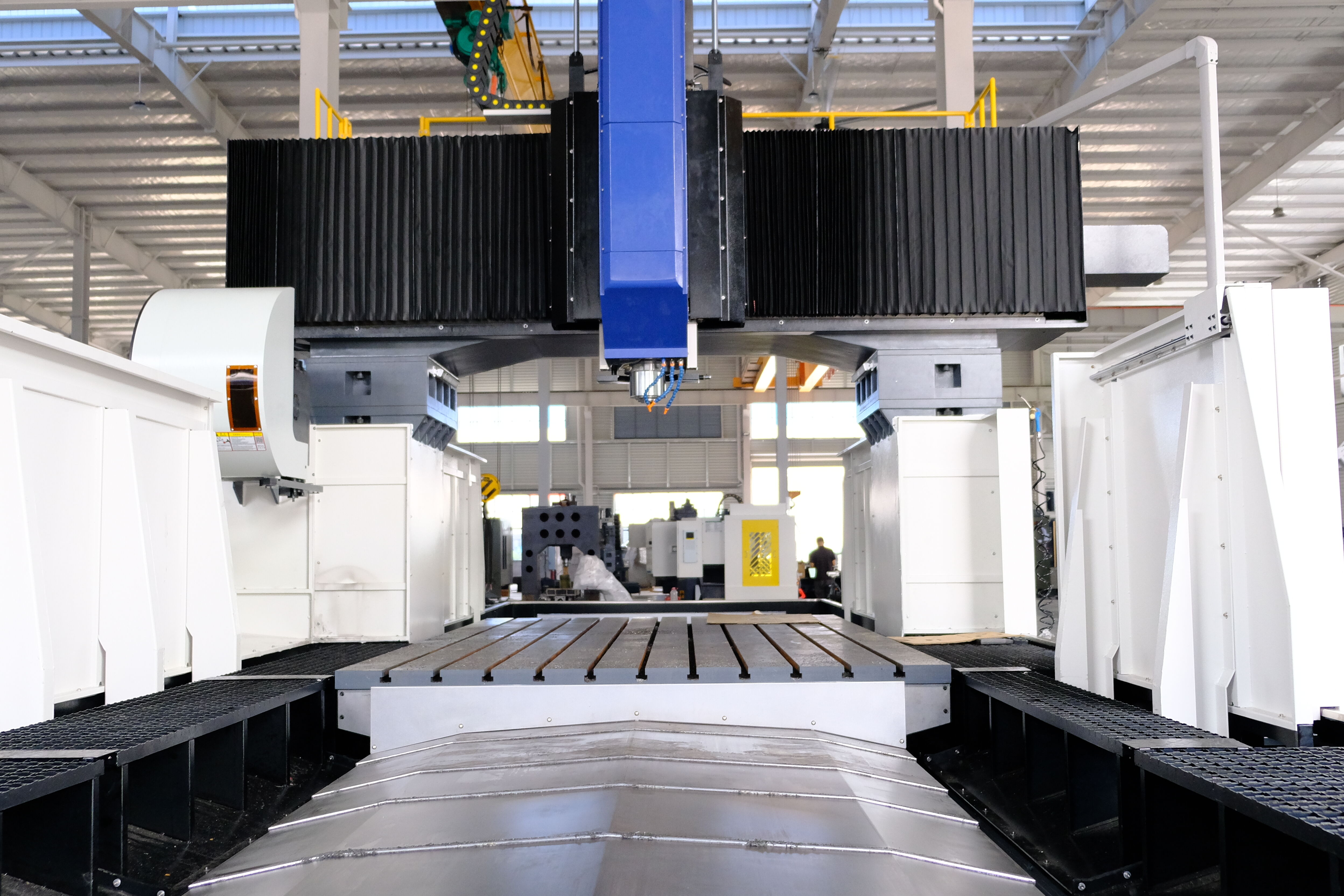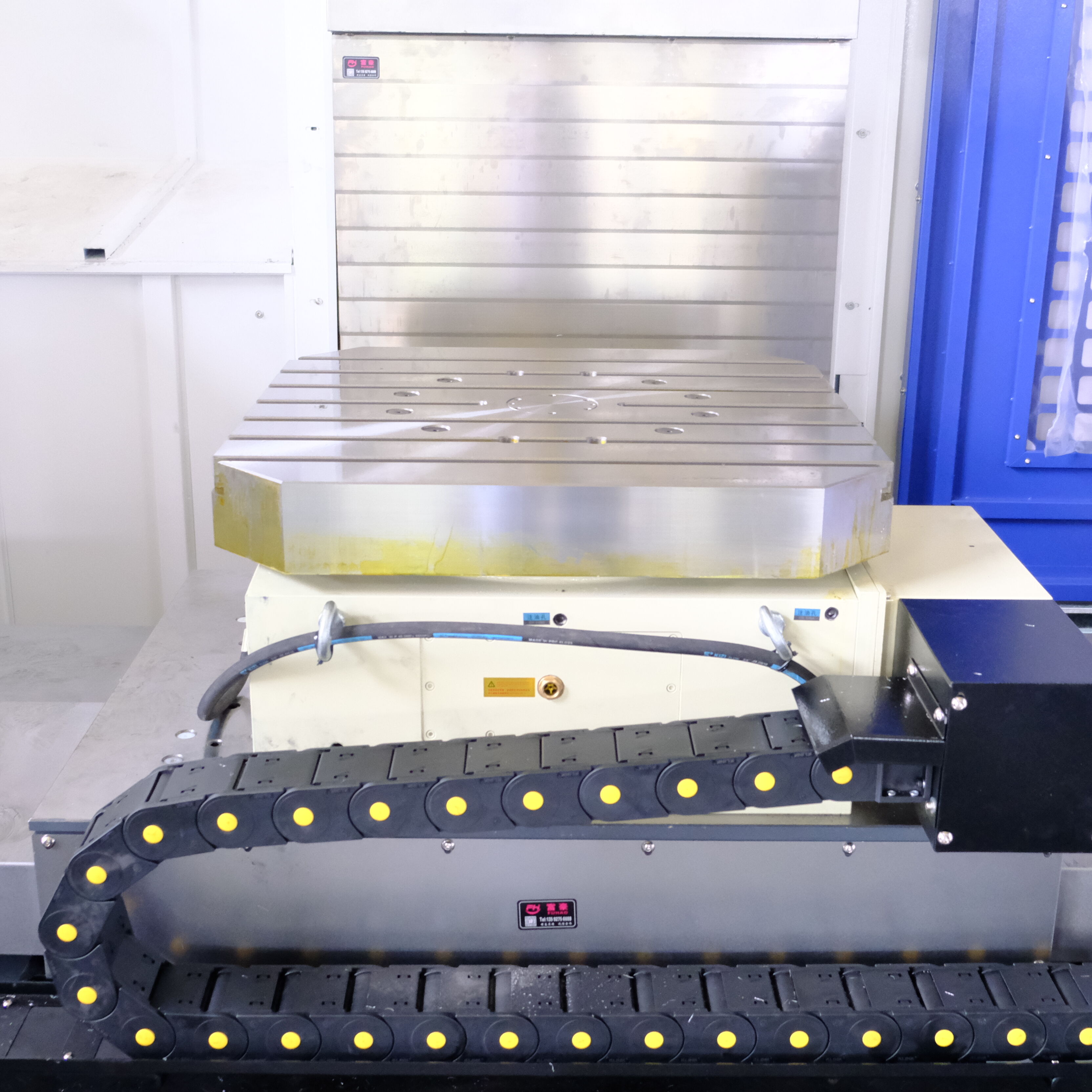
A Computer Numerical Control (CNC) machine is an automated manufacturing platform that operates by executing a pre-programmed sequence of machine control commands, fundamentally transforming digital designs into physical parts. The core of the system is the CNC controller, an industrial computer that interprets instructions (typically G-code and M-code) and converts them into precise electrical signals. These signals drive the machine's actuation systems—servo or stepper motors coupled with ball screws or linear motors—which move the tool or workpiece along programmed paths with high accuracy. A critical feature of modern CNC machines is the closed-loop feedback system, where encoders or resolvers constantly monitor the actual position of the axes and report back to the controller, allowing for real-time corrections and ensuring the commanded and actual positions match. This system manages all aspects of the process: spindle rotation speed and direction, tool changes, coolant flow, and auxiliary functions. CNC technology can be applied to a vast array of machine types, including mills, lathes, routers, grinders, and 3D printers. The universal advantage is the ability to produce complex, high-precision components with exceptional repeatability and minimal manual intervention, enabling high-volume production, rapid prototyping, and the fabrication of geometries that are impossible to achieve manually. This technology is the foundation of contemporary digital manufacturing, bridging the gap between the virtual world of CAD and the physical reality of a finished product.
Our professional sales team is always ready to assist you.