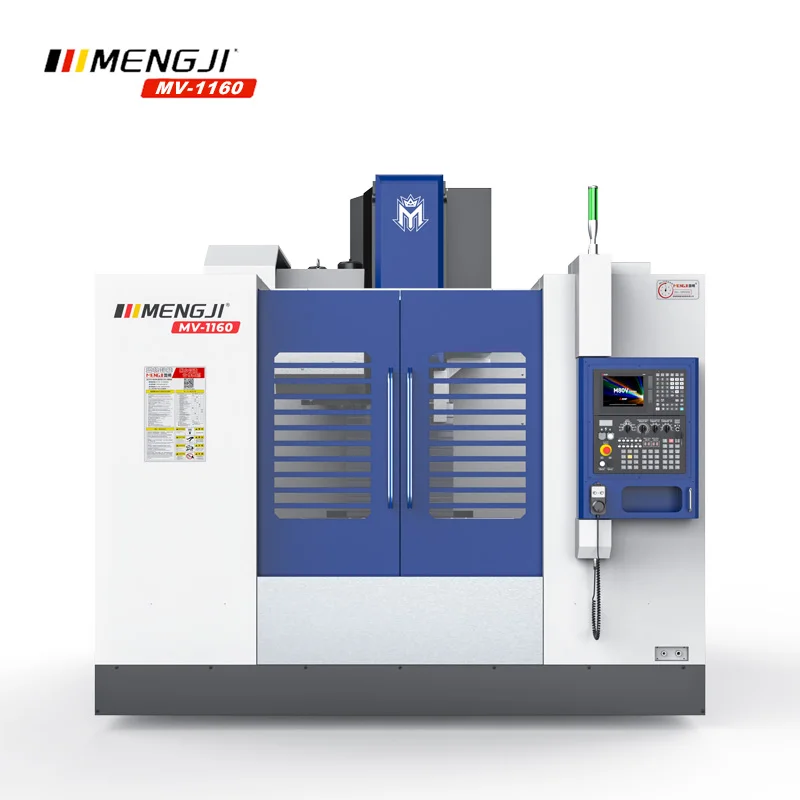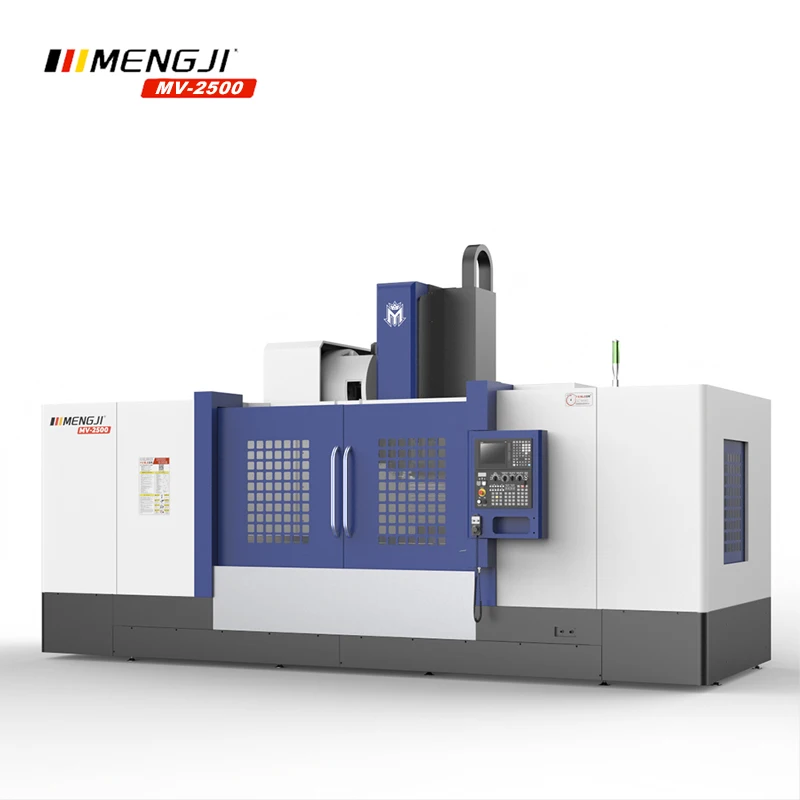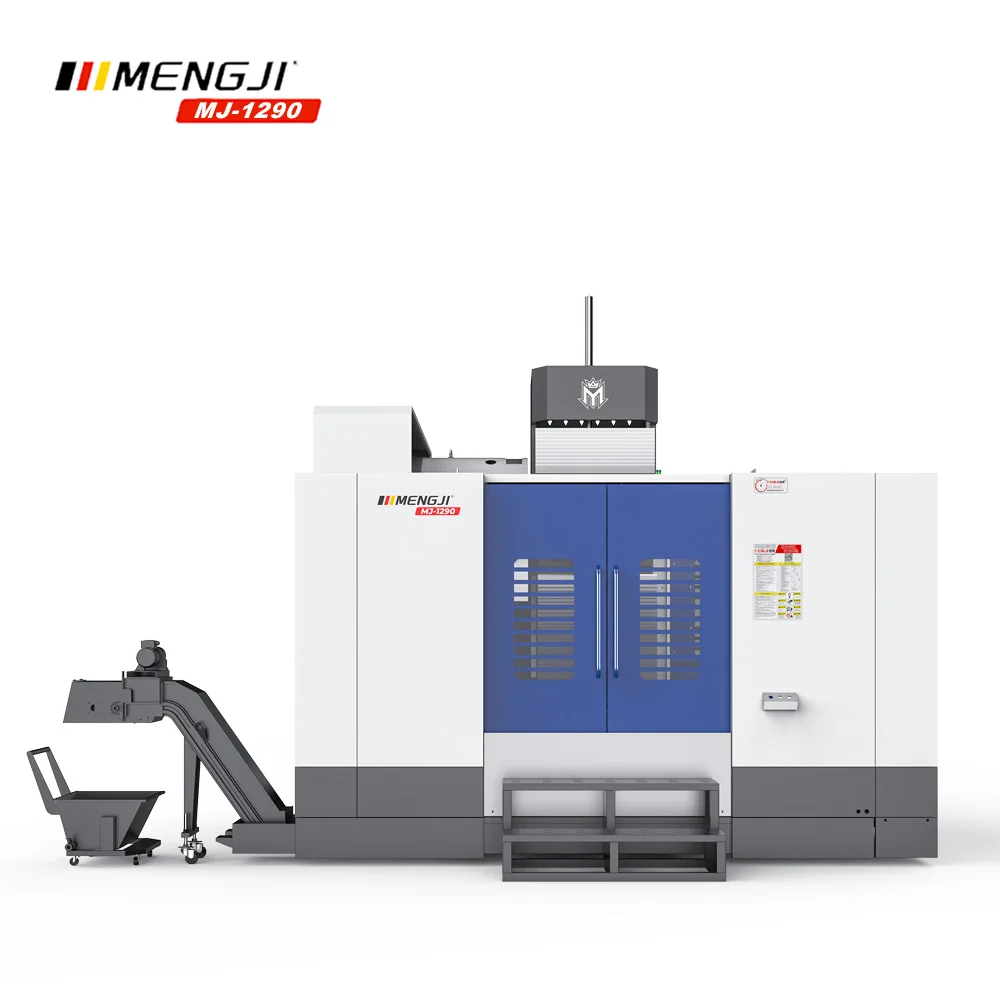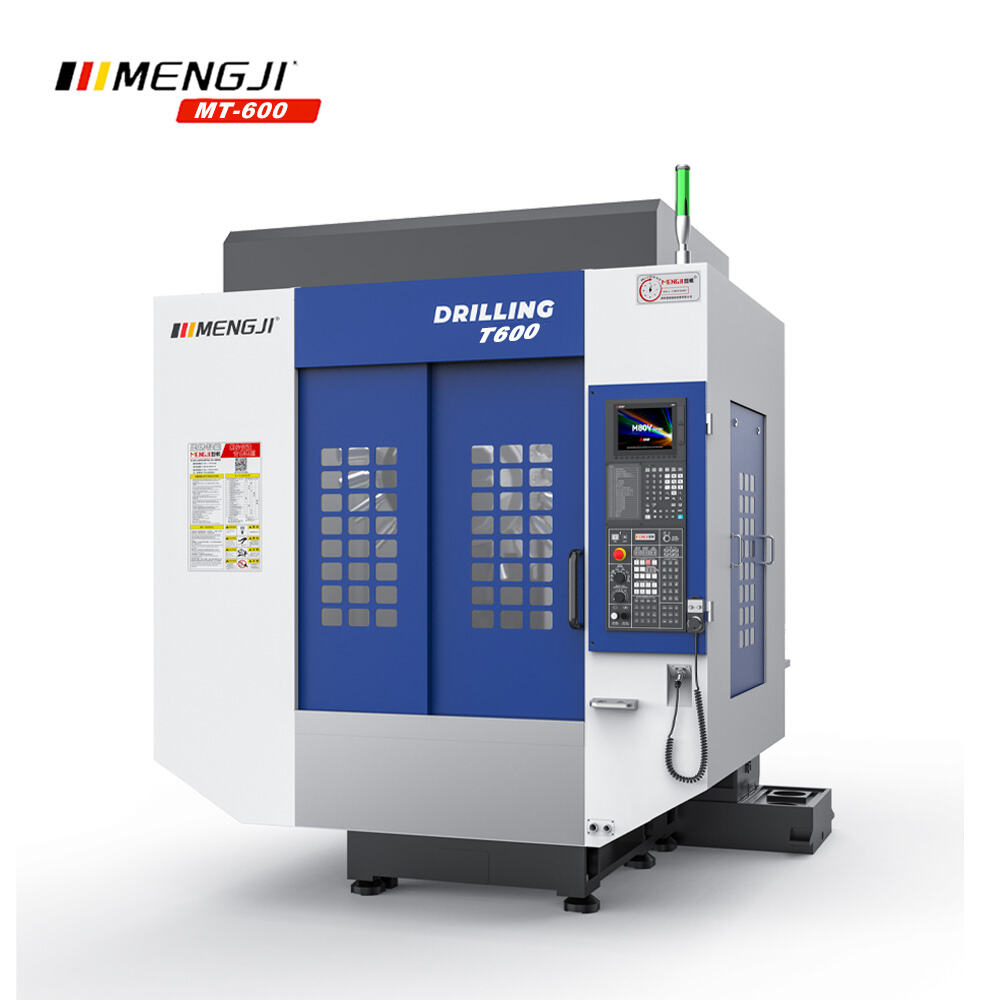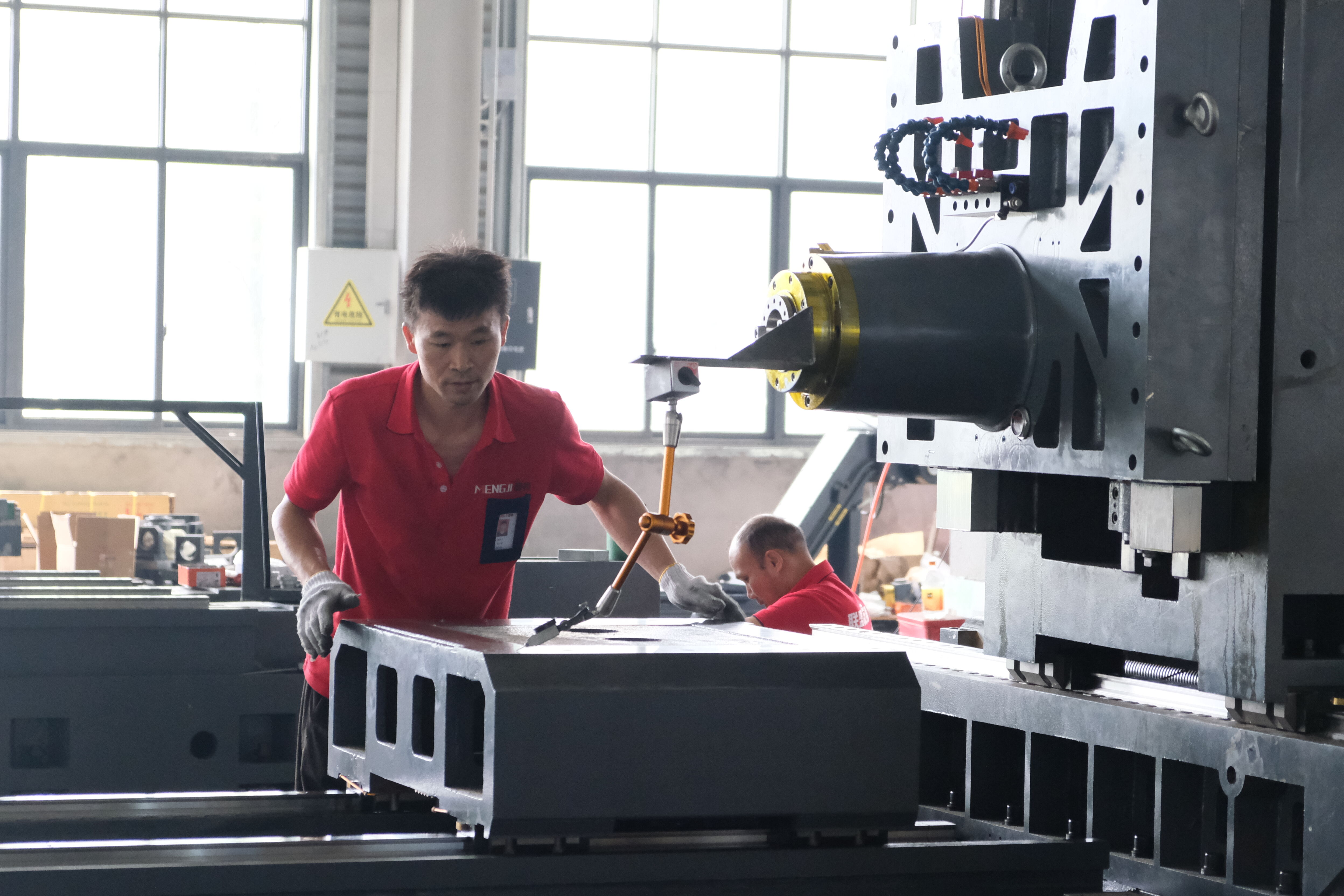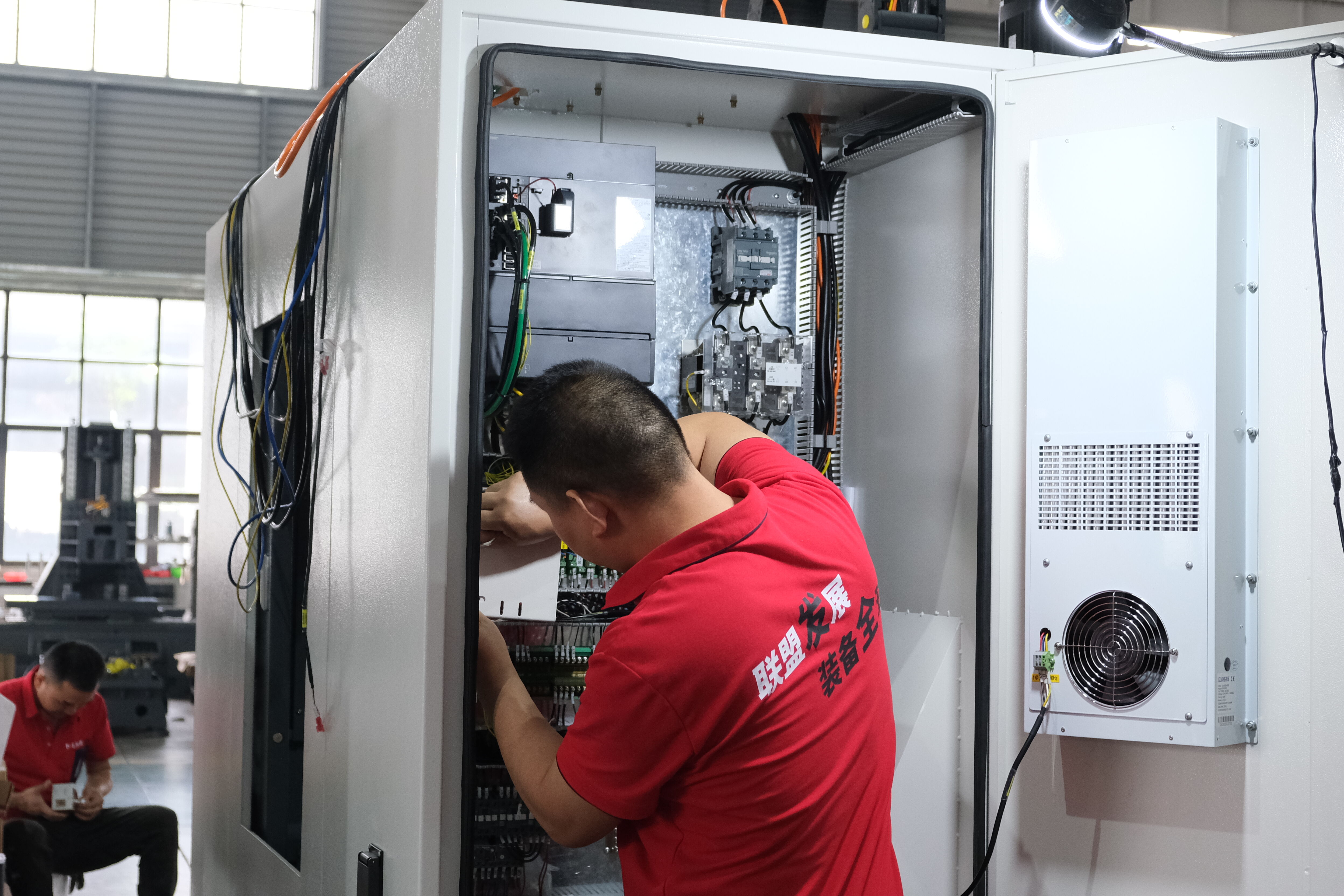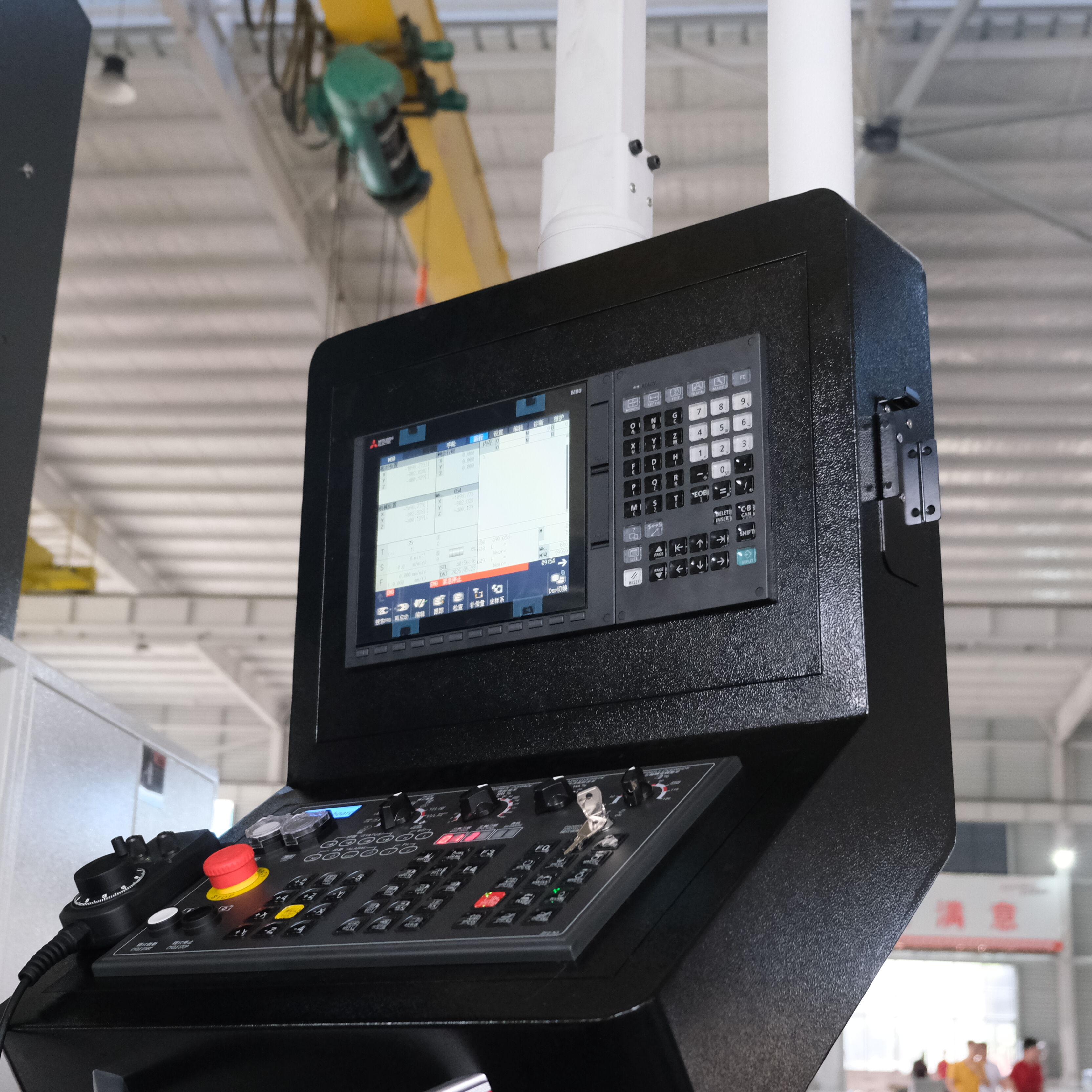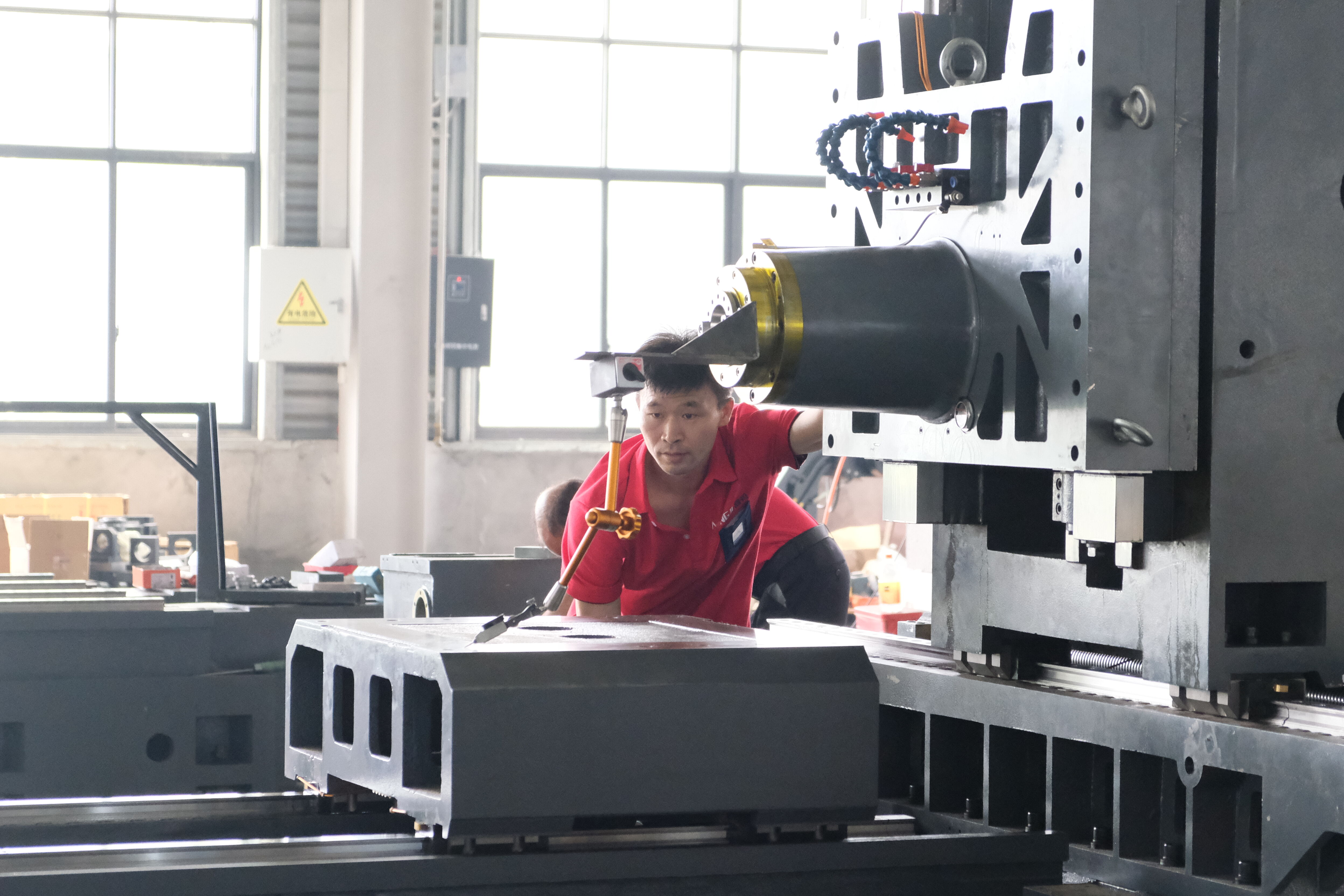
The cost of a CNC machine represents a significant capital investment determined by a complex interplay of technical specifications, performance capabilities, and long-term operational value. Understanding the comprehensive cost structure is essential for making informed capital equipment decisions. The foundational price driver is the machine's work envelope and structural capacity, with larger machines commanding higher prices due to increased material requirements, structural reinforcement, and more powerful drive components. The spindle system constitutes another major cost factor, where basic spindles for general purpose work differ substantially from high-speed, high-torque, or geared-head spindles designed for specialized applications in heavy-duty milling or ultra-precision finishing. The CNC control system represents a significant portion of the total cost, with entry-level controllers providing basic functionality while advanced systems from manufacturers like Siemens, Fanuc, or Heidenhain offer sophisticated features including high-speed processing, advanced look-ahead algorithms, and complex kinematic transformations essential for multi-axis work. Automation features dramatically impact pricing, where automatic tool changers represent standard equipment but their capacity and speed vary considerably. Additional automation including probe systems for automated setup, tool breakage detection systems, and pallet changers for untended operation can substantially increase the final investment. Other critical cost considerations include construction quality (such as polymer concrete bases for superior vibration damping), guideway type (linear guides versus box ways), and thermal compensation systems. Beyond the initial purchase price, total cost of ownership encompasses installation, training, maintenance, tooling, and operational expenses, making comprehensive evaluation essential for strategic equipment acquisition.
Our professional sales team is always ready to assist you.