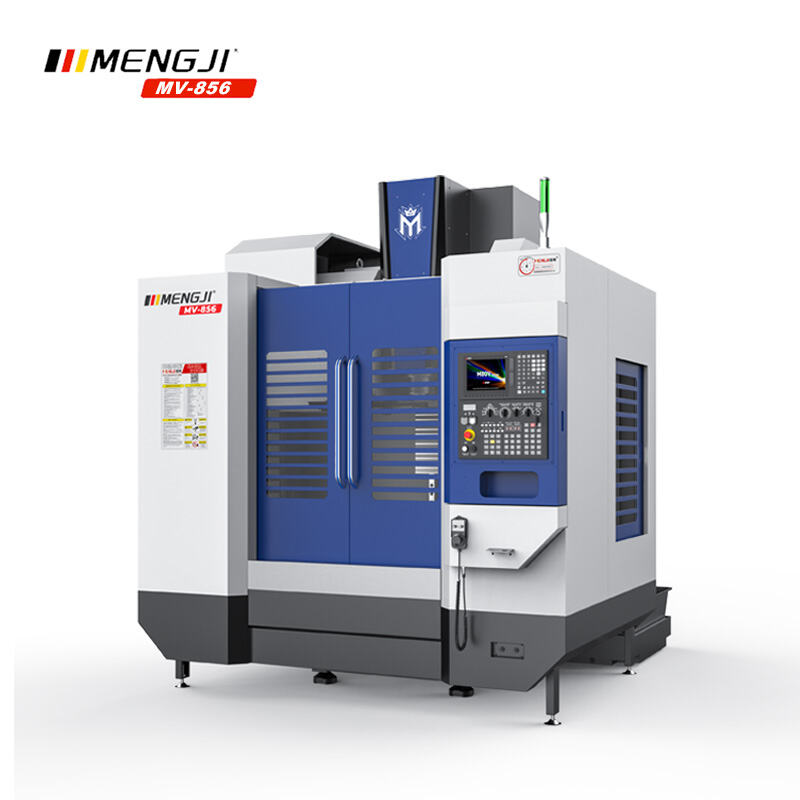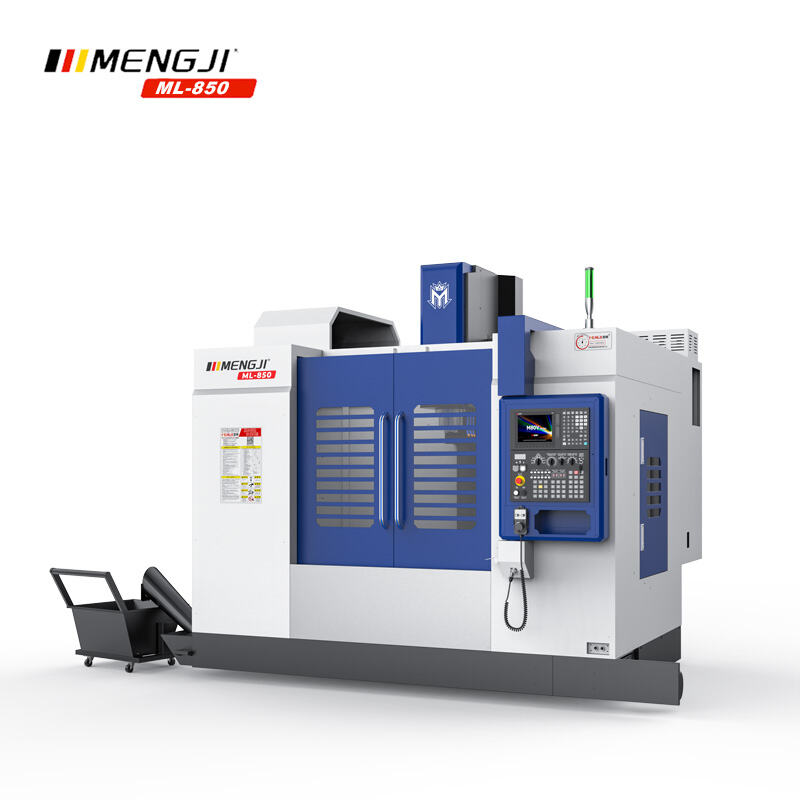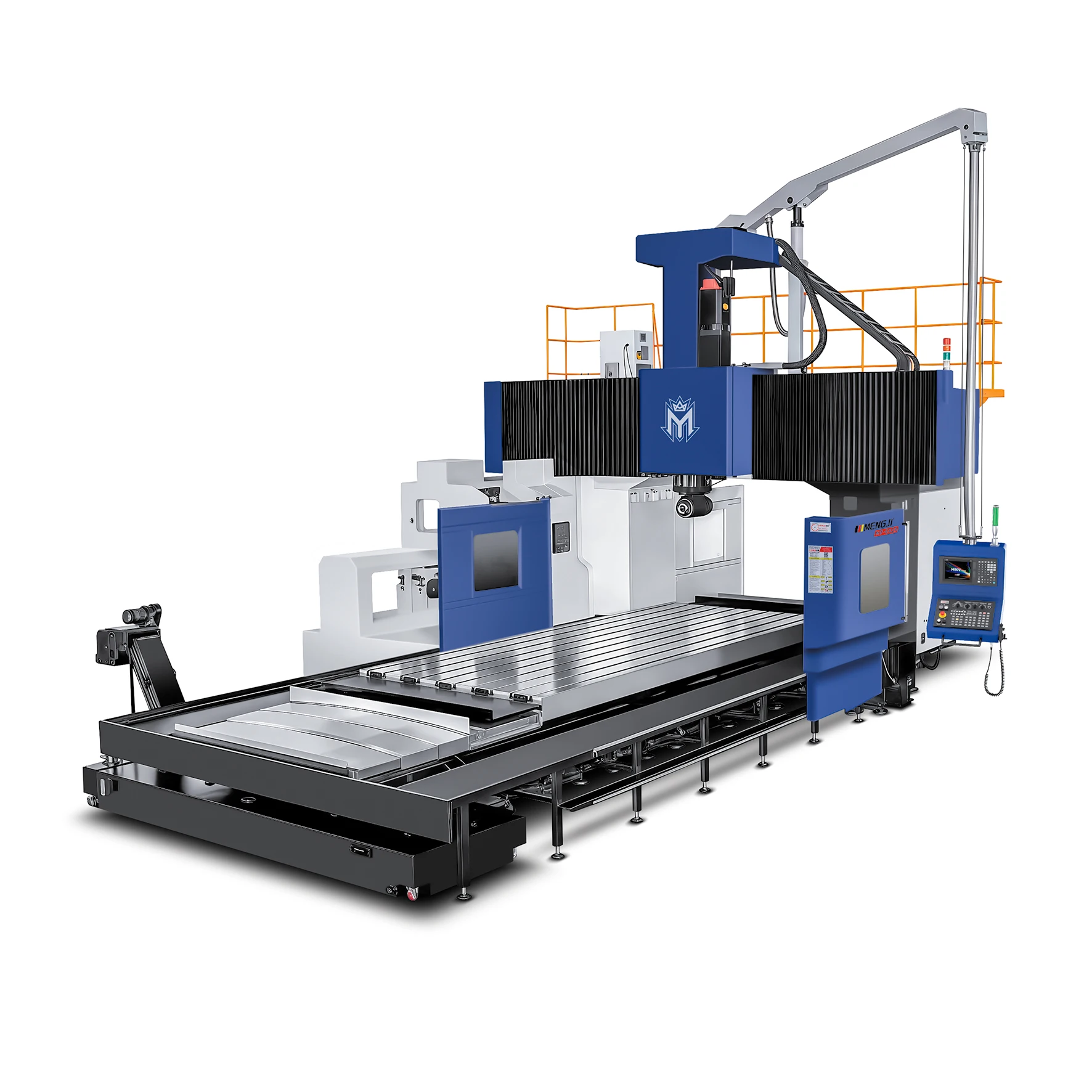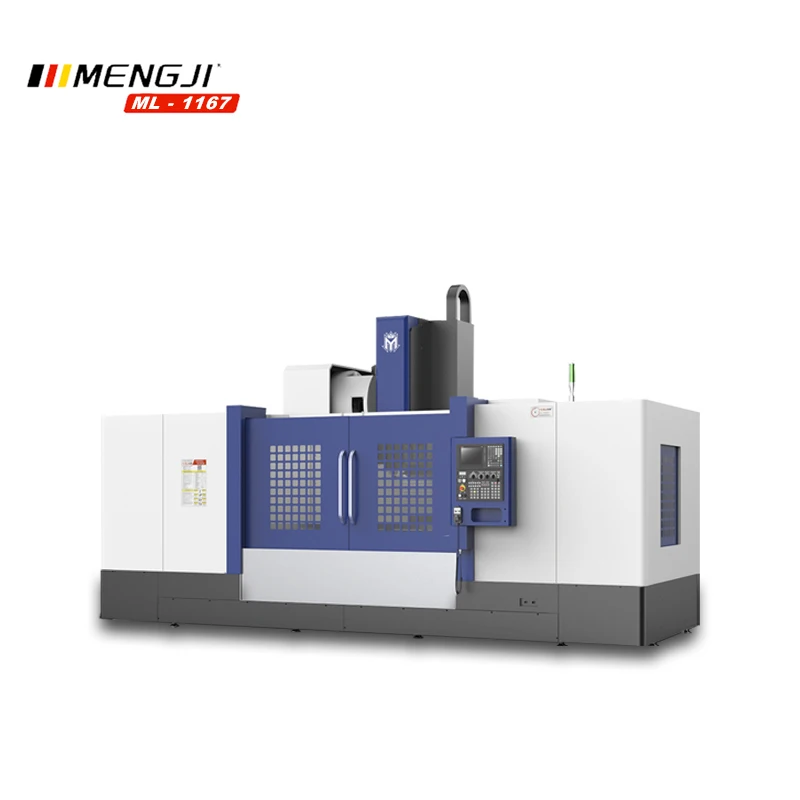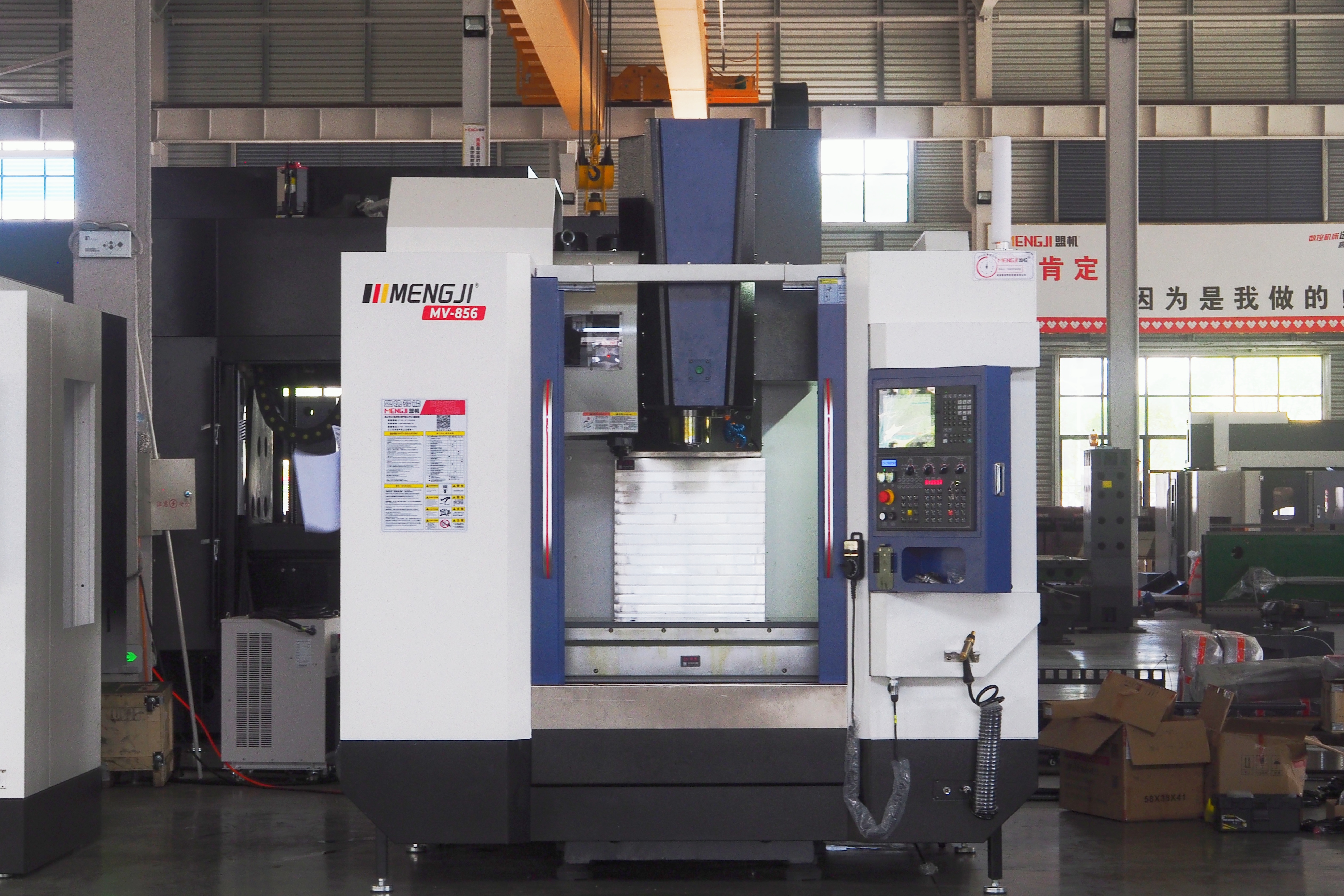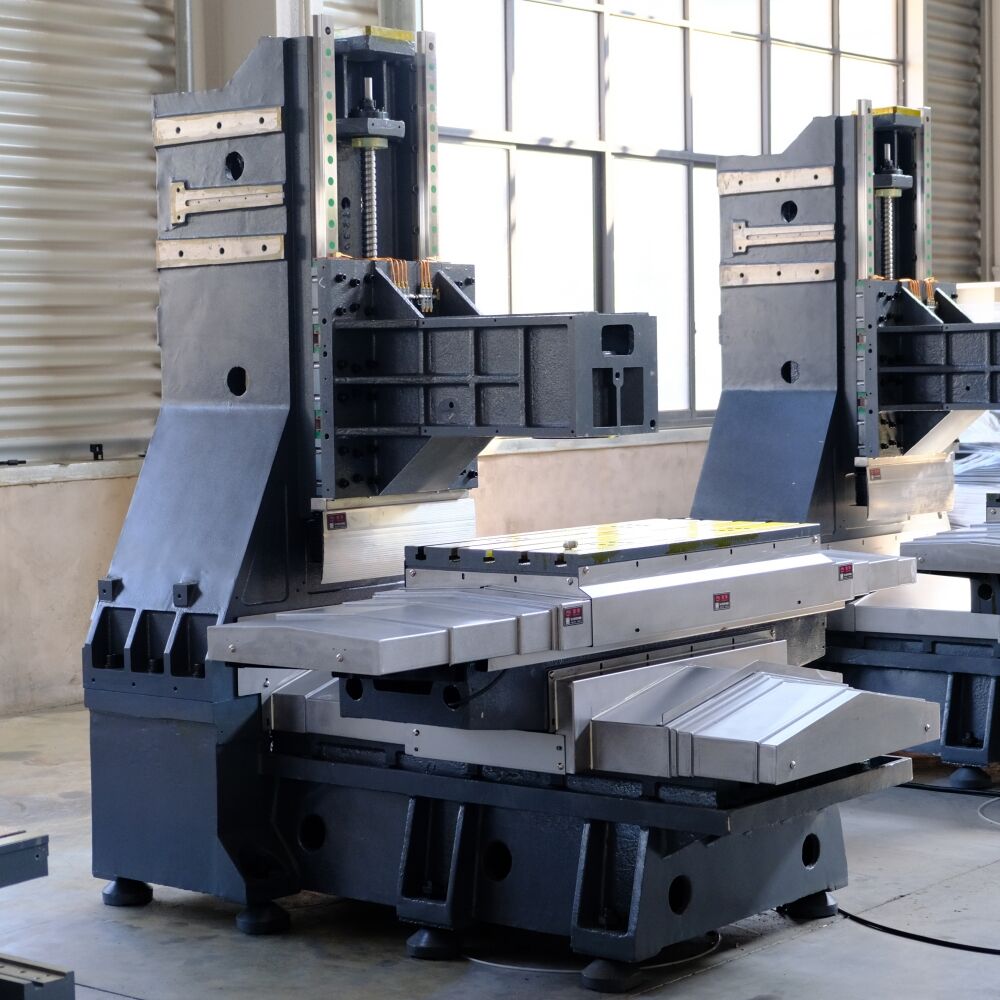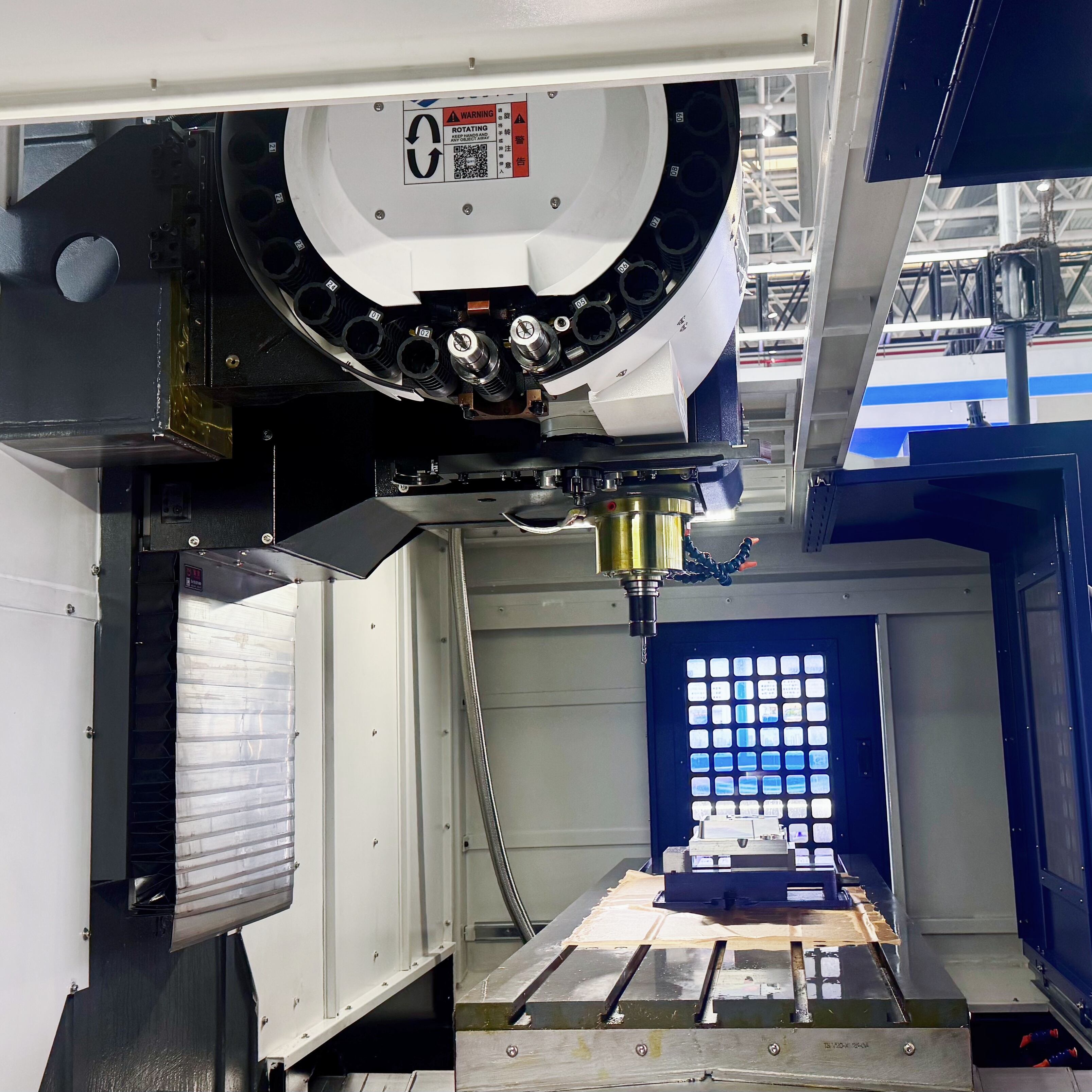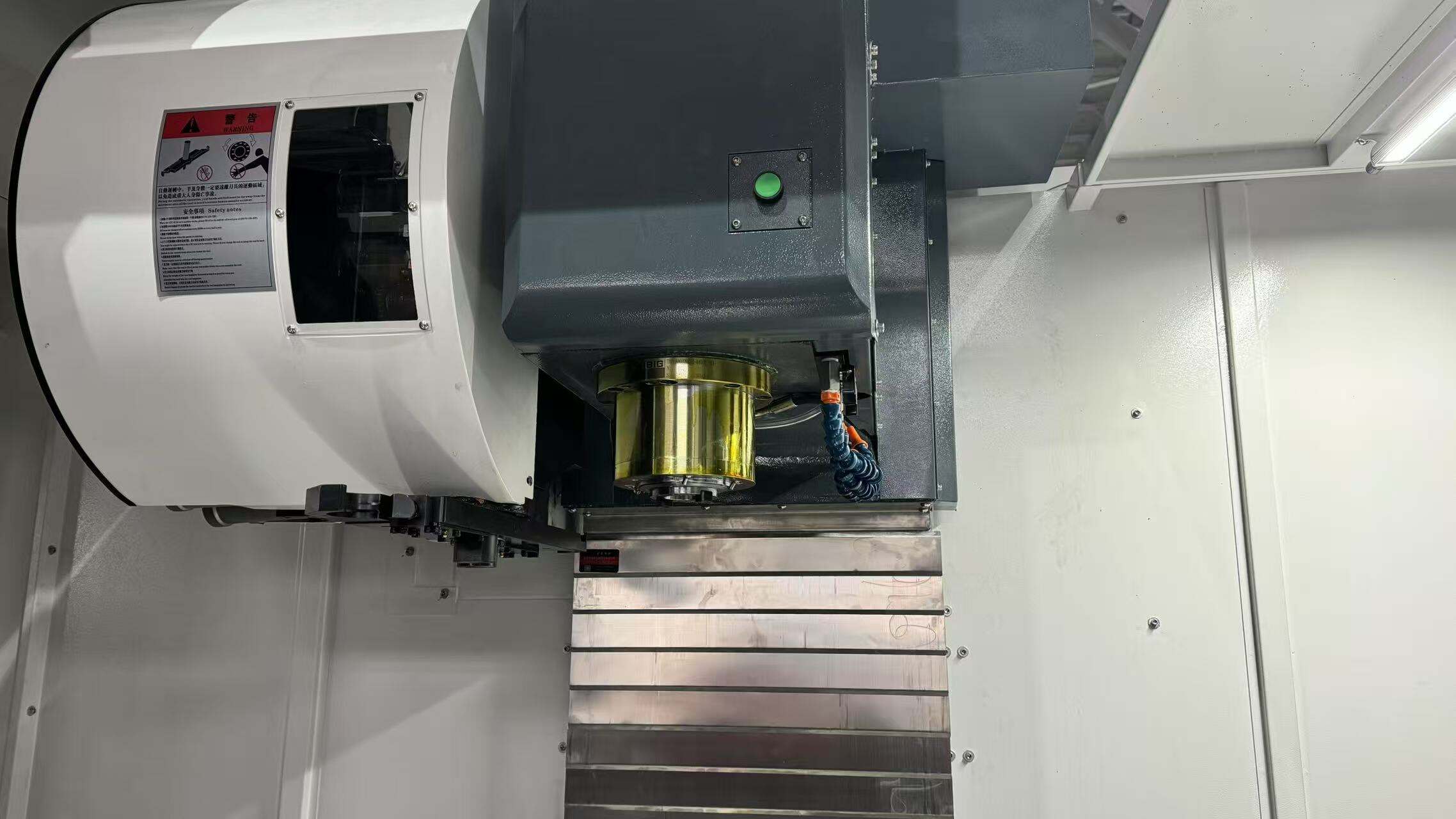
Horizontal CNC milling refers to the subtractive manufacturing process performed on a machine with a horizontally oriented spindle. This specific methodology offers a distinct set of advantages rooted in its unique kinematics and chip evacuation dynamics. The process is defined by the spindle's parallel orientation to the worktable, which fundamentally redefines how chips are managed during machining. Gravity works advantageously, pulling chips directly away from the cutting tool and workpiece, which is paramount for maintaining surface finish integrity, prolonging tool life, and facilitating reliable automated production, especially during long, untended cycles. This machining approach is exceptionally well-suited for cubic or box-shaped components that require operations on multiple faces. The process typically utilizes a rotary table (B-axis) that allows the workpiece to be indexed to precise angular positions or rotated continuously, enabling access to four sides in a single clamping. This eliminates the need for manual re-fixturing, which saves substantial time and, more importantly, prevents the introduction of errors from repositioning the part. Horizontal CNC milling is synonymous with high-volume production efficiency. Modern systems often incorporate pallet changers that allow complete workpiece setup to occur offline while another part is being machined, creating a near-continuous production flow. The inherent stability of the horizontal configuration also supports heavy-duty cutting on large or heavy workpieces. While this process requires a higher initial investment and more floor space than vertical milling, its advantages in chip control, productivity for multi-sided parts, and superior suitability for automation make it a critical technology for any serious high-volume manufacturing operation seeking to maximize throughput and minimize operational downtime.
Our professional sales team is always ready to assist you.