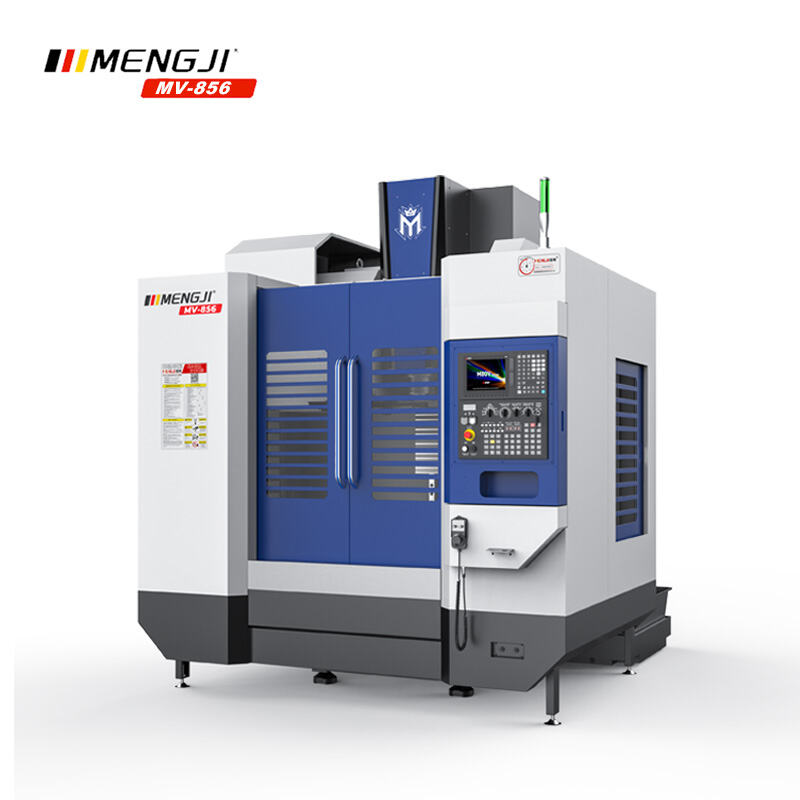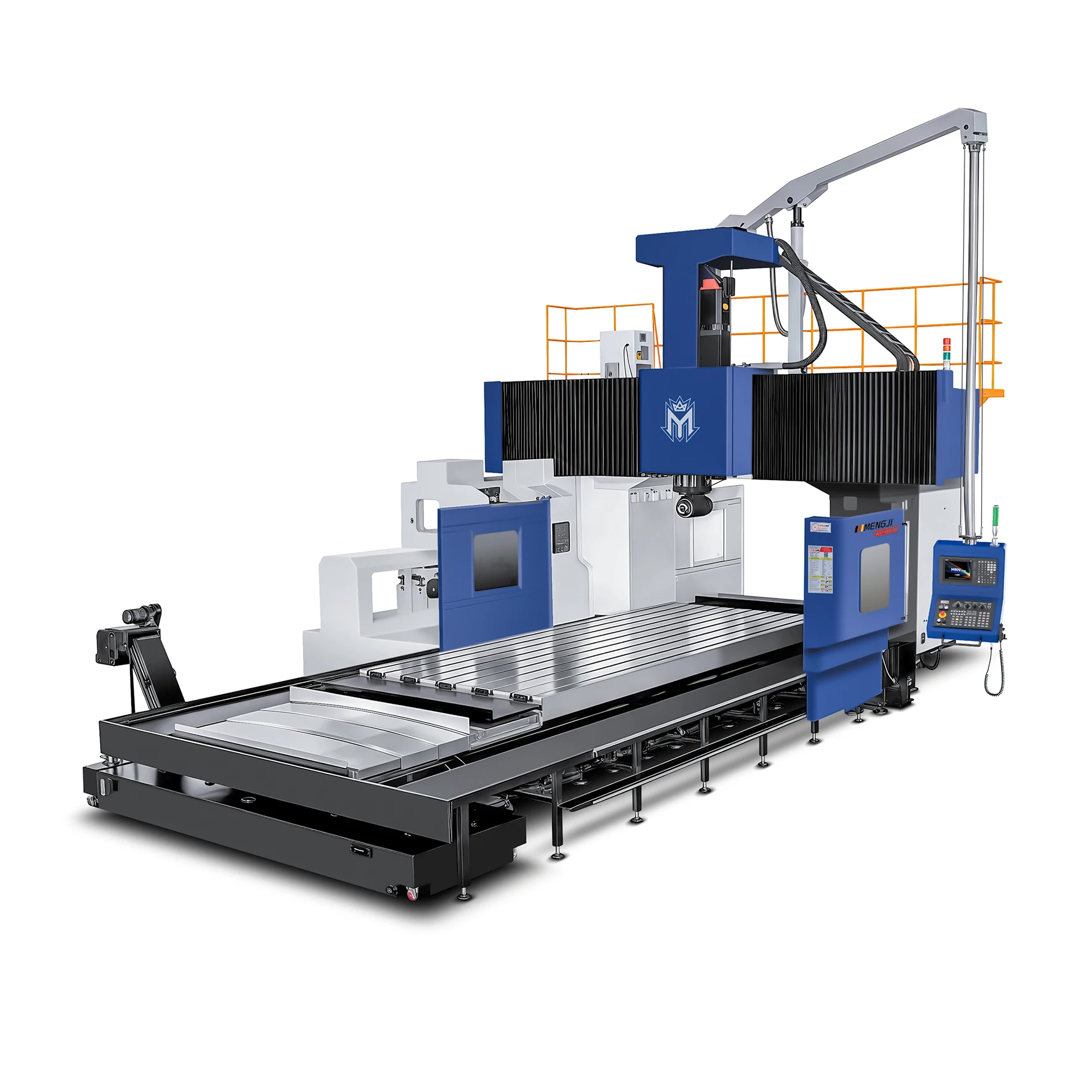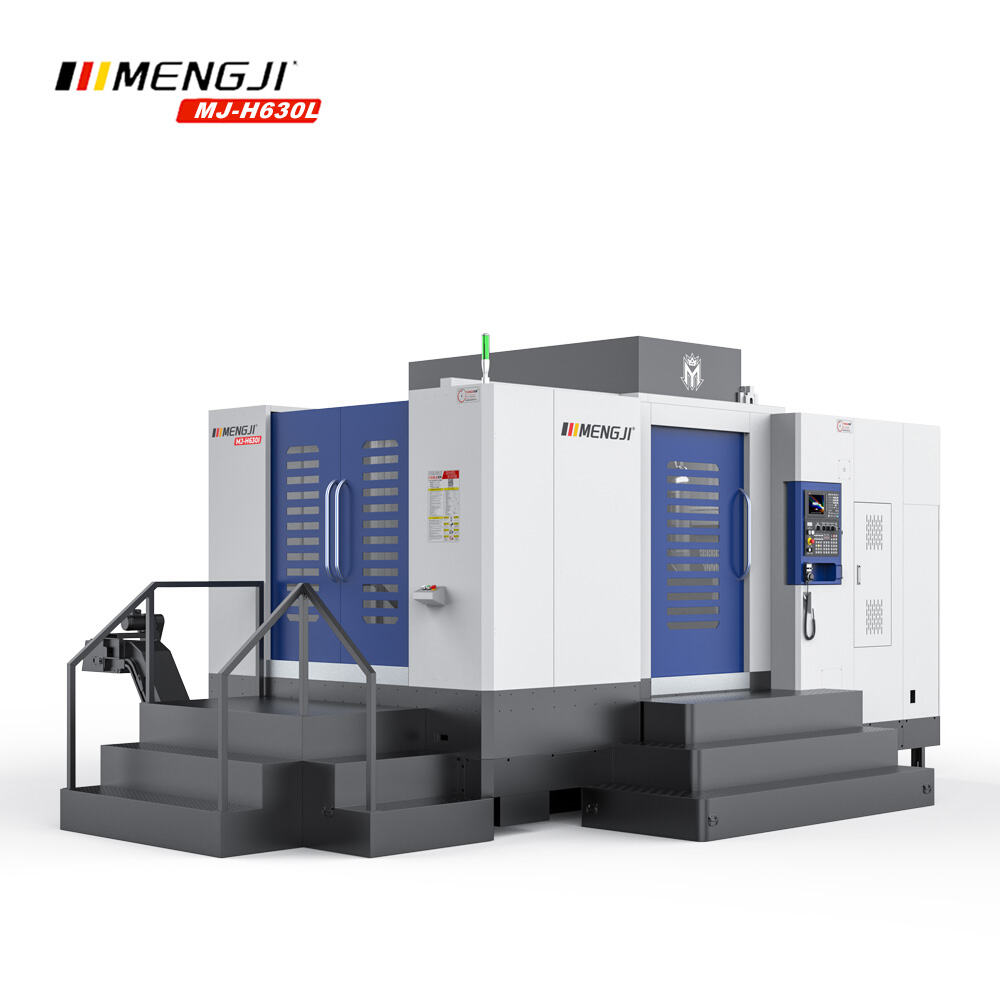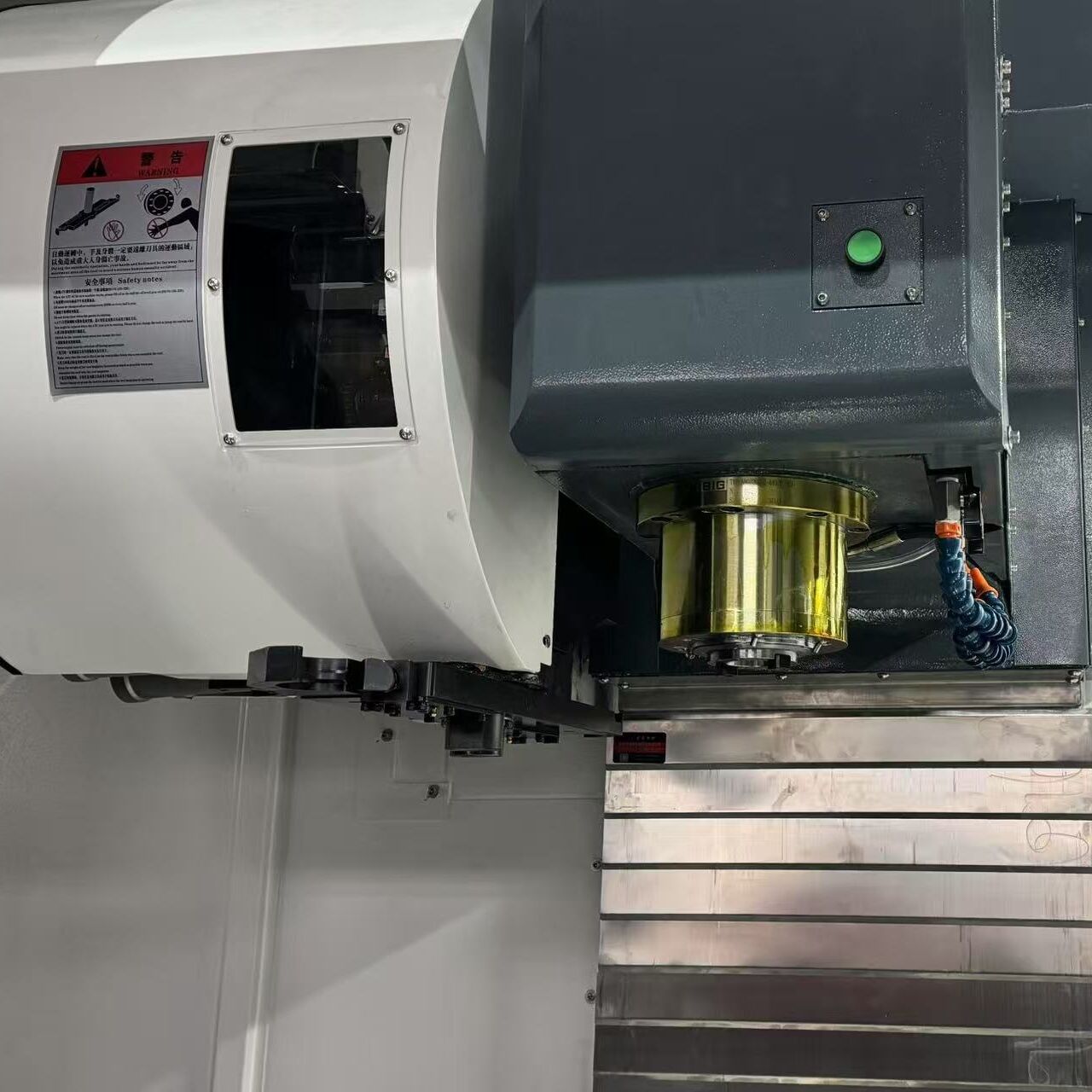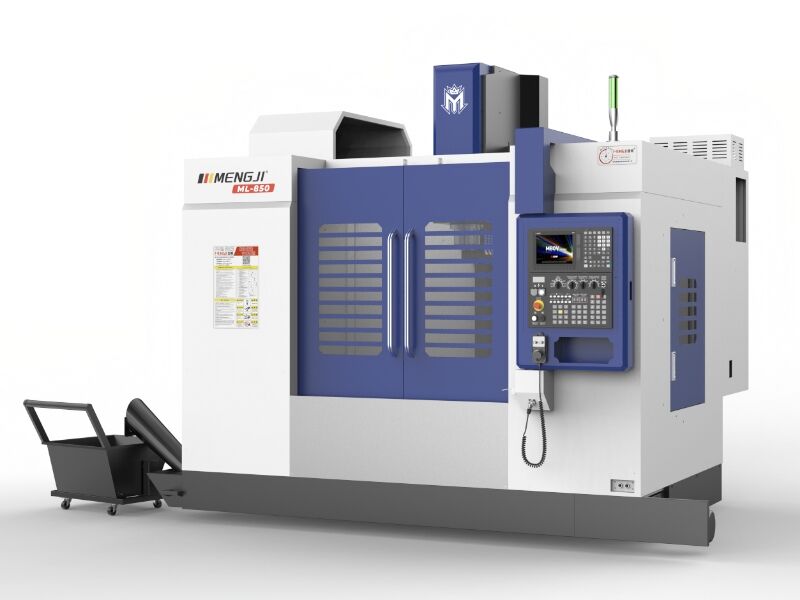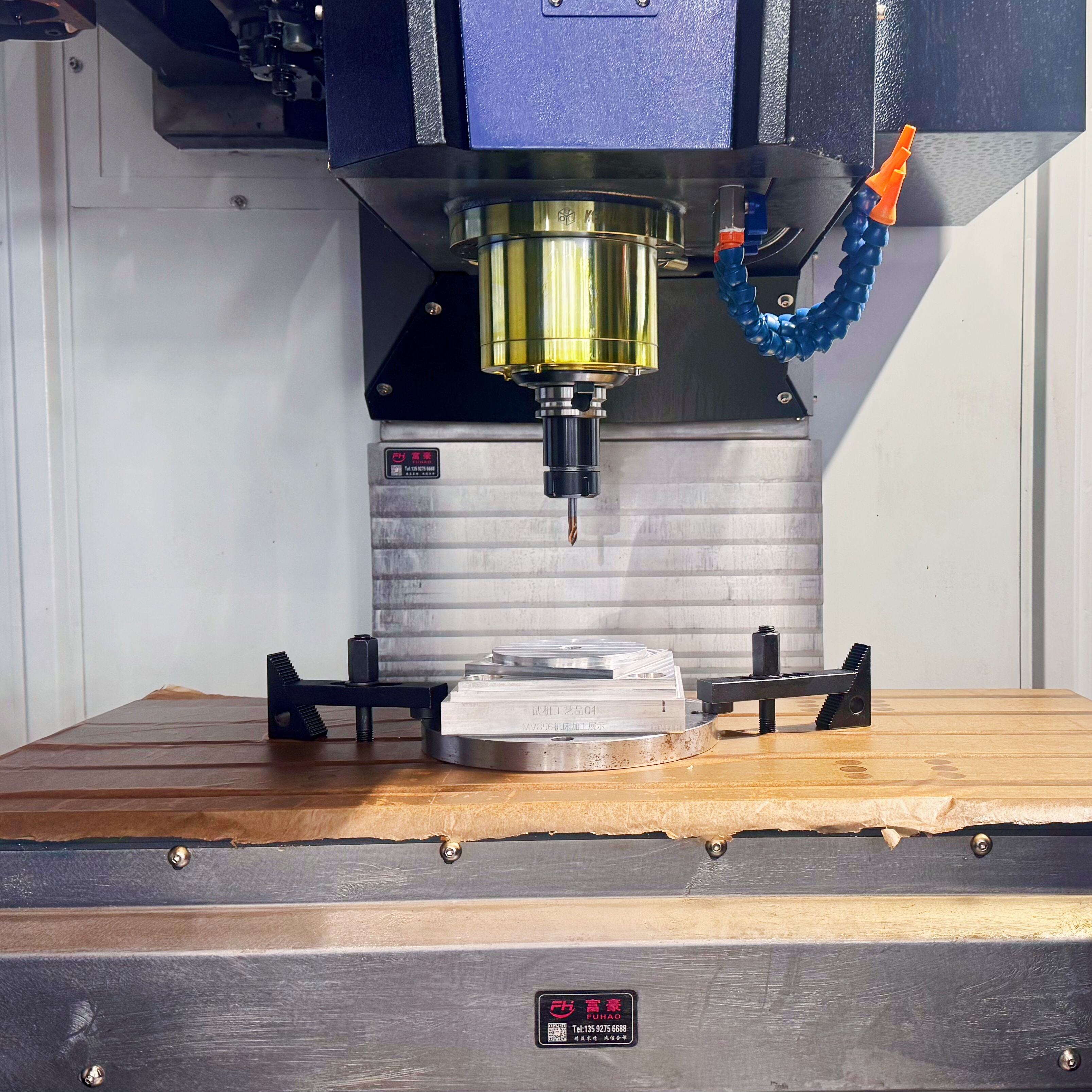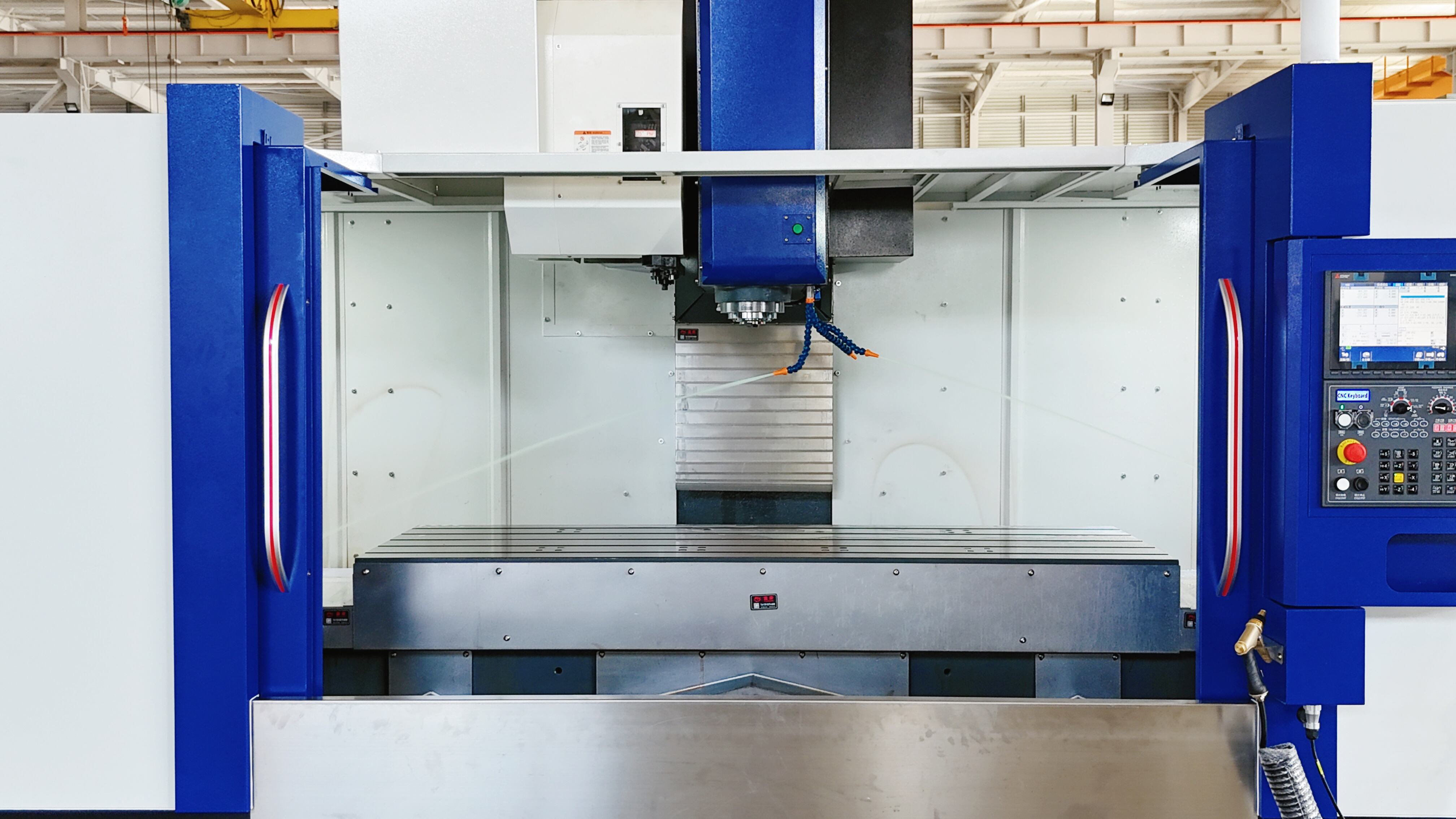
A Vertical Milling Center represents a fundamental class of machine tool characterized by its vertically oriented spindle that positions the cutting tool perpendicular to the worktable. This configuration, a mainstay in workshops globally, offers a highly effective and accessible platform for a vast spectrum of machining tasks. The vertical orientation provides inherent advantages in setup simplicity and operator visibility, making it an ideal choice for both one-off jobs and batch production. One of its most significant operational benefits is superior chip evacuation; gravity naturally pulls chips away from the cutting zone and workpiece, reducing the risk of recutting which can compromise surface finish and accelerate tool wear, a feature particularly advantageous when machining materials like aluminum. These centers are exceptionally versatile, capable of 2.5D and 3D contouring, pocketing, drilling, and tapping. They are the go-to solution for producing plate-type components, mold bases, and any part where the primary features can be accessed from a top-down direction. Modern Vertical Milling Centers are typically equipped with automatic tool changers (ATCs), allowing for the uninterrupted machining of complex parts requiring multiple tools. While the standard 3-axis configuration is the industry workhorse, providing movement in X, Y, and Z, more advanced models incorporate a 4th-axis rotary table for indexing or full 5-axis capability for simultaneous contouring of highly complex geometries. The rigidity of the common C-frame structure supports aggressive metal removal rates, and advancements in spindle technology and control systems enable the achievement of fine surface finishes and tight tolerances. Its balance of capability, footprint efficiency, and cost-effectiveness makes the Vertical Milling Center an indispensable and ubiquitous asset in job shops, production facilities, and R&D departments worldwide.
Our professional sales team is always ready to assist you.