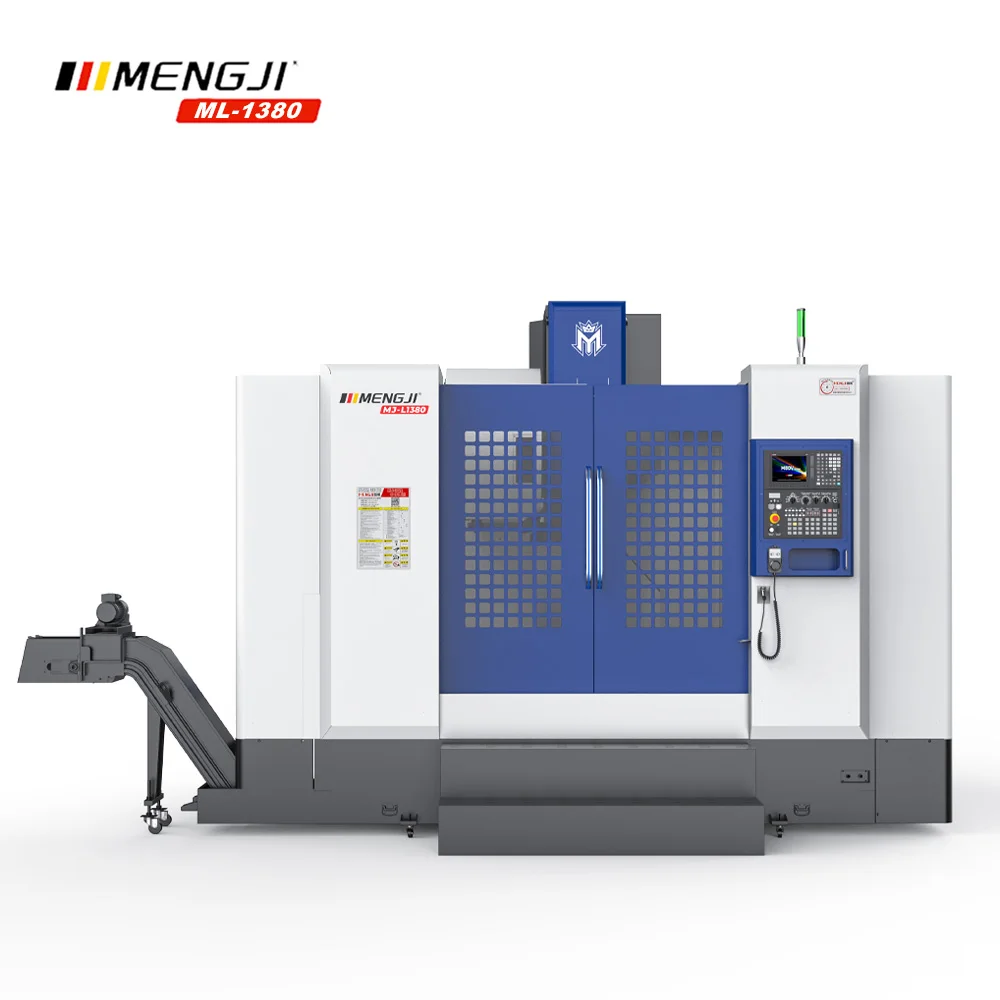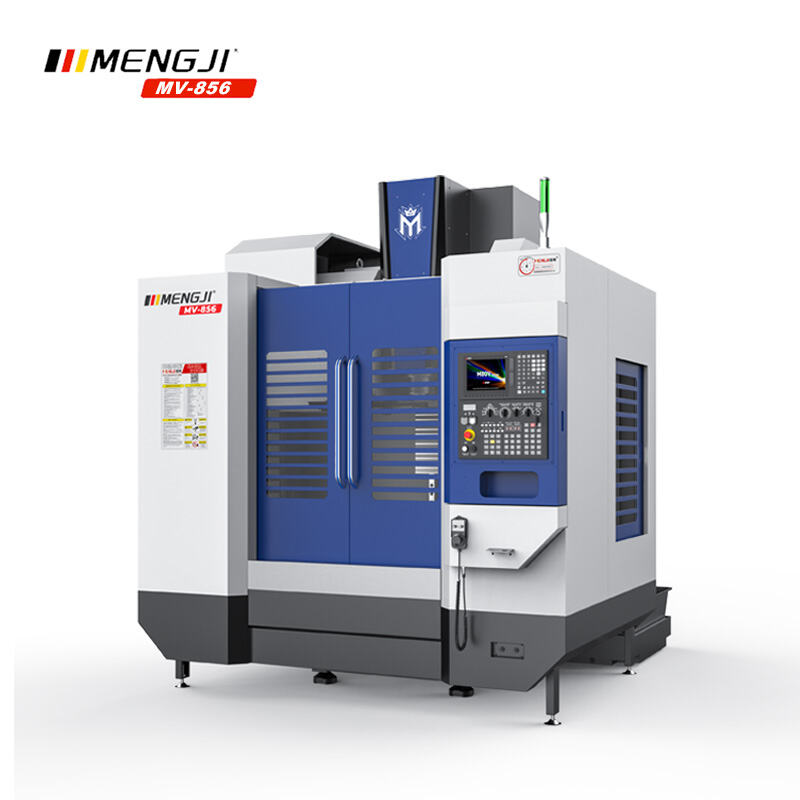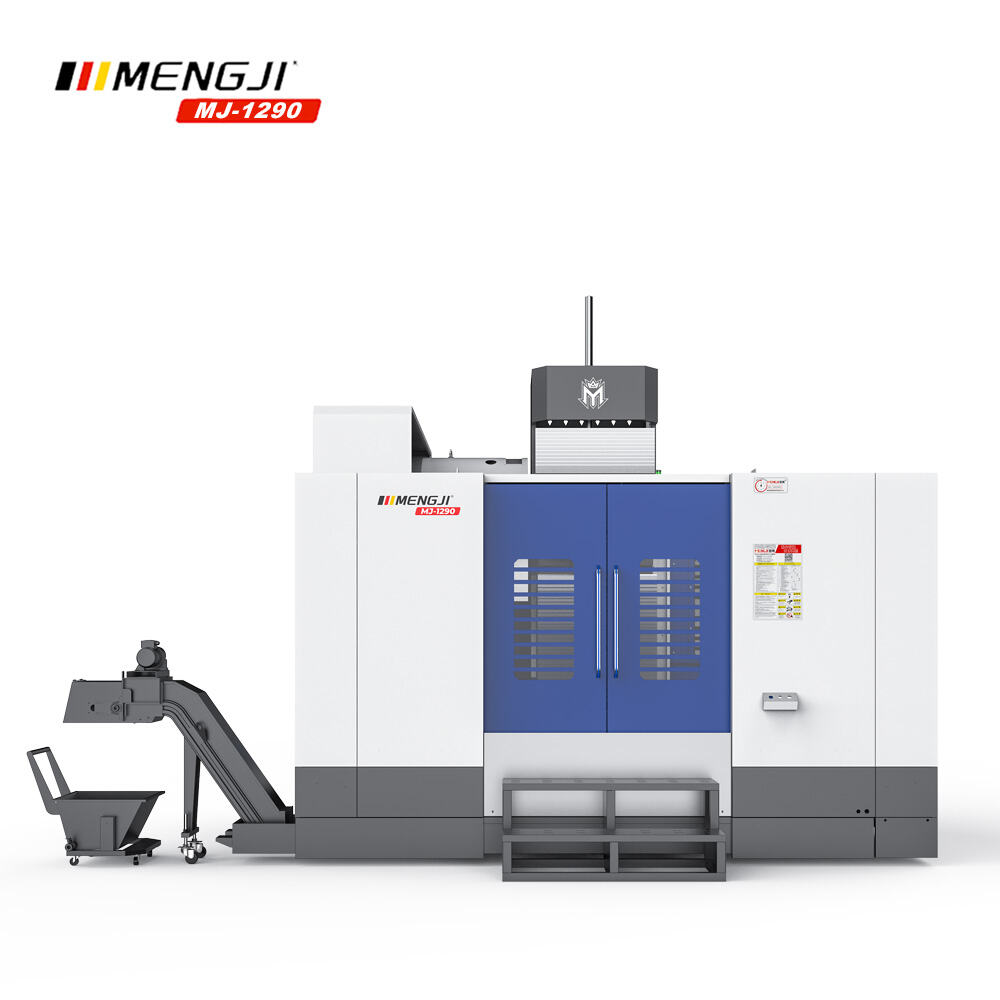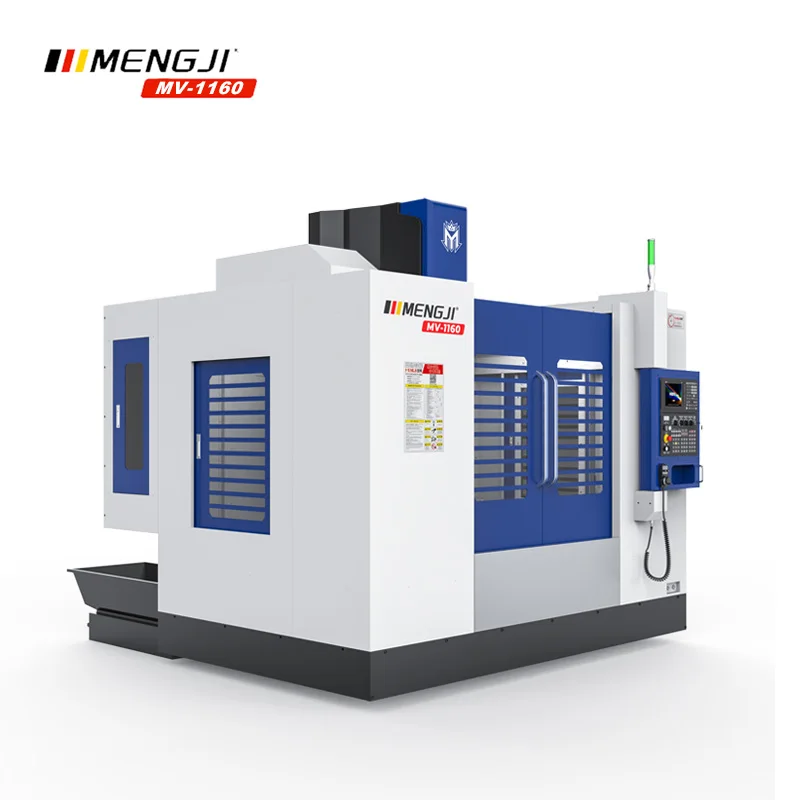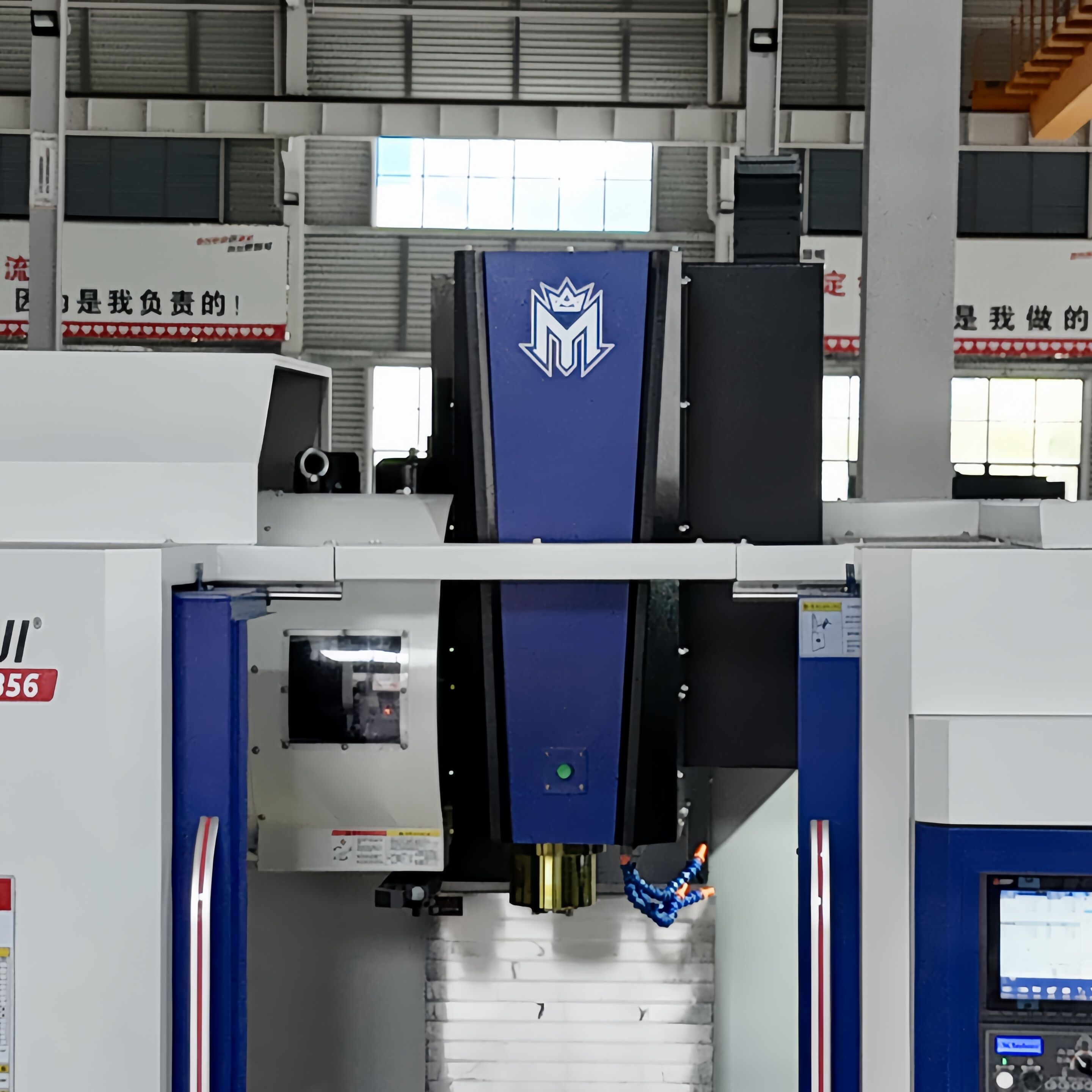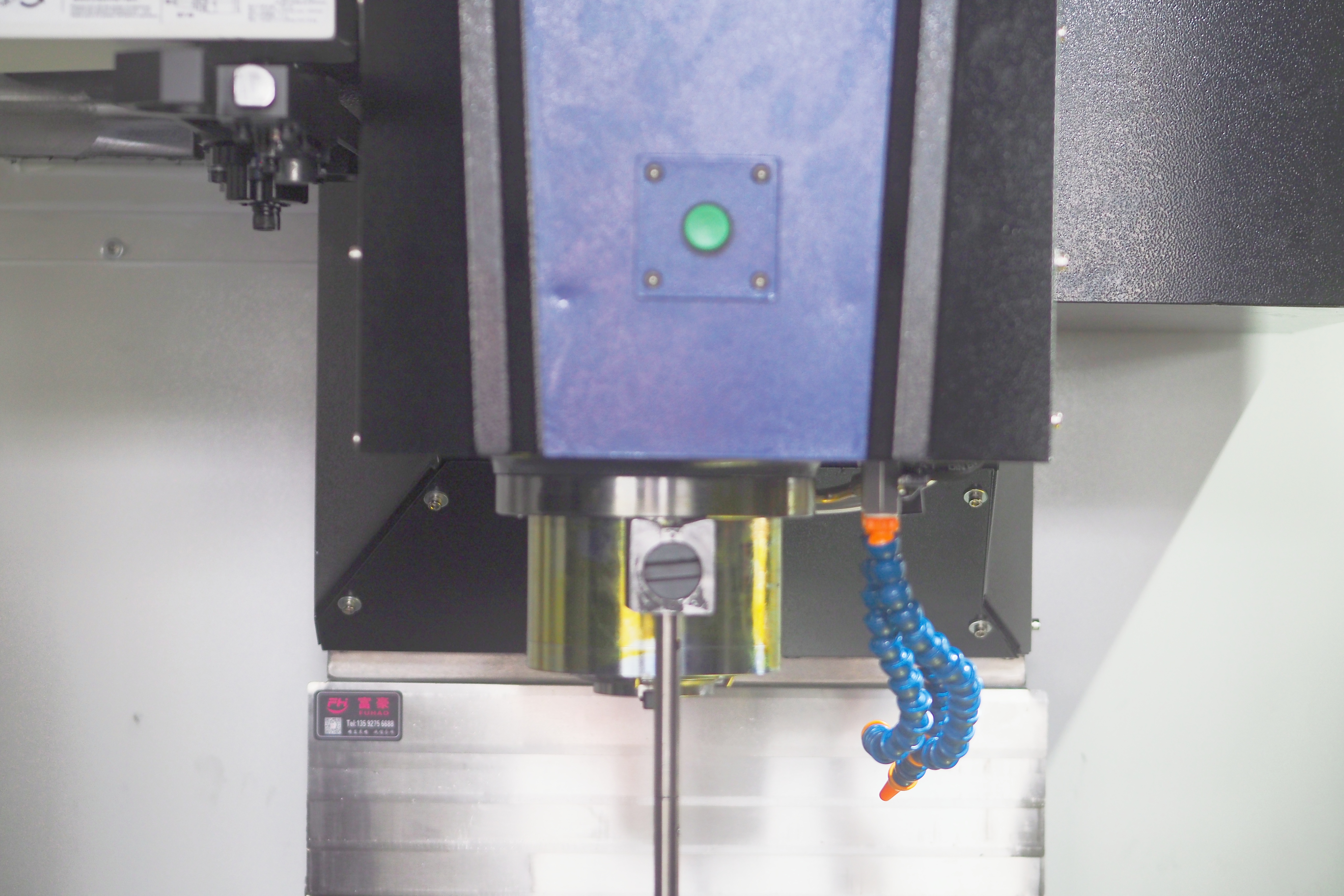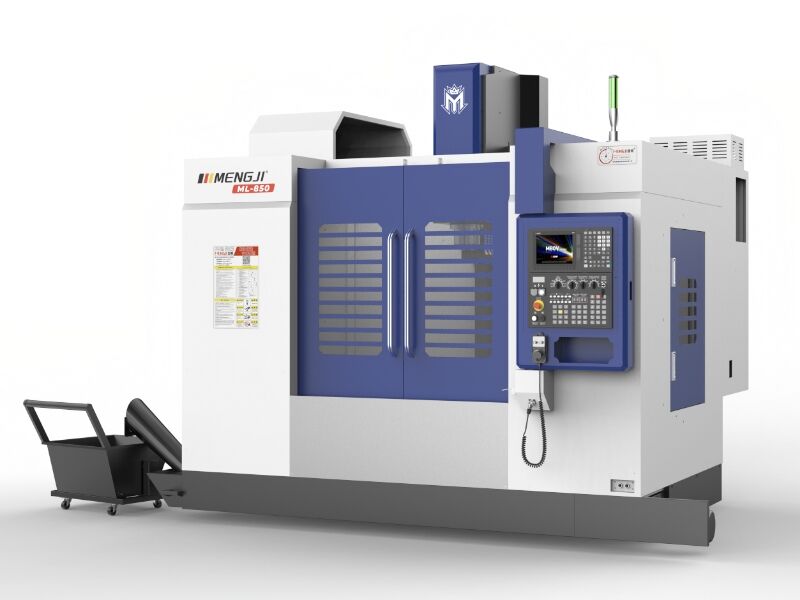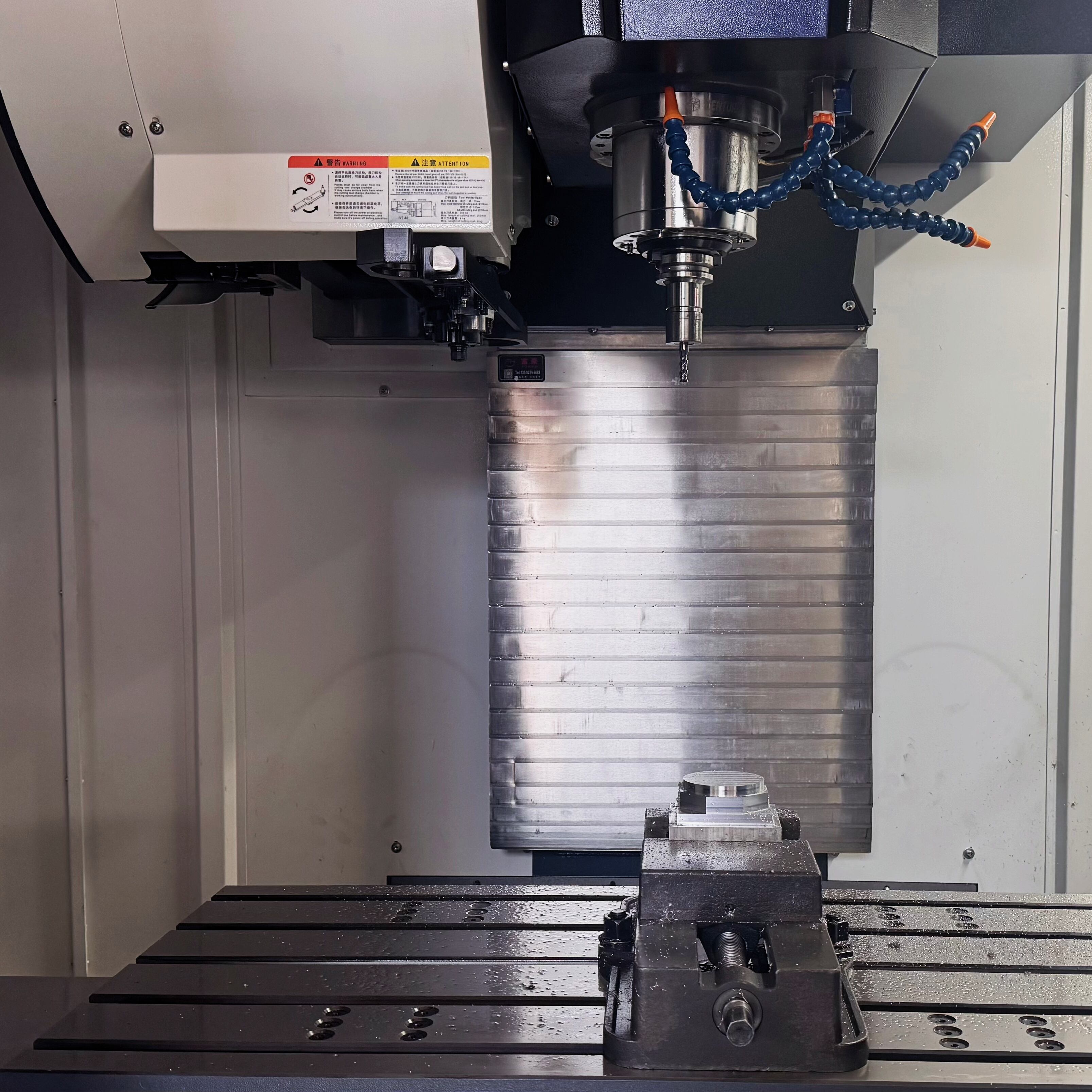
Vertical Machining Centers (VMCs) are categorized into several distinct types, each engineered to excel in specific applications, offering a range of capabilities from basic 3-axis milling to advanced multi-contour machining. The most fundamental categorization is based on the number of axes of motion. The 3-axis VMC is the industry workhorse, featuring linear X, Y, and Z movements, and is ideal for machining prismatic parts where the tool approaches the workpiece from above. It is highly effective for 2.5D profiling, pocketing, and drilling operations. The 4-axis VMC incorporates a rotary axis, typically an A-axis (rotating around the X-axis) or a B-axis (rotating around the Y-axis), mounted on the machine table. This allows for indexing the workpiece, enabling machining on multiple sides in a single setup, which is crucial for parts like camshafts or components with features on their periphery. The most advanced common type is the 5-axis VMC, which integrates two rotational axes (e.g., A and C, or B and C) that can move simultaneously with the three linear axes. This configuration allows the cutting tool to maintain an optimal orientation to the workpiece surface, enabling the machining of incredibly complex, free-form geometries, undercuts, and deep cavities in a single setup, thereby drastically improving accuracy and reducing cycle times. Beyond axes, VMCs are also differentiated by their structural design and intended use. C-frame VMCs are the most common, offering a good balance of rigidity and accessibility. Gantry-type VMCs provide superior stability for very large or heavy workpieces. Drill-tap centers are a specialized, high-speed variant optimized for rapid drilling and tapping in aluminum and other non-ferrous materials. The choice between these types depends entirely on the part geometry, required precision, production volume, and budget, with each type representing a different point on the spectrum of flexibility, capability, and cost.
Our professional sales team is always ready to assist you.