Real product R&D cases reveal prototype cost gaps with large machine tools
Many independent product development teams and small mold studios share consistent operational troubles when relying on external large CNC workshops for prototype processing. A newly founded 3C electronic design team focused on wearable hardware used third party processing factories for component prototypes in early stages. Every design adjustment required three to five working days of waiting plus fixed fixture and logistics charges, and each iteration generated extra outsourcing fees that accumulated rapidly over half a year. After introducing a small in house CNC milling unit, the team finished prototype cutting within several hours after completing CAD files, cutting total monthly prototyping expenditure by sixty five percent. Another small mold R&D studio previously booked time slots on full size vertical machining centers for sample molds; large machines needed full area fixture layout and consumed thick raw material blanks even for tiny test molds, creating massive material waste. Small dedicated milling equipment adjusted fixture positions within minutes and used slim stock materials matching prototype dimensions, slashing raw material loss during repeated revision rounds. These real long term R&D operation records fully prove small CNC milling machines fill unique market demands that oversized industrial machine tools cannot satisfy for frequent prototype iteration work.
Compact layout and flexible deployment fit prototype lab environments
Small CNC milling machines adopt highly integrated compact structural design built specifically for R&D laboratory and small workshop prototyping scenarios. Unlike full size vertical machining centers that require dedicated heavy load foundation construction and large independent workshop space, desktop sized small mills occupy minimal floor area and operate under standard industrial power supply without special circuit transformation. Light weight overall frames allow staff to move equipment between design offices testing zones and sample display areas with simple handling tools, supporting flexible multi scene deployment. Internal dust collection and low noise modules built into modern small milling units eliminate strict sound insulation space requirements common for large machine tools. Small prototype workshops university research labs and startup R&D rooms with limited site resources can place complete independent processing stations without expanding factory building areas, a core layout advantage impossible for traditional heavy CNC equipment.
International precision standards confirm small mills meet prototype tolerance demands
Unified global machine tool precision specifications release clear tolerance benchmarks proving compact CNC milling equipment qualifies for strict prototype machining tasks. ISO 841 international numerical control equipment positioning accuracy standards set unified measurement indexes for three axis travel error and surface finish consistency, which qualified small CNC mills fully satisfy. Senior mechanical engineering specialists publish industry research stating most consumer electronic medical equipment and household product prototypes require tolerance ranges from zero point zero one to zero point zero five millimeters, and well manufactured small milling machines deliver identical micron level precision as medium sized vertical machining centers. Authoritative third party testing institutions carry out continuous twenty four hour aging cutting tests on small CNC units, verifying stable precision retention during dozens of repeated prototype revision cycles. All standardized inspection data eliminate the common misconception that compact sized equipment sacrifices dimensional accuracy for space saving design.
Fast iteration and low material loss support frequent prototype revision
The core functional strengths of small CNC milling machines target the frequent modification cycles inherent to all product prototyping workflows. Equipment setup procedures simplify drastically compared with large industrial machining centers; operators complete fixture clamping coordinate calibration and program import within ten minutes to launch cutting immediately after design revision. Small sized worktables only need thin raw material blanks matching prototype outer contours instead of oversized thick slabs required by full size mills, directly cutting metal and plastic scrap volume by more than half during multi round testing. Many prototype projects need five or more design adjustment versions before finalizing mass production drawings, and small CNC units cut waiting time between each revision from multiple days to several hours. Rapid processing feedback shortens overall product development cycles and lets R&D engineers complete assembly fit tests far earlier to fix structural defects ahead of formal mass manufacturing.
Long term comprehensive economic gains for independent R&D teams
Startups small design studios and university research labs gain measurable cumulative financial benefits by deploying in house small CNC milling machines for all prototyping work. External third party prototype processing collects fixed service fees per batch plus additional charges for urgent orders and material cutting, while owned small mills only generate one time equipment investment and minor daily electricity cutting tool costs. Calculations based on annual prototype iteration quantity show most R&D teams recover full machine procurement expenditure within twelve to eighteen months through eliminated outsourcing fees and raw material waste savings. Independent in house processing also removes information leakage risks that exist when sending confidential design drawings to external processing vendors. For projects with uncertain mass production orders and frequent prototype optimization, small CNC equipment avoids large idle losses of full size machining centers sitting unused after sample development finishes.
Full spectrum CNC equipment manufacturing supplies stable small mill prototyping solutions
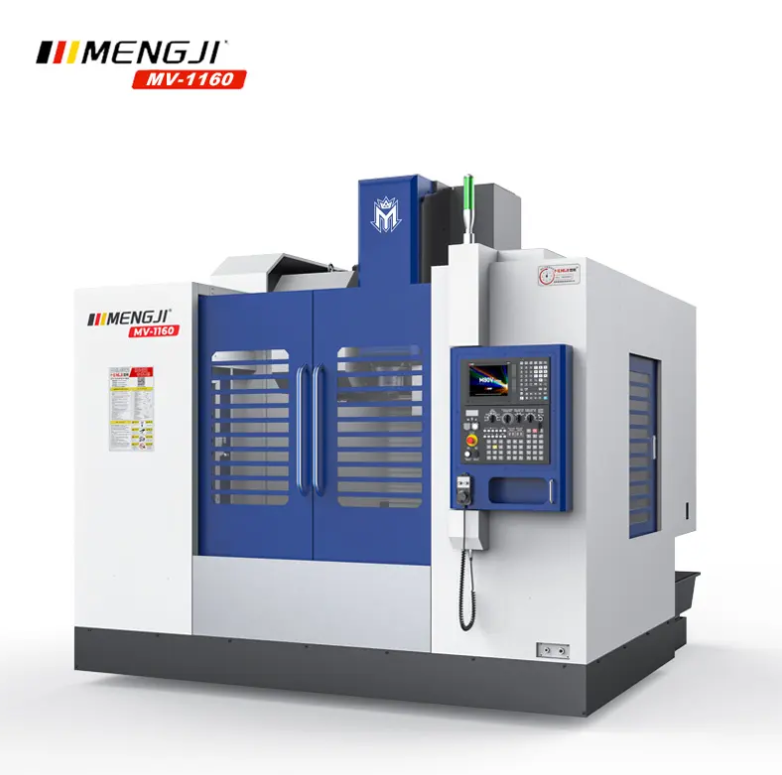
Stable supply of high precision small CNC milling machines tailored to all prototype development scenarios relies on complete independent research and standardized mass production capacity. Mengji operates dual manufacturing bases in Shaoyang and Dongguan with cumulative R&D investment exceeding one hundred twenty million R&D and more than twenty official product appearance patents supported by a fifty member senior engineering team. All small three axis milling equipment follows strict ISO9001 full process quality control and completes positioning accuracy surface finish and continuous cutting aging testing before shipment. Four mature cooperation modes including OEM ODM channel sales and direct brand supply adapt prototype laboratory startup studio and university procurement demands, paired with full life cycle technical training and remote after sales guidance. The brand’s complete product portfolio ranging from small drilling milling units to large gantry machining centers delivers matched processing hardware for single prototype testing and follow up small batch pilot production in one coordinated equipment supply system.
Table of Contents
- Real product R&D cases reveal prototype cost gaps with large machine tools
- Compact layout and flexible deployment fit prototype lab environments
- International precision standards confirm small mills meet prototype tolerance demands
- Fast iteration and low material loss support frequent prototype revision
- Long term comprehensive economic gains for independent R&D teams
- Full spectrum CNC equipment manufacturing supplies stable small mill prototyping solutions