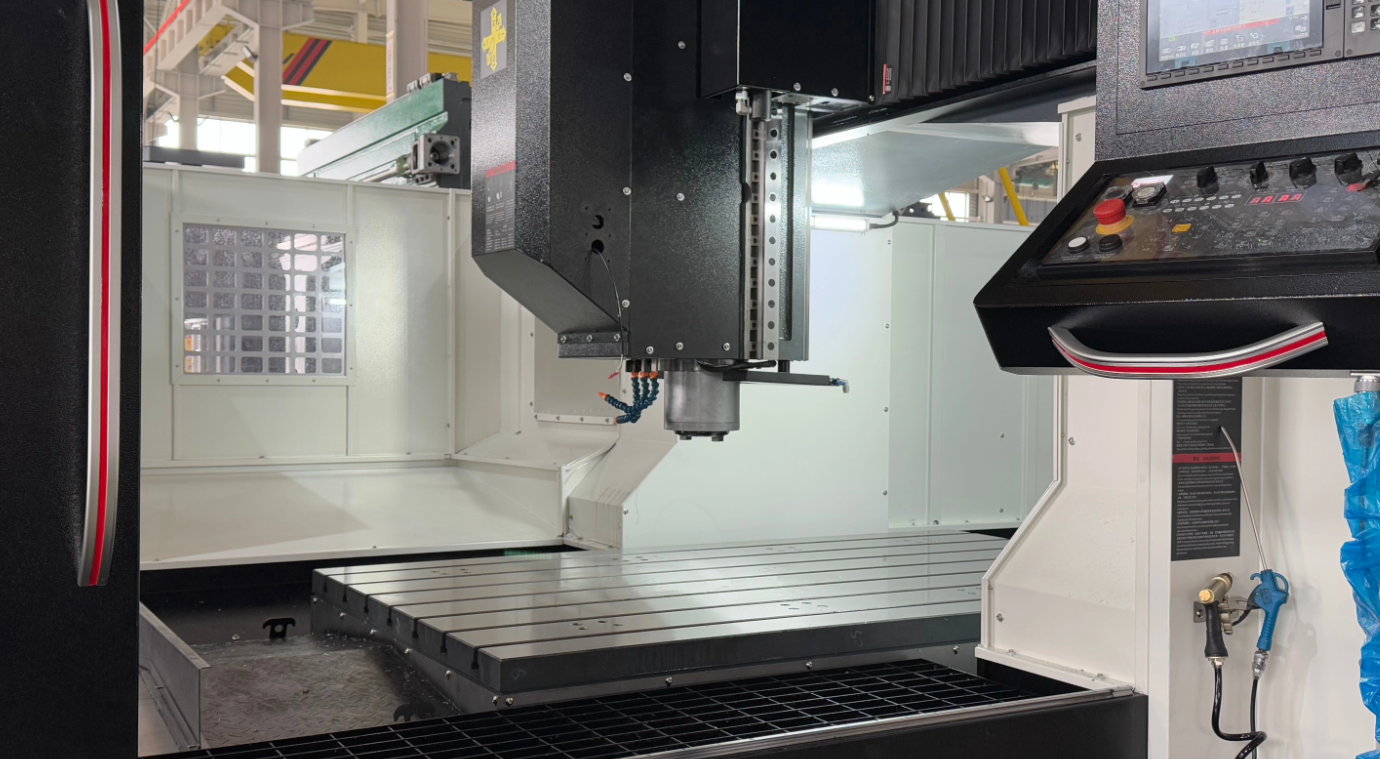
Evaluate Core Mechanical Performance and Build Quality
Frame Rigidity, Spindle Accuracy, and Linear Guide Specifications
For reliable CNC operation, everything starts with a solid base that can handle heat changes without warping. Frames made from cast iron with smart rib designs typically offer stiffness values above 18 N/µm, which helps keep vibrations at bay when running at high speeds. When checking spindle runout, it's important to test under actual working conditions. Most shops look for radial movement below 0.003 mm at top RPMs as a good standard for maintaining accurate tool positioning and consistent finishes. Linear guides need proper preloading (at least P2 grade) along with built-in lubrication systems to maintain position accuracy within around 5 microns throughout their entire range of motion. Thermal stability gets tested according to ISO 230-2 standards. Machines considered premium quality usually show temperature-related drift staying within plus or minus 0.008 mm after running continuously for eight hours straight.
Origin and Reliability of Critical Subsystems (Ball Screws, Servo Motors, CNC Controllers)
The origin of subsystem components plays a big role in determining how long equipment stays operational before needing maintenance. Take Japanese ball screws for example those with C0 or C1 accuracy ratings can boost mean time between failures by around 40% when compared against non-certified versions. Servo motors that carry EU certifications keep their torque levels stable within plus or minus 1.5% even during continuous operation, which makes all the difference when it comes to achieving precise contours in machining applications. The latest CNC controllers now feature built-in collision avoidance systems that cut down on unplanned downtime caused by crashes somewhere in the neighborhood of 60%. But none of these benefits matter if proper validation hasn't taken place first. Components need thorough testing including things like laser interferometer calibration, accelerated life cycle assessments, and getting stamped approved by recognized bodies following standards like GB/T 19001. And ultimately, being able to trace back measurements to standards maintained by NIST throughout the entire supply chain is what keeps everything technically sound from start to finish.
Verify Certification Compliance and Export Readiness
CE, ISO 9001, and GB/T Standards: What Global Buyers Need to Know
Certifications act as gateways rather than guarantees when it comes to international trade. The CE mark remains essential for getting products into the European market, showing compliance with the Machinery Directive 2006/42/EC safety standards. ISO 9001 goes beyond simple product conformity by demonstrating that a supplier has implemented a proper quality management system that gets regularly audited. For Chinese manufacturers, GB/T standards such as GB/T 19001 and GB/T 23570 set the benchmark for machine tool accuracy within the country's national framework for manufacturing practices and traceable measurements. When sourcing equipment, make sure to ask for up-to-date, officially accredited certification documents including actual test reports and working digital verification links. Cross check these against recognized databases like NANDO in Europe or CNAS in China. According to a recent 2023 supply chain audit, around one third of customs rejections were traced back to either expired certificates or ones that didn't match the intended application scope. Smart buyers should focus on suppliers who can provide complete material traceability records along with production documentation specifically tailored to match both the machine specifications and the intended market destinations.
Assess Total Value with Price-to-Performance and TCO Analysis
Benchmarking Against Japanese/German CNC Machine Tools Using ISO 230-2 Data
Looking at ISO 230-2 positioning accuracy gives us something concrete to compare. The best Japanese and German machines usually hit around 3 to 5 microns, whereas Chinese models that cost less generally manage between 5 and 8 microns. But there's another side to this story. Many modern Chinese machine tools actually have pretty decent rigidity, good torque delivery, and solid thermal compensation features now. These improvements let them remove metal at similar rates and produce parts with consistent quality for most industrial applications outside of aerospace and medical fields, where tolerances up to plus or minus 10 microns are still considered okay. What we're seeing here is a real closing of the performance gap between these different markets. And for manufacturers watching their budgets, this means getting similar results for 40 to 60 percent less money upfront.
5-Year Total Cost of Ownership: Downtime, Calibration, Labor, and Consumables
Purchase price accounts for only 30–40% of 5-year TCO. Key drivers include:
- Unplanned Downtime: Uncertified or poorly calibrated machines incur 15–20% more reactive maintenance time.
- Calibration & Compensation: Substandard thermal compensation increases annual calibration costs by $2,000–$5,000.
- Labor Efficiency: Complex diagnostics and inconsistent behavior add $12,000–$28,000 annually in troubleshooting labor per machine.
- Consumables: Lower-grade linear guides increase lubricant consumption by 30%, raising replenishment frequency and contamination risk.
Industry analysis shows Chinese CNC machines average 18–22% higher operational expenditures over five years. Smart procurement requires scenario-based TCO modeling—factoring in batch size, shift patterns, and precision requirements—to determine where upfront savings justify longer-term cost premiums.
Confirm Technical Support and After-Sales Infrastructure
Good technical support is not something extra - it's actually part of keeping operations running smoothly. When choosing suppliers, look at what they have available locally: qualified engineers who can come onsite, warehouses stocked with replacement parts nearby, plus regular maintenance schedules that prevent problems before they happen. Getting someone to supervise installation and train operators properly makes a big difference in avoiding delays when setting up new equipment and preventing breakdowns during those first few months. Check how fast they process returns and repairs, and make sure they keep enough critical parts in stock, like spindle assemblies, servo motors, and control boards. The warranty needs to cover main moving parts for at least two to three years, with clear written guarantees about how quickly they'll respond to issues and fix them. All these things work together to protect against unexpected downtime and prolong how long machines stay productive. This isn't just marketing fluff but something that actually affects bottom line costs over time.