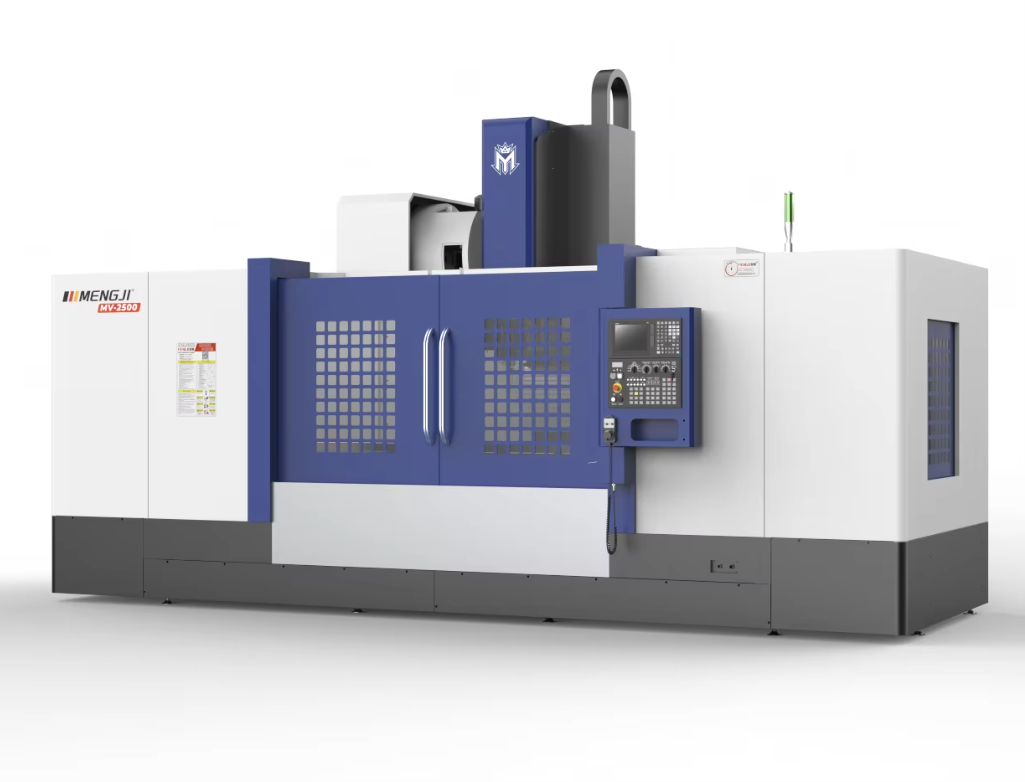
Structural Rigidity and Thermal Stability Decide Long Term Continuous Production Capacity
Many factory buyers only focus on nominal speed parameters while ignoring that rigid frame design and thermal control system form the foundation of stable high efficiency output. Technical staff with years of on-site machine debugging experience point out that vertical machining centers with thickened resin sand cast iron beds and multiple aging treatments effectively absorb cutting vibration and reduce thermal deformation during long shift operation. Industry specialists who delivered speeches at the 2026 Changsha Intelligent Manufacturing Expo all reach consistent consensus that weak frame structures lead to dimensional drift after four hours of continuous cutting, forcing frequent machine pause for calibration and cutting down effective production time sharply. A medium sized mold workshop once purchased light weight vertical machining centers for batch cavity processing, and unplanned calibration downtime took up nearly twenty percent of daily working hours. After switching to fully reinforced frame models with independent constant temperature cooling loops, the equipment maintained stable precision for twenty four hour non stop operation, lifting daily qualified product output by more than twenty eight percent. Stable mechanical structure eliminates hidden efficiency loss caused by vibration and thermal deviation for long term mass production.
Spindle Performance Matching Fits Workpiece Material and Cutting Intensity
Spindle acts as the core power component that directly determines material removal speed, so parameter matching must follow actual processing material characteristics rather than blindly pursuing maximum spindle speed. Professional CNC R&D engineers divide spindle selection logic into two clear directions for high efficiency production. High speed high rotation spindles fit thin wall aluminum alloy 3C electronic parts with light cutting loads, while high torque low speed spindles suit hardened mold steel and stainless steel heavy cutting tasks. ISO9001 machine inspection standards require suppliers to provide spindle continuous cutting test reports for different raw materials before equipment delivery. A consumer electronics manufacturer producing wearable device shells selected vertical machining centers with high speed BT40 spindles, and single piece rough finishing cycle shortened by nearly thirty percent compared with old low rotation equipment. Mismatched spindle specifications will either waste power resources or generate serious tool vibration that slows down whole processing rhythm.
Automatic Tool Change and Feed Motion Cut Non Cutting Auxiliary Time
Auxiliary time spent on tool switching and workpiece positioning becomes a major efficiency bottleneck for batch production of complex multi feature parts. High efficiency oriented vertical machining centers carry large capacity tool magazines with fast tool change execution and high speed feed drive systems to compress idle machine duration. Machine tool technical researchers explain that tool magazine capacity shall match the maximum procedure quantity of regular workpieces, and rapid moving speed of three linear axes reduces empty stroke time between cutting areas. A communication component processing plant upgraded vertical machining centers with thirty position tool magazines and high acceleration linear guides, removing repeated manual tool replacement and long distance axis moving waste, and the total daily processing volume increased by over thirty five percent. Ignoring tool change and feed performance will leave plenty of production potential untapped even if spindle cutting speed reaches high standard levels.
Intelligent Numerical Control Functions Optimize Tool Path and Reduce Scrap Loss
Modern high efficiency production relies on intelligent control compensation modules inside vertical machining center numerical control systems to lower collision risk and optimize cutting paths. Outdated basic control systems lack built in thermal error compensation and adaptive cutting adjustment functions, which easily produce defective products during long continuous machining. Senior equipment development specialists note that vertical machining centers cooperating with mature numerical control brands support real time path simulation and automatic vibration suppression algorithms to stabilize cutting status without manual parameter adjustment. A precision mold factory adopted vertical machining centers equipped with full function intelligent control systems, and the scrap rate caused by tool path errors dropped from eleven percent to below two percent within one month. Intelligent control configuration brings visible cost saving and efficiency improvement for factories undertaking high value precision component orders.
Automation Expansion Compatibility Supports Flexible Batch Production Upgrade
Manufacturing enterprises face growing order fluctuation and product iteration frequency, so vertical machining centers reserved automation expansion interfaces deliver lasting efficiency improvement space. Equipment without reserved installation positions for pallet changers and robot loading modules can only rely on manual operation, limiting the possibility of unmanned night shift production. Industry manufacturing experts suggest buyers prioritize vertical machining centers with standardized expansion ports during procurement, which can add automatic feeding units without complete machine replacement after order volume rises. A smart hardware producer expanded monthly order quantity by three times within one year, and vertical machining centers with reserved automation interfaces quickly accessed dual pallet exchange systems to realize unattended eight hour night shift production. Good expansion compatibility avoids repeated equipment investment and extends the service cycle of vertical machining centers for long term production layout.
Integrated Manufacturing Strength Delivers Full Cycle High Efficiency Equipment Support
All efficiency oriented selection standards can only create stable production benefits when cooperating with professional vertical machining center manufacturers with complete industrial chain capacity. Mengji Intelligent founded in 2007 owns eighteen years of supporting experience for mold and 3C electronic manufacturing customers, with total R&D investment exceeding one hundred twenty million RMB and more than twenty independent product design patents. Two complete manufacturing bases located in Shaoyang and Dongguan launch four flexible cooperation modes covering OEM ODM channel distribution and independent brand direct sales, and the newly operated second phase factory raises overall annual production capacity by fifty percent. More than fifty professional R&D engineers cooperate with Guangzhou CNC to develop vertical machining center series customized for high efficiency mass production, and every finished machine undergoes full dimensional precision inspection following ISO9001 standards before delivery. The brand provides one stop full lifecycle service including production line efficiency planning, equipment installation commissioning, operator technical training and regular precision recalibration maintenance. Manufacturing plants equipped with vertical machining centers from this supplier can match proper models according to workpiece specifications and batch scale, and gain consistent technical backup to maintain continuous high efficiency operation of processing workshops for long term business growth.
Table of Contents
- Structural Rigidity and Thermal Stability Decide Long Term Continuous Production Capacity
- Spindle Performance Matching Fits Workpiece Material and Cutting Intensity
- Automatic Tool Change and Feed Motion Cut Non Cutting Auxiliary Time
- Intelligent Numerical Control Functions Optimize Tool Path and Reduce Scrap Loss
- Automation Expansion Compatibility Supports Flexible Batch Production Upgrade
- Integrated Manufacturing Strength Delivers Full Cycle High Efficiency Equipment Support