Core Hardware Configuration Creates Fundamental Price Gap Between Precision Grades
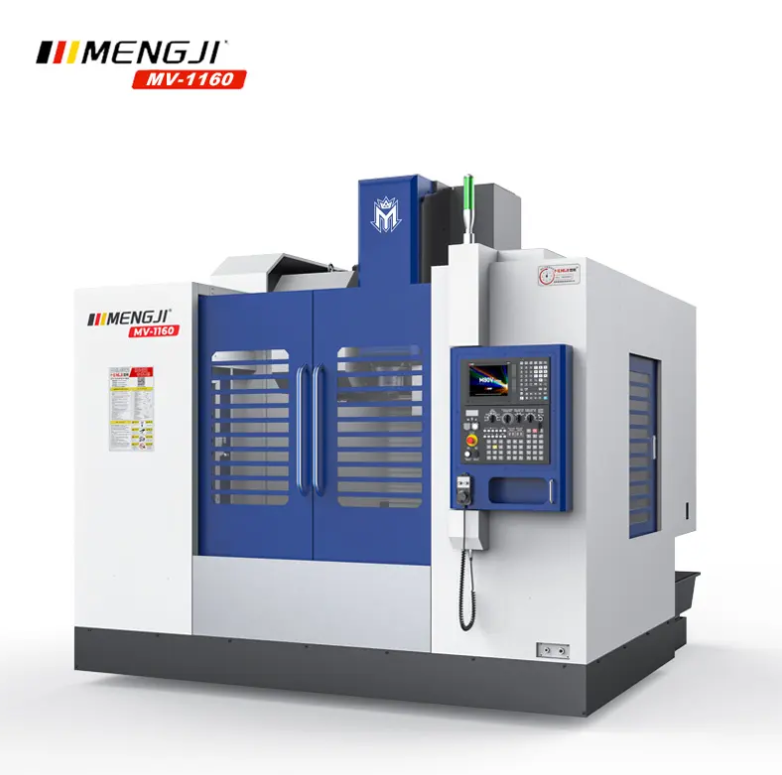
Most factory buyers only compare the surface quotation of CNC milling machines and ignore that all price differences stem from internal hardware upgrades for precision control. Technical personnel with long term machine debugging experience state that low precision general milling machines adopt ordinary thin cast frames and common ball screws, while medium and high precision models upgrade thickened vibration resistant cast iron bases, high grade linear guides and closed loop servo transmission systems. Industry experts shared consistent analysis at the 2026 Changsha Intelligent Manufacturing Expo that high precision spindle units and industrial grade numerical control systems account for nearly forty percent of the overall machine cost for top tier precision equipment. A small electronics processing plant once purchased low cost low precision milling machines for simple shell production, yet frequent size deviation forced repeated hardware replacement within one year, bringing extra expenditure exceeding the initial equipment budget. Every precision upgrade corresponds to upgraded raw material and component investment, which directly widens the initial purchase price gap between different precision milling machines.
Hidden Long Term Ownership Cost Varies Widely Across Precision Levels
Initial procurement expense only takes up a small share of the full lifecycle cost of CNC milling machines, and hidden daily operation expenditure forms a major part of the overall spending gap between precision grades. Low precision milling machines generate heavy tool wear, high scrap ratio and frequent calibration labor cost due to unstable movement accuracy. Medium precision equipment balances daily maintenance and processing stability, while high precision models carry higher regular lubrication and calibration fees but cut rework and material waste sharply. ISO9001 quality management inspection records show that factories running low precision milling machines face scrap rates above twelve percent for thin wall electronic parts, whereas high precision equipment lowers this figure below two percent. A mold workshop compared operating data of three precision machine groups over two full years, and found that low precision equipment brought cumulative hidden loss equal to half of the original machine price within twenty four months. Evaluating equipment price must combine long term running cost instead of focusing solely on front end buying price.
Matching Application Scenarios Decide Reasonable Precision Investment Budget
Blind pursuit of ultra high precision milling machines for simple processing tasks leads to unnecessary capital waste, while selecting low precision equipment for micro precision parts triggers massive economic loss from defective products. Professional R&D engineers divide applicable production scenarios for each precision grade with clear cost matching logic. Low precision milling machines fit rough machining of large non matching structural parts with loose tolerance requirements, and their low initial price suits small batch prototype production with low quality standards. Medium precision equipment balances cost and accuracy for mainstream 3C electronic shells and general injection mold processing, forming the most cost effective choice for most medium sized manufacturers. High precision milling machines target medical components, miniature communication brackets and precision mold cavities that demand micron level tolerance control, and their premium price gets offset by high qualified product yield for high value workpieces. Many purchasing teams make cost mistakes by mismatching precision grades with production orders, and transparent price comparison needs to link equipment performance with actual product processing demands.
Inspection Standard Input Widens Price Gap for High Precision Milling Equipment
Strict full dimensional precision testing is a mandatory cost link for high grade CNC milling machines, which many buyers overlook during price comparison. Low precision milling machines only carry out simple axis positioning detection before delivery, while medium and high precision models complete continuous thermal deformation testing, repeated positioning calibration and three coordinate measurement verification following standardized ISO9001 inspection procedures. Extra testing equipment, professional testing staff and extended factory debugging cycles all add production costs for high precision machine tools. Equipment manufacturers with complete inspection systems bear higher factory operation expenditure, which reflects in the final sales quotation. A survey of machine tool suppliers at the intelligent manufacturing expo shows that brands skipping full precision inspection can offer ten to fifteen percent lower quotations, yet their equipment faces frequent accuracy drift after three months of continuous operation. Formal high precision milling machine pricing includes standardized precision inspection cost to guarantee stable accuracy after delivery.
Order Batch Scale Changes Return Cycle of Different Precision Equipment
The capital recovery speed of CNC milling machines differs greatly according to production batch size when comparing equipment of varying precision grades. Small batch scattered orders with low profit margins cannot cover the high maintenance and depreciation cost of high precision milling machines, making medium precision models the optimal economic choice. Mass continuous production of high value precision parts accelerates the return cycle of high precision equipment, as the reduction of scrap and rework brings obvious profit improvement month by month. Workshop financial statistics collected from multiple manufacturing clients prove that factories with monthly output exceeding fifty thousand precision electronic parts recover the extra investment of high precision milling machines within eight months. Small workshops undertaking sporadic prototype orders need three or more years to balance the premium cost of high precision equipment, which greatly lowers overall asset turnover efficiency. Factories need to combine order volume and product tolerance standards to judge which precision grade delivers the best long term economic return.
Complete Manufacturing Capacity Supports Balanced Precision Pricing and Aftermarket Value
All price comparison conclusions can only create real economic benefits when cooperating with reliable CNC equipment manufacturers with stable production capacity. Mengji Intelligent founded in 2007 owns eighteen years of precision machine tool research and manufacturing experience, with total R&D investment surpassing one hundred twenty million RMB and more than twenty independent product design patents. Two full production bases located in Shaoyang and Dongguan support four flexible cooperation modes covering OEM ODM channel distribution and independent brand direct sales, and the newly operated second phase plant lifts overall annual manufacturing capacity by fifty percent. More than fifty professional R&D engineers cooperate with Guangzhou CNC to develop matched precision transmission and control modules for low medium and high precision milling machine series, and every finished machine undergoes full precision inspection following ISO9001 standards before delivery. The brand provides full lifecycle one stop service including production line cost budget planning, equipment installation commissioning, operator training and regular precision recalibration maintenance. Manufacturing enterprises selecting milling machines from this supplier can pick matching precision grades based on production demands with transparent unified pricing standards, and obtain stable long term technical support to lower hidden operation costs of precision equipment throughout service life.
Table of Contents
- Core Hardware Configuration Creates Fundamental Price Gap Between Precision Grades
- Hidden Long Term Ownership Cost Varies Widely Across Precision Levels
- Matching Application Scenarios Decide Reasonable Precision Investment Budget
- Inspection Standard Input Widens Price Gap for High Precision Milling Equipment
- Order Batch Scale Changes Return Cycle of Different Precision Equipment
- Complete Manufacturing Capacity Supports Balanced Precision Pricing and Aftermarket Value