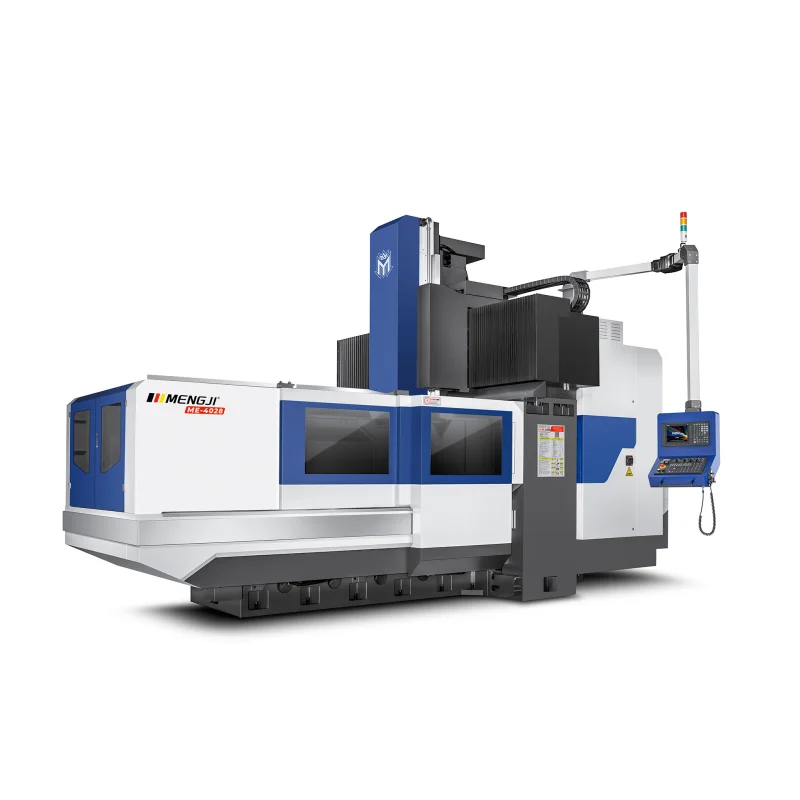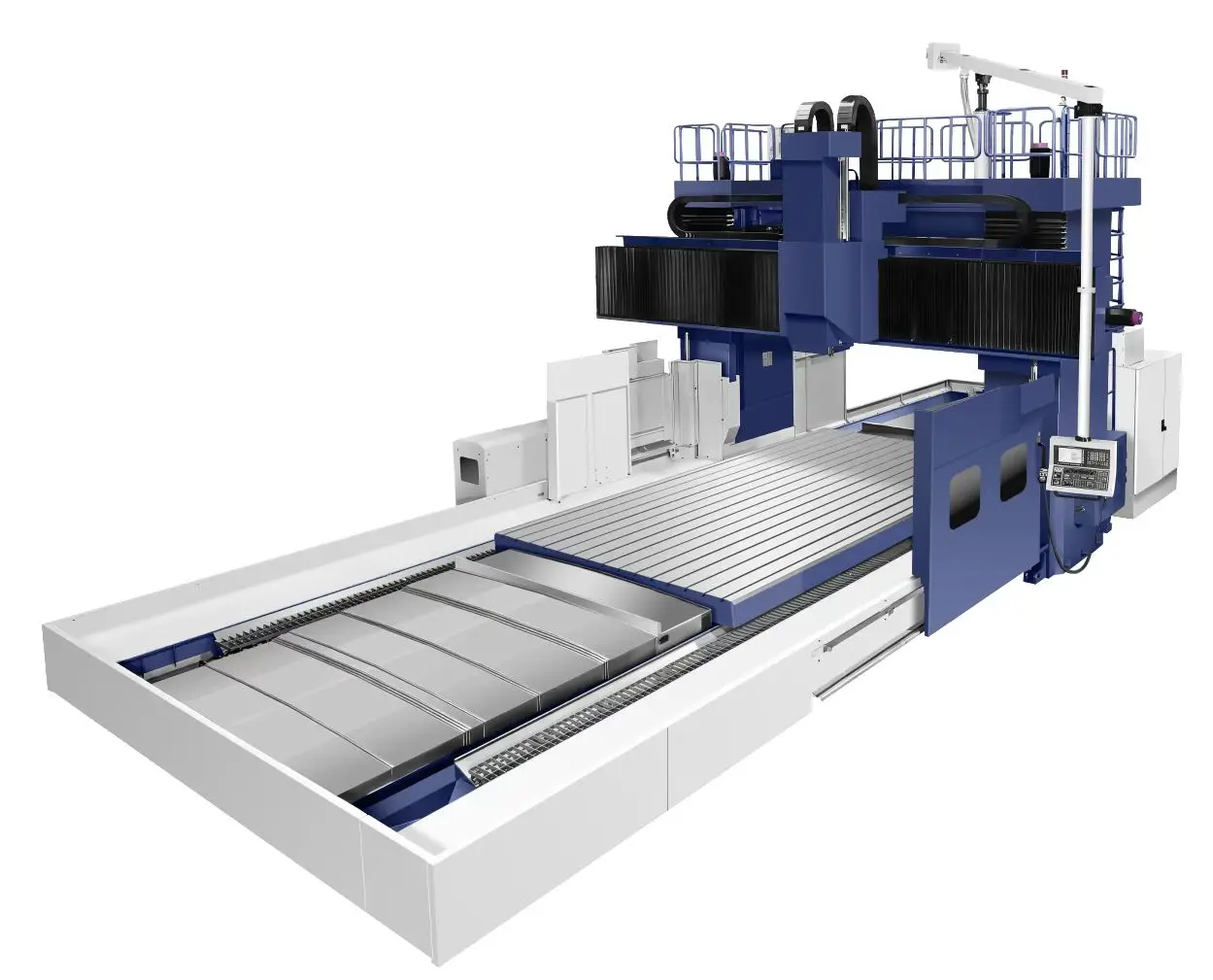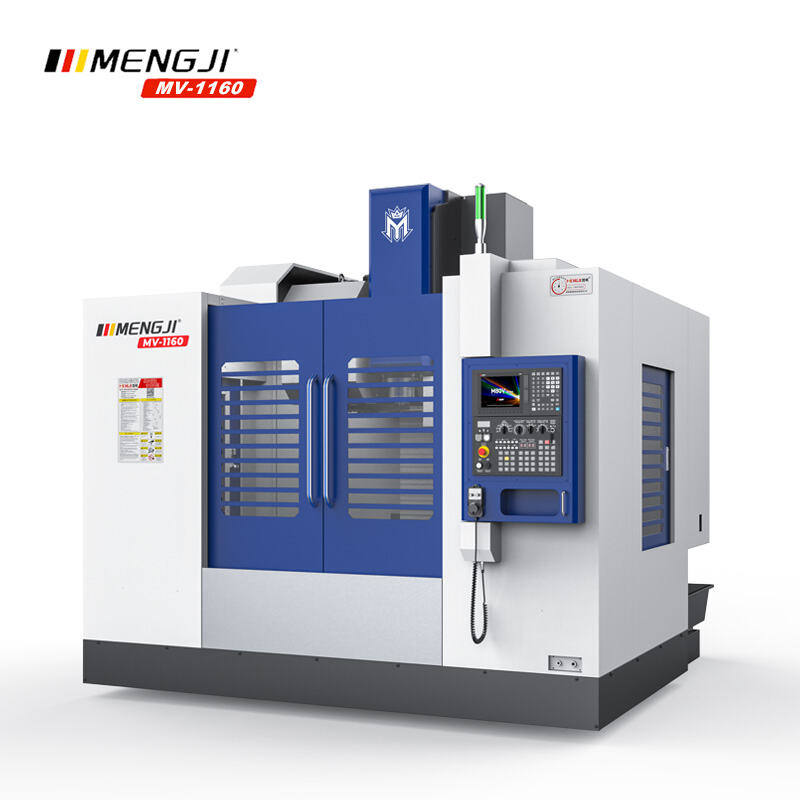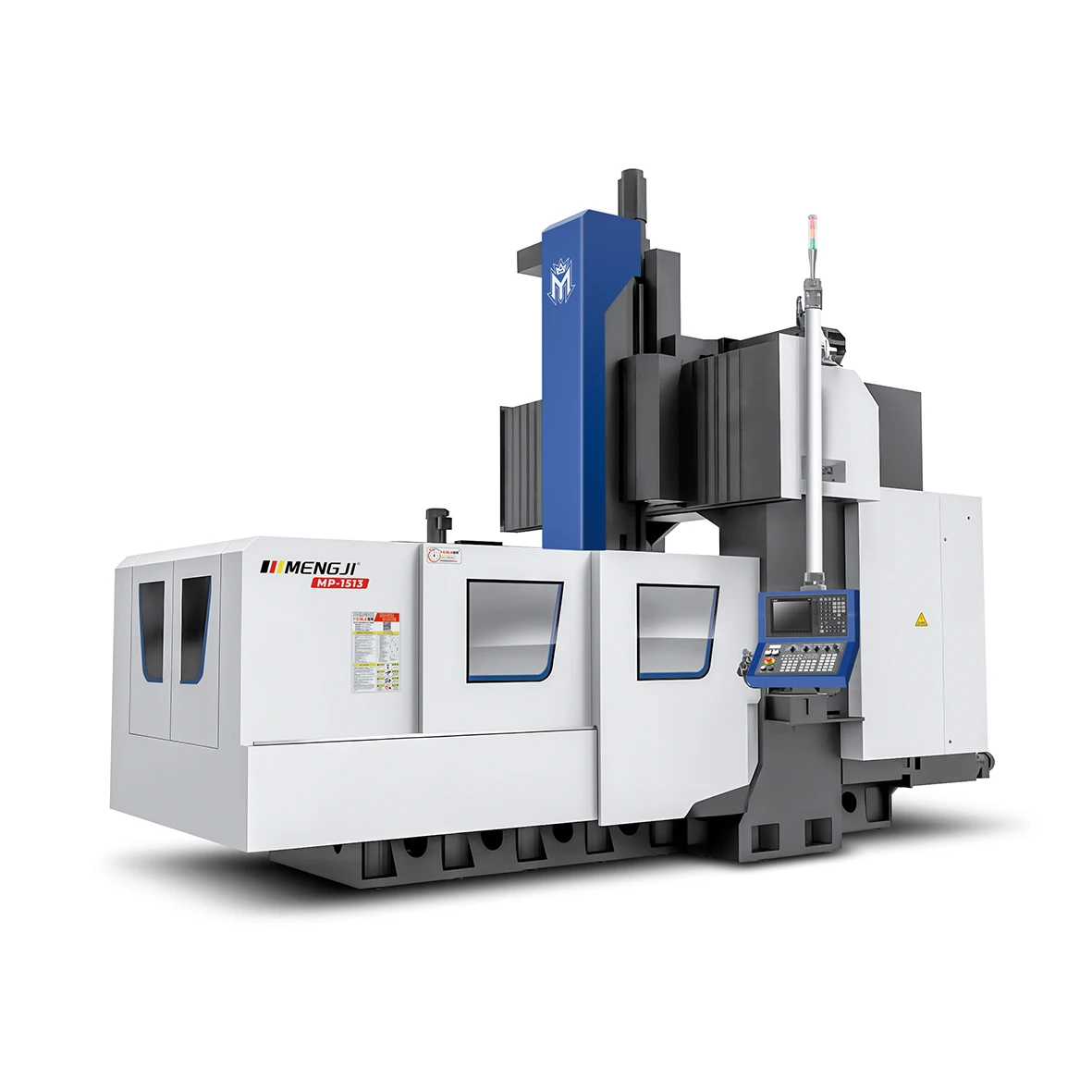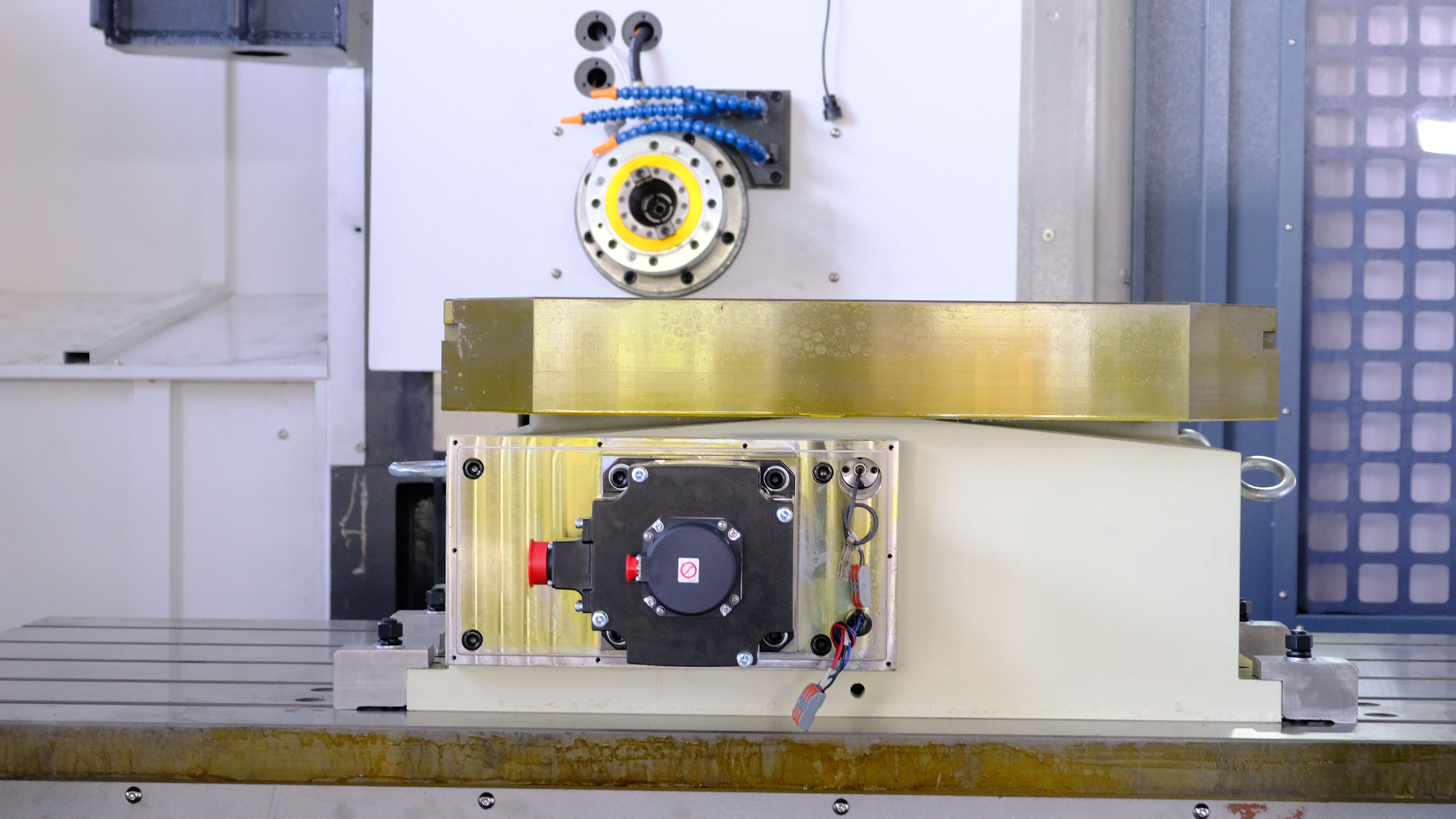
5-axis milling represents an advanced manufacturing technology that enables simultaneous movement along five different axes, providing unparalleled geometric freedom for machining complex components. This sophisticated process utilizes CNC systems capable of coordinating three linear axes (X, Y, Z) with two rotational axes (typically A and B, or B and C) in a continuous, synchronized manner. The technology exists in multiple configurations including trunnion-style tables where the workpiece rotates on two axes, and swiveling spindle heads where the cutting tool tilts and rotates. This simultaneous 5-axis capability allows the cutting tool to maintain optimal orientation to the workpiece surface throughout the machining process, enabling the production of deep cavities, undercuts, compound angles, and complex sculpted surfaces that would be impossible with conventional 3-axis machining. The process dramatically reduces production time by enabling complete machining of complex parts in single setups, eliminating multiple fixturing operations and associated cumulative errors. This "done-in-one" approach guarantees higher overall accuracy and eliminates datum shift between operations. The technology also facilitates the use of shorter, more rigid cutting tools, which minimizes vibration and deflection, resulting in superior surface finishes and the ability to achieve finer details. 5-axis milling requires sophisticated CAM programming and comprehensive understanding of machine kinematics to generate efficient, collision-free toolpaths. It has become indispensable for manufacturing aerospace components, complex molds, medical implants, automotive prototypes, and other high-value components where geometric complexity and precision are paramount requirements.
Our professional sales team is always ready to assist you.