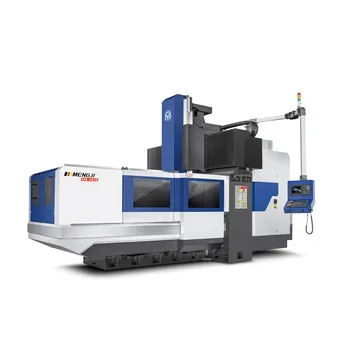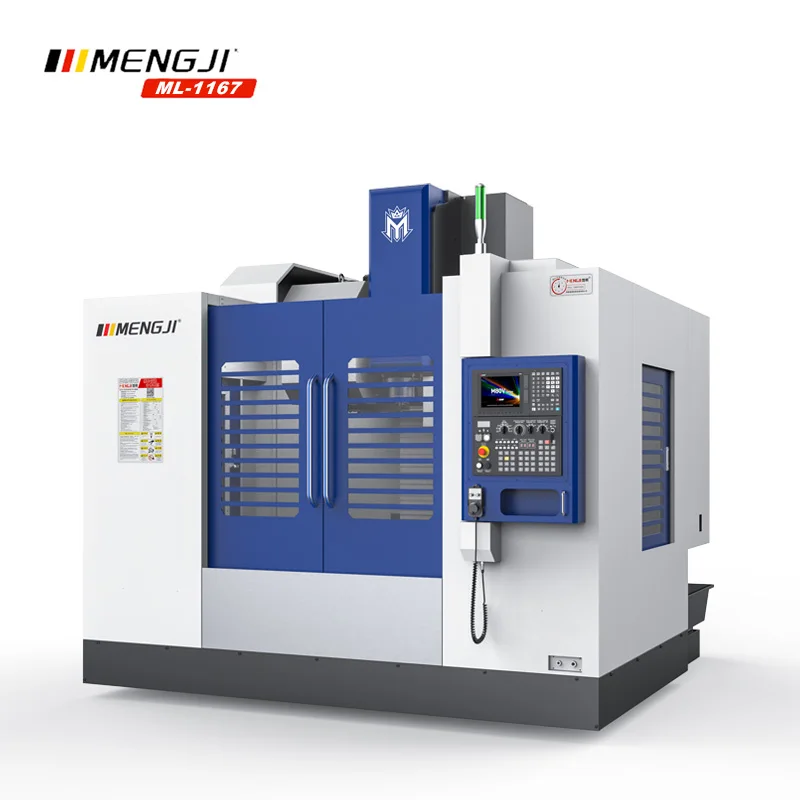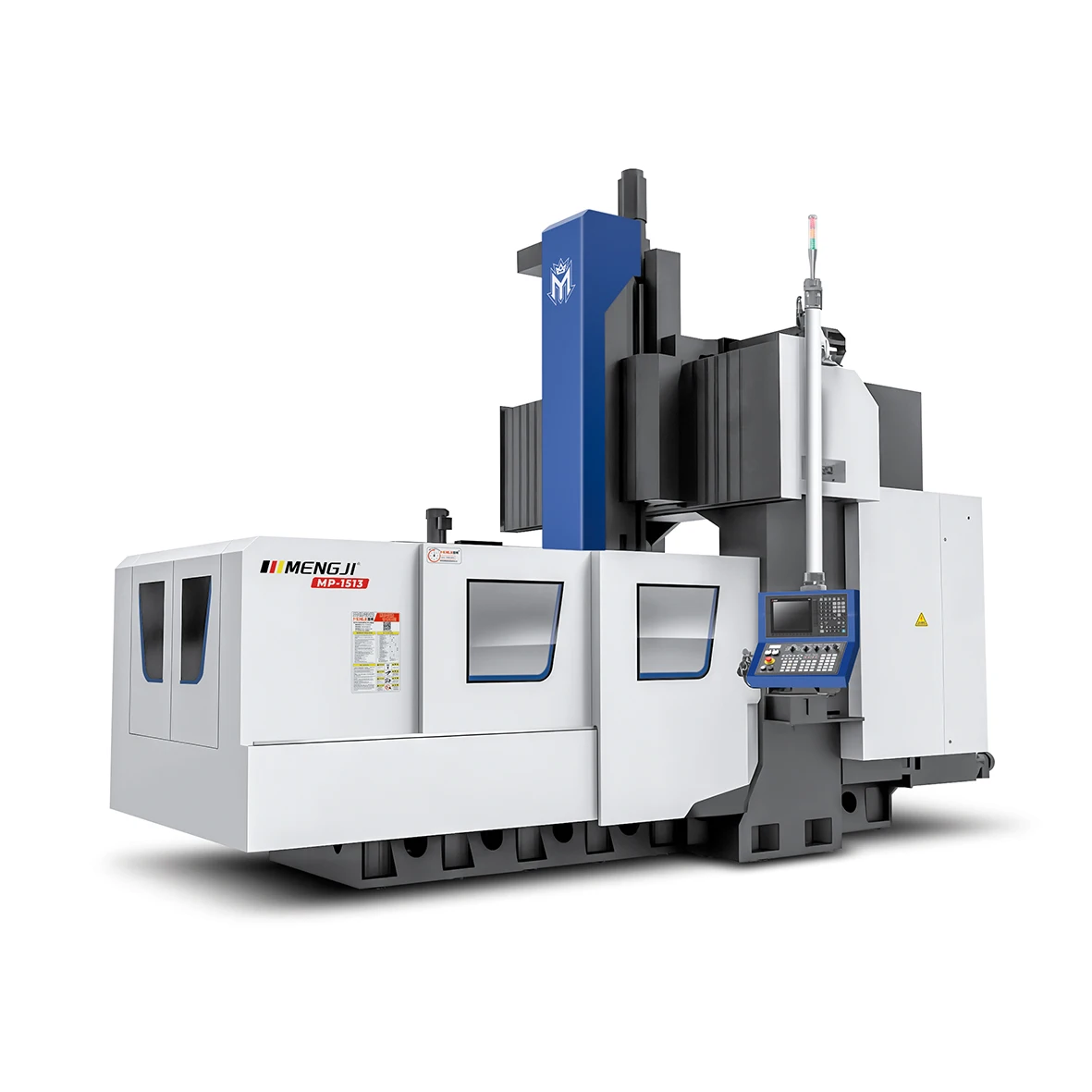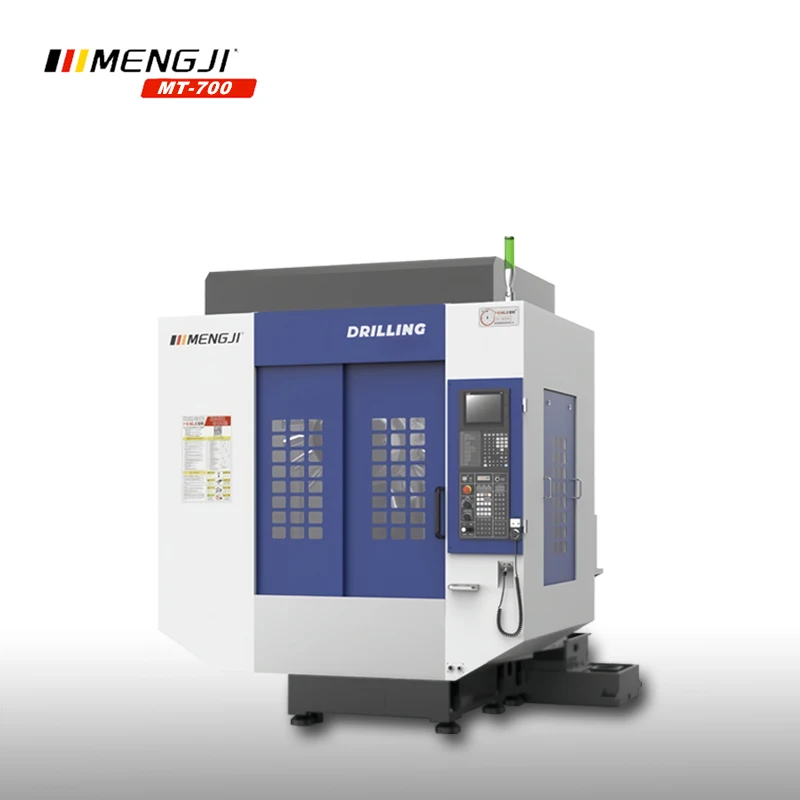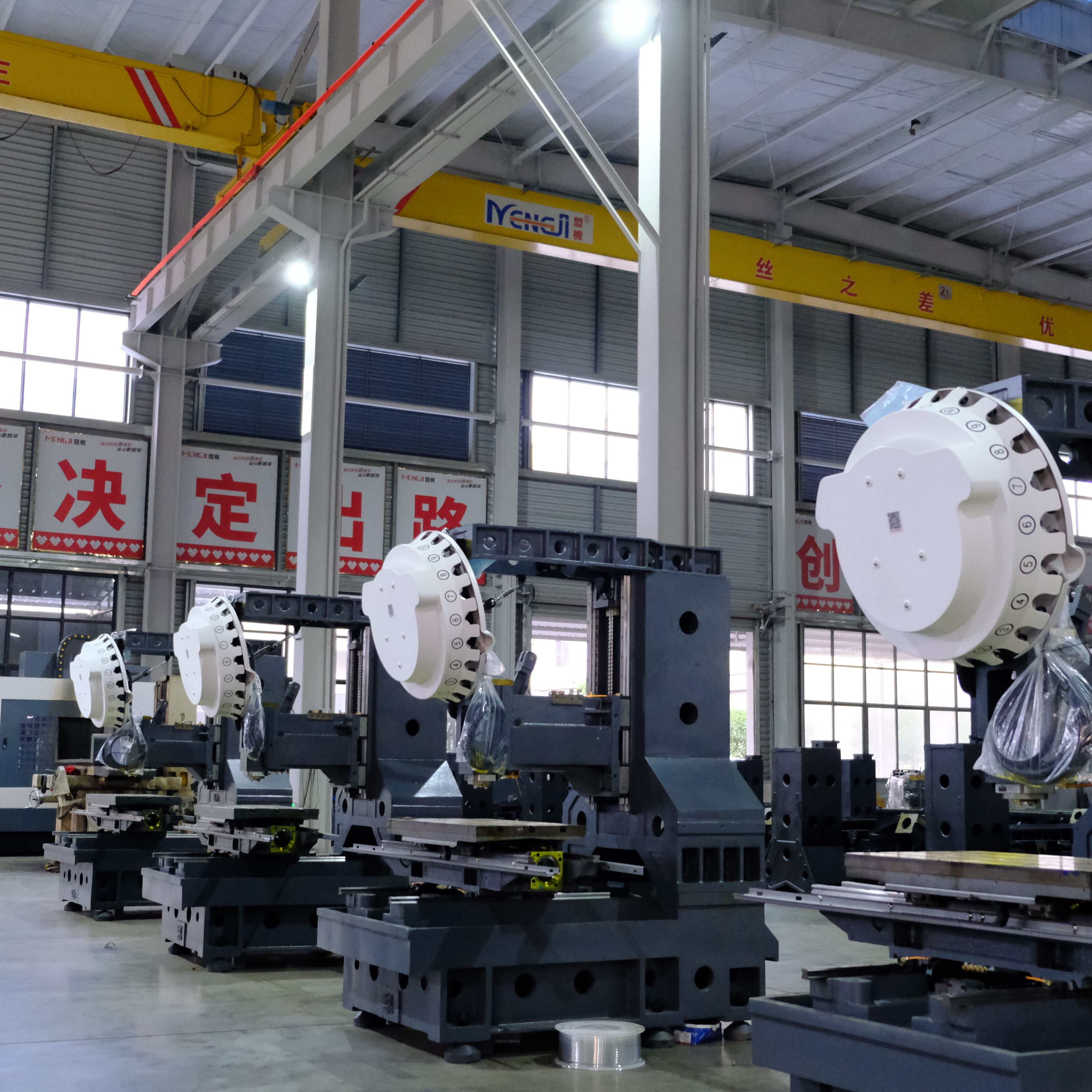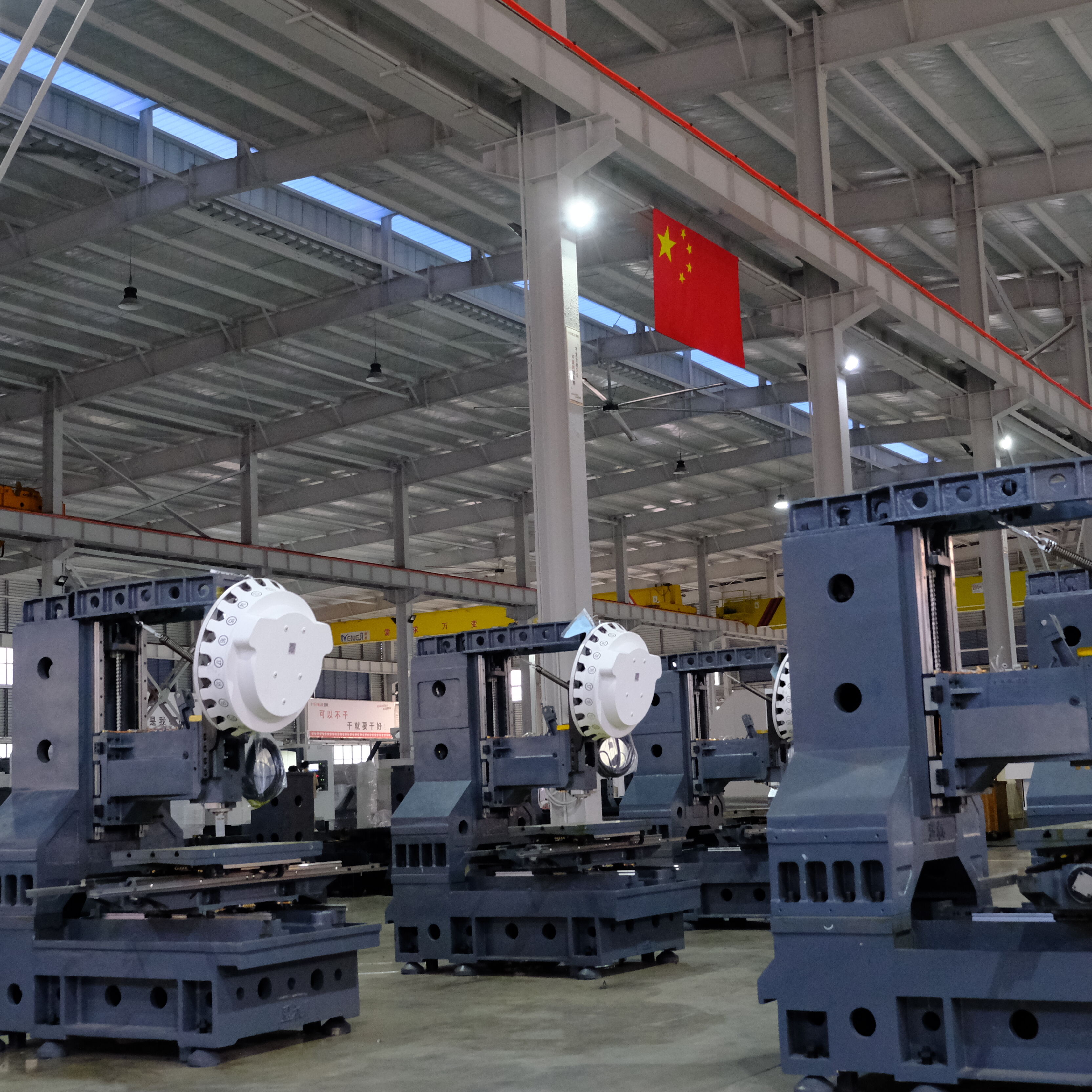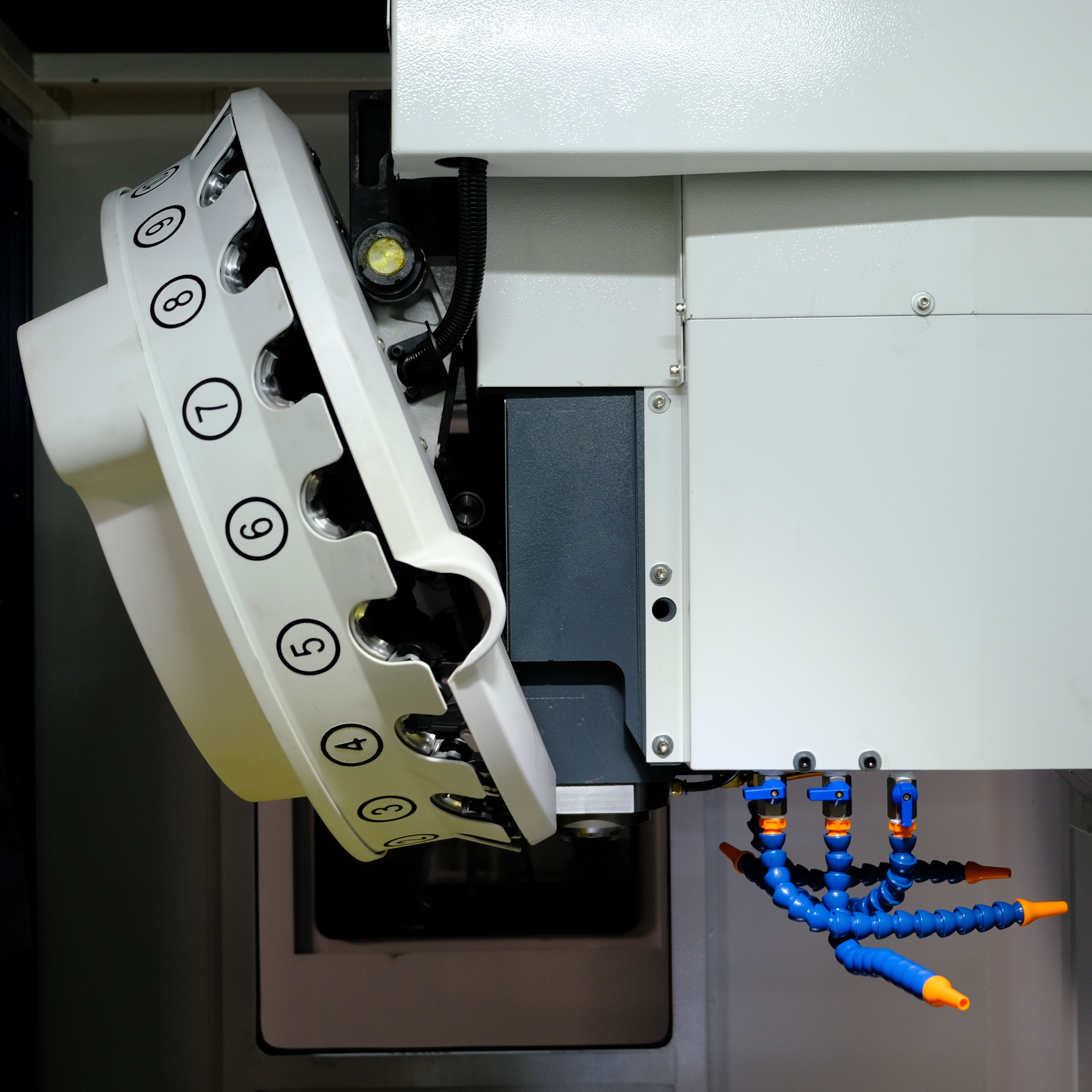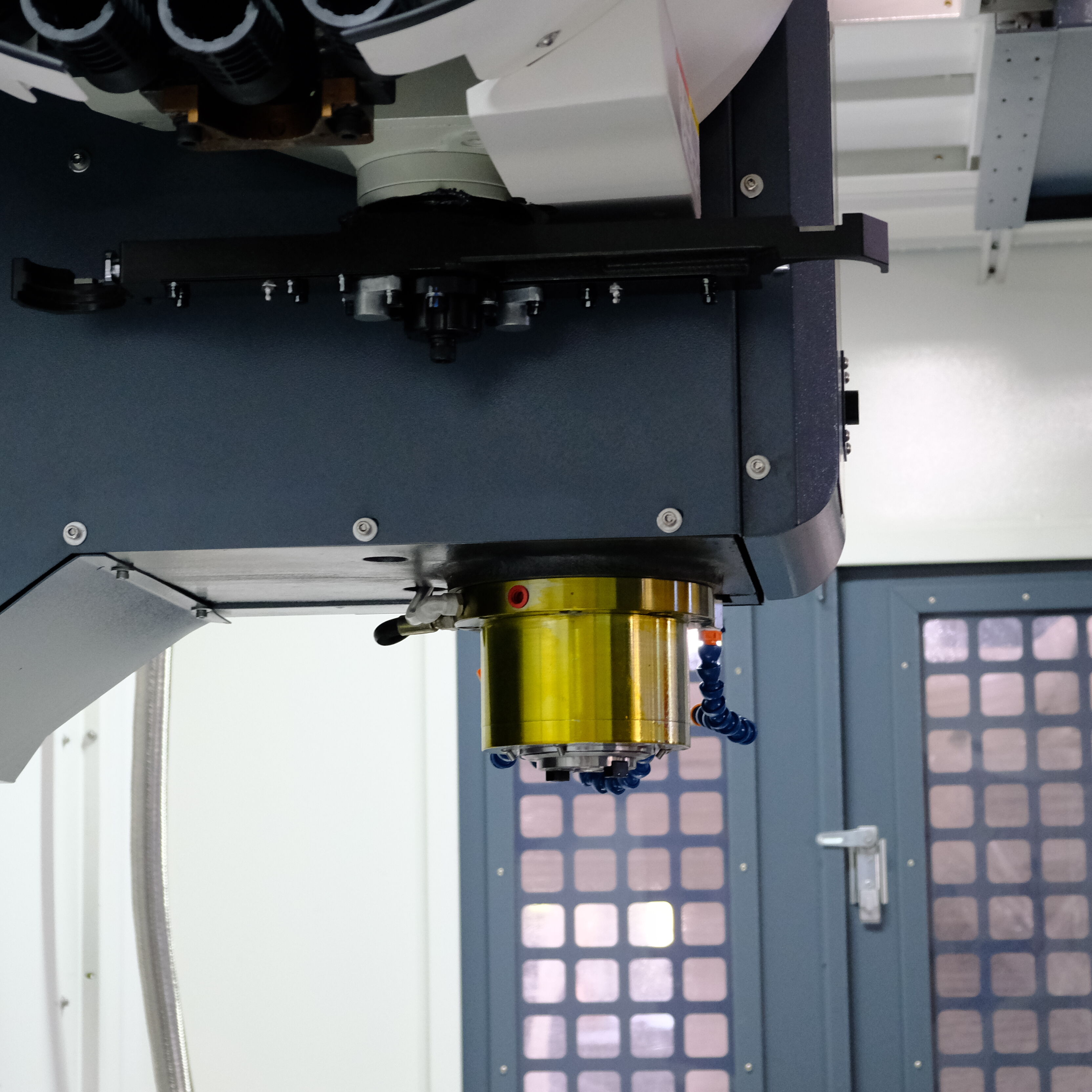
A five-axis CNC milling machine represents the pinnacle of contemporary machining technology, capable of simultaneous coordinated movement along five independent axes: three linear axes (X, Y, Z) and two rotational axes (typically A and B, or B and C). This advanced kinematic configuration provides unparalleled geometric freedom, enabling the cutting tool to maintain optimal orientation to complex workpiece surfaces throughout the machining process. The technology exists in multiple mechanical implementations including trunnion-style tables where the workpiece rotates on two axes, swiveling spindle heads where the cutting tool tilts and rotates, and hybrid combinations of both approaches. This simultaneous five-axis capability fundamentally transforms manufacturing possibilities by enabling single-setup machining of deep cavities, undercuts, compound angles, and complex sculpted surfaces that would be impossible or prohibitively inefficient with conventional three-axis machining. The technology dramatically reduces production lead times by eliminating multiple fixturing operations and associated cumulative errors, while also facilitating the use of shorter, more rigid cutting tools that minimize vibration and deflection for superior surface finishes. The sophisticated programming requirements demand advanced CAM software with robust collision avoidance capabilities and comprehensive understanding of machine kinematics. As an indispensable manufacturing solution, five-axis CNC milling technology has become fundamental across aerospace (for turbine blades and structural components), automotive (for molds and prototypes), medical (for implants and surgical guides), and energy sectors, enabling the production of highly complex components with exceptional precision and efficiency that defines the state of the art in subtractive manufacturing.
Our professional sales team is always ready to assist you.