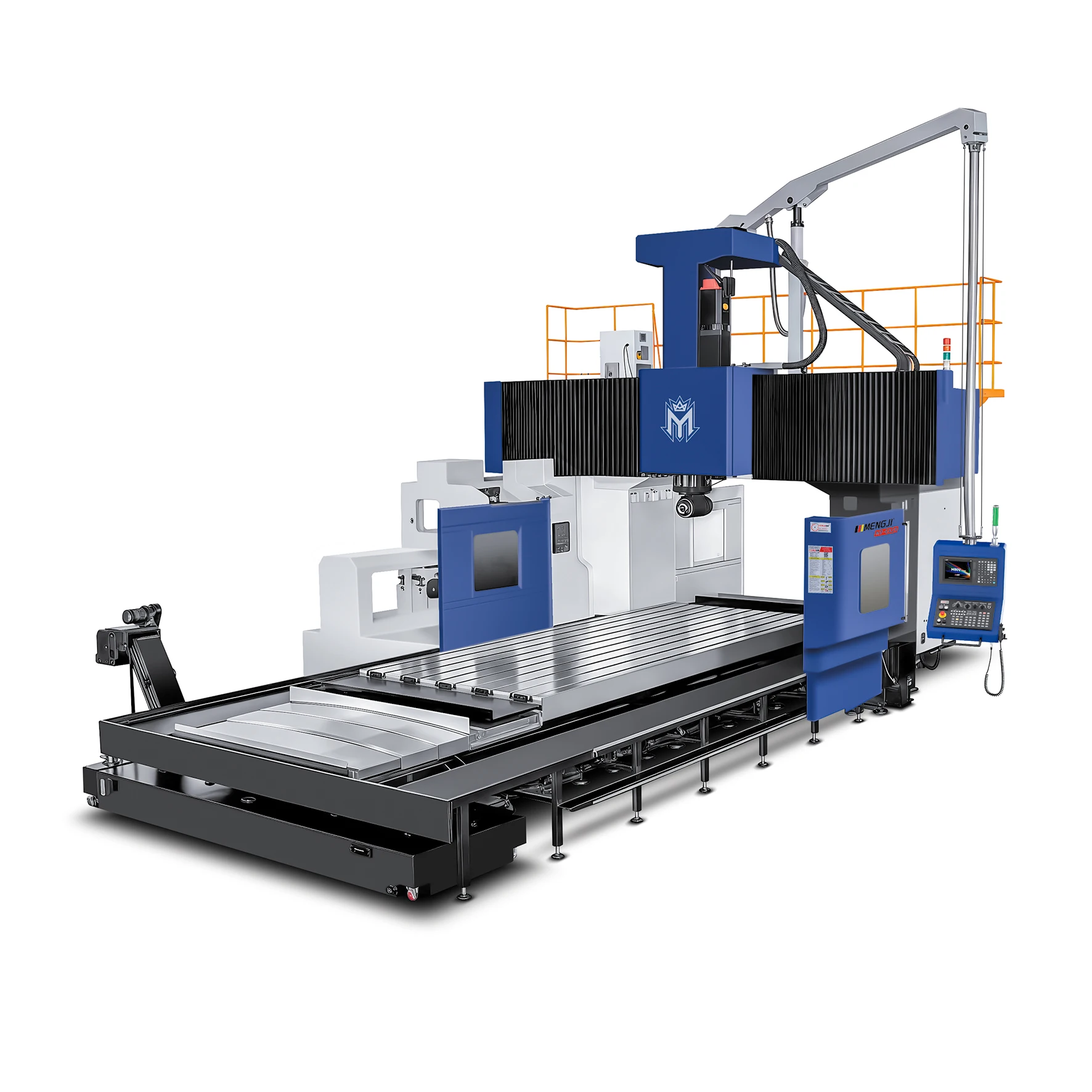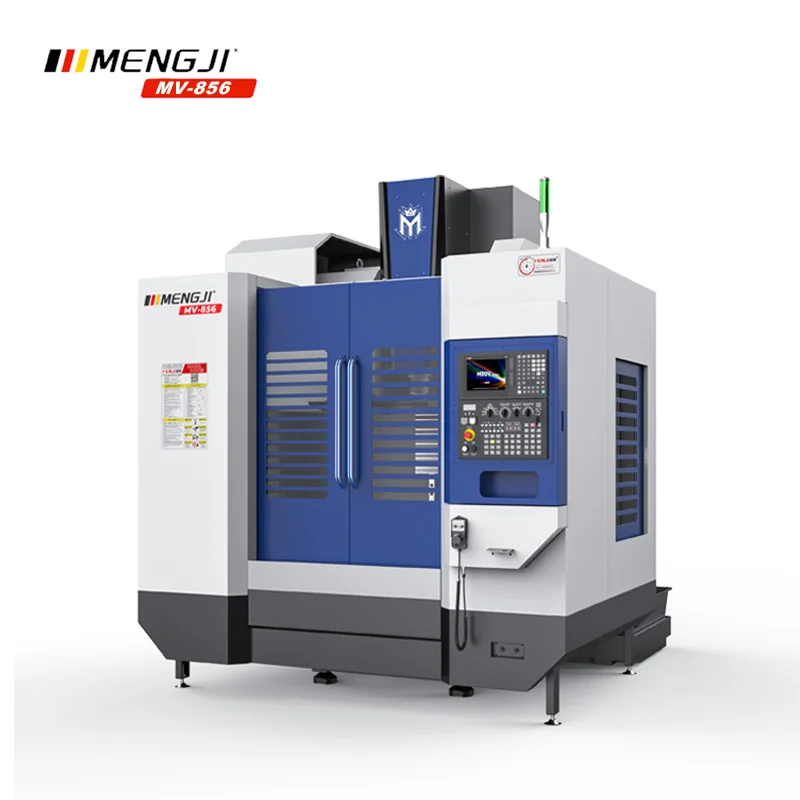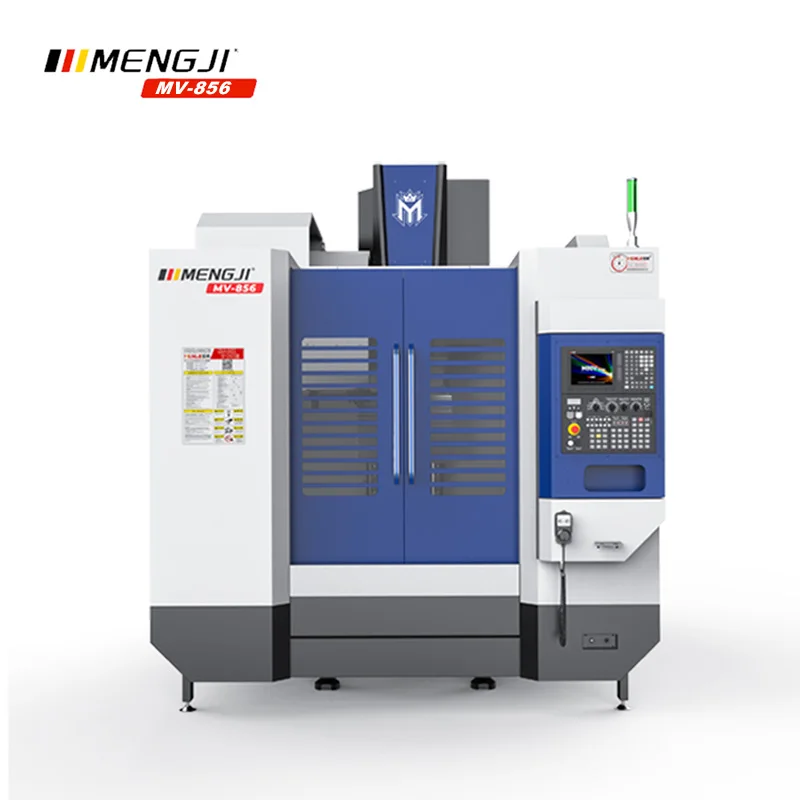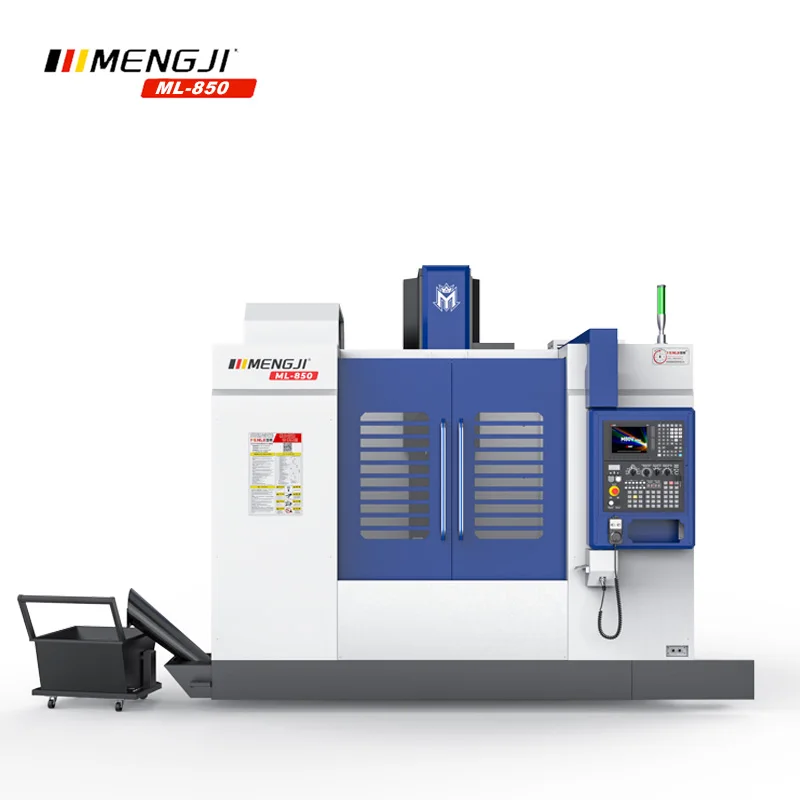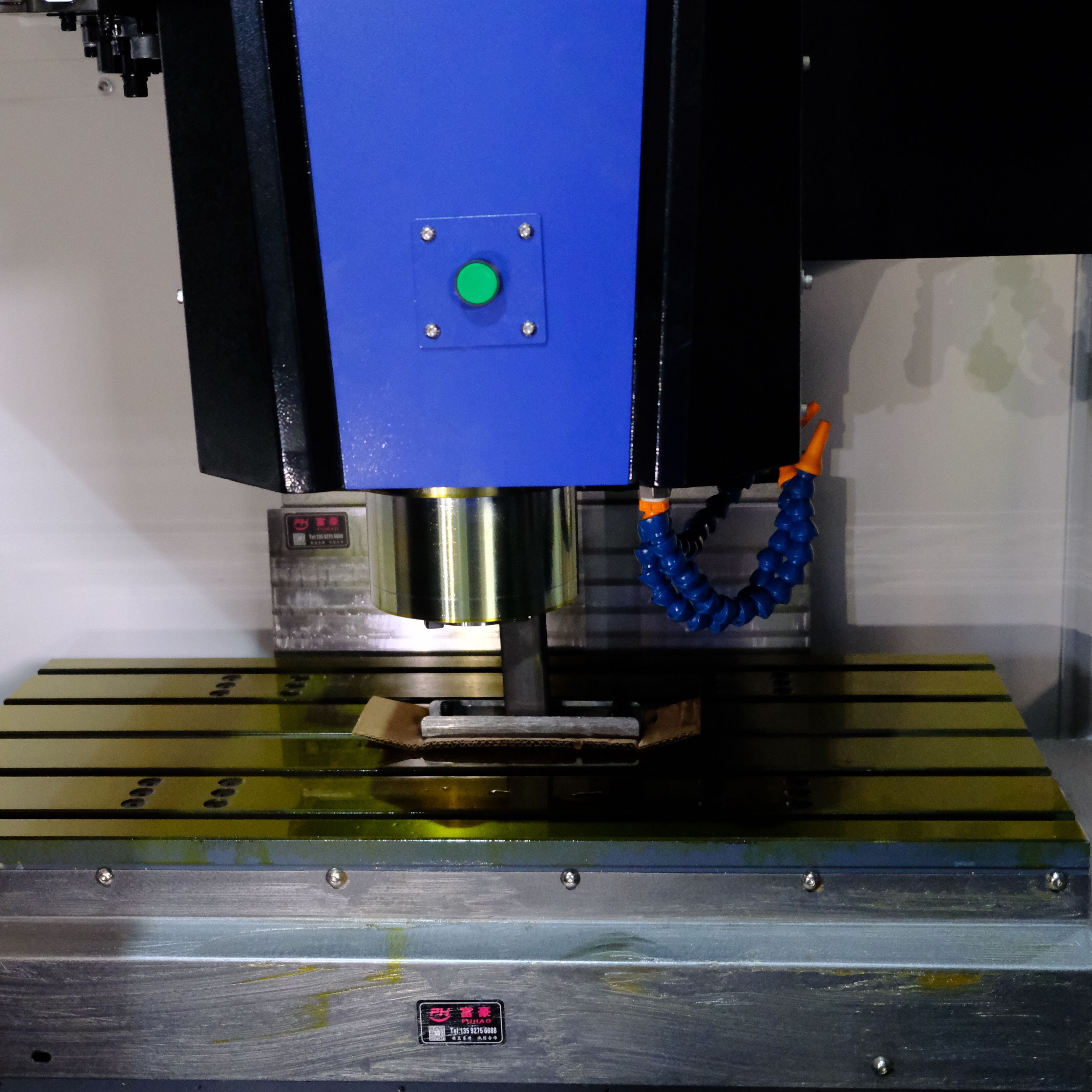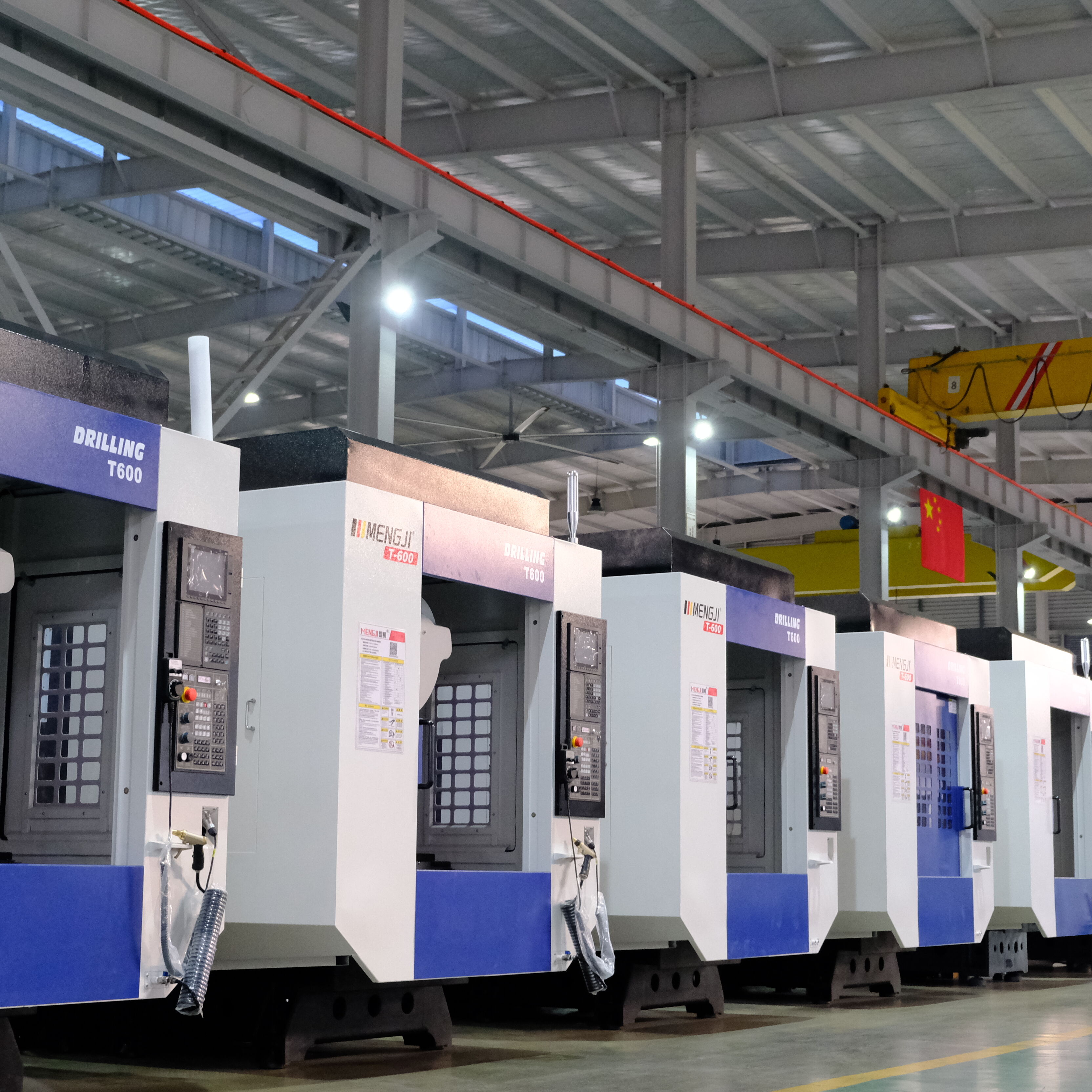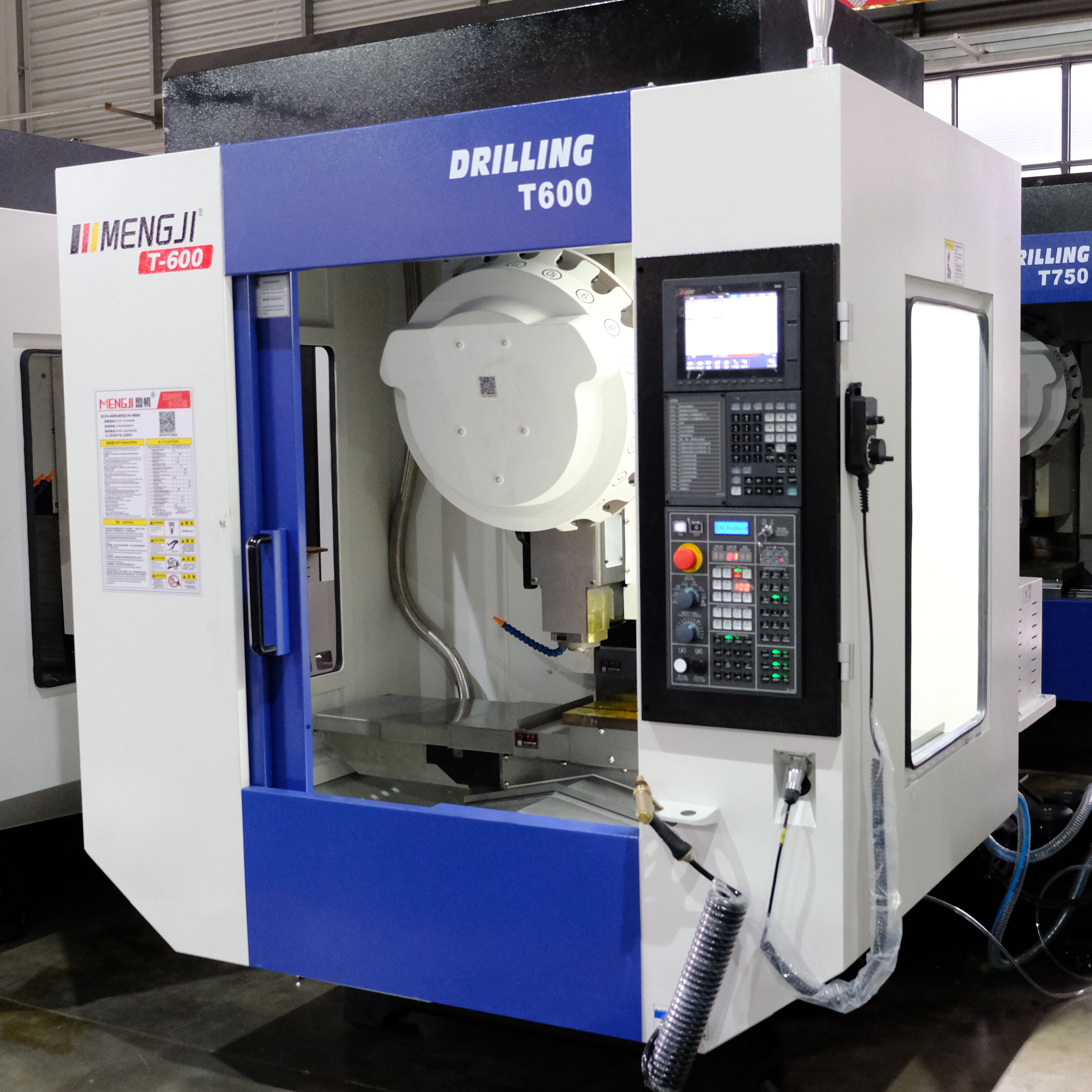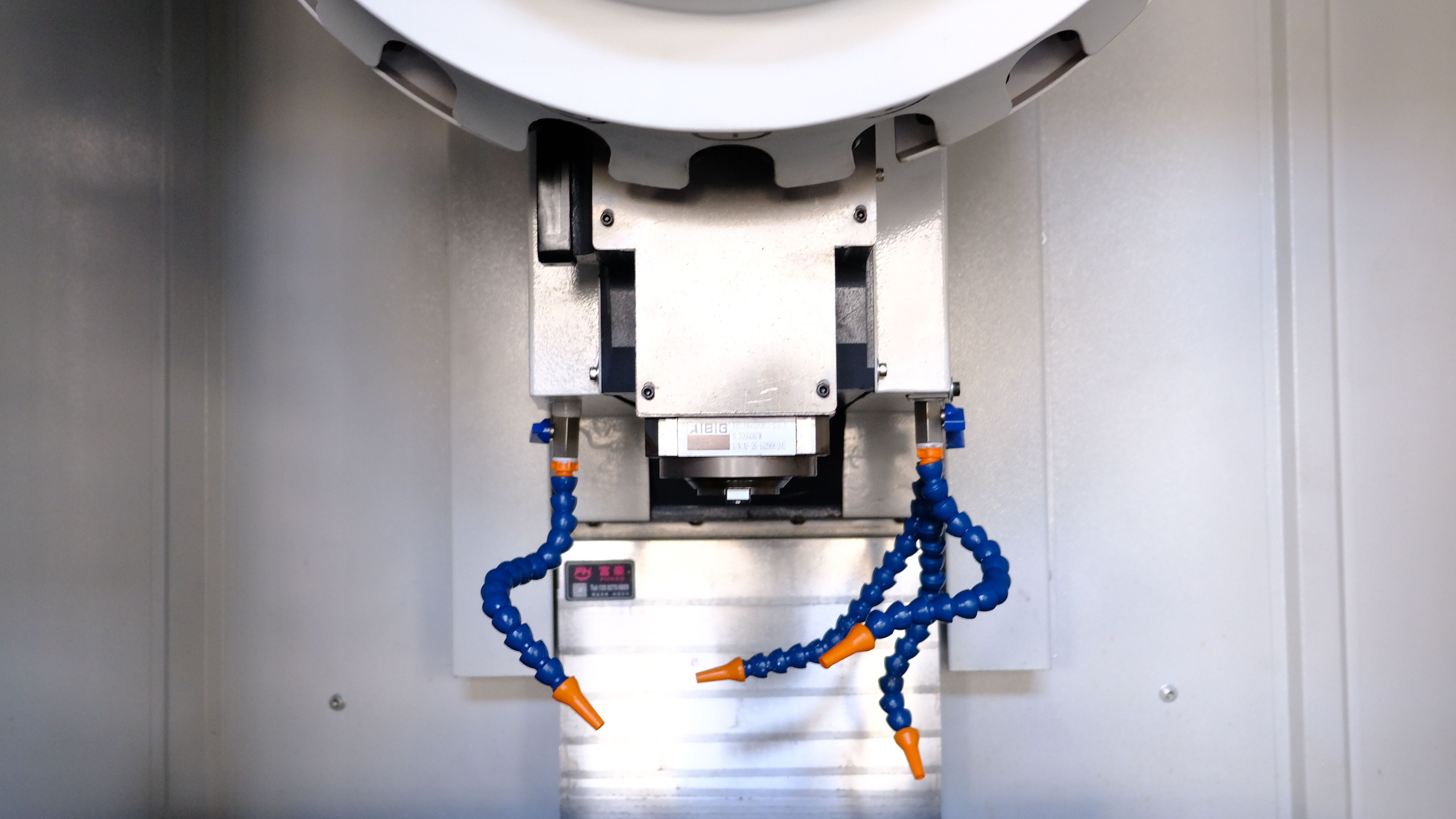
A five-axis CNC machine embodies sophisticated manufacturing technology that enables coordinated movement along five independent axes, providing complete control over tool positioning and orientation relative to the workpiece. This advanced capability allows for machining complex geometries in a single setup that would otherwise require multiple operations on conventional three-axis equipment. The system's architecture typically incorporates three linear axes (X, Y, Z) for standard positioning combined with two rotational axes (usually A and B, or B and C) that enable intricate angular approaches. This configuration permits the cutting tool to maintain optimal contact with contoured surfaces, significantly enhancing machining efficiency and surface quality. The technology demonstrates particular strength in manufacturing components with compound curves, deep recesses, and undercuts that are common in aerospace structures, automotive molds, medical implants, and turbomachinery components. By completing parts in a single clamping, five-axis machining eliminates cumulative errors associated with multiple setups, ensuring higher dimensional accuracy and superior geometrical relationships between features. The process also enables the use of shorter cutting tools, reducing vibration and improving surface finish while extending tool life. Modern five-axis machines incorporate advanced features including thermal compensation systems, vibration damping technologies, and sophisticated CNC controls with look-ahead processing for smooth motion control. The substantial investment in five-axis technology is justified by reduced production timelines, improved part quality, and the capability to manufacture designs previously considered un-machinable, establishing it as a cornerstone of advanced manufacturing infrastructure.
Our professional sales team is always ready to assist you.