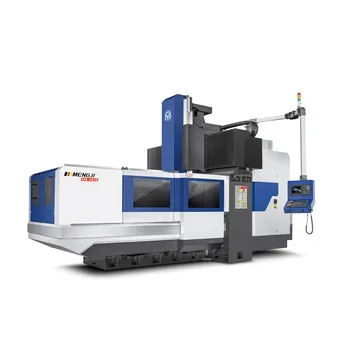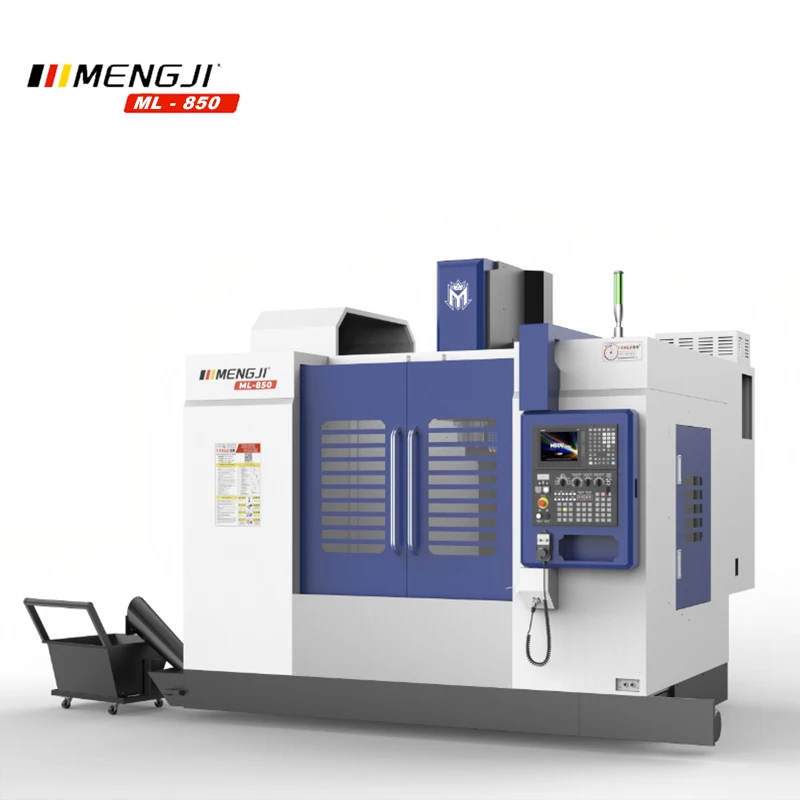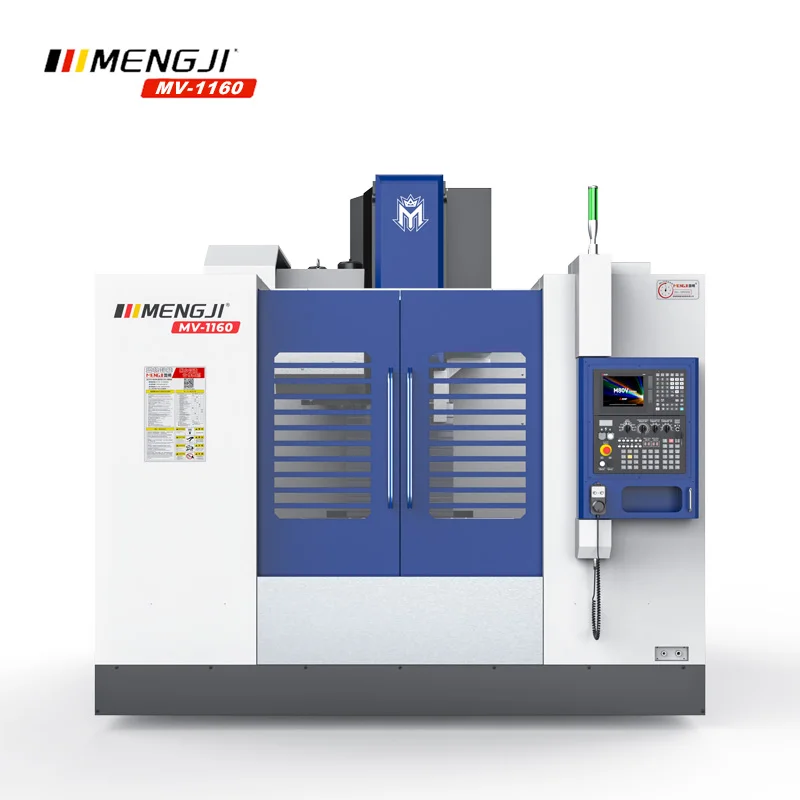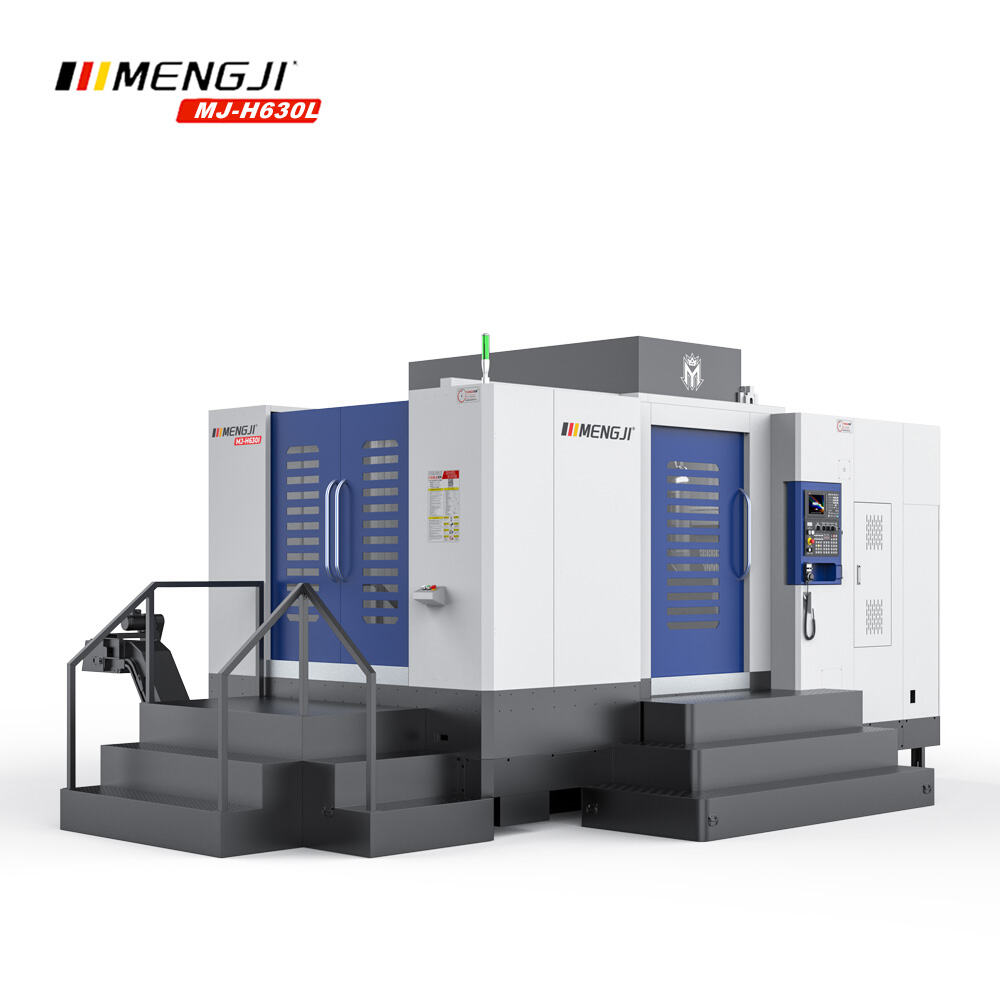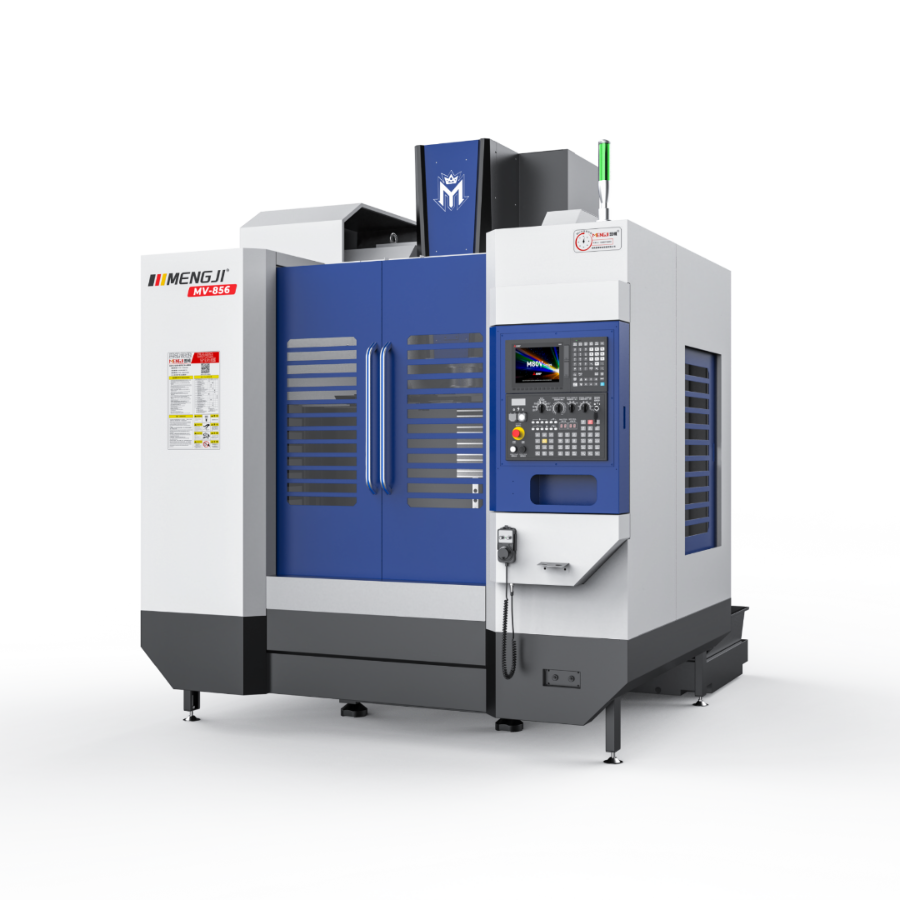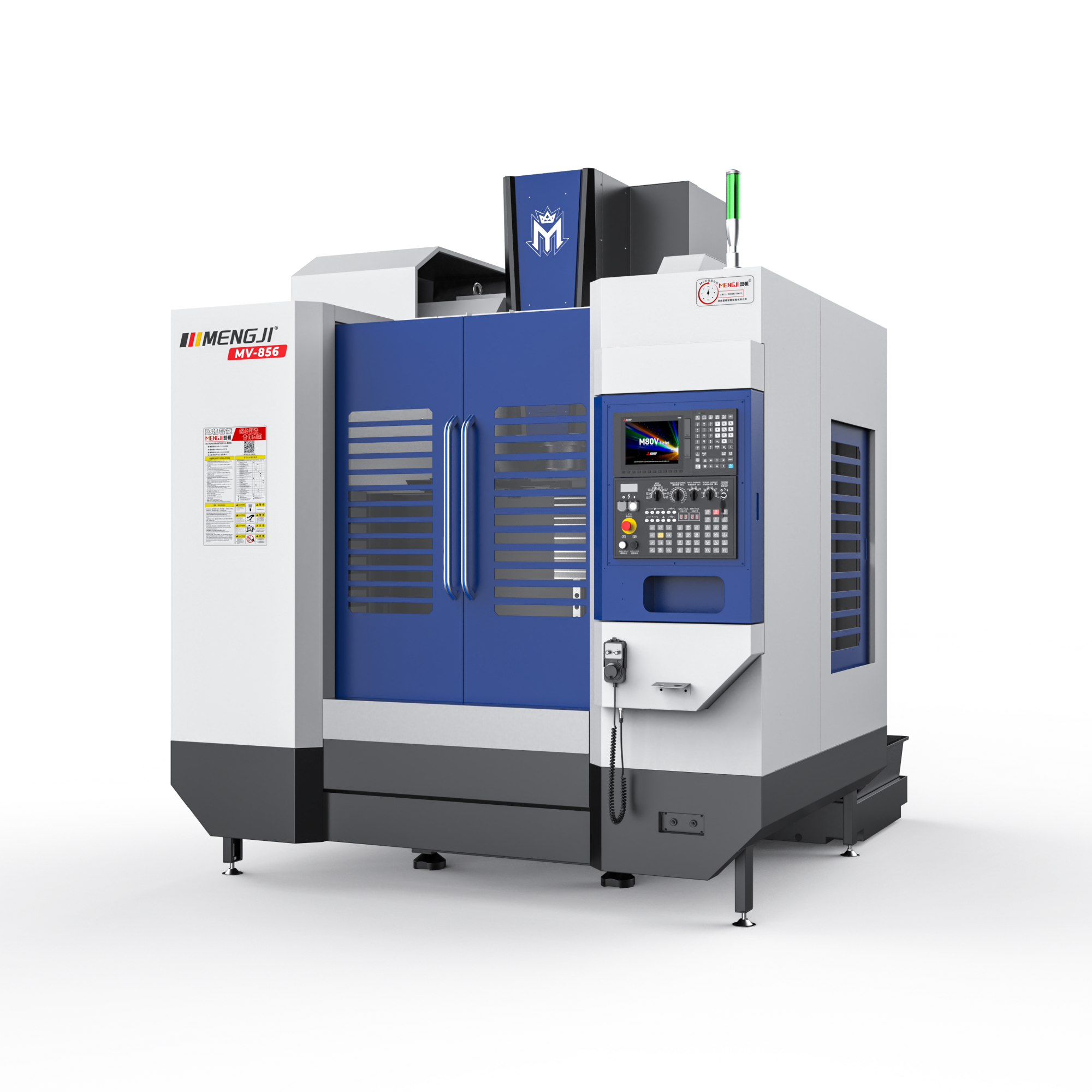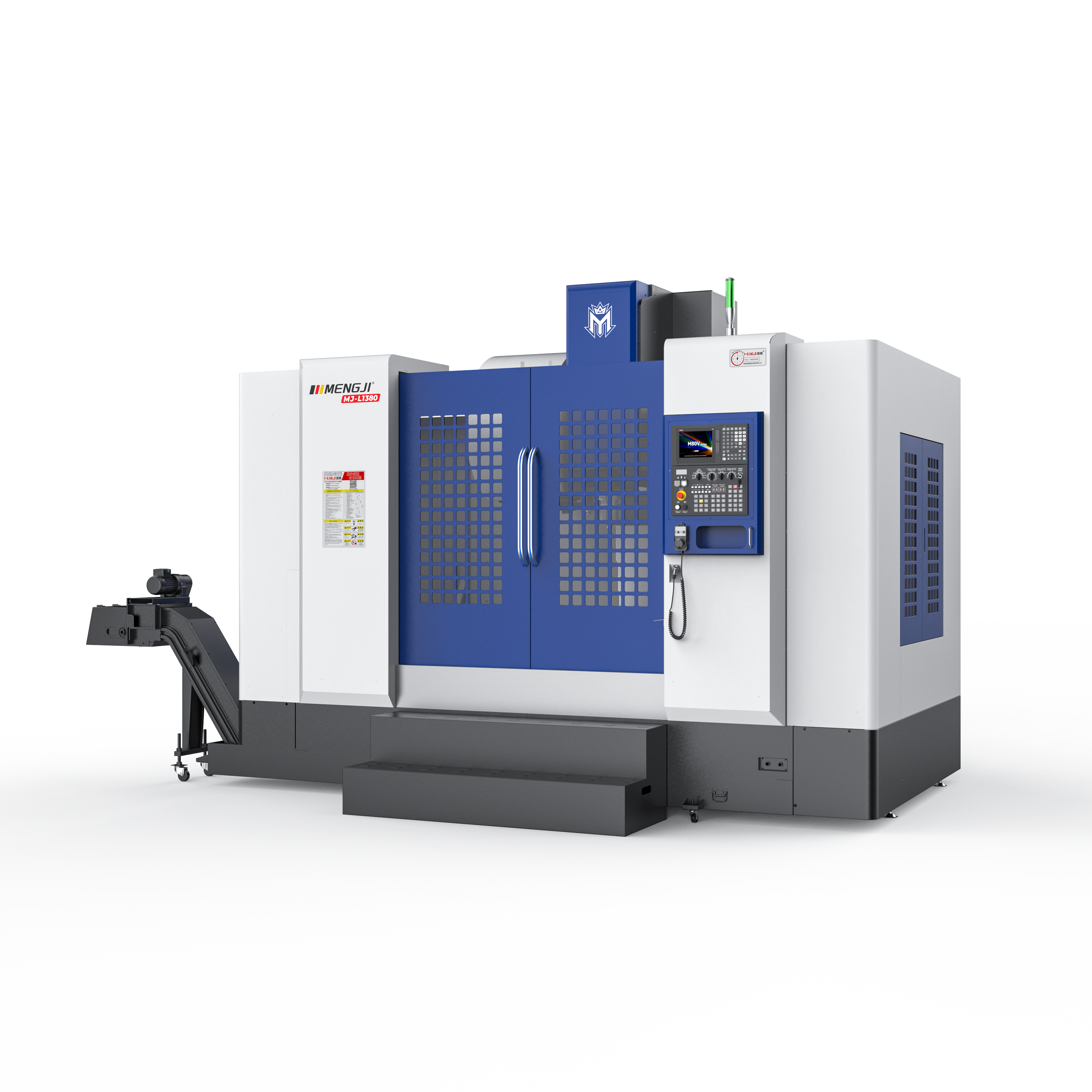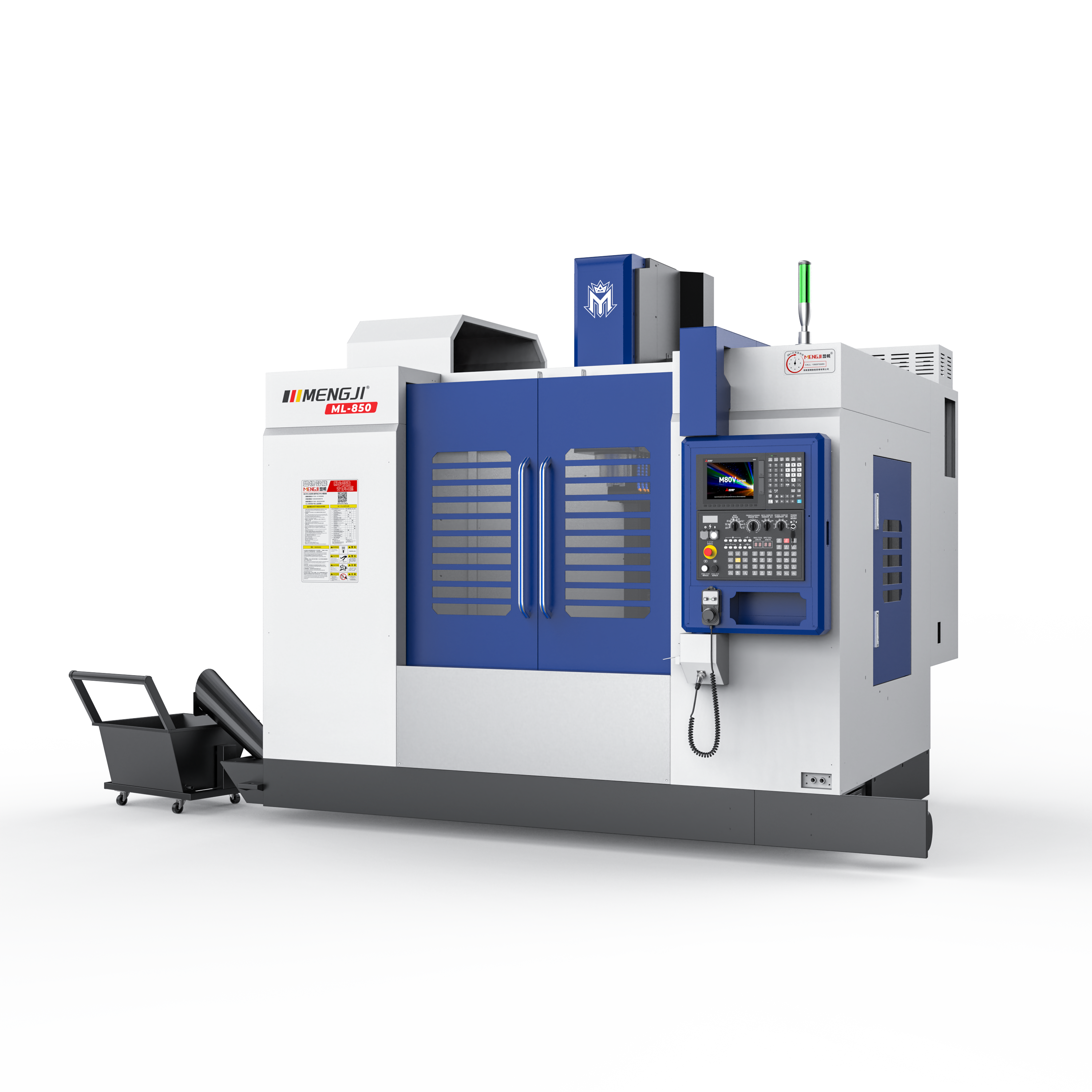
The market for CNC machines for sale encompasses a diverse ecosystem of manufacturing equipment, ranging from entry-level benchtop units to sophisticated multi-axis industrial systems. When evaluating available machines, prospective buyers must consider several critical factors beyond initial purchase price. The machine's configuration—whether a 3-axis, 4-axis, or 5-axis system—determines its geometric capabilities and directly impacts the complexity of parts it can produce. The control system, often from manufacturers like Fanuc, Siemens, or Heidenhain, represents a significant portion of the machine's value, with newer systems offering advanced features like high-speed processing and connectivity for Industry 4.0 applications. The condition of mechanical components—including ball screws, guideways, and spindle bearings—requires thorough inspection, as these elements directly affect long-term accuracy and maintenance costs. For used equipment, documentation of maintenance history and any major repairs provides crucial insight into the machine's operational reliability. The availability of technical support, training resources, and spare parts represents another essential consideration that impacts total cost of ownership. Modern CNC machines increasingly feature integrated automation capabilities such as pallet changers, robotic loading systems, and probing technology that enable lights-out manufacturing operations. The selection process should balance immediate production requirements with future capacity needs, considering factors such as work envelope dimensions, spindle power and torque characteristics, rapid traverse rates, and tool changer capacity. A comprehensive evaluation should also include assessment of installation requirements, including foundation specifications, power supply needs, and coolant system integration.
Our professional sales team is always ready to assist you.