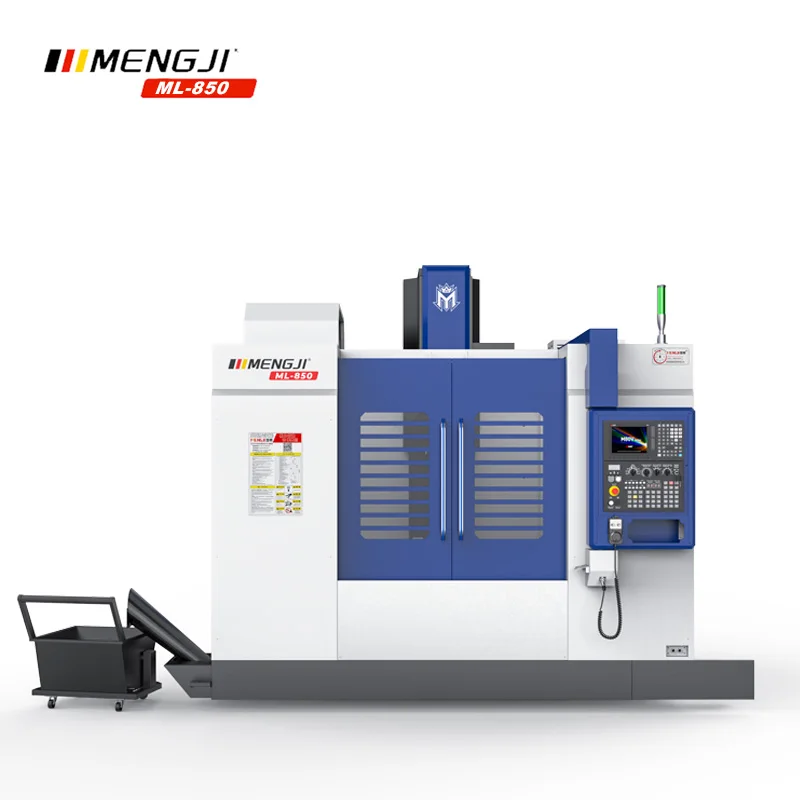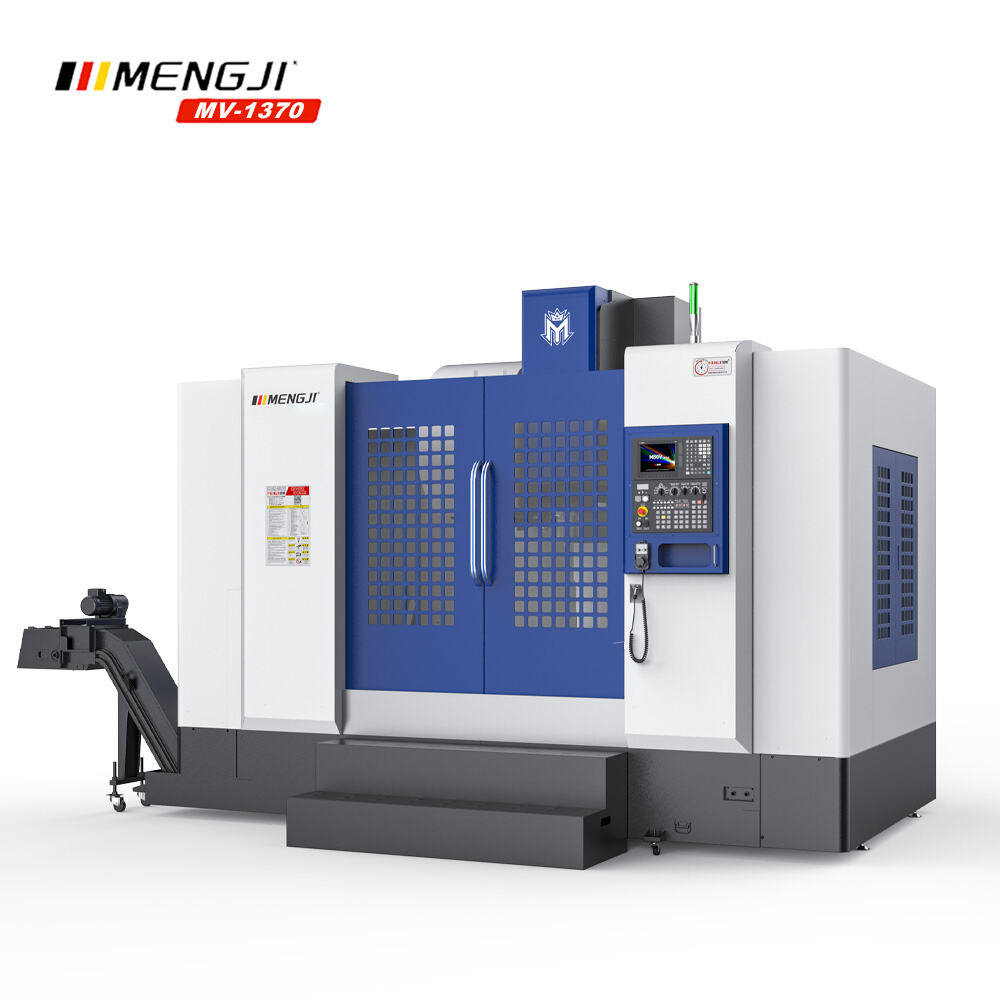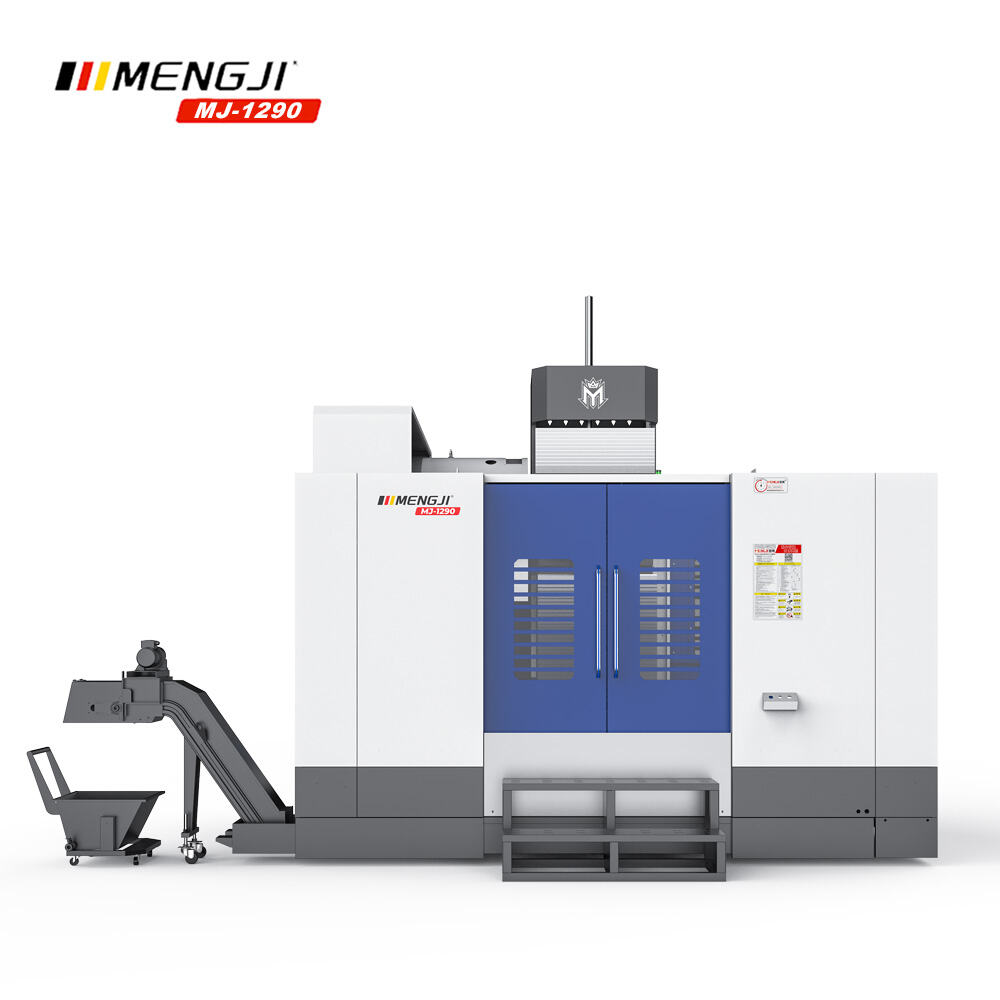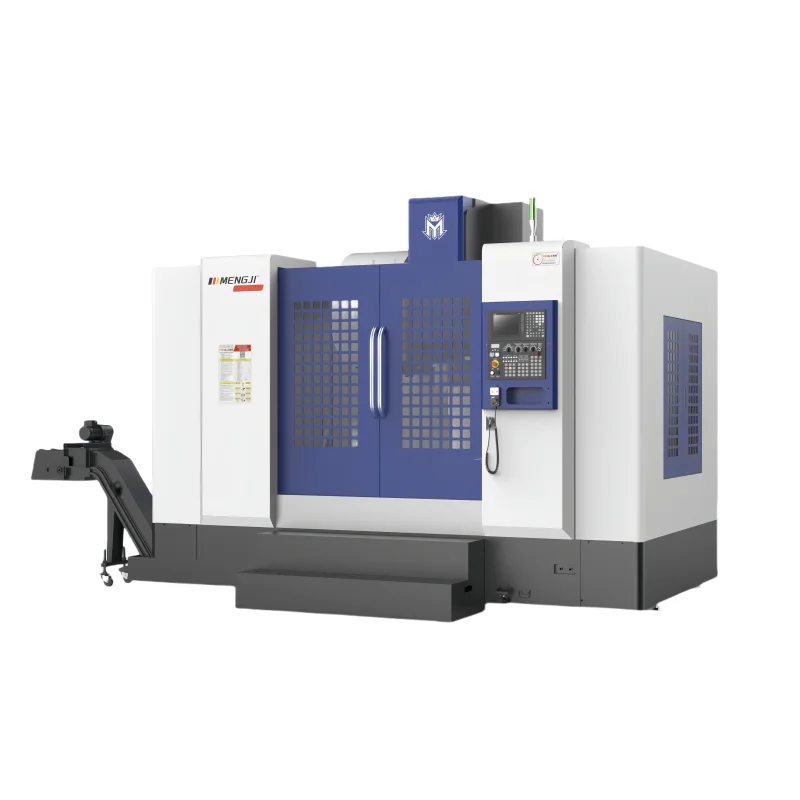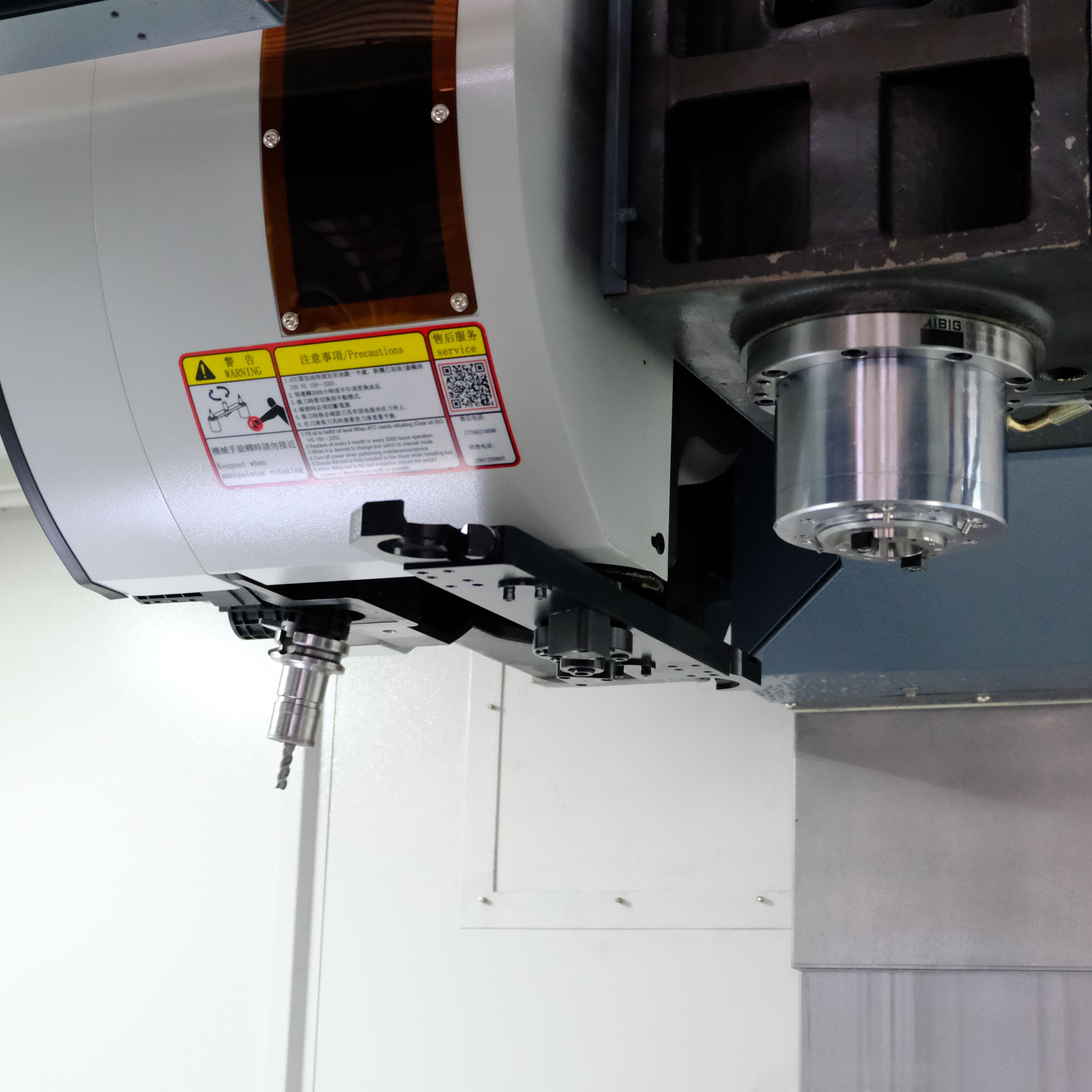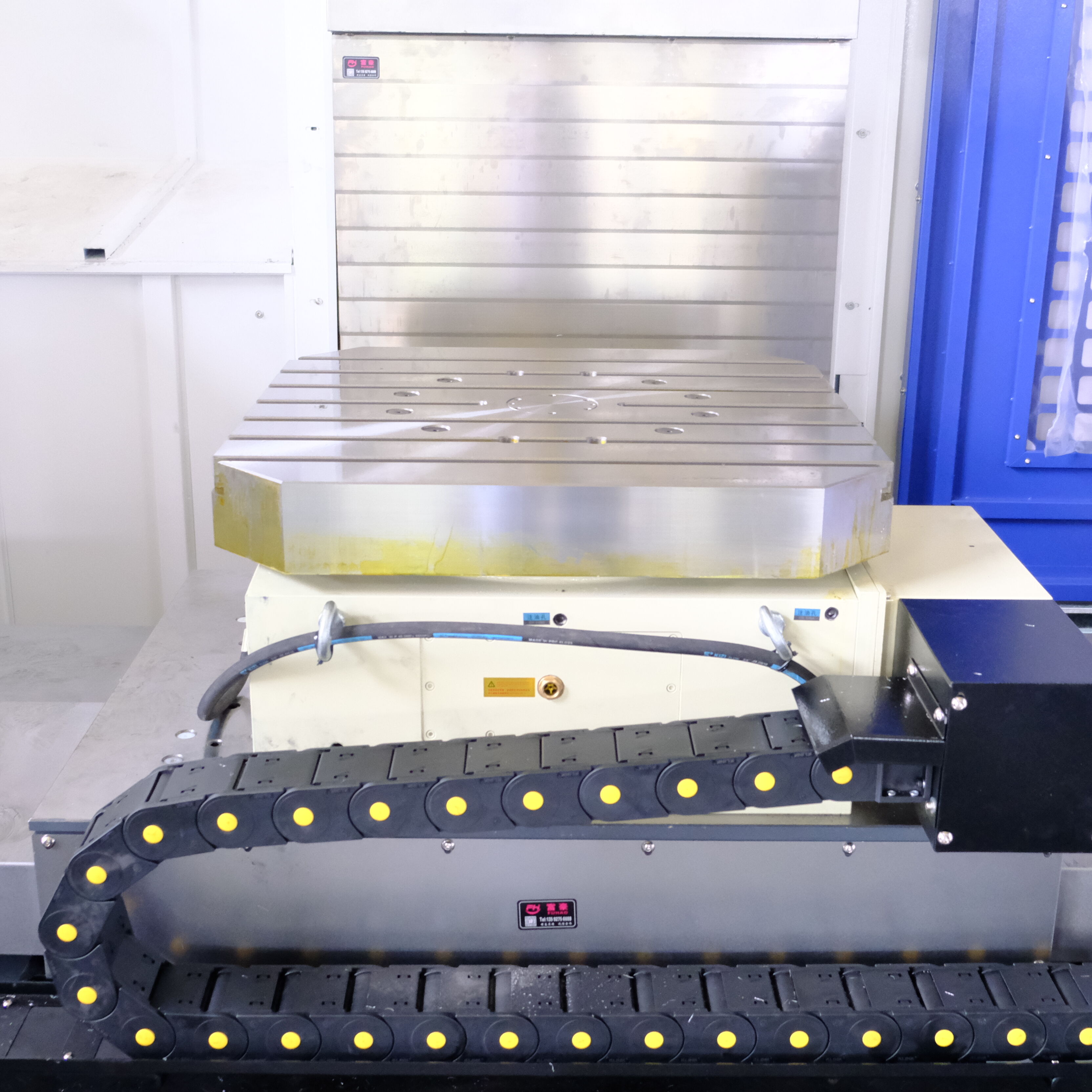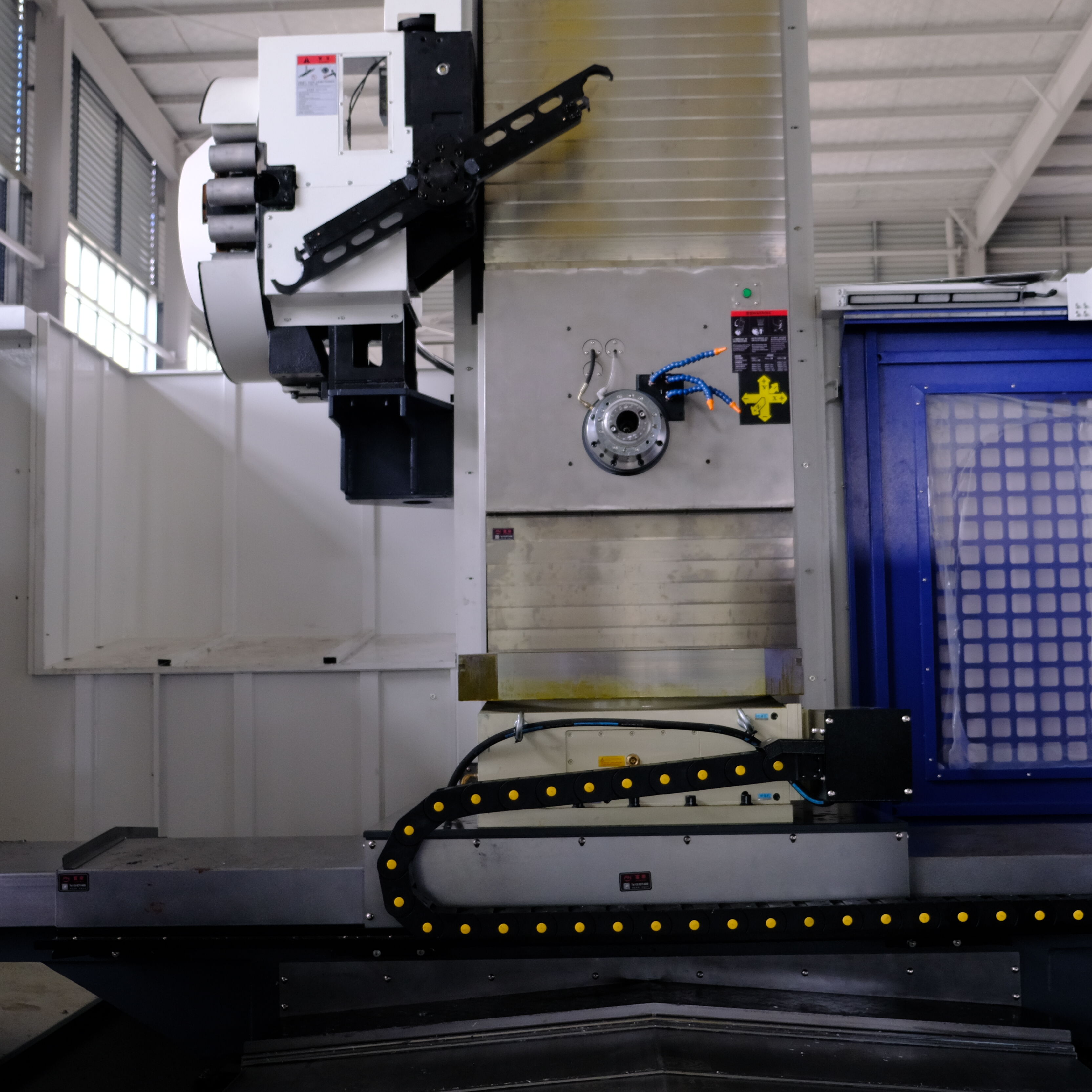
The working principle of a CNC (Computer Numerical Control) machine is a sophisticated symphony of digital instruction, mechanical execution, and real-time feedback that automates the process of subtractive manufacturing. At its core, the operation begins with a digital part program, a sequence of alphanumeric commands (G-code and M-code) generated from CAD/CAM software. This program is loaded into the machine's control unit, an industrial computer that acts as the brain. The control unit interprets these commands and converts them into precise electrical signals that are sent to the machine's drive system. This system consists of servo or stepper motors connected to ball screws or other drive mechanisms, which convert the rotary motion of the motors into precise linear movement along the machine's axes (typically X, Y, and Z for linear motion, and A, B, or C for rotation). What separates modern CNC from simple automation is the closed-loop feedback system. Encoders or resolvers attached to the motors or the axes themselves continuously monitor the actual position and velocity, sending this data back to the control unit. The computer instantly compares this real-time feedback to the commanded position and makes microscopic, continuous corrections to eliminate any discrepancy, ensuring exceptional accuracy and repeatability. Simultaneously, the control unit manages all other aspects of the process: it commands the spindle to rotate at a specific speed (RPM), controls the feed rate of the axes, activates the automatic tool changer to select the correct cutter, and manages auxiliary functions like coolant flow. This seamless integration of computing power, precision mechanics, and sensory feedback allows a CNC machine to tirelessly and accurately produce components with complex geometries from a block of raw material, transforming a digital design into a high-precision physical part with minimal human intervention.
Our professional sales team is always ready to assist you.