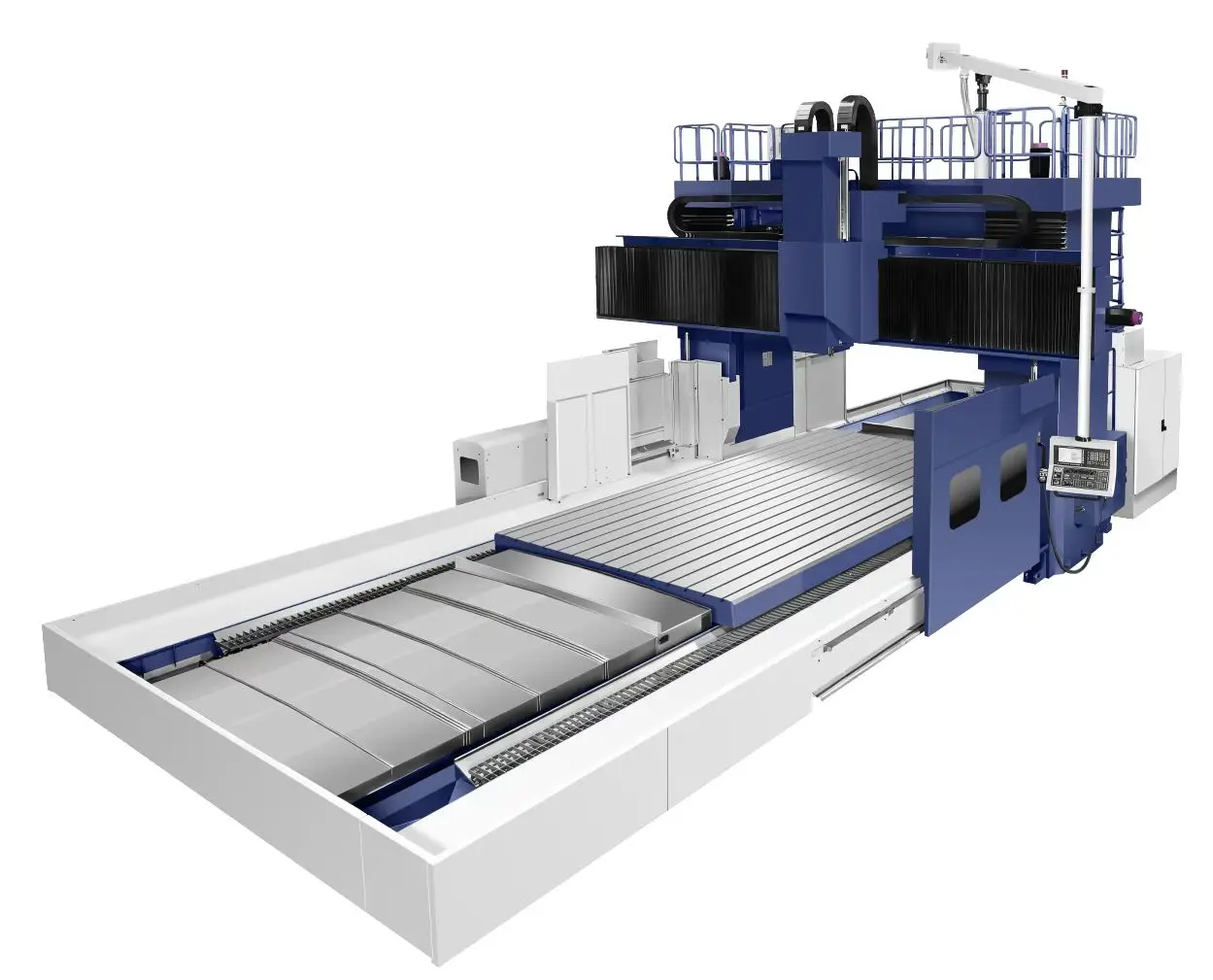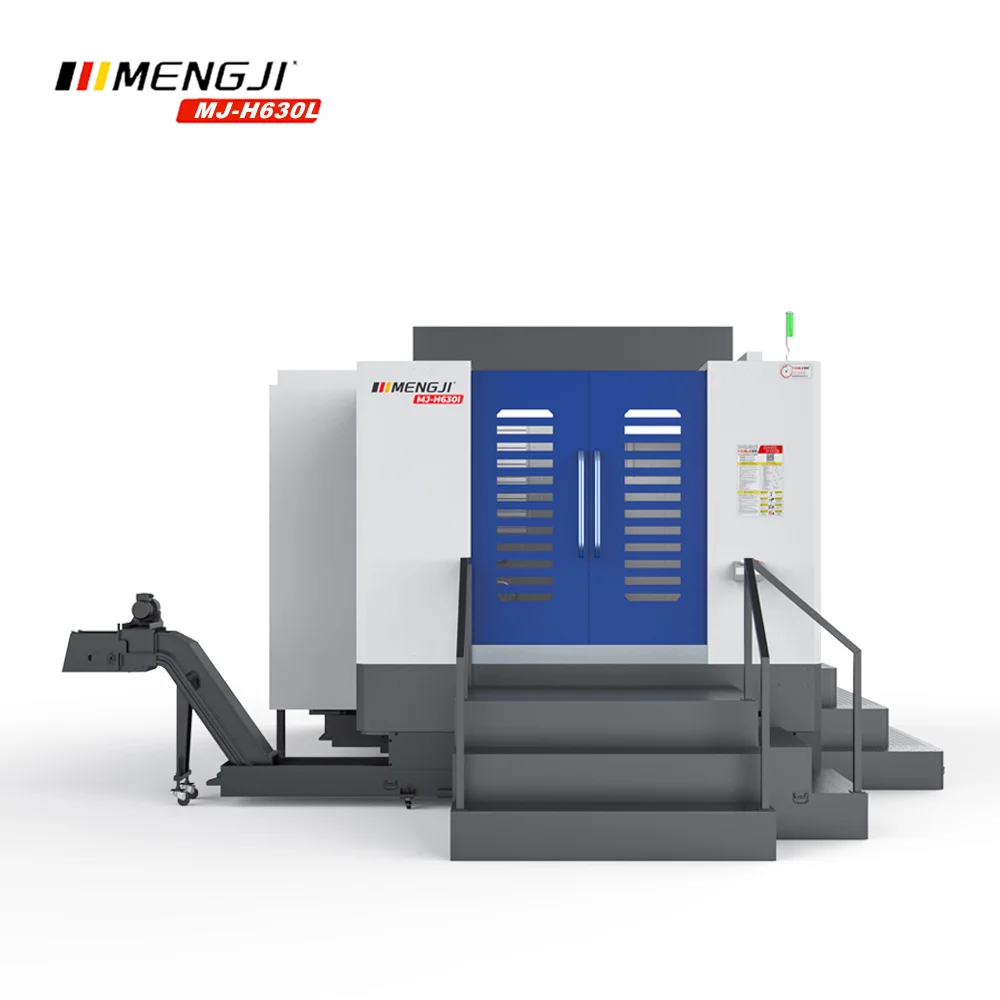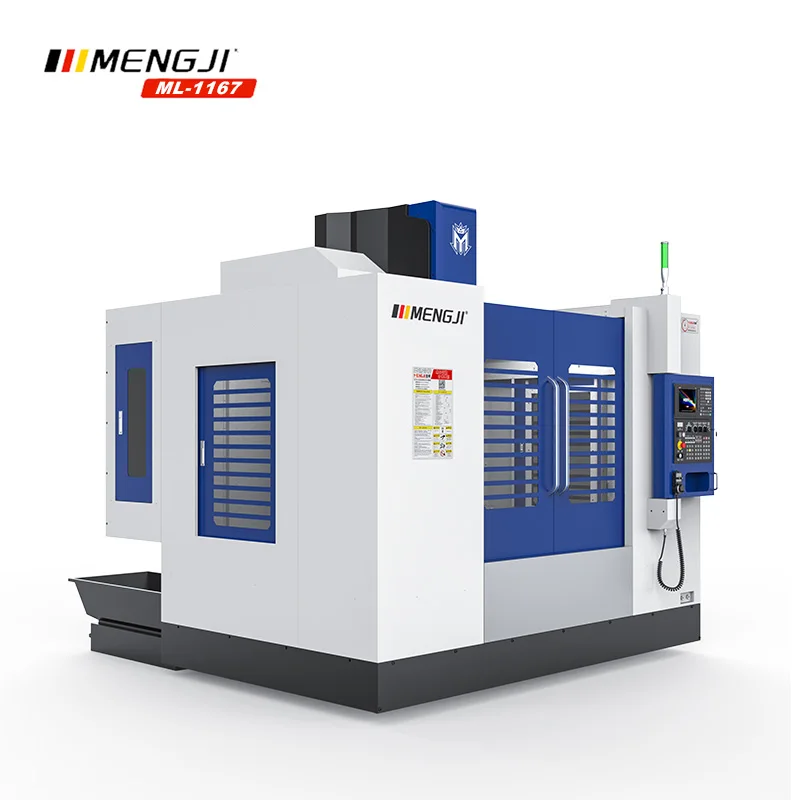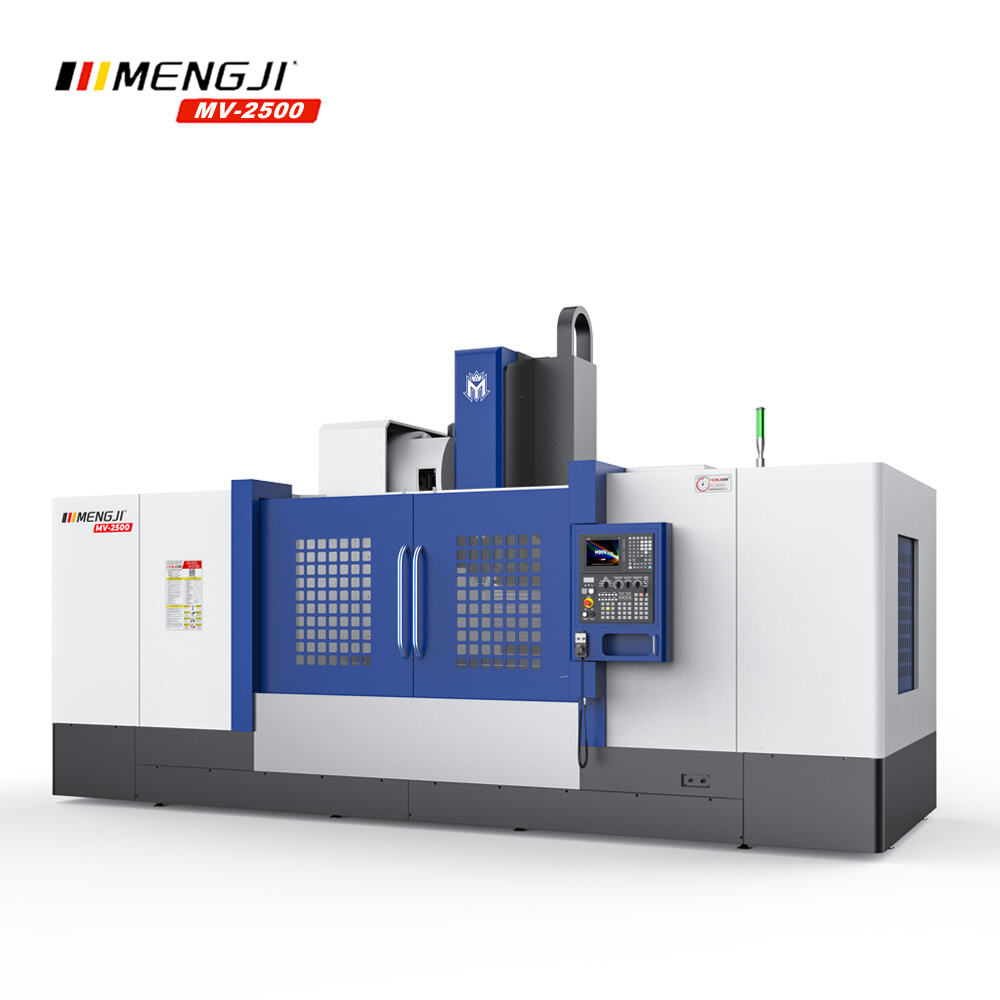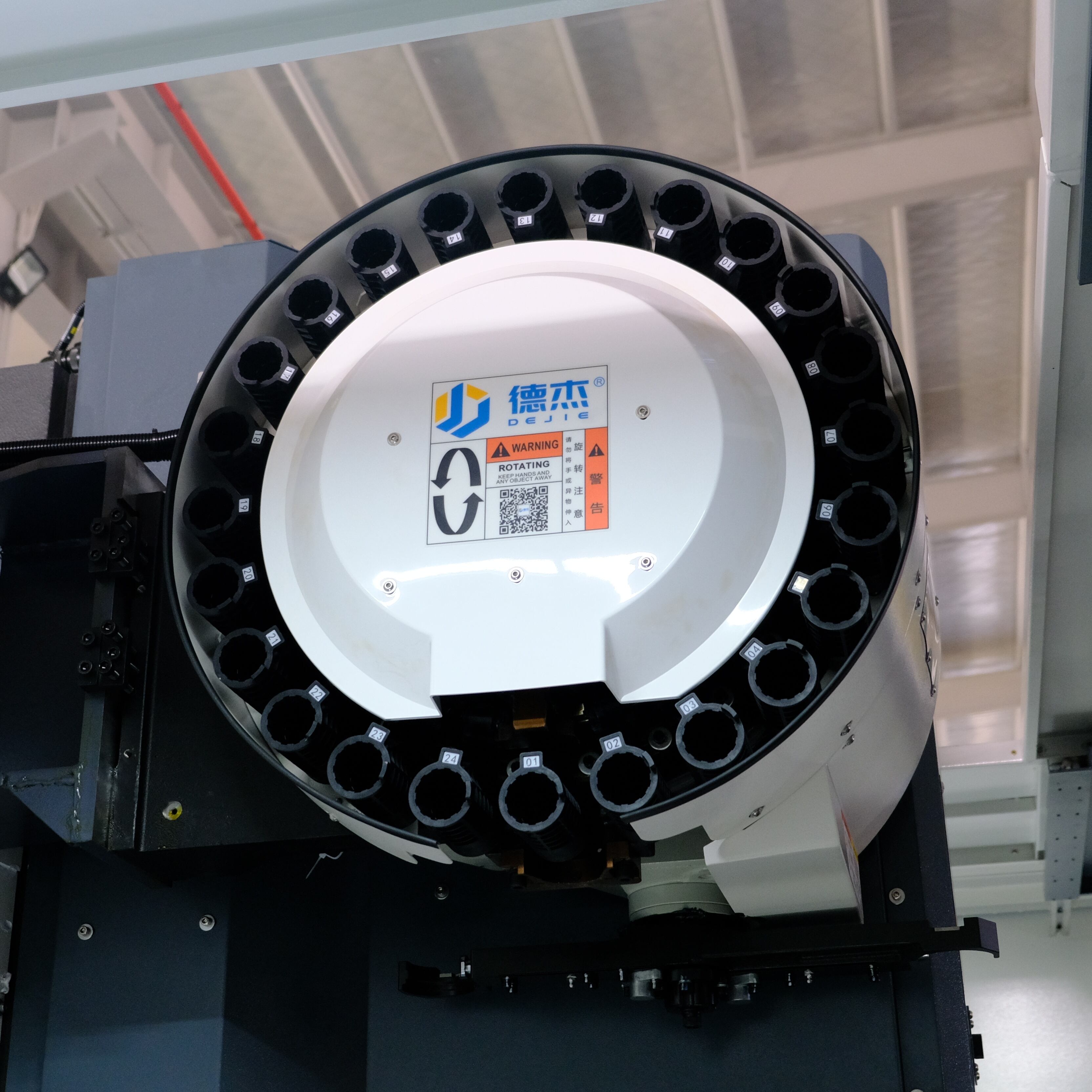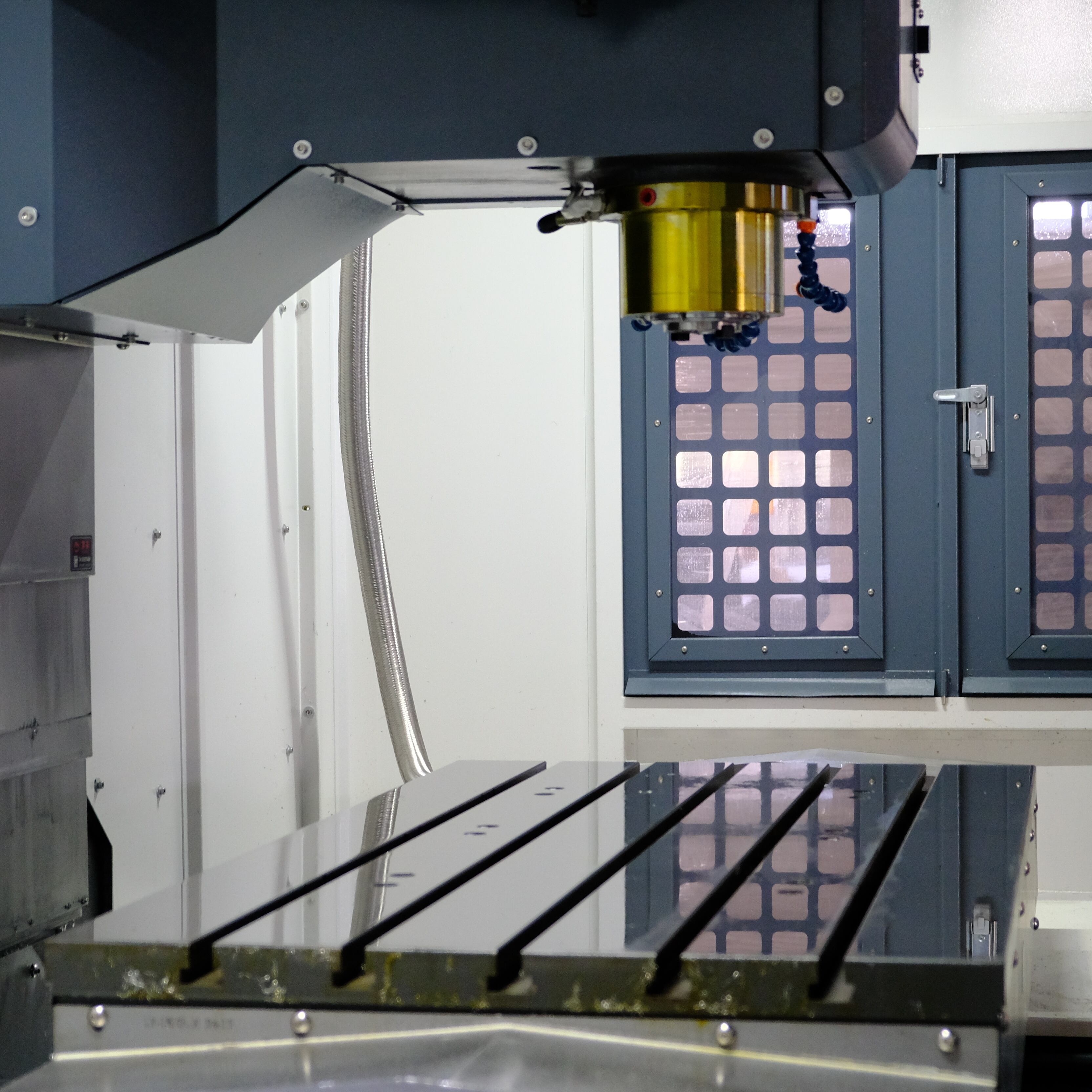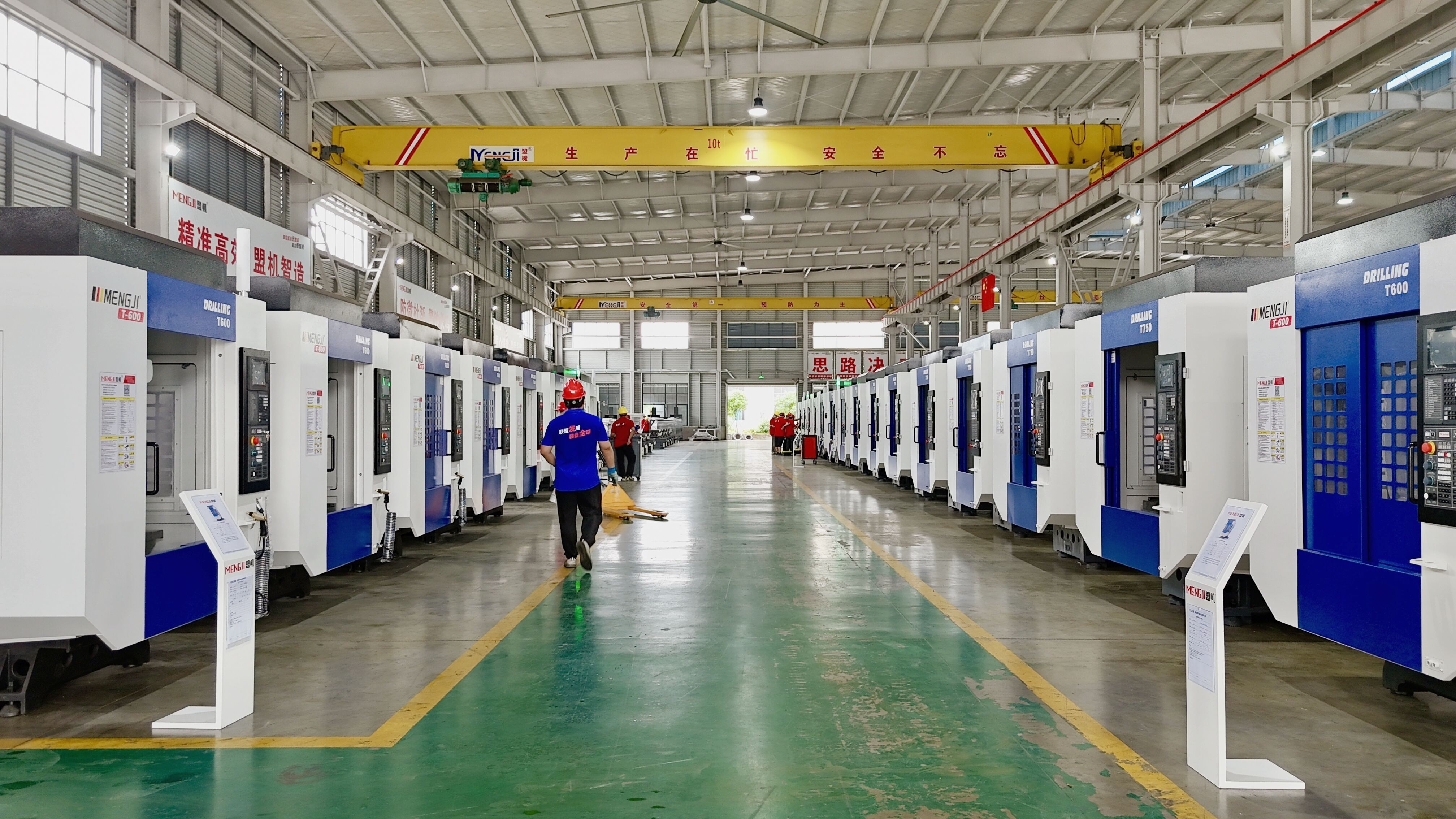
CNC machined products encompass a vast range of components fabricated through the subtractive manufacturing process of Computer Numerical Control, where material is systematically removed from a solid block to achieve a desired geometry. These products are integral to virtually every modern industry, from aerospace and medical devices to automotive and consumer electronics. The process begins with a digital 3D model (CAD), which is translated into machining instructions (G-code) via CAM software. This code dictates the operations on a range of CNC equipment, including milling centers for complex 3D shapes and turning centers for rotational parts. The advantages of CNC machined products are numerous: they offer excellent dimensional accuracy and repeatability; they can be produced from a very wide range of materials, including metals, plastics, and composites; and they are suitable for both low-volume prototyping and high-volume production. The quality of a CNC machined product is influenced by several factors: the capability of the machine tool, the expertise in programming and process planning, the selection of appropriate cutting tools and parameters, and the rigor of the quality control process, which often involves inspection with coordinate measuring machines (CMM). These components are valued for their strength, reliability, and precision, as they are machined from a solid, homogenous stock, resulting in superior mechanical properties compared to cast or molded parts. From simple screws and brackets to complex engine blocks and surgical implants, CNC machined products form the mechanical backbone of countless applications, enabling innovation and performance across the technological spectrum.
Our professional sales team is always ready to assist you.