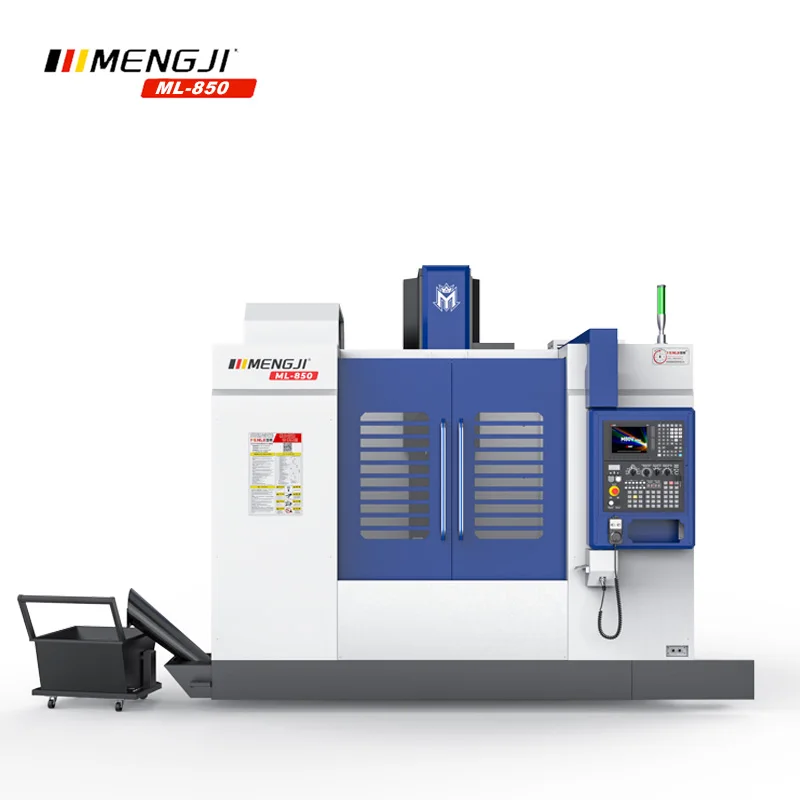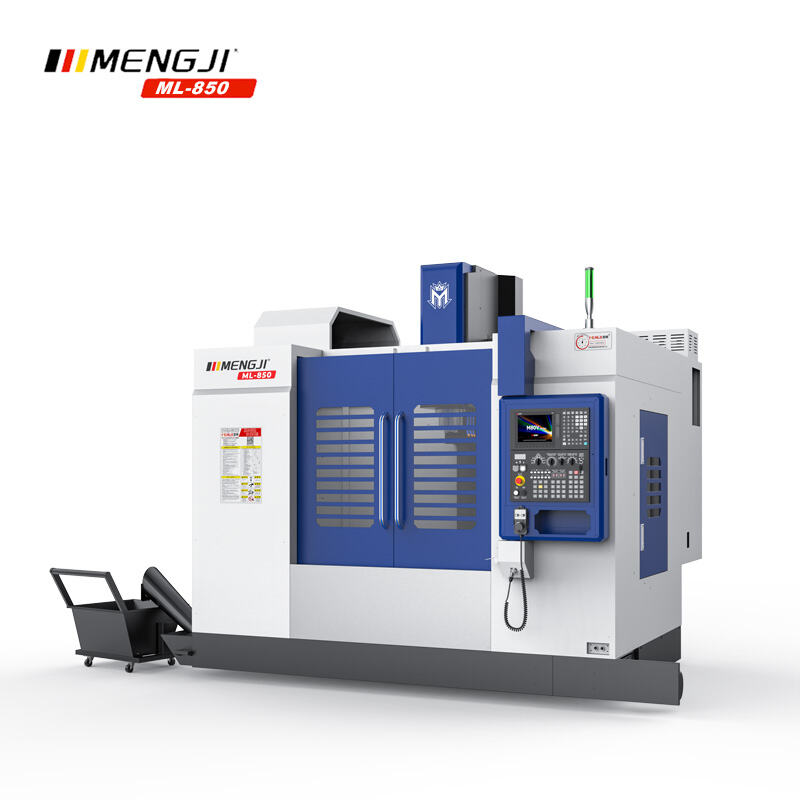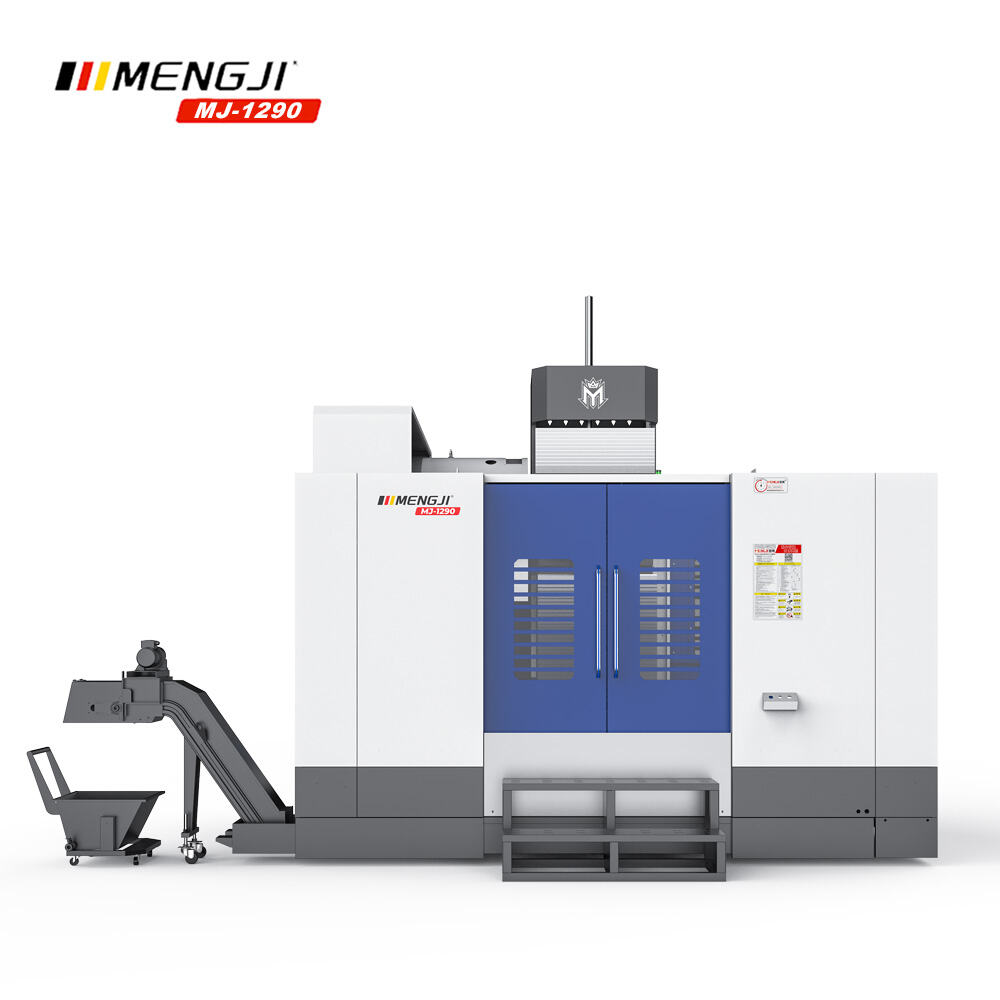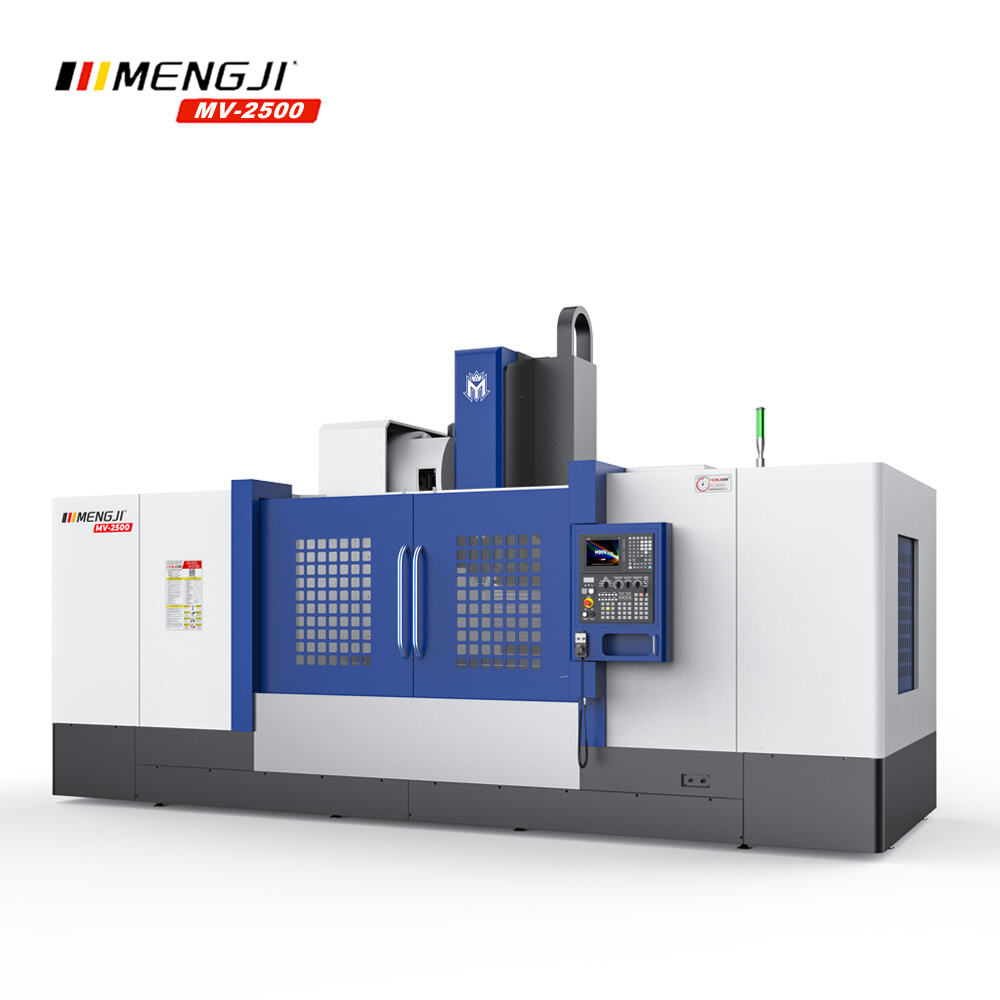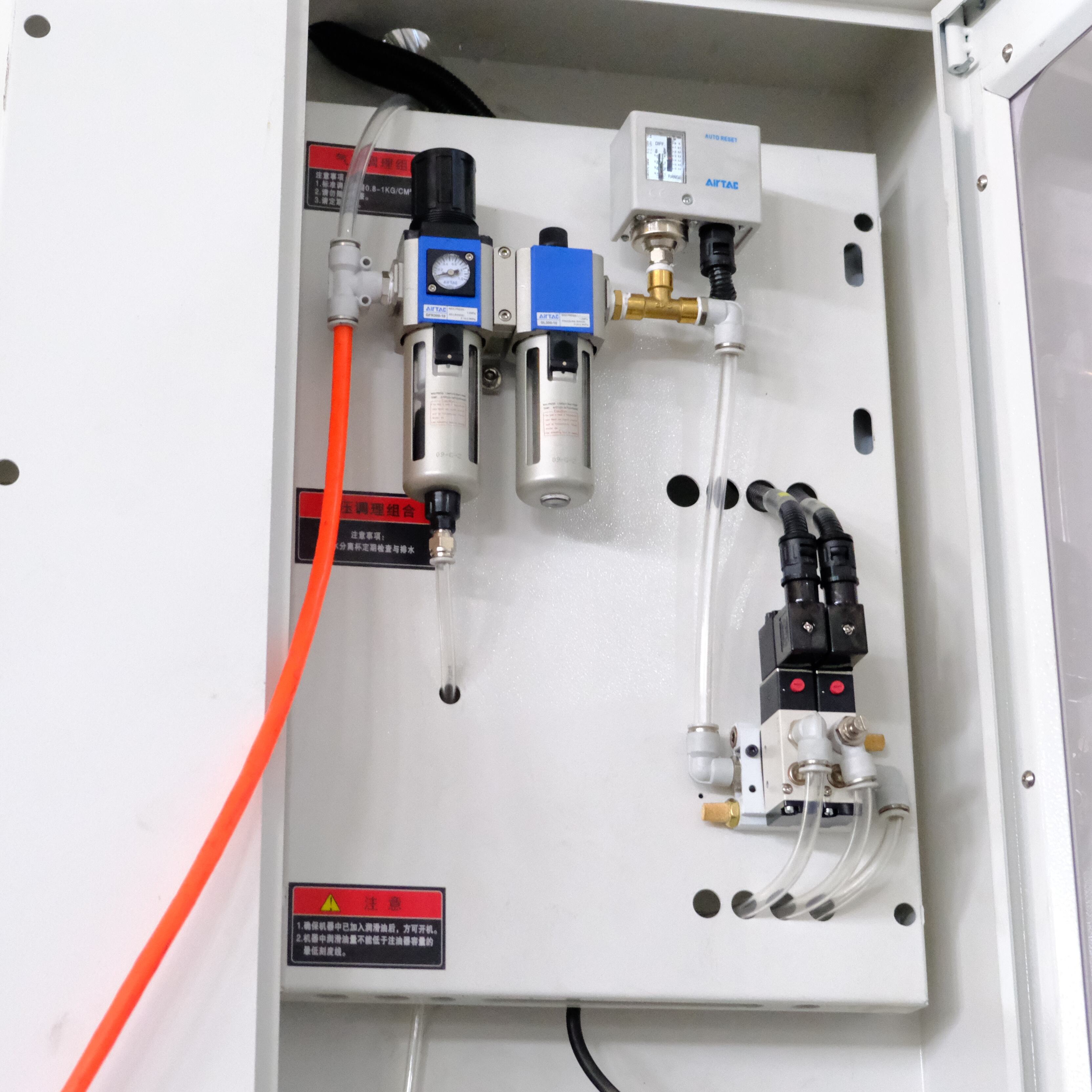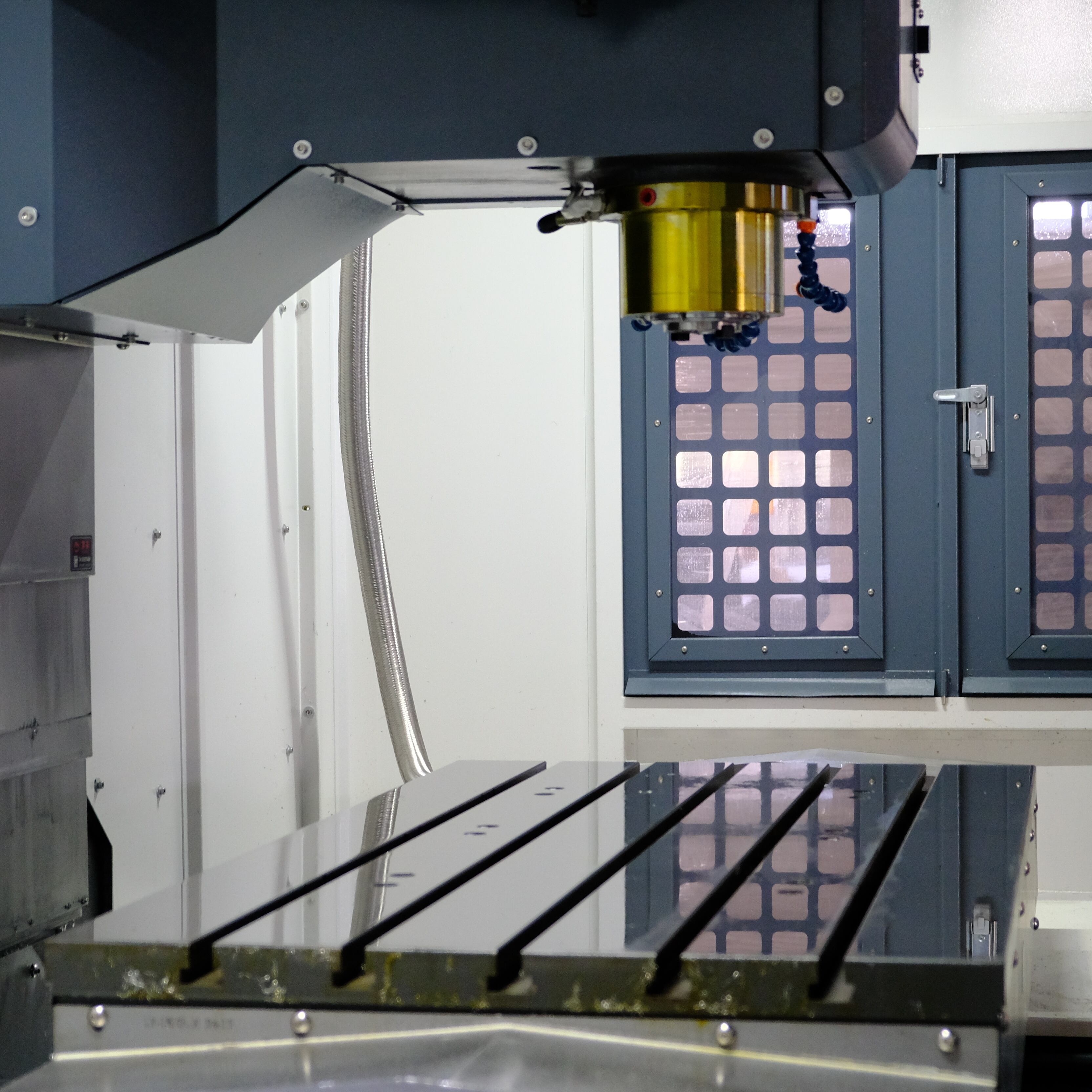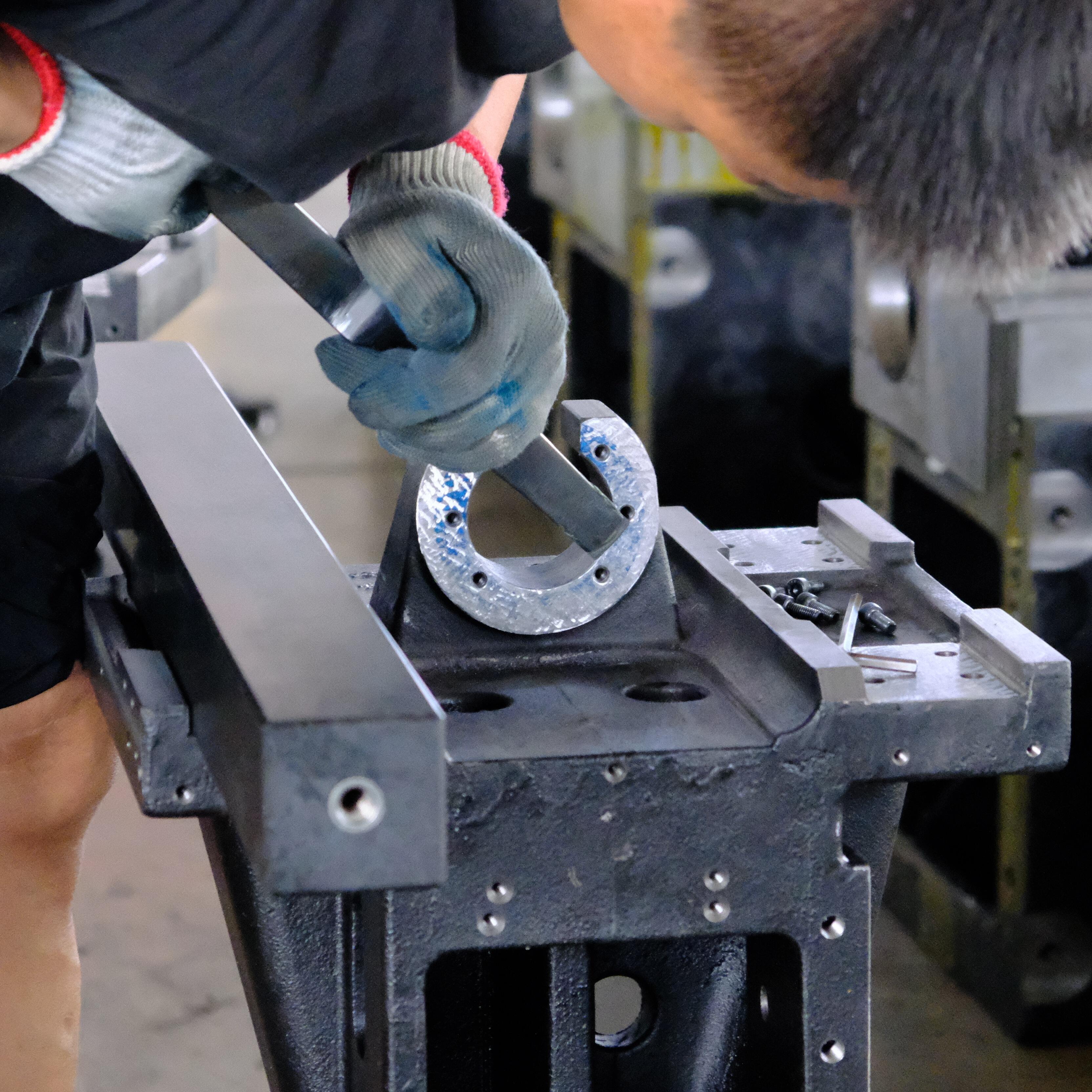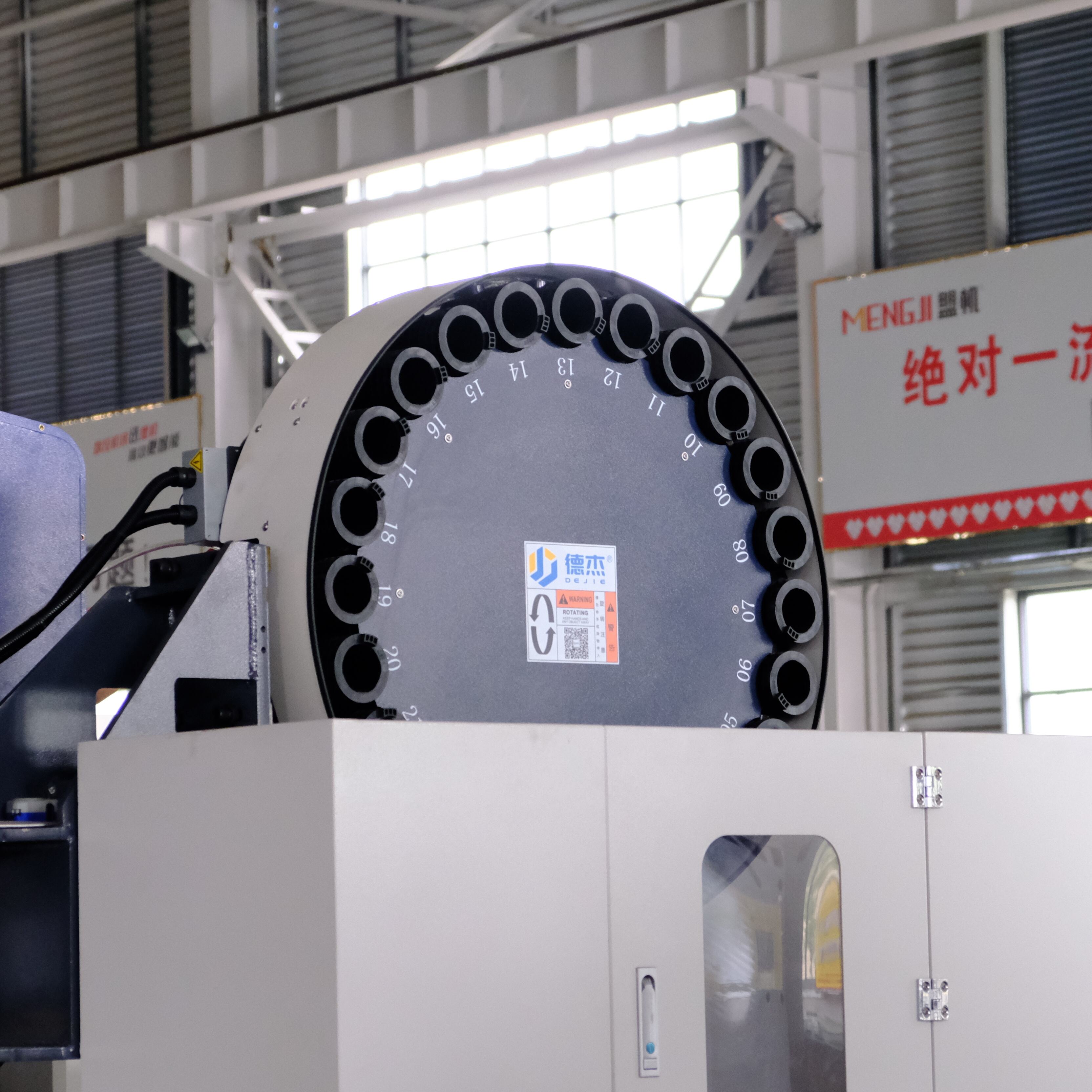
The phrase "part CNC machine" can be interpreted in two primary, interconnected ways, both central to understanding modern manufacturing. Firstly, it can refer to a component or a 'part' of a CNC machine itself. CNC machines are complex assemblies comprising numerous critical components that work in unison. These include the structural elements like the bed, column, and table, which provide a rigid and stable foundation; the drive system, consisting of servomotors, ball screws, and linear guides responsible for precise axis movement; the spindle, which rotates the cutting tool at high speeds; the automatic tool changer (ATC) for managing a library of cutters; and the CNC controller, the computer that acts as the machine's brain, interpreting programs and sending command signals. The quality and precision of these internal parts directly dictate the machine's overall accuracy, repeatability, and capability. Secondly, "part CNC machine" describes the fundamental purpose of the equipment: to produce a 'part' using a CNC machine. In this context, the CNC machine is the means of production. A raw material blank is fixtured to the machine's table or chuck, and through a programmed sequence of movements, the machine's cutting tools remove material to transform the blank into a finished, functional component. This process highlights the machine's role as a value-creation tool, capable of producing anything from a simple bracket to a complex aerospace component with a level of precision and repeatability unattainable by manual methods. Therefore, understanding both interpretations—the machine as a sum of its parts and the machine as a producer of parts—is essential to grasping its full significance in the industrial ecosystem.
Our professional sales team is always ready to assist you.