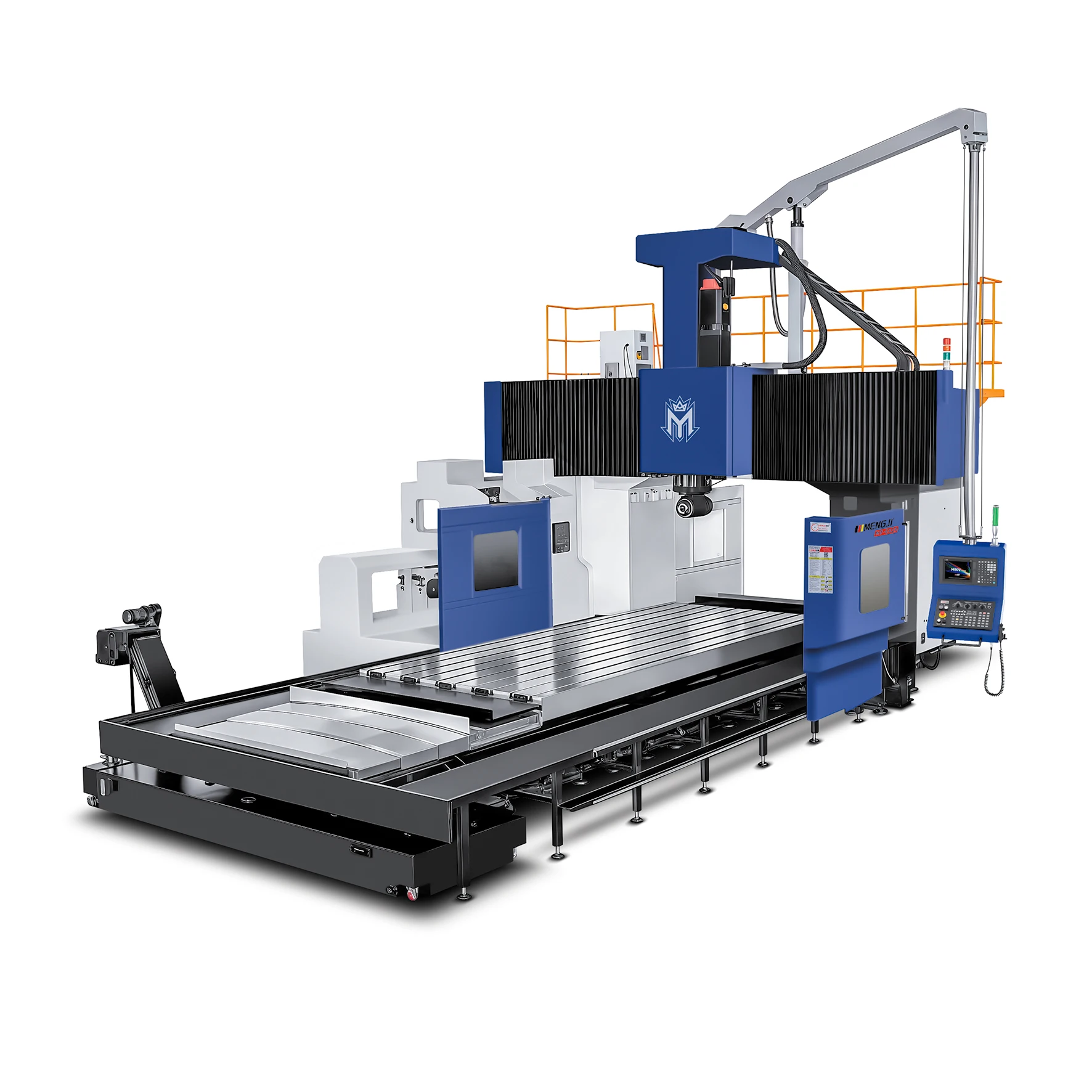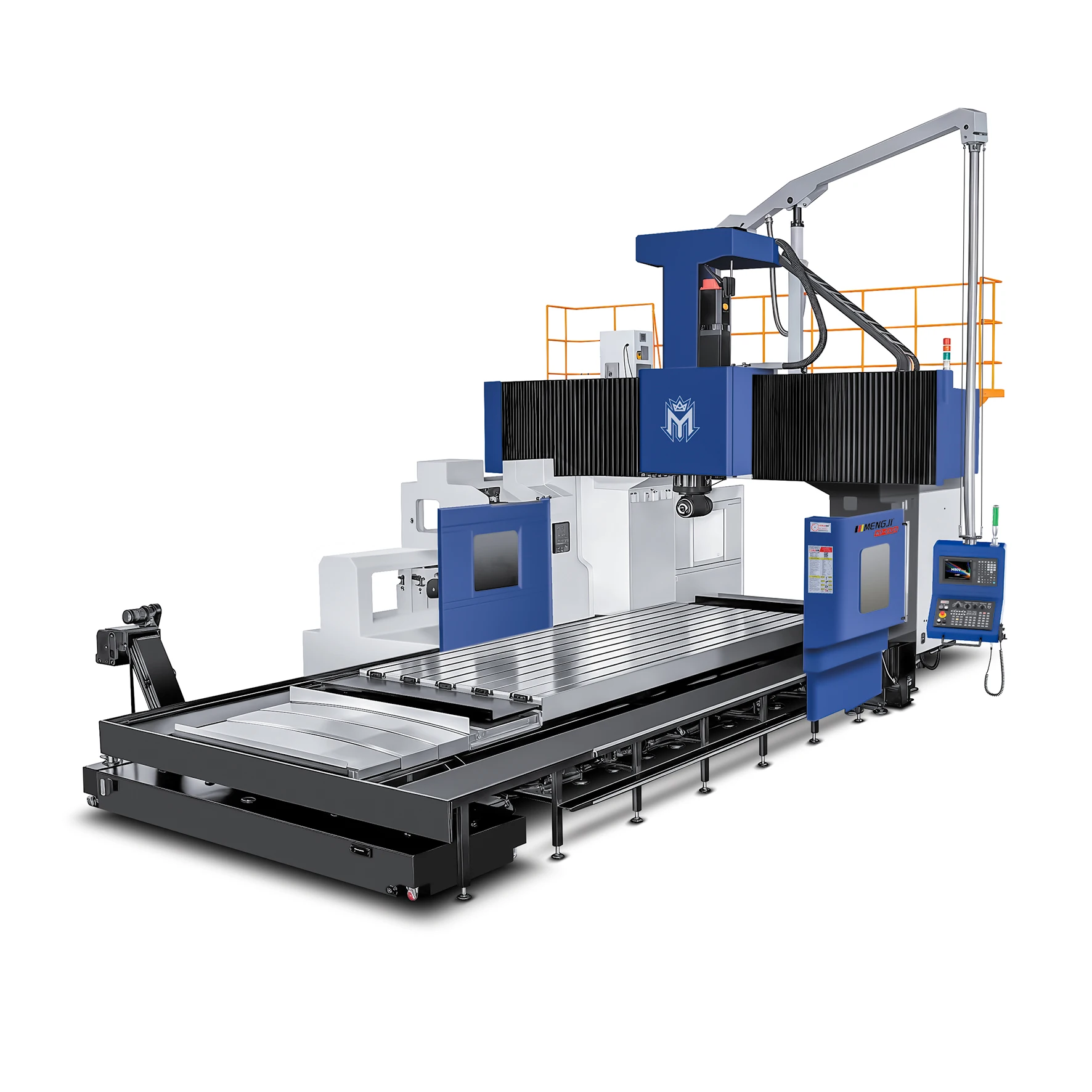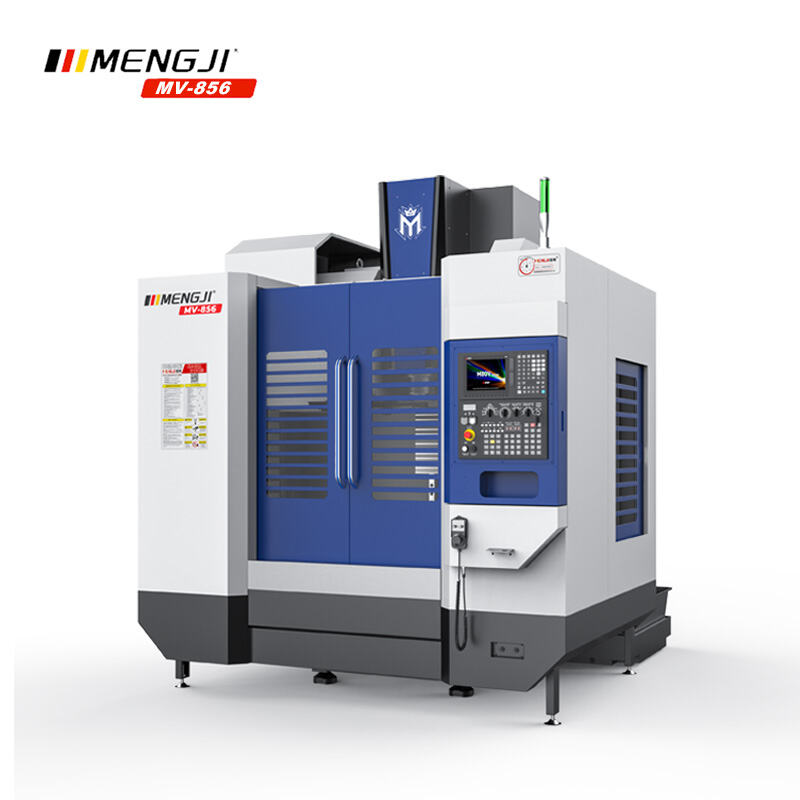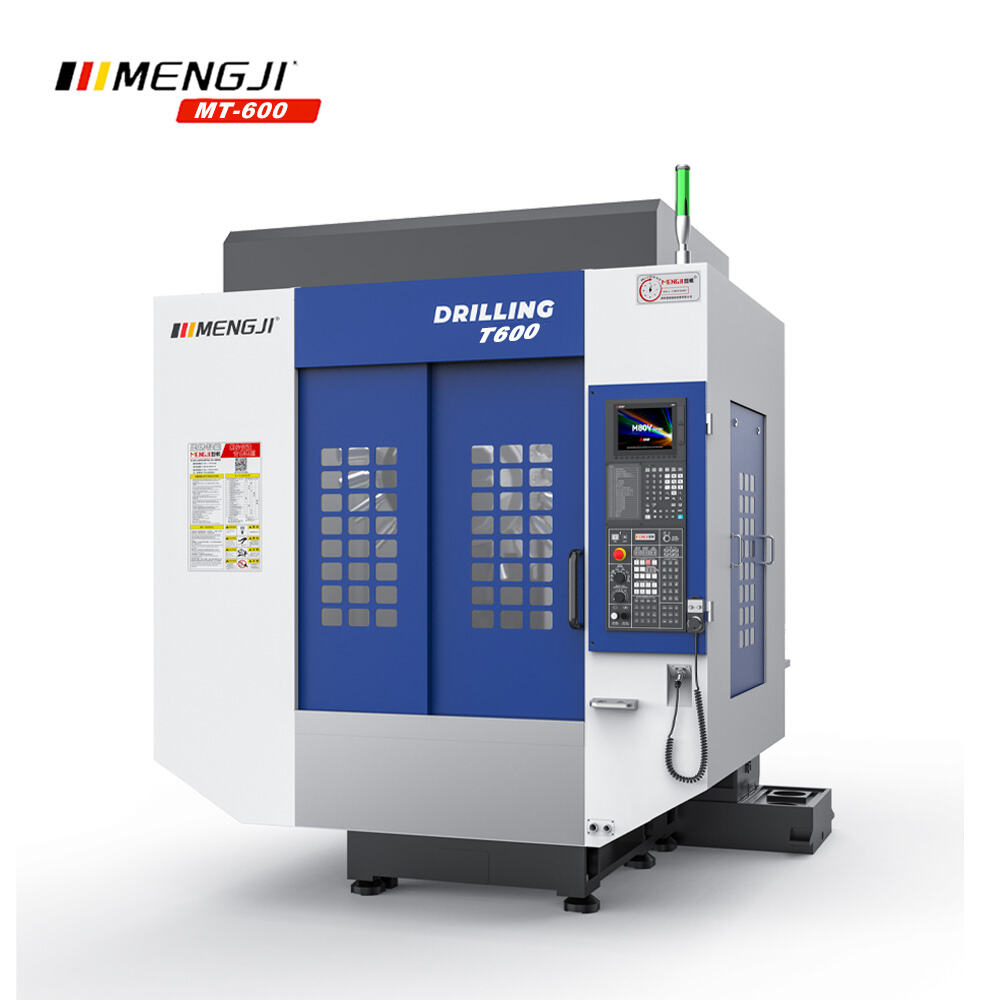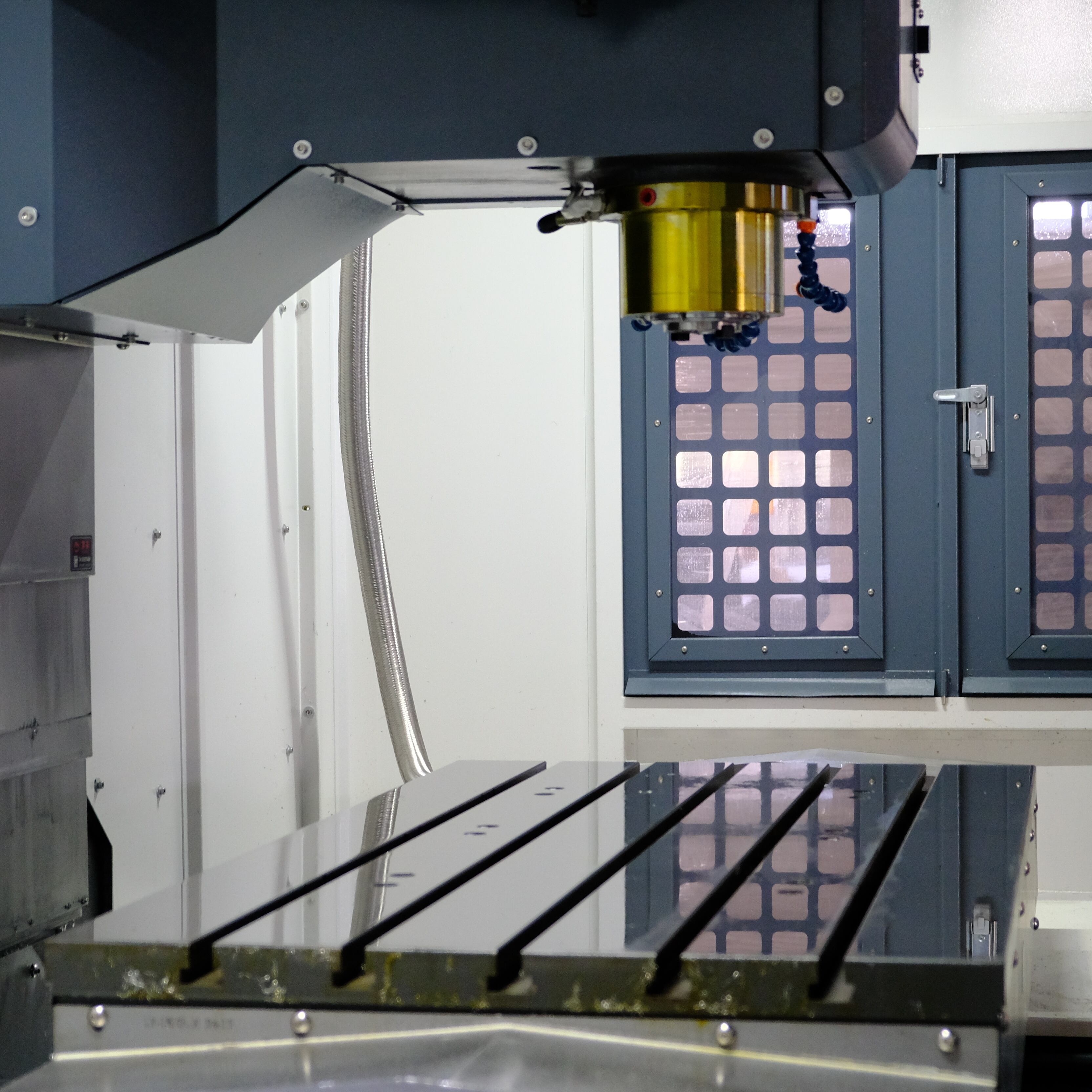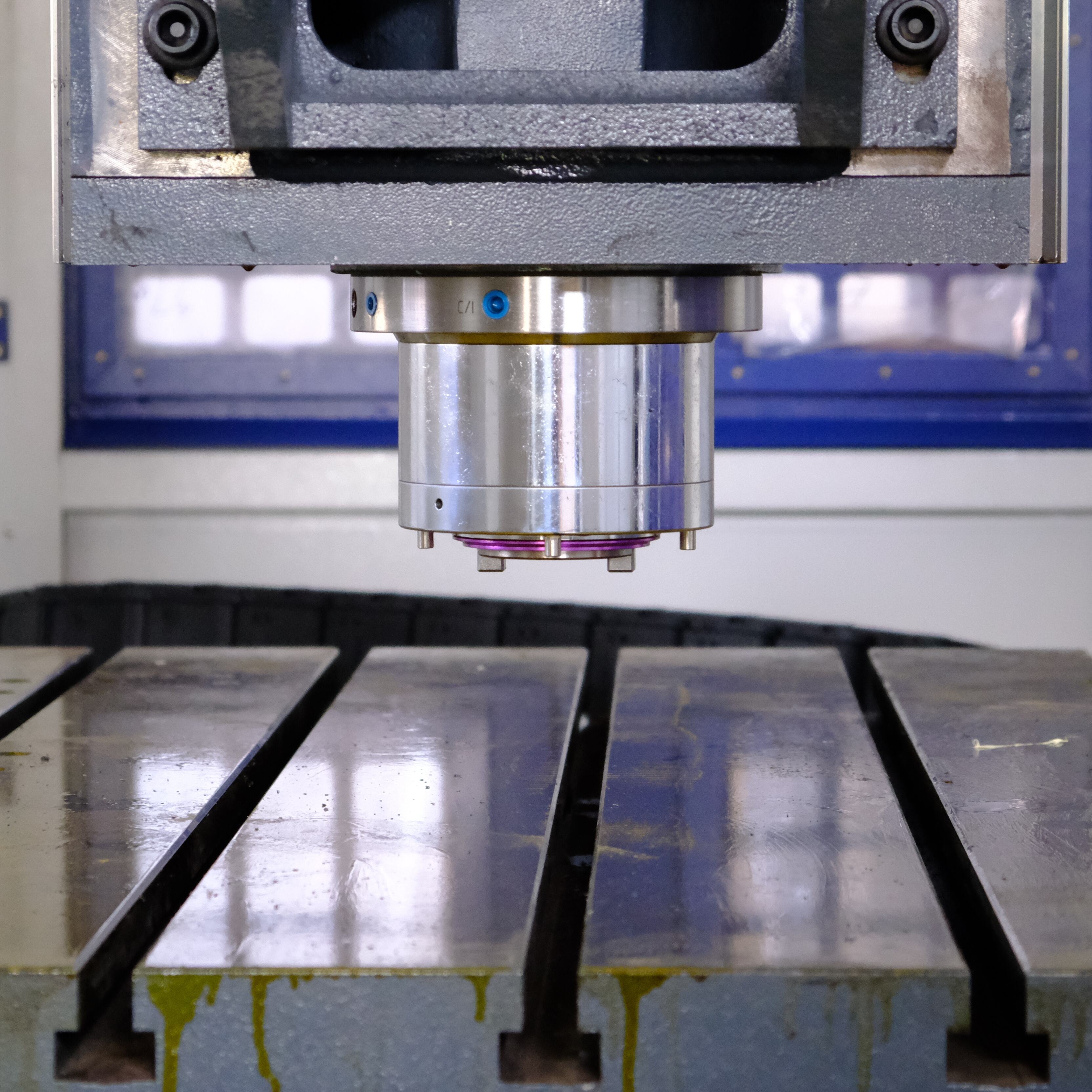
The CNC spindle represents the heart of any machining center, a high-precision electro-mechanical assembly responsible for rotating cutting tools at specified speeds while maintaining accuracy under varying load conditions. This critical component directly determines a machine's performance envelope regarding maximum cutting parameters, achievable surface finishes, and overall machining capability. Spindle designs vary considerably based on application requirements, ranging from robust gear-driven configurations delivering high torque for heavy-duty machining to integral motor spindles where the rotor is mounted directly on the shaft for superior stiffness and power transmission at high rotational speeds. Key performance specifications include maximum rotational speed (RPM), power rating (kW), torque characteristics across the speed range, and the tool interface standard (CAT, BT, or HSK) which determines rigidity and accuracy. High-speed spindles designed for aluminum machining and fine finishing may exceed 20,000 RPM, while high-torque spindles prioritize power delivery at lower speeds for challenging materials like titanium or hardened steels. The spindle's thermal stability is paramount for maintaining precision during extended operation, achieved through sophisticated cooling systems that circulate temperature-controlled fluid around the housing and through the shaft. Bearing selection is equally critical, with precision angular contact bearings supporting radial and axial loads in most applications, while advanced magnetic or hydrostatic bearing systems are employed in ultra-precision scenarios. Modern spindles incorporate integrated sensors for real-time temperature monitoring, vibration analysis, and automatic tool clamping/unclamping mechanisms.
Our professional sales team is always ready to assist you.