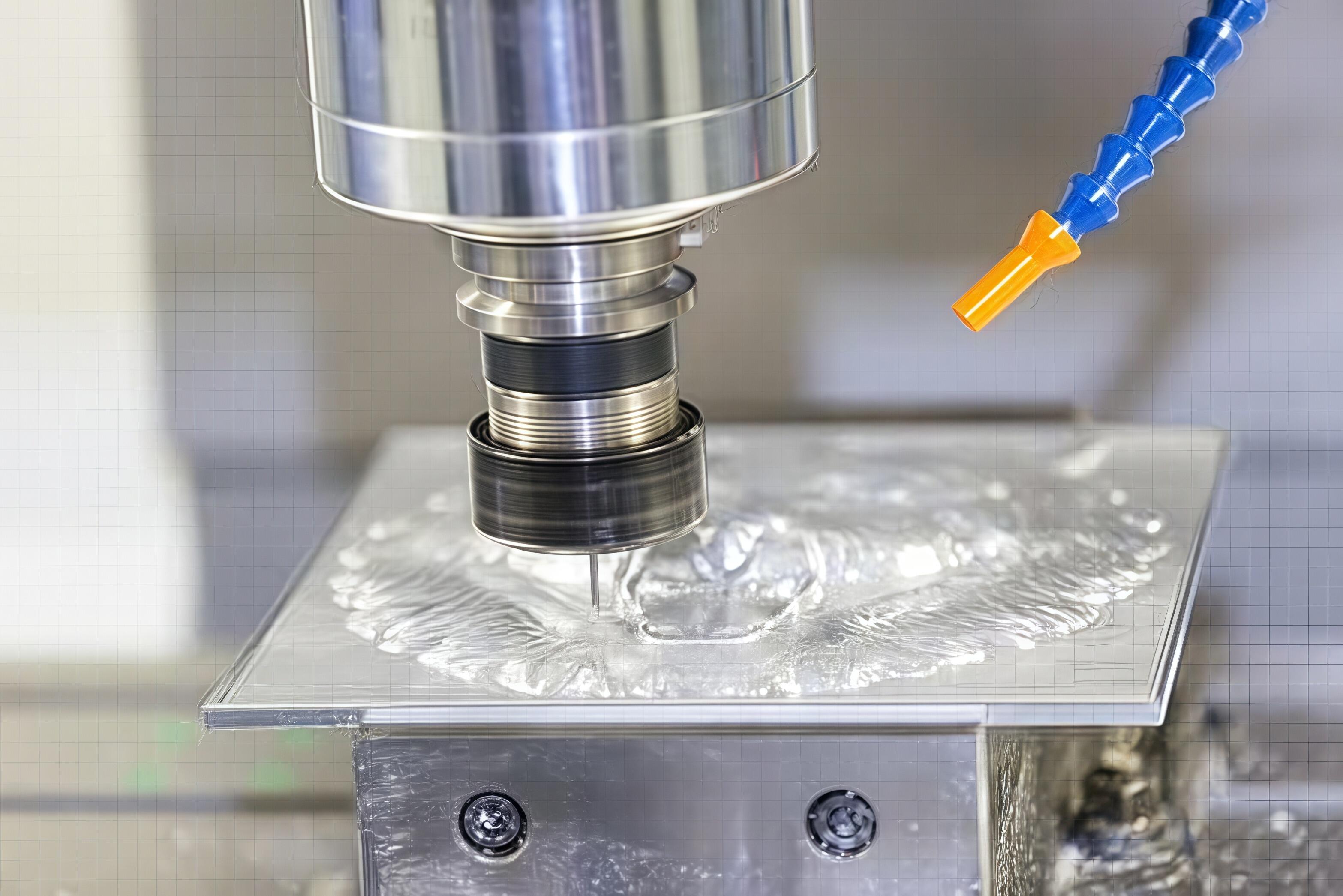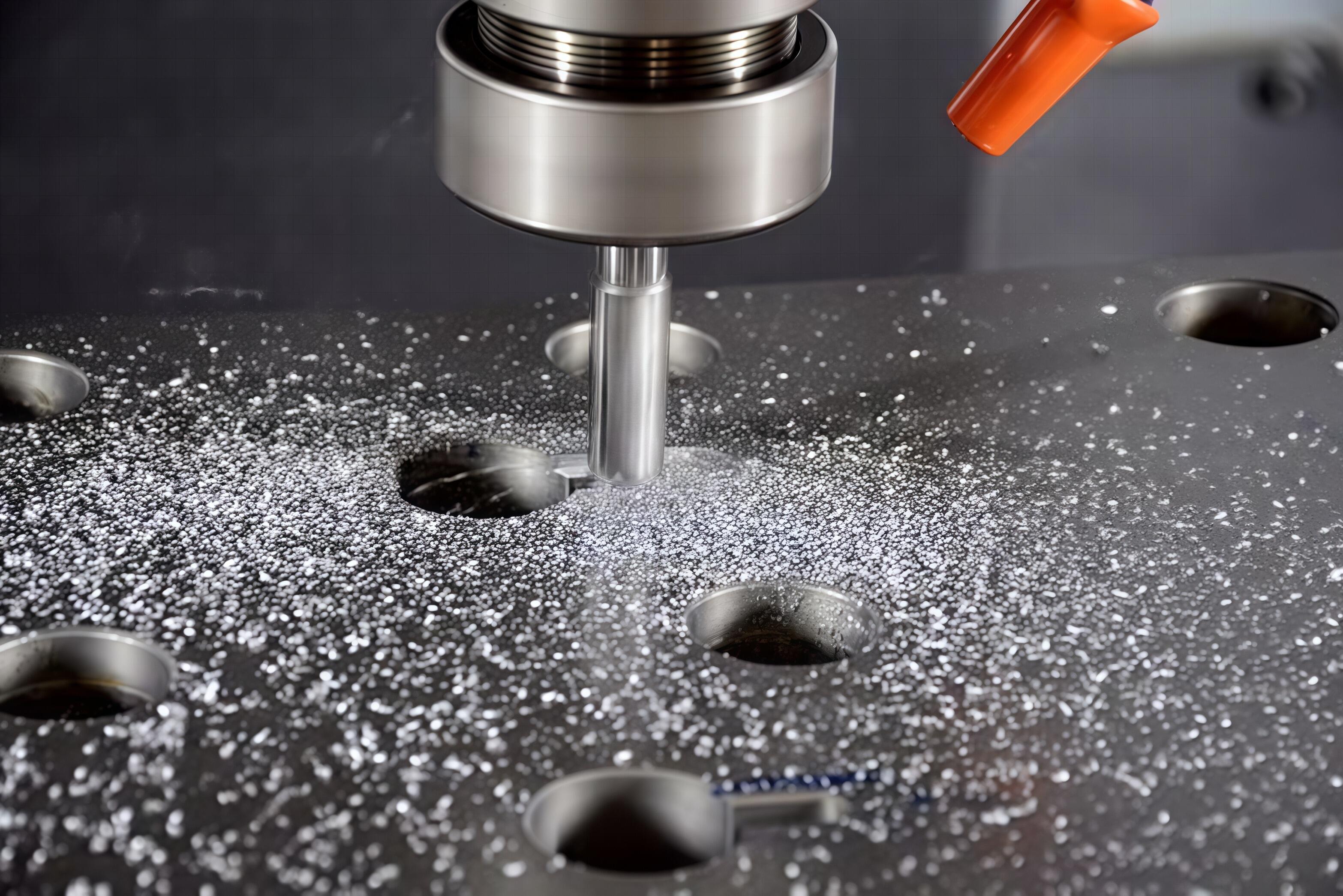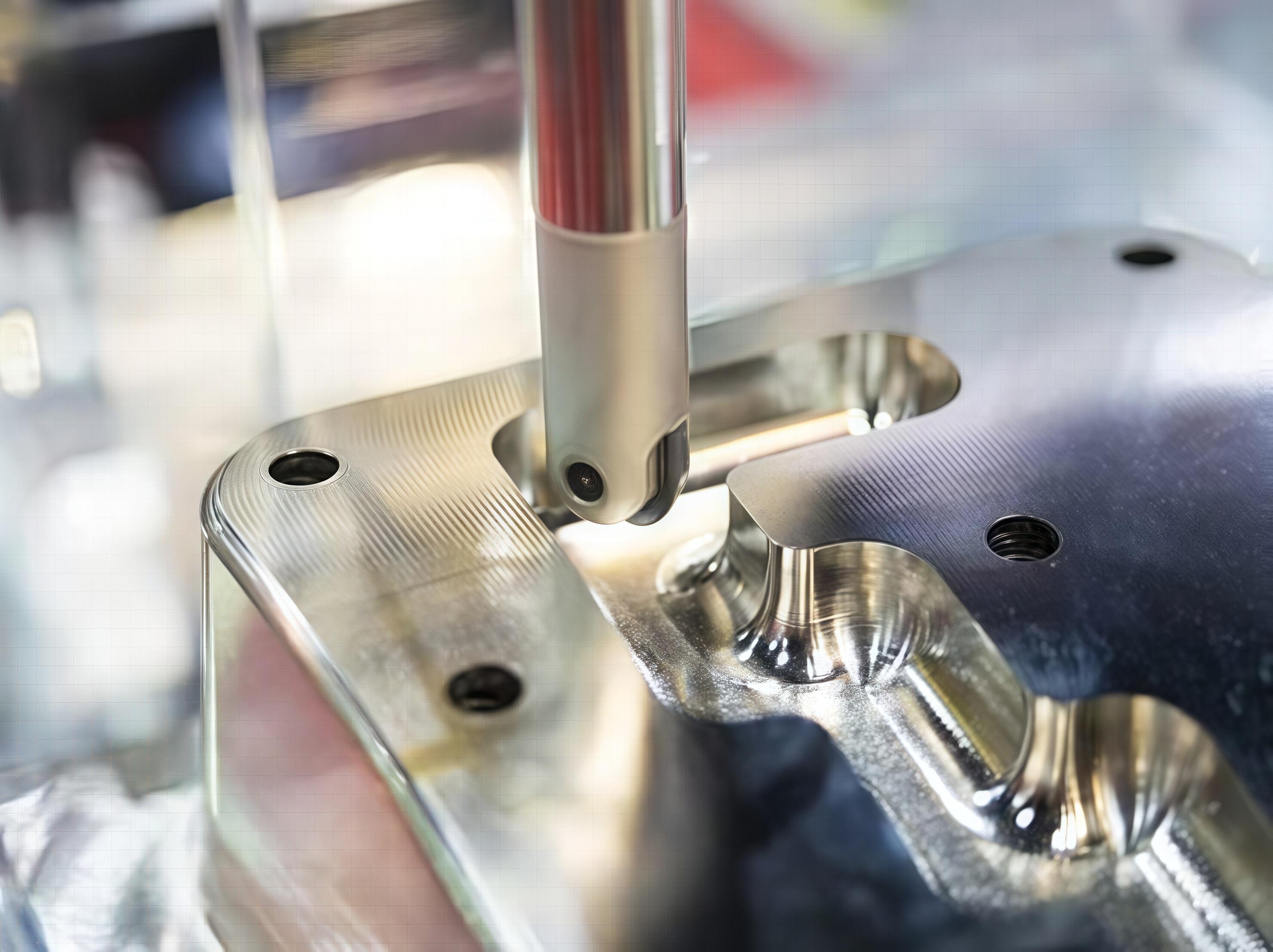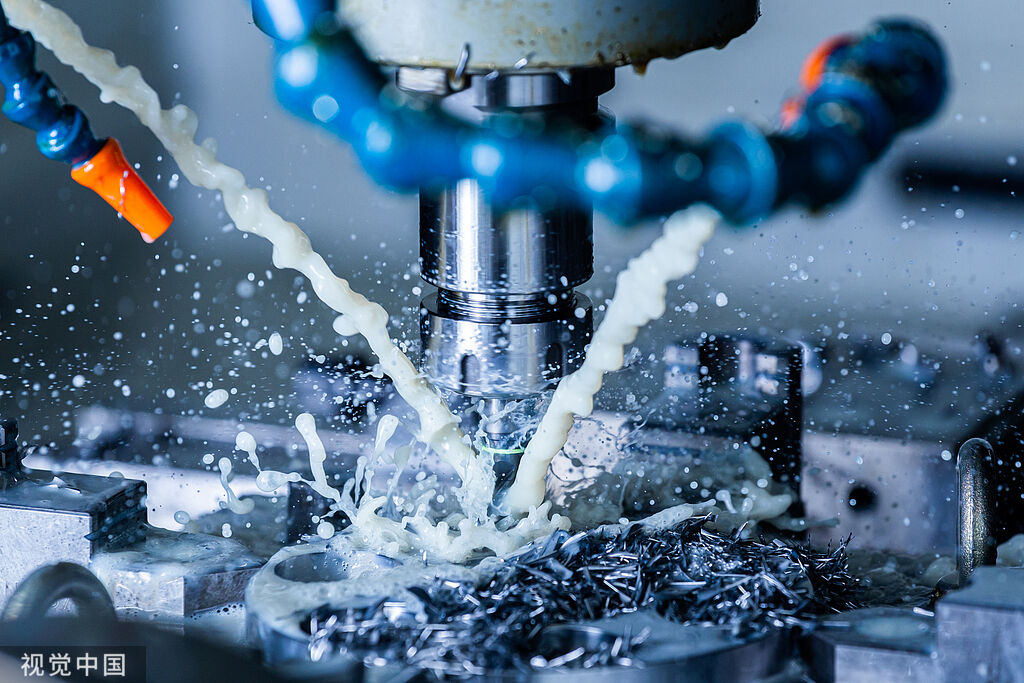
The CNC mill spindle represents the heart of any machining center, a high-precision assembly responsible for rotating the cutting tool at specified speeds while withstanding significant mechanical forces during material removal. This critical component directly determines a machine's capability regarding maximum cutting parameters, achievable surface finishes, and overall machining accuracy. Spindle designs vary considerably based on application requirements, ranging from basic belt-driven configurations for general purpose machining to integral motor spindles where the rotor is directly mounted on the shaft for superior stiffness and power transmission. Key performance characteristics include maximum rotational speed (RPM), power (kW), torque (Nm), and the interface standard (such as CAT, BT, or HSK) for tool holding. High-speed spindles designed for aluminum machining and fine finishing may exceed 20,000 RPM, while high-torque spindles for heavy-duty steel cutting prioritize power delivery at lower speeds. The spindle's thermal stability is crucial for maintaining precision during extended operation, achieved through sophisticated cooling systems that circulate temperature-controlled fluid around the housing and through the shaft. Bearing selection represents another critical aspect, with precision angular contact bearings supporting both radial and axial loads, and more advanced magnetic or air bearing systems employed in ultra-precision applications. Modern spindles often incorporate integrated sensors for temperature monitoring, vibration analysis, and automatic tool clamping/unclamping mechanisms. The spindle's condition directly impacts machining quality, making regular maintenance including lubrication, balance verification, and preventive replacement of critical components essential for preserving long-term performance and protecting the substantial investment represented by the entire machining system.
Our professional sales team is always ready to assist you.