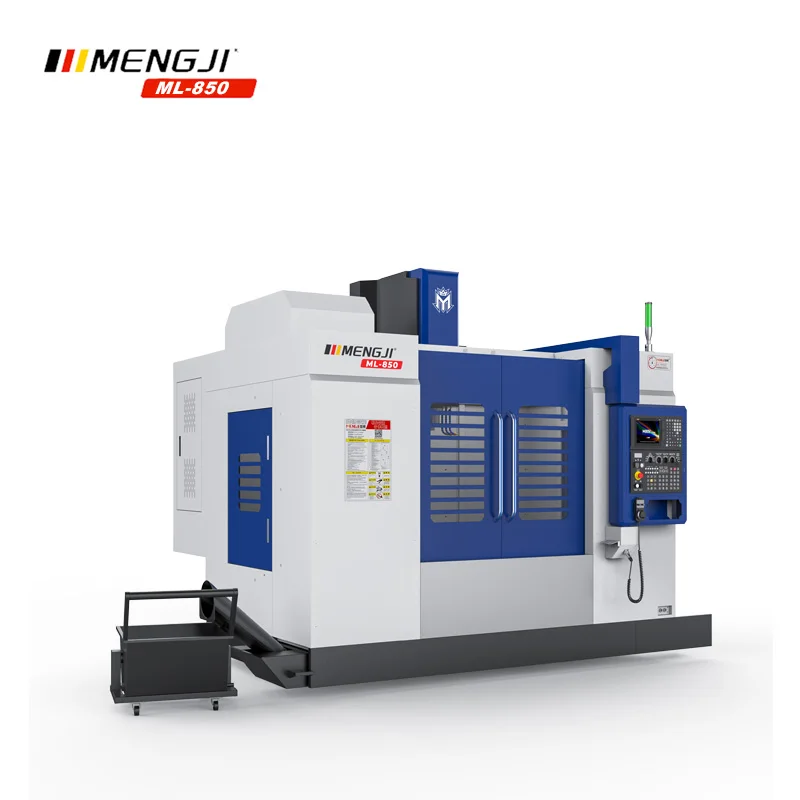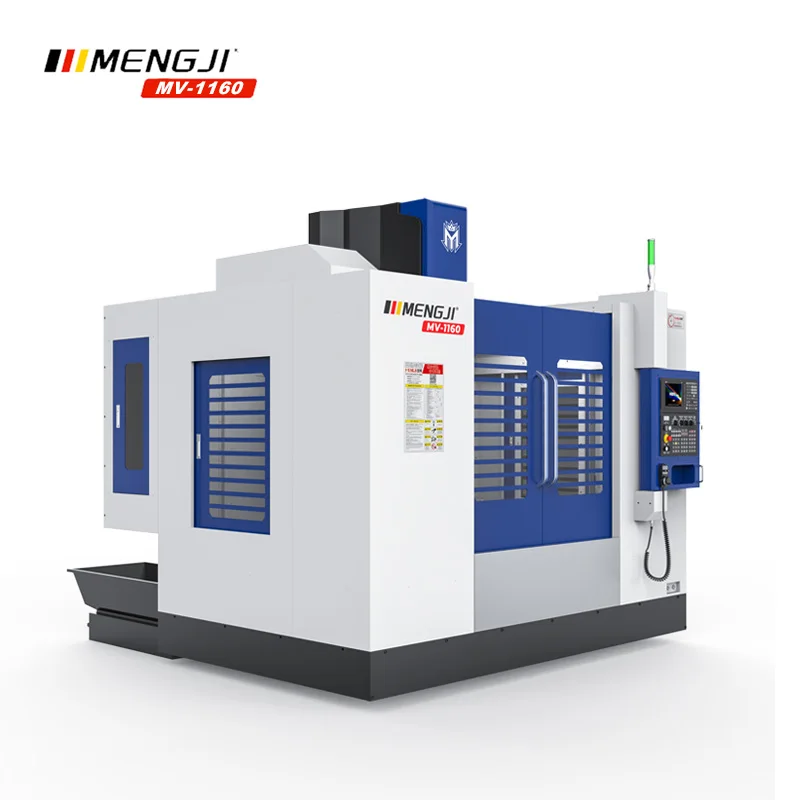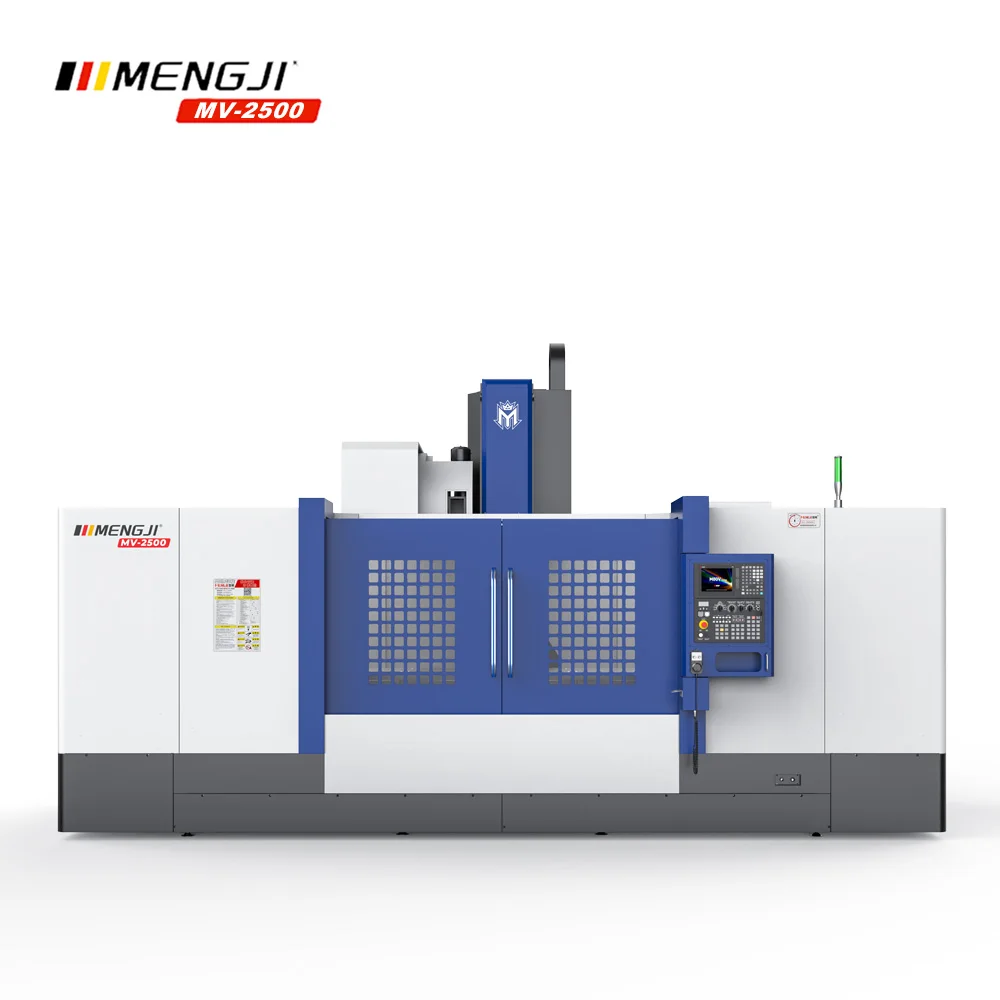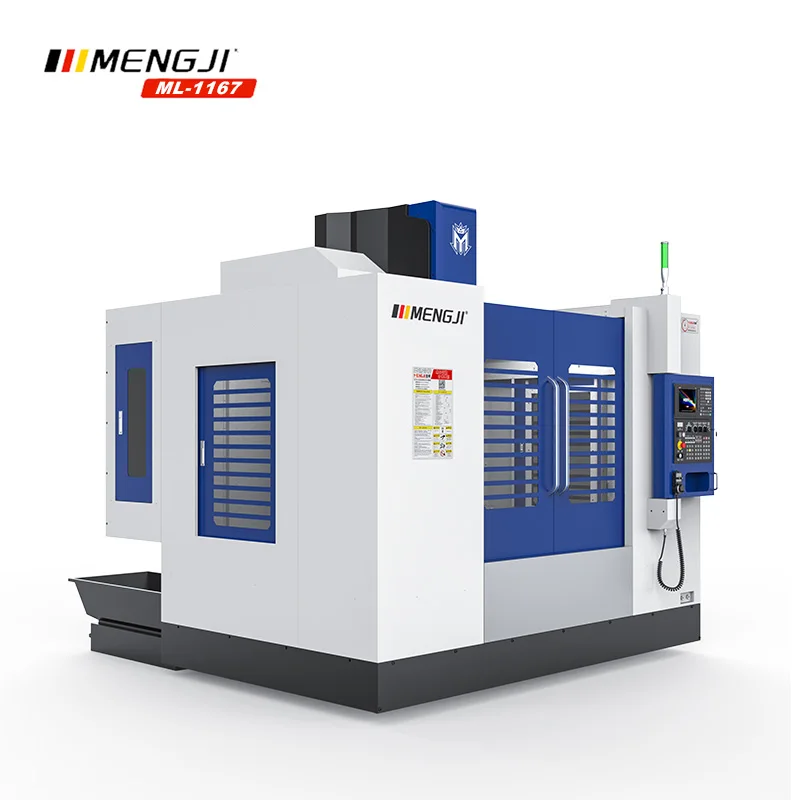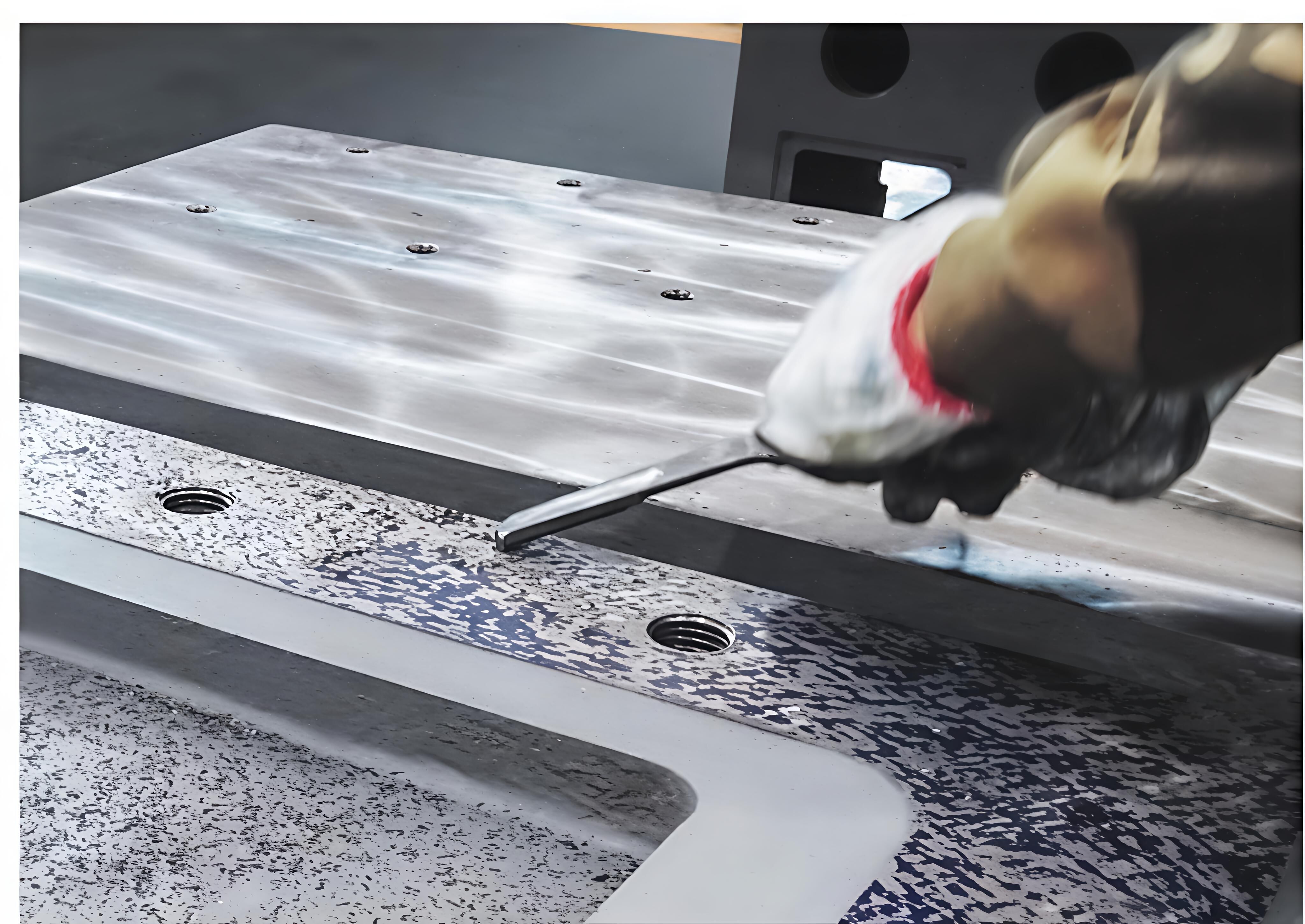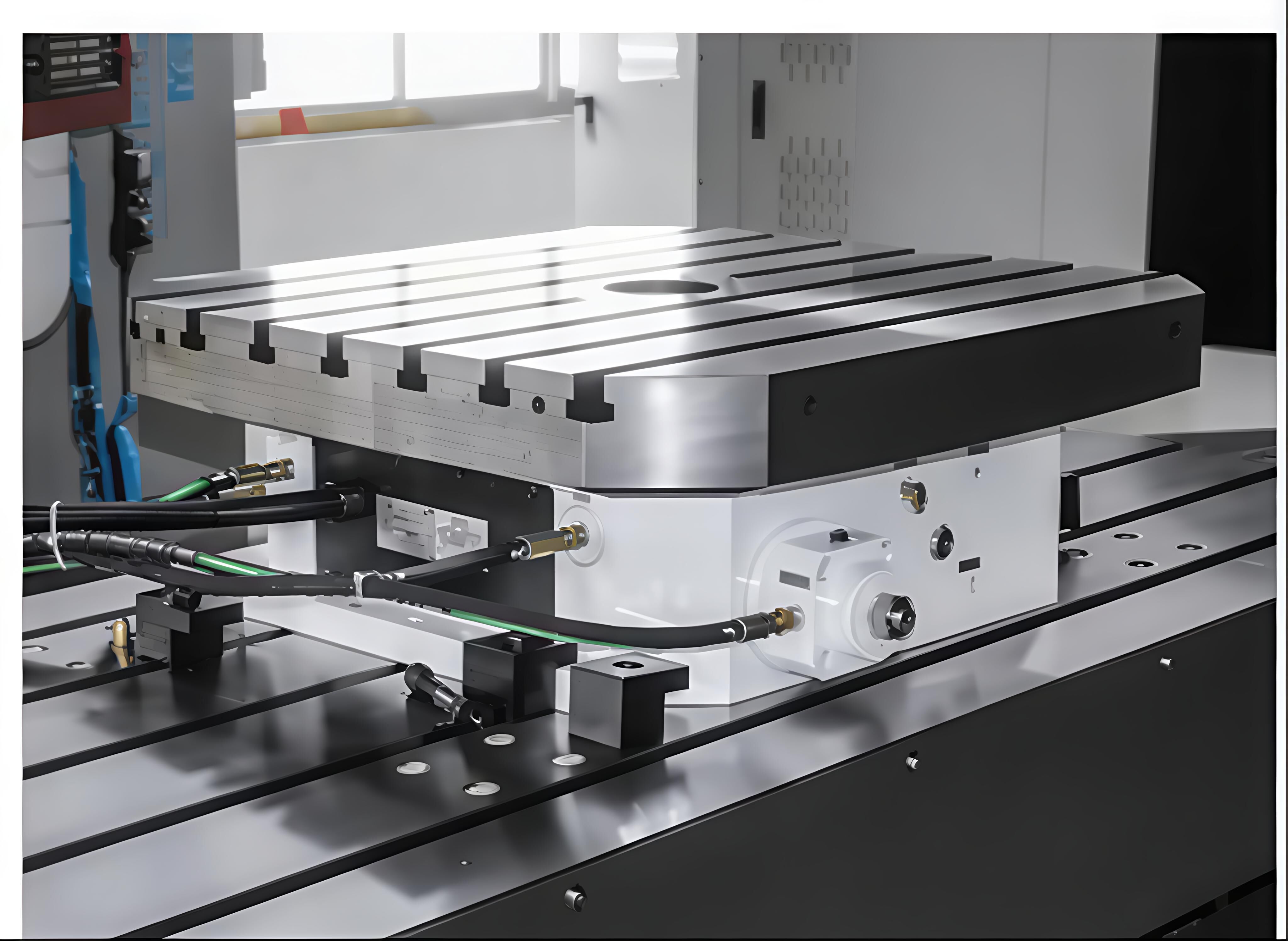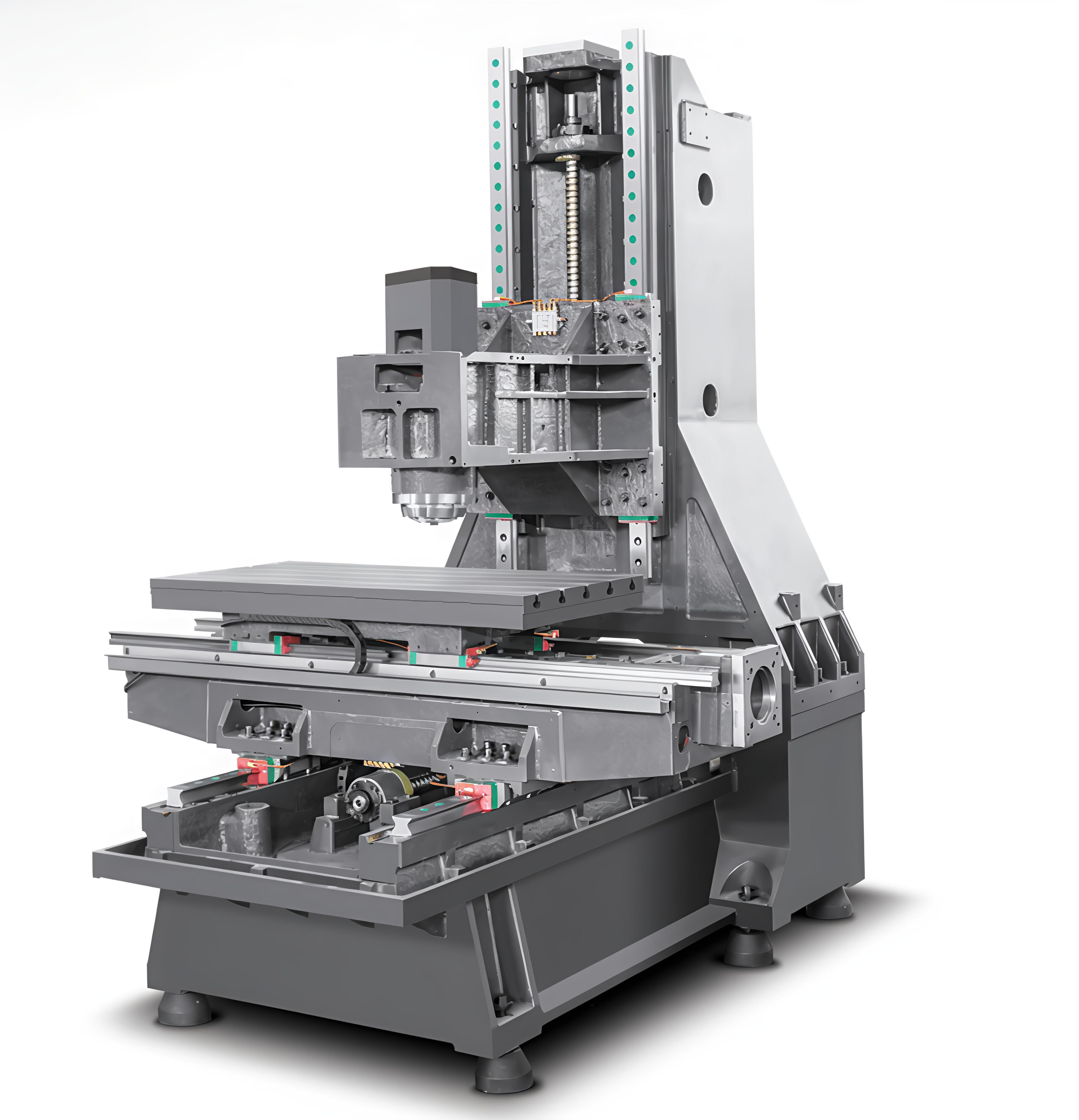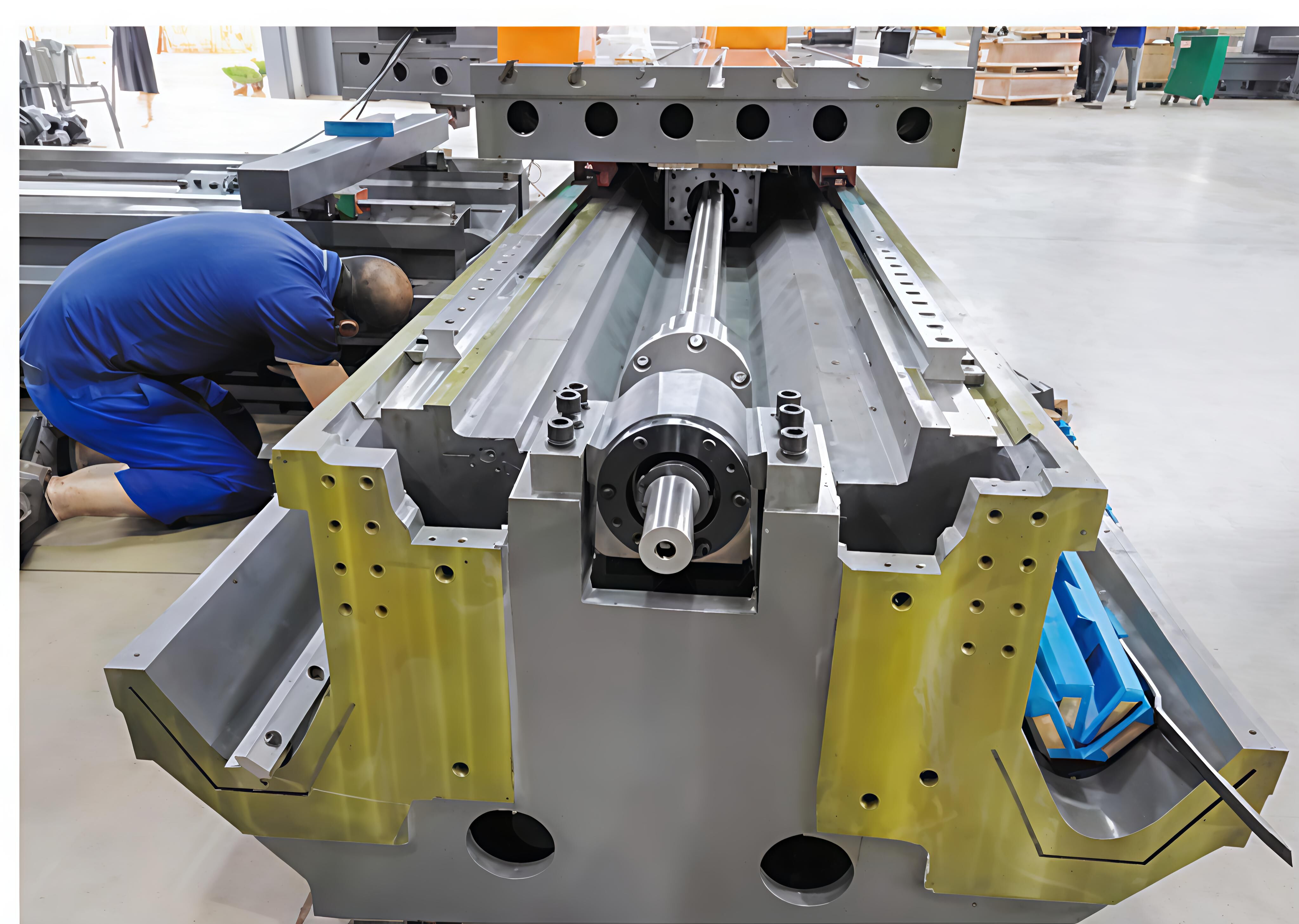
The term "CNC vertical mill" typically refers to a Vertical Machining Center (VMC), a fully automated milling machine characterized by its vertically oriented spindle. This configuration is one of the most common in the industry due to its practical advantages in setup, chip evacuation, and overall accessibility for a wide range of parts. The vertical orientation means that chips fall away from the cutting zone by gravity, reducing the chance of recutting and protecting the workpiece surface, which is particularly beneficial when machining materials like aluminum. Operation is generally more intuitive, as the setup resembles a traditional manual mill, making it easier for programmers and operators. CNC vertical mills are incredibly versatile, capable of handling a wide range of materials from plastics and non-ferrous metals to tough steels, depending on the machine's construction and spindle power. They are the default choice for producing plate-type components, base plates, and any part where the primary features are on one plane or can be accessed from the top. Modern CNC vertical mills are highly automated, featuring automatic tool changers to enable complex, multi-operation parts, and often pallet changers to minimize non-cutting time. They are controlled by sophisticated CNC controls that support complex programming and connectivity for data collection. When selecting a CNC vertical mill, key specifications to consider include travel distances in X, Y, and Z, spindle power and torque, rapid traverse rates, and the capacity of the automatic tool changer. Its role as a fundamental, flexible, and productive manufacturing platform ensures the CNC vertical mill remains a critical and ubiquitous piece of technology in the global manufacturing landscape.
Our professional sales team is always ready to assist you.