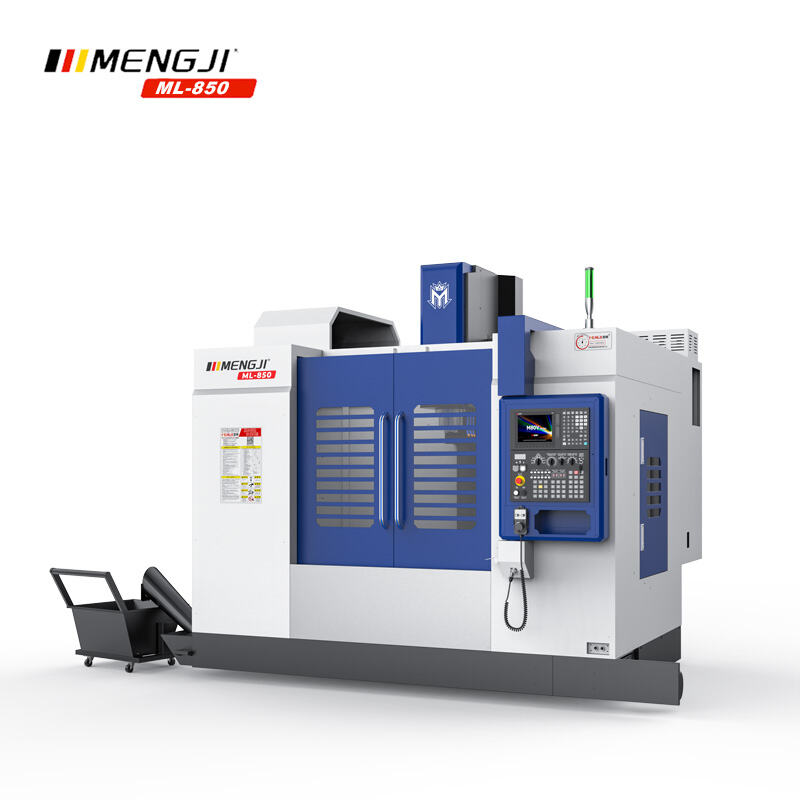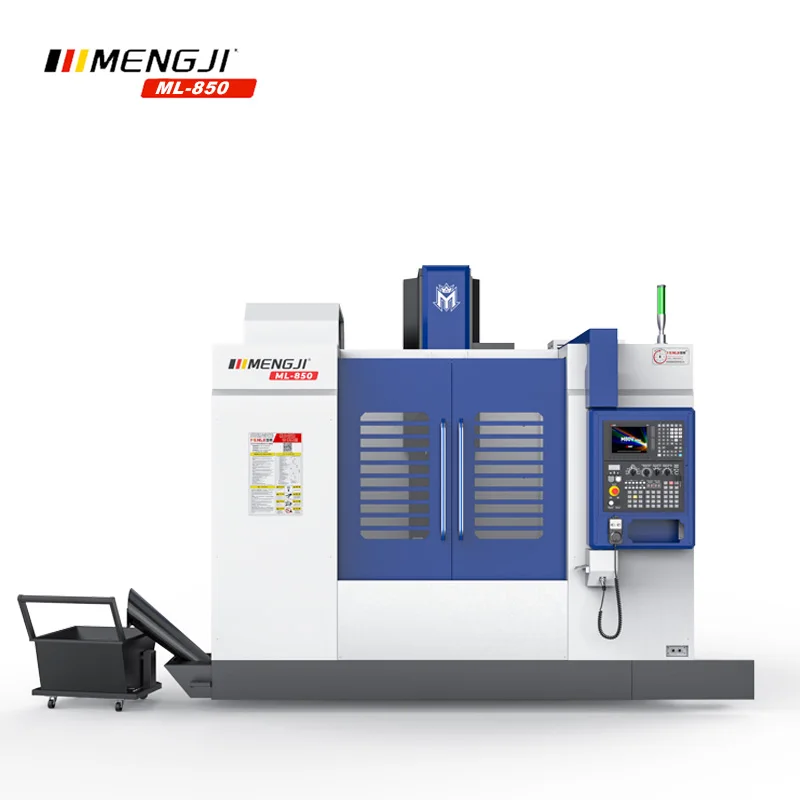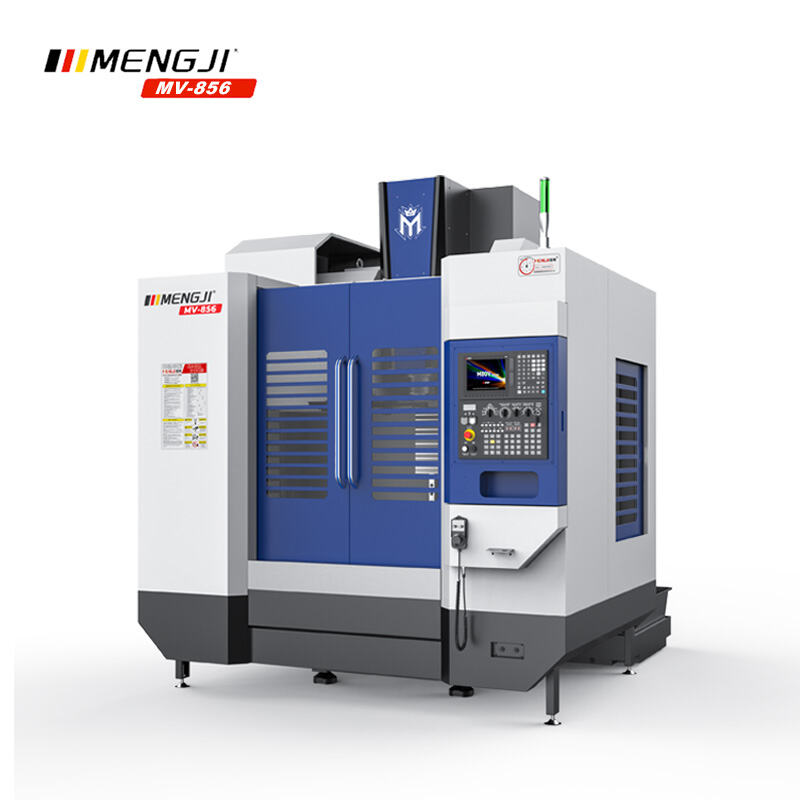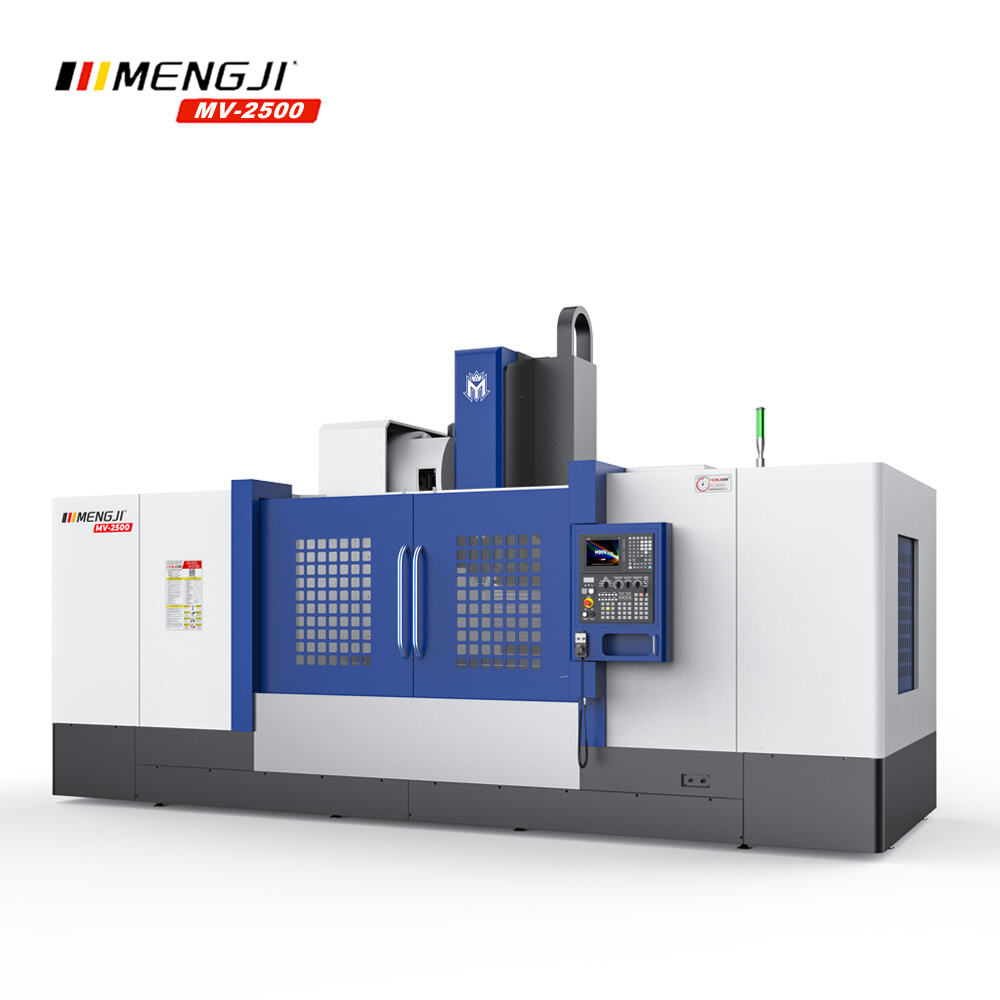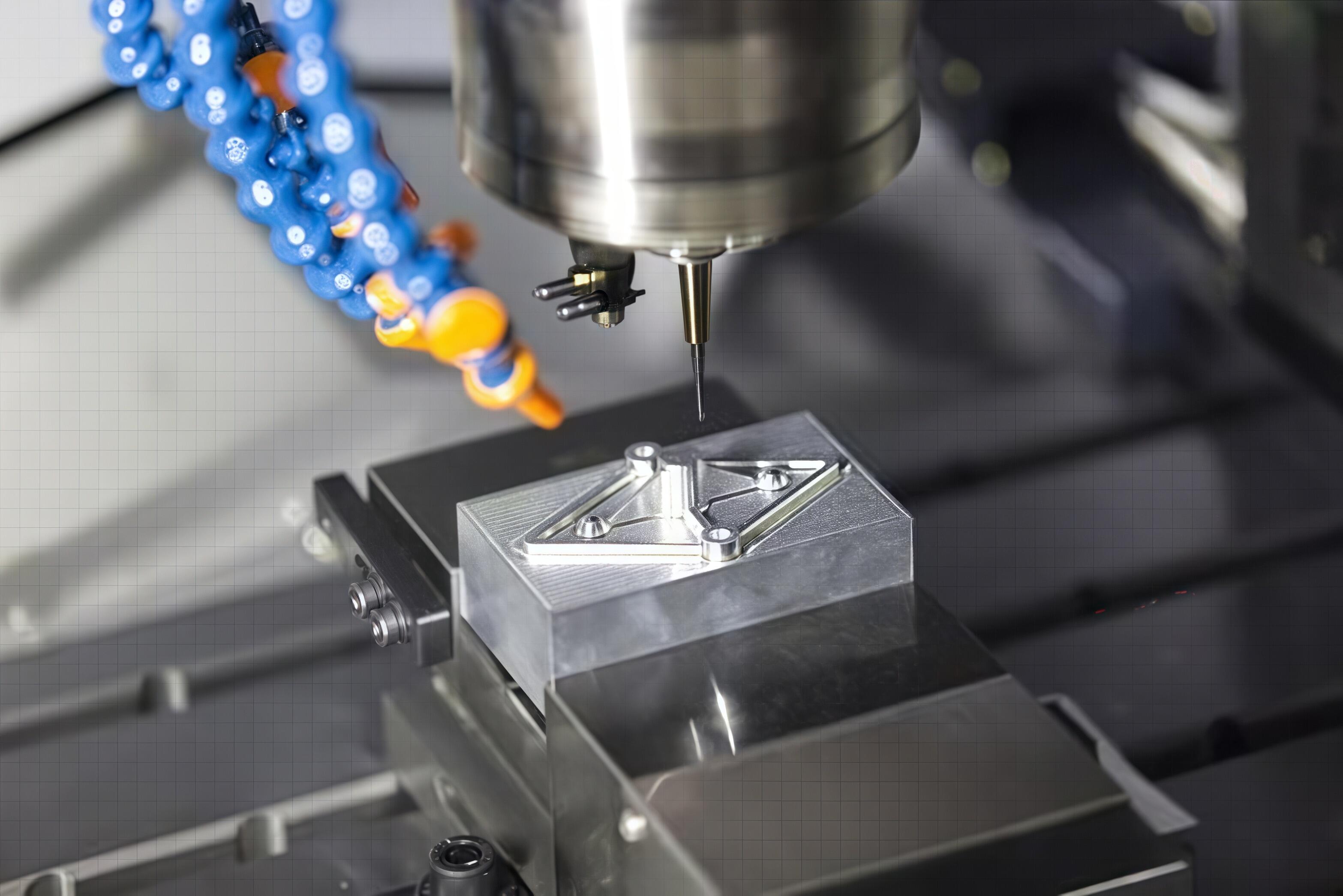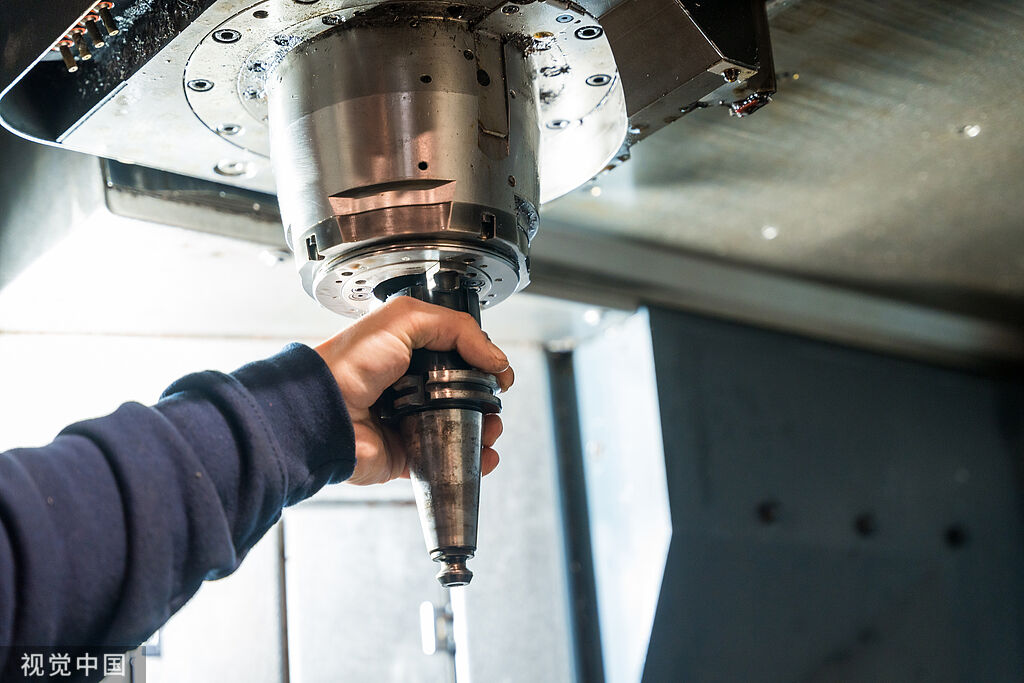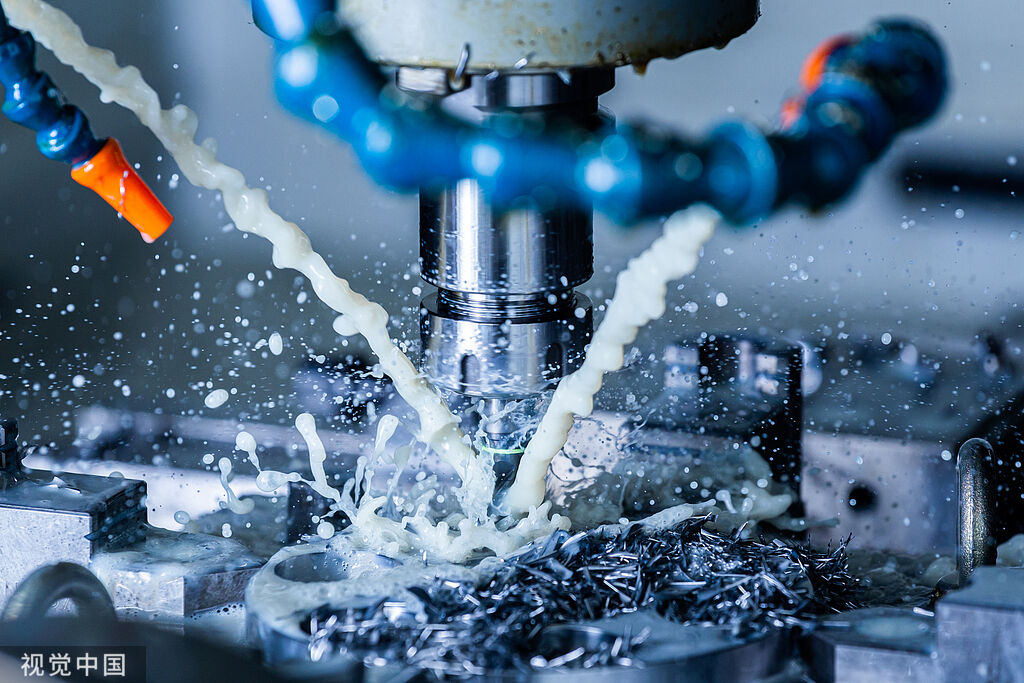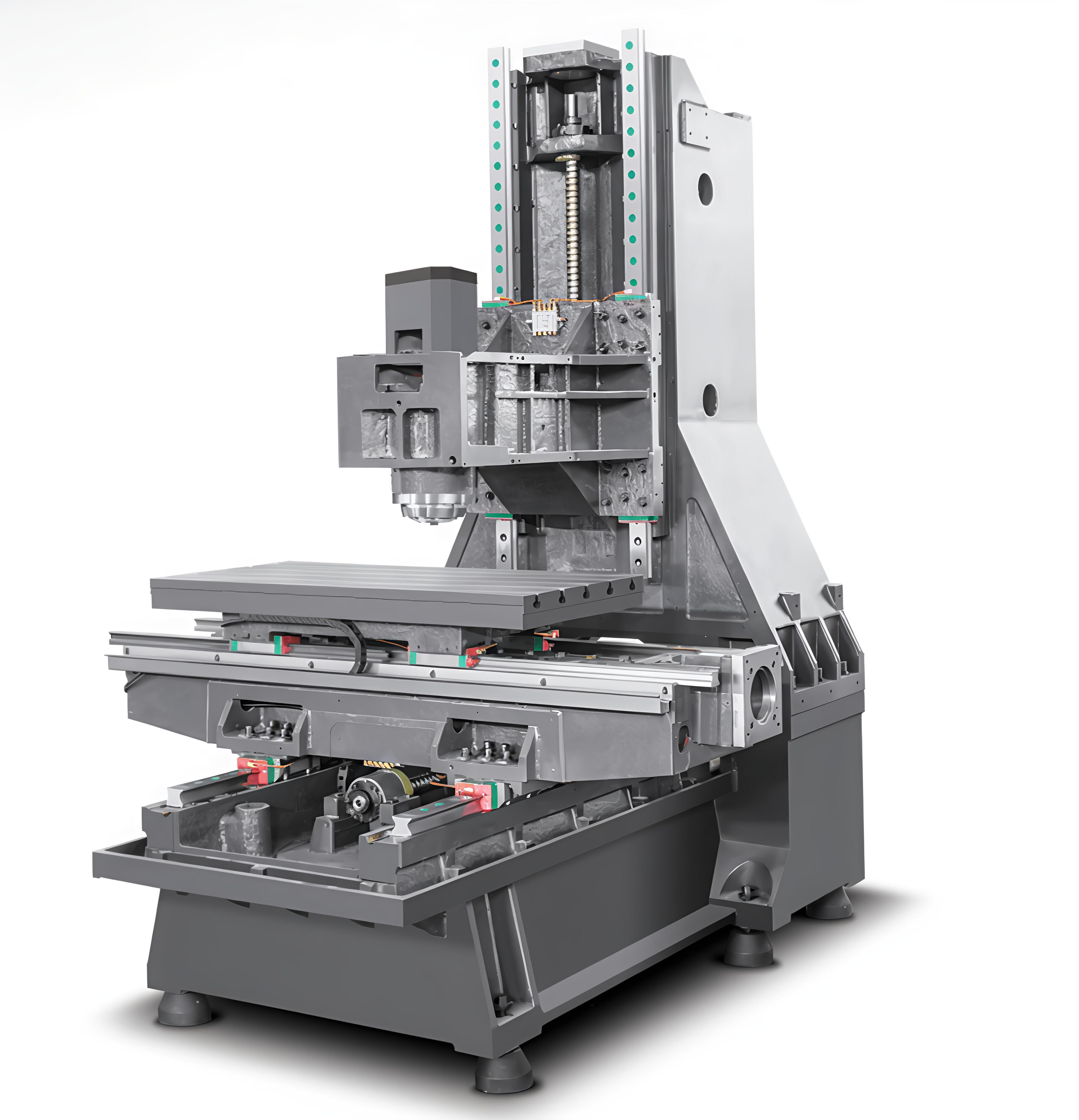
A desktop CNC mill represents a compact, accessible manufacturing system designed for small-scale machining applications in educational, prototyping, and hobbyist environments. These machines bring industrial-grade CNC technology to a benchtop format, enabling users to transform digital designs into physical components without requiring extensive workshop infrastructure. Despite their reduced physical dimensions compared to industrial counterparts, desktop CNC mills maintain the fundamental principles of computer-controlled subtractive manufacturing, utilizing programmed toolpaths to guide rotating cutting tools through various materials. Typical constructions feature rigid aluminum or steel frames, stepper or servo motor drives for axis control, and spindle systems ranging from modified routers to purpose-built DC or AC spindles capable of speeds up to 30,000 RPM. The work envelope of these machines typically accommodates components measuring several inches in each dimension, making them ideal for creating small mechanical parts, electronic enclosures, jewelry patterns, and educational prototypes. Modern desktop CNC mills often incorporate user-friendly control software that operates from standard computers, with some advanced models offering standalone operation capabilities. While their cutting forces and material removal rates are necessarily limited by their size, these machines can effectively process materials including plastics, woods, non-ferrous metals, and even steel with appropriate tooling and operating parameters. The accessibility of desktop CNC technology has democratized digital manufacturing, enabling engineers, designers, and makers to rapidly iterate designs and produce custom components with precision that rivals larger industrial systems for appropriately scaled applications.
Our professional sales team is always ready to assist you.