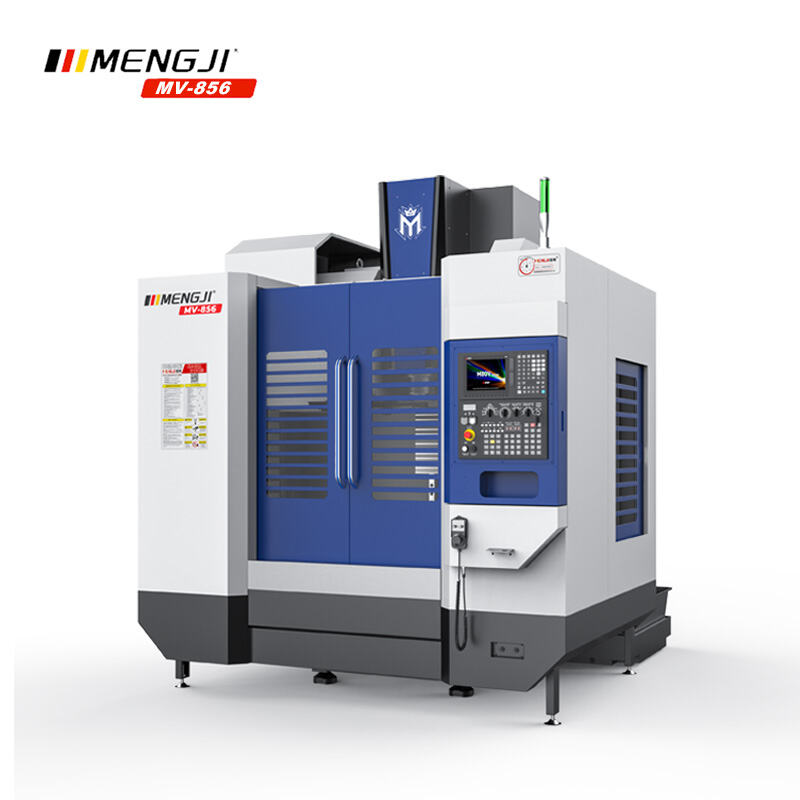
CNC milling machine programming is the critical, intellectually demanding process of translating a component's three-dimensional CAD model into a precise, efficient, and safe set of instructions—known as G-code—that a CNC milling center can execute. This discipline sits at the intersection of software proficiency, machining theory, and practical workshop knowledge. The process is predominantly carried out using Computer-Aided Manufacturing (CAM) software, which allows the programmer to create a digital replica of the machining process. The workflow begins with importing the CAD model and defining the raw stock. The programmer then strategically sequences a series of operations, each tailored to remove a specific volume of material. This involves selecting the appropriate cutting tools (end mills, drills, taps), defining their paths (e.g., contouring, pocketing, facing), and setting the critical cutting parameters: spindle speed (RPM), feed rate (IPM), and depth of cut. Advanced programming techniques are essential for modern efficiency and quality. For instance, High-Efficiency Machining (HEM) strategies use trochoidal or adaptive toolpaths to maintain a constant tool engagement angle, allowing for higher feed rates and deeper axial cuts with lighter radial engagement, which reduces heat and extends tool life. For 3D contours, the programmer must generate smooth, flowing toolpaths that avoid sharp directional changes to prevent tool marks and chatter. Crucially, the program must also include non-cutting commands: setting tool length and diameter offsets, controlling coolant flow, commanding automatic tool changes, and ensuring safe retraction moves to avoid collisions with the fixture or part. Before the code is ever sent to the machine, it is meticulously verified through software simulation that visually animates the entire machining process, identifying any errors in logic or potential crashes. The final step is "post-processing," where the CAM software's generic toolpath data is translated into the specific G-code dialect required by the machine's CNC control. A well-crafted CNC milling program is not just a set of commands; it is an optimized plan that ensures dimensional accuracy, superior surface finish, minimized cycle time, and maximum tool longevity.