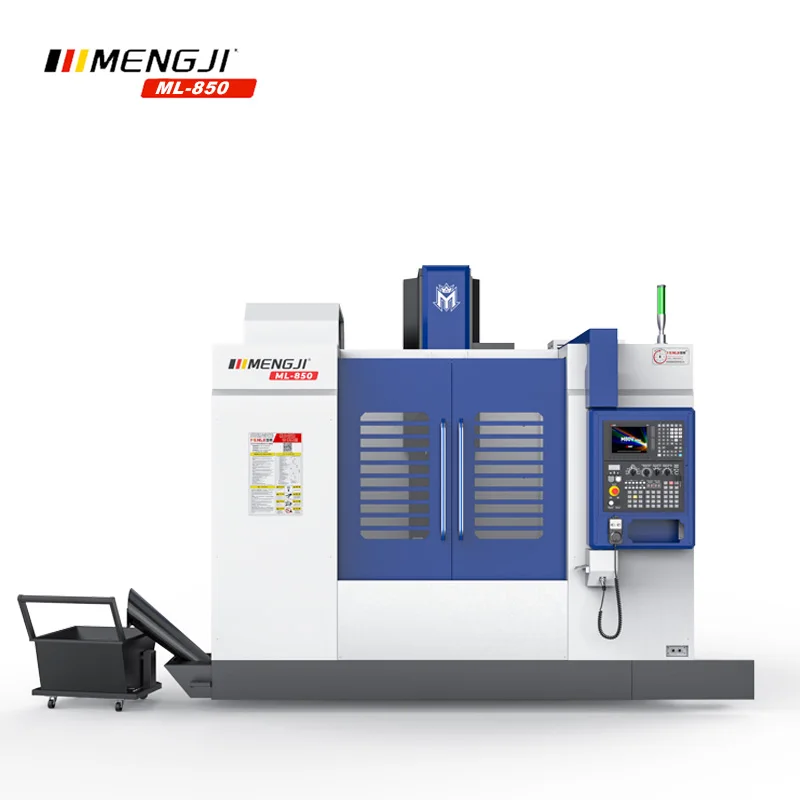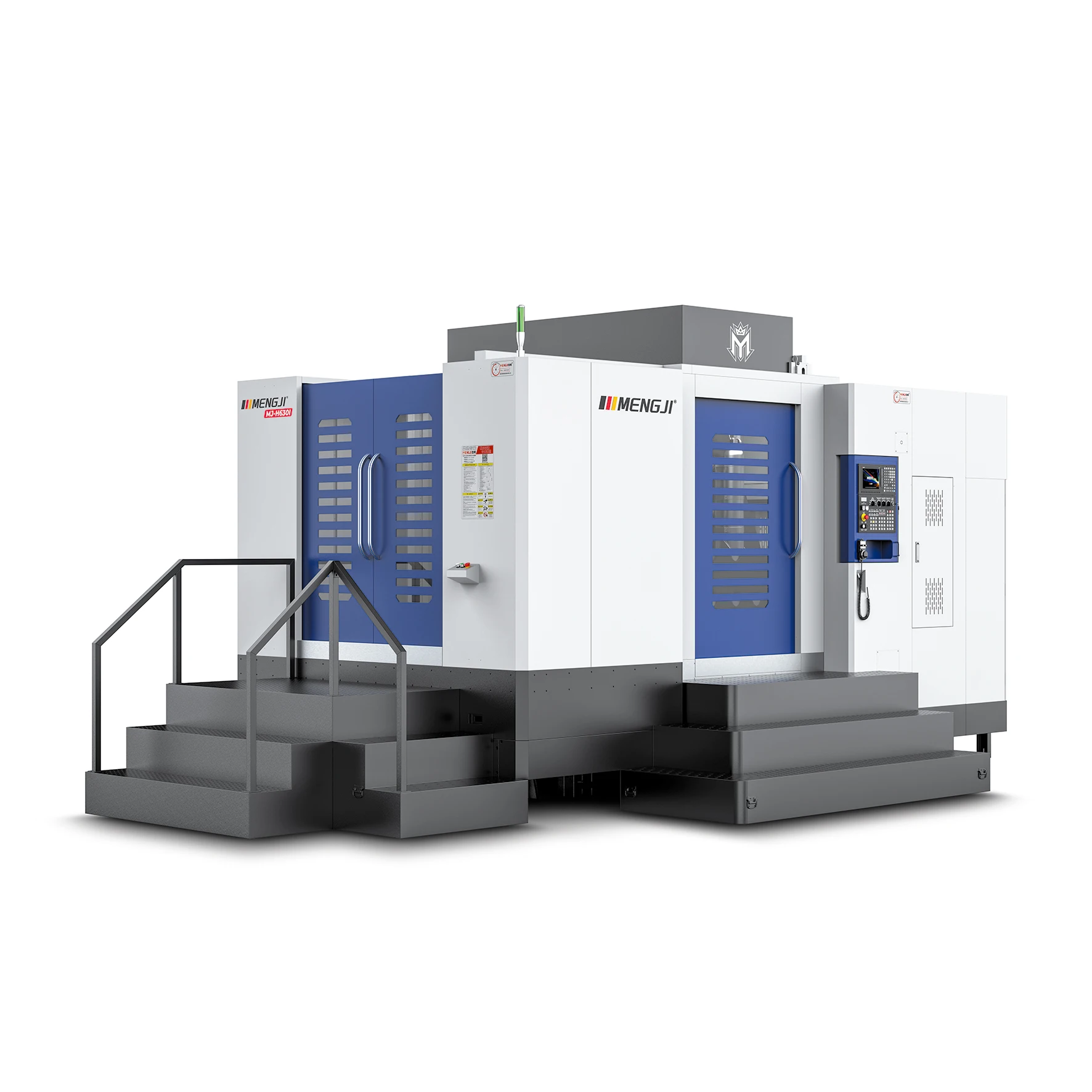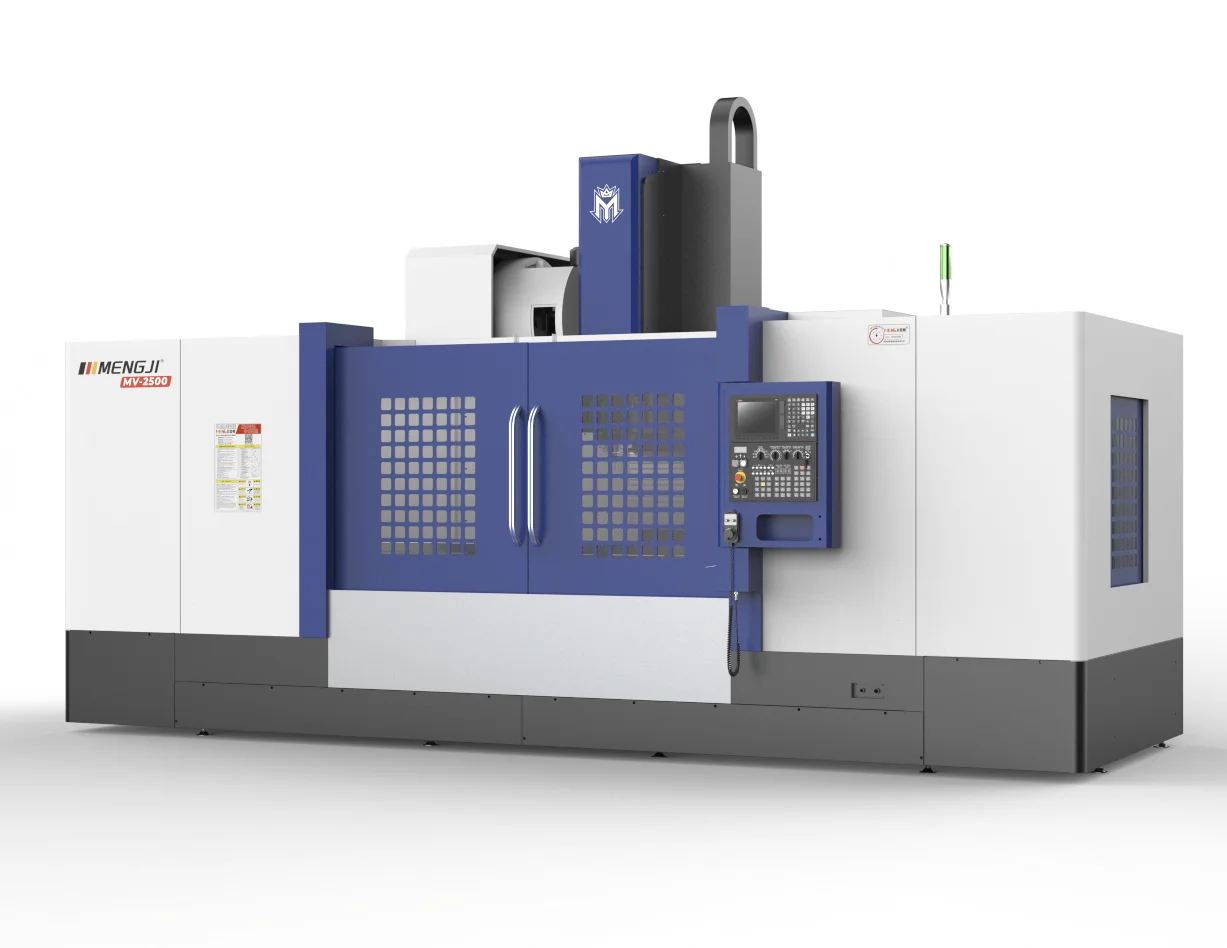
CNC programming represents the critical intellectual foundation that transforms digital part designs into physical reality through a meticulously crafted set of machine-readable instructions. This sophisticated discipline involves two primary methodologies: manual programming, where skilled programmers write G-code and M-code directly, offering granular control for complex operations; and Computer-Aided Manufacturing (CAM) programming, which uses advanced software to automatically generate efficient, collision-free toolpaths from 3D CAD models. The programmer's role extends far beyond code generation; it encompasses strategic process planning, including selecting the optimal sequence of operations, choosing appropriate cutting tools, defining fixturing methods, and calculating precise cutting parameters (speeds, feeds, depth of cut) based on material properties and tooling capabilities. For complex parts, especially those requiring 5-axis simultaneous machining or multi-tasking turn-mill operations, the programmer must possess deep knowledge of machine kinematics and advanced techniques like trochoidal milling or high-speed machining strategies to maintain constant tool engagement and minimize cycle times. Post-processing then translates the generic toolpath data into the specific dialect required by the machine's CNC controller. Crucially, virtual simulation is employed to verify the program, visually identifying potential errors, collisions, or inefficiencies before any physical machining occurs. Effective CNC programming directly dictates manufacturing efficiency, tool life, surface finish quality, and the dimensional accuracy of the final component. It is the indispensable bridge between engineering design and high-quality production, requiring a unique blend of software proficiency, practical machining experience, and analytical problem-solving skills to optimize the entire manufacturing process from a digital blueprint to a flawless physical part.
Our professional sales team is always ready to assist you.