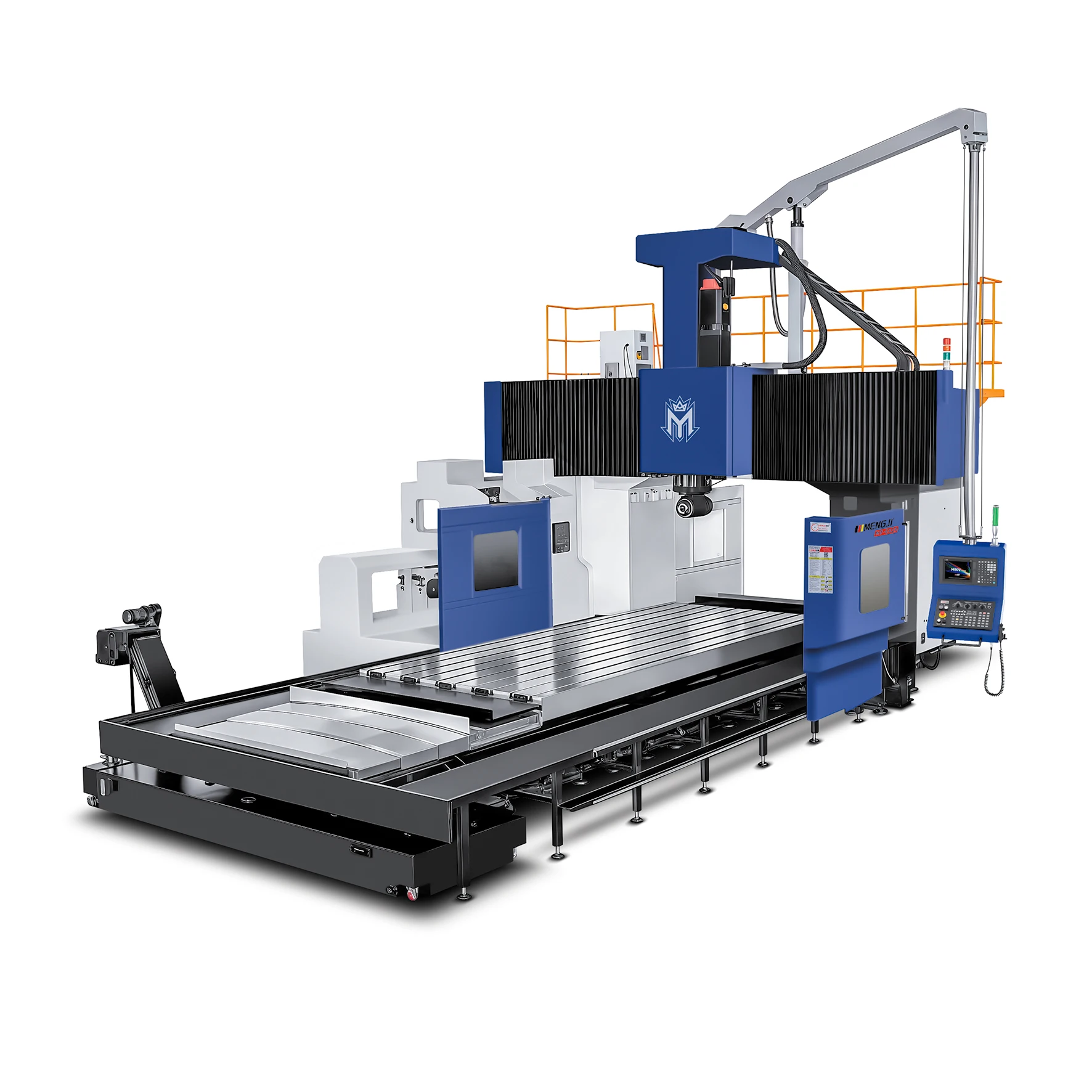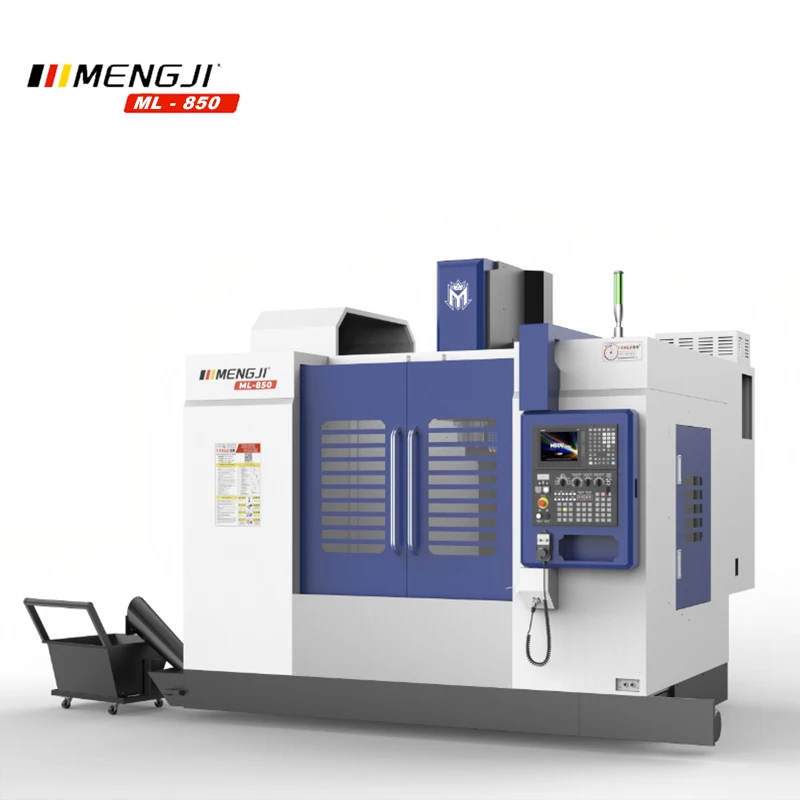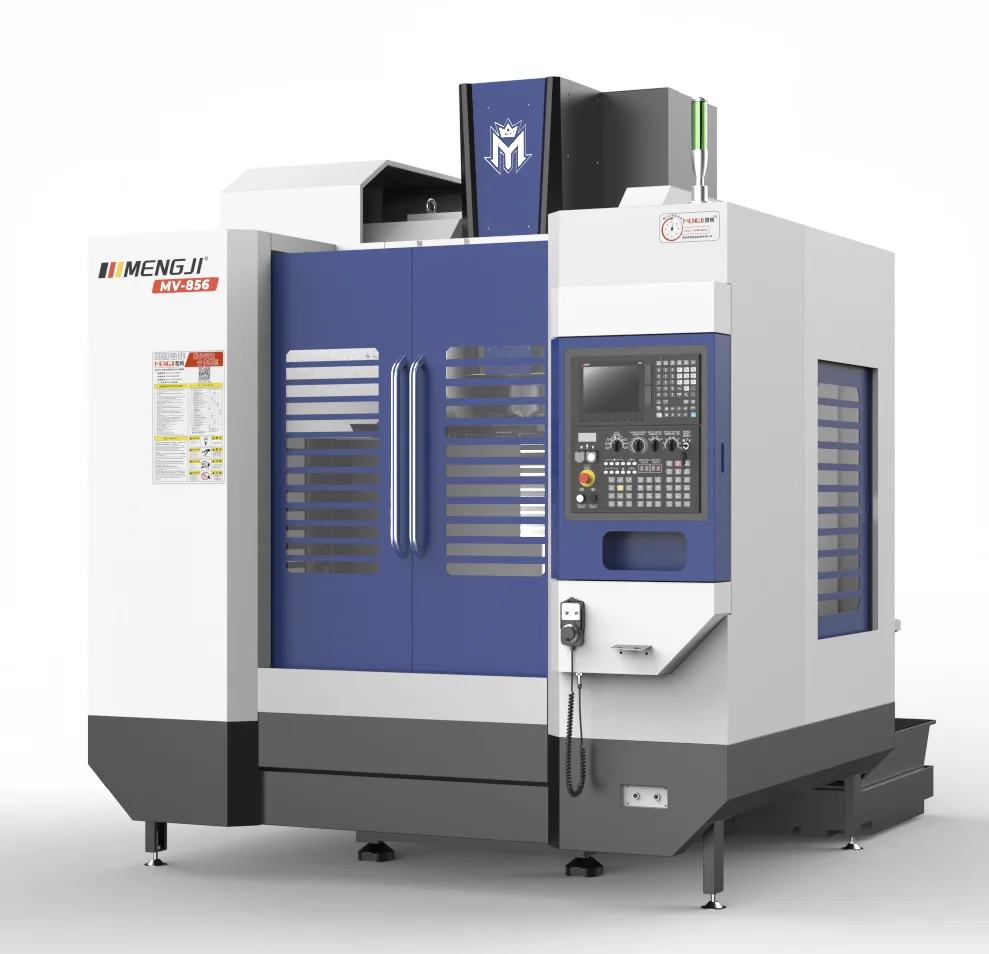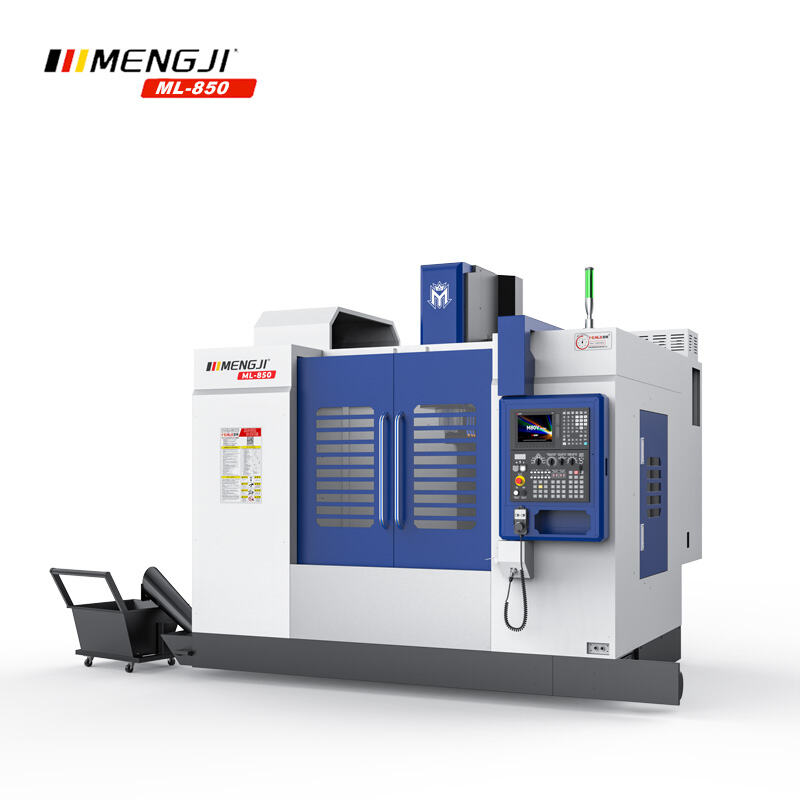
CNC parts machining encompasses the comprehensive process of manufacturing components through Computer Numerical Control, a subtractive manufacturing method where material is systematically removed from a solid block to achieve a desired geometry. This end-to-end process begins with digital design and extends through to the final inspected part, integrating advanced technology, meticulous planning, and rigorous quality control. It starts with a CAD model, which is translated into machine instructions (G-code) via CAM software. This code dictates the operations on a range of CNC equipment, including milling centers for creating complex 3D shapes, turning centers for rotational parts, and multi-tasking machines that combine both capabilities. The term "CNC parts machining" implies a focus on the production of discrete components, as opposed to the machinery itself. The process is highly versatile, capable of working with an extensive array of materials, from metals like aluminum, steel, and titanium to various engineering plastics. Key to successful CNC parts machining is strategic process planning, which involves selecting the optimal sequence of operations, cutting tools, fixturing, and machining parameters to ensure efficiency, accuracy, and cost-effectiveness. This often includes Design for Manufacturability (DFM) analysis to optimize the part design for production. Furthermore, the process is supported by rigorous quality assurance, typically involving in-process checks and final inspection using metrology equipment like CMMs. CNC parts machining is the backbone of discrete manufacturing, serving industries from aerospace and medical to automotive and consumer electronics, providing a reliable method for producing high-quality, precision components in both prototype and production quantities.
Our professional sales team is always ready to assist you.