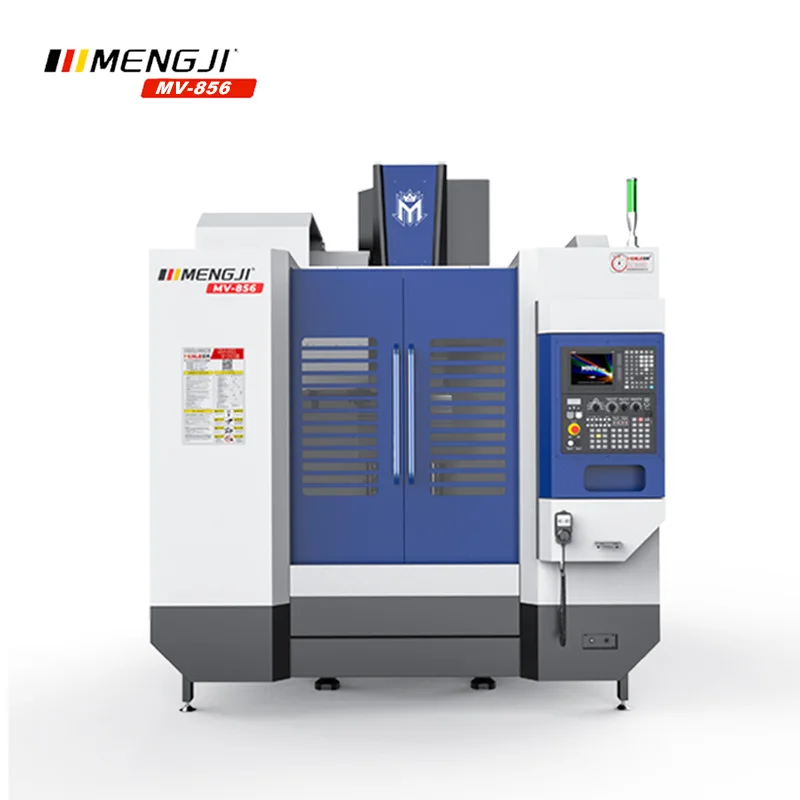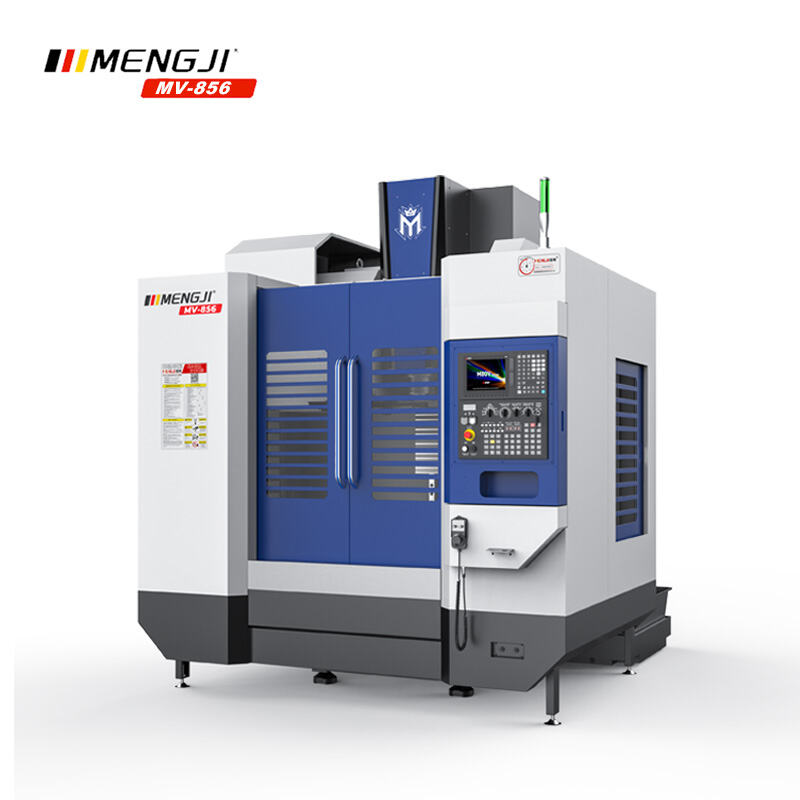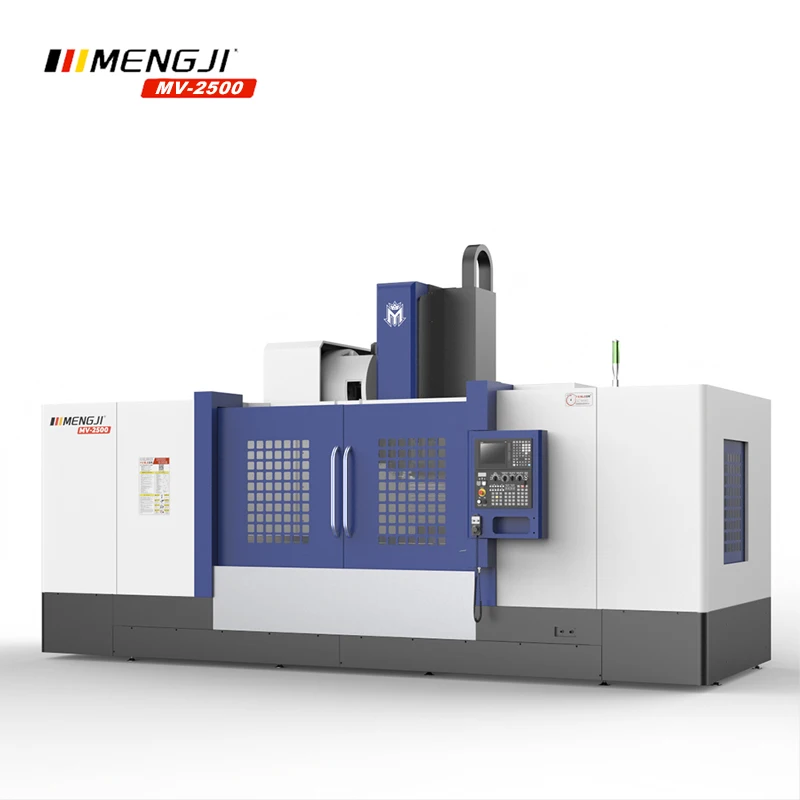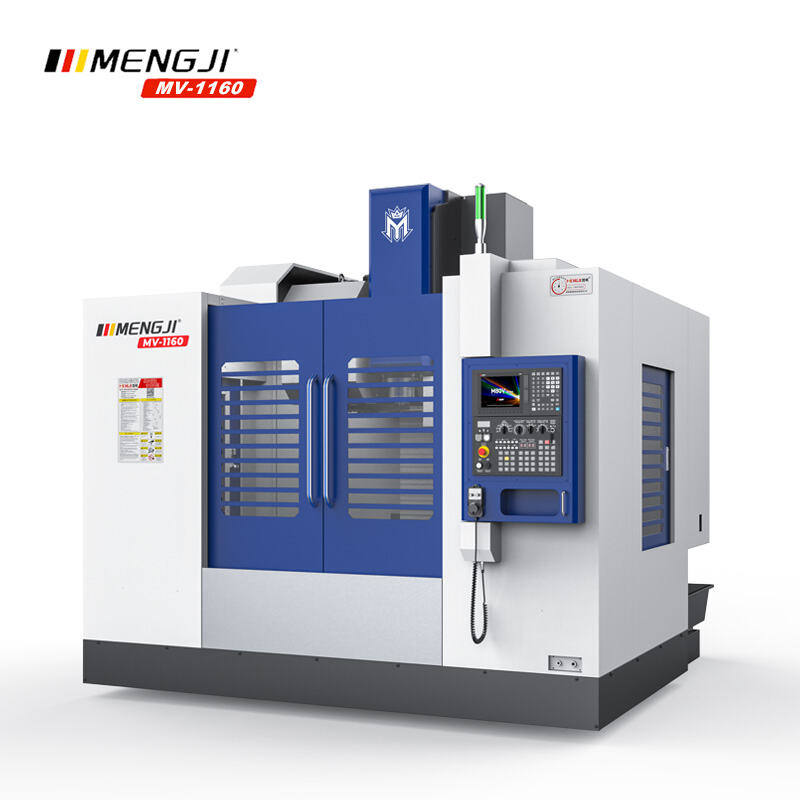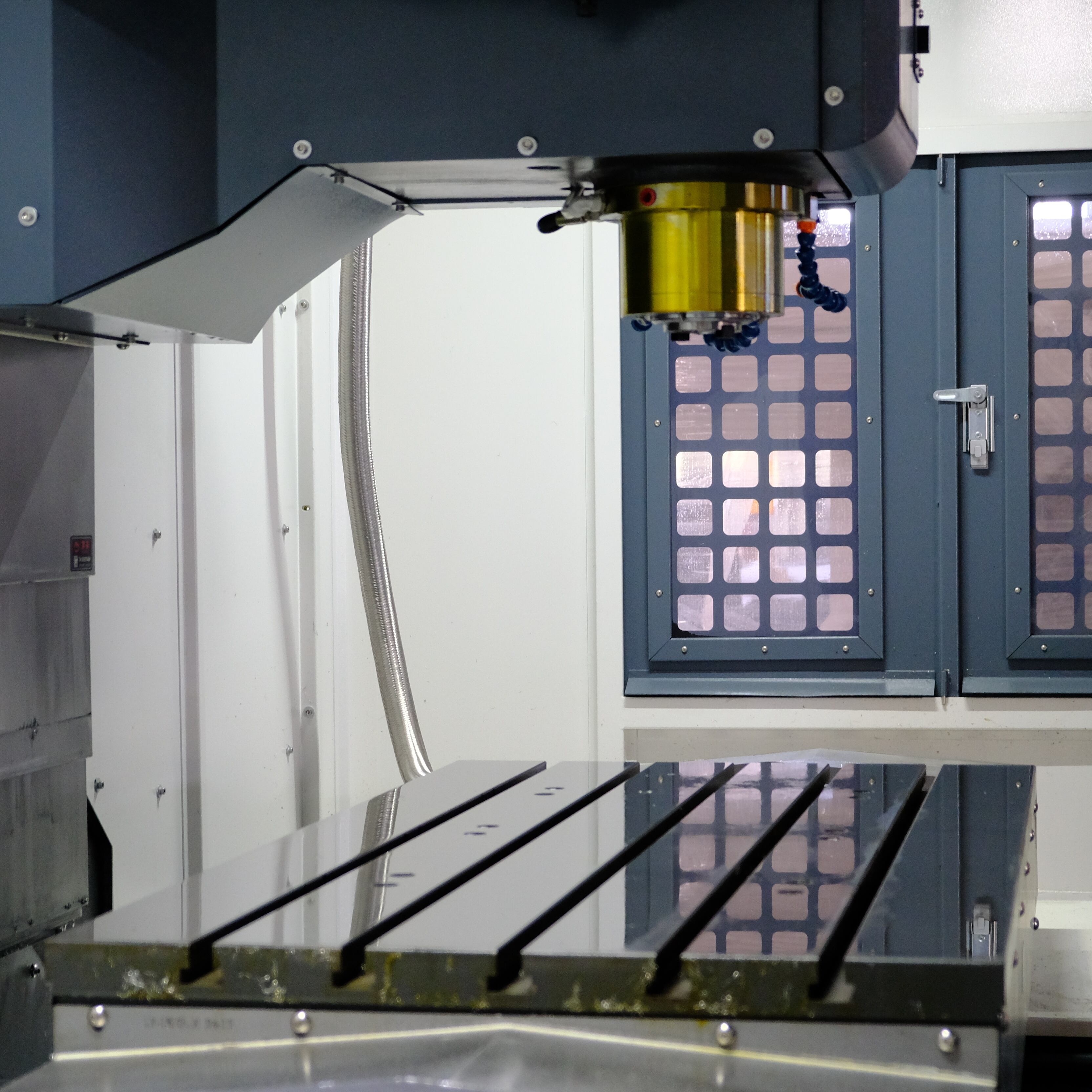
CNC machining parts are components manufactured through the subtractive process of Computer Numerical Control, where material is systematically removed from a solid block, bar, or billet to achieve a desired geometry. This versatile and precise manufacturing method is applicable to a vast range of materials, including metals (aluminum, steel, titanium, brass), plastics (ABS, Nylon, PEEK), and composites. The process is universally governed by a digital workflow: a 3D CAD model is translated into machining instructions (G-code) by CAM software, which then directs the CNC machine's movements. The family of CNC machines used includes milling centers for creating complex 3D shapes, holes, and slots; turning centers (lathes) for producing rotationally symmetric parts like shafts and bushings; and multi-tasking machines that combine both capabilities. The advantages of CNC machined parts are numerous. They offer excellent dimensional accuracy and repeatability, making them suitable for both prototyping and production. They exhibit superior mechanical properties compared to cast or molded parts, as the base material is often a solid, homogenous stock. The process can achieve very tight tolerances and fine surface finishes. Furthermore, it allows for rapid design iterations and is not burdened by the high initial tooling costs associated with casting or injection molding. As a result, CNC machining parts are fundamental building blocks in virtually every industry, from aerospace and medical devices to automotive and consumer electronics, valued for their strength, reliability, and precision.
Our professional sales team is always ready to assist you.