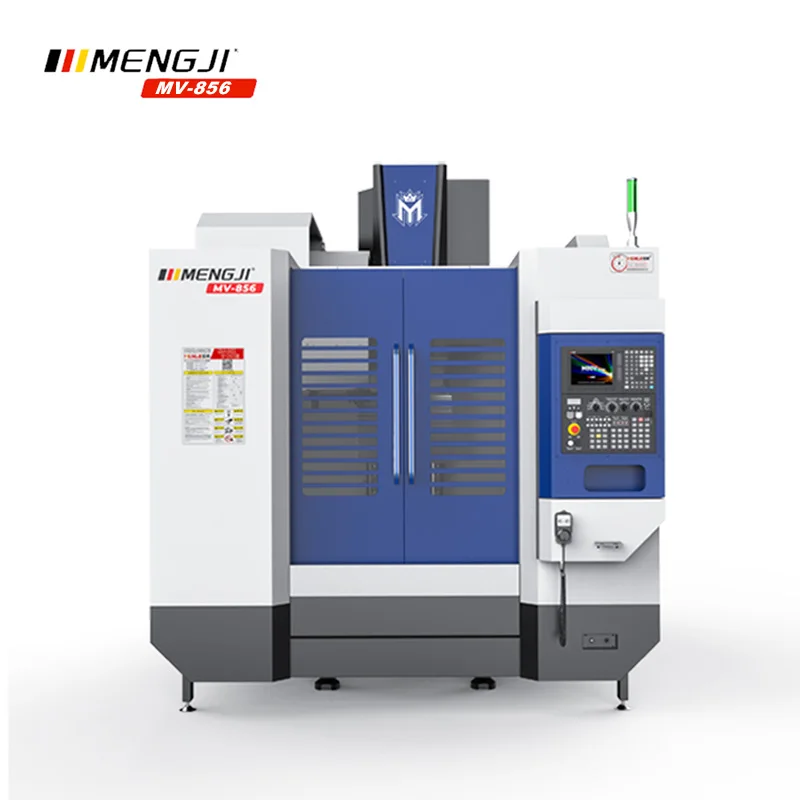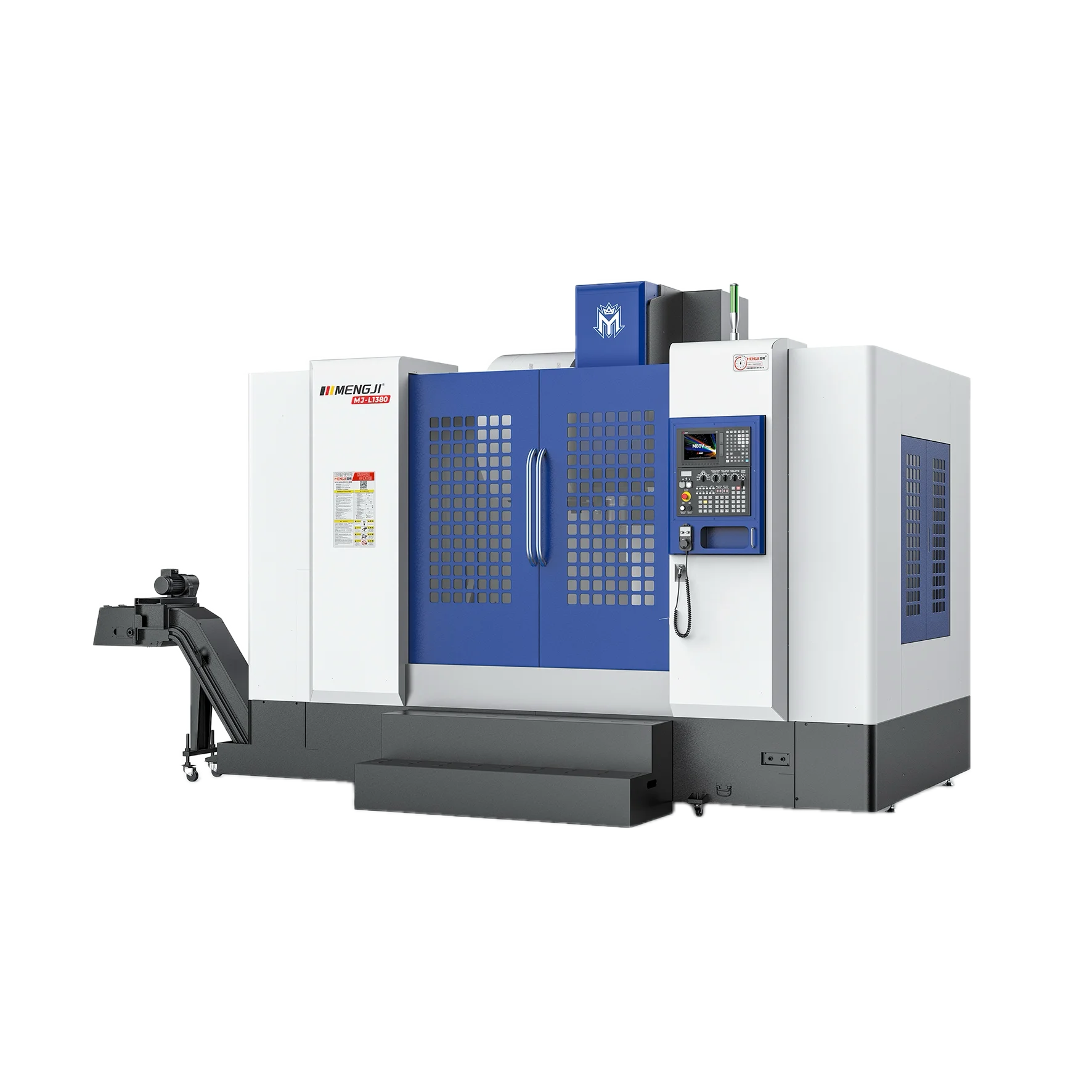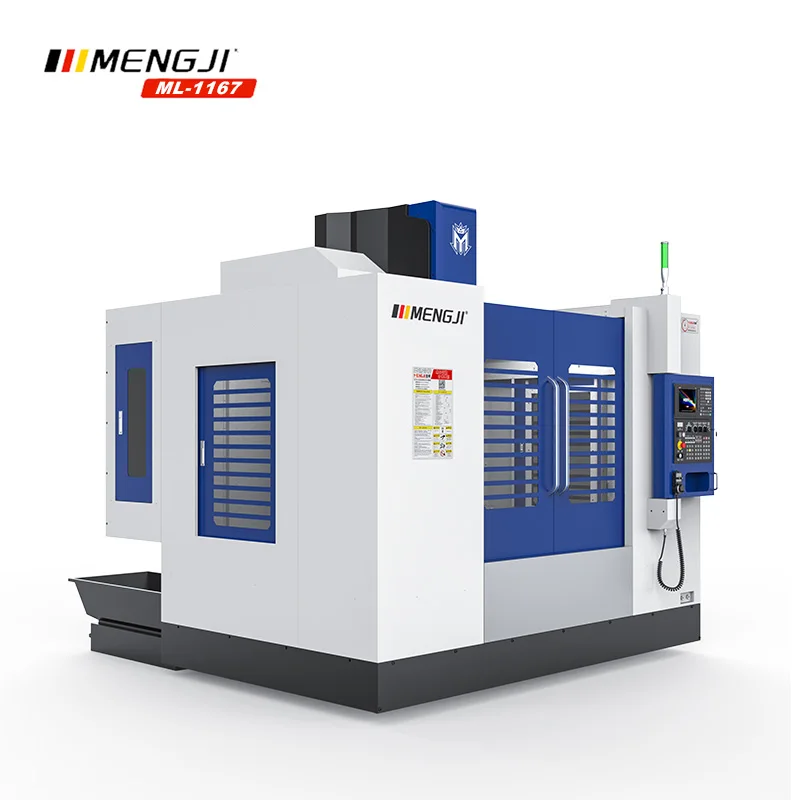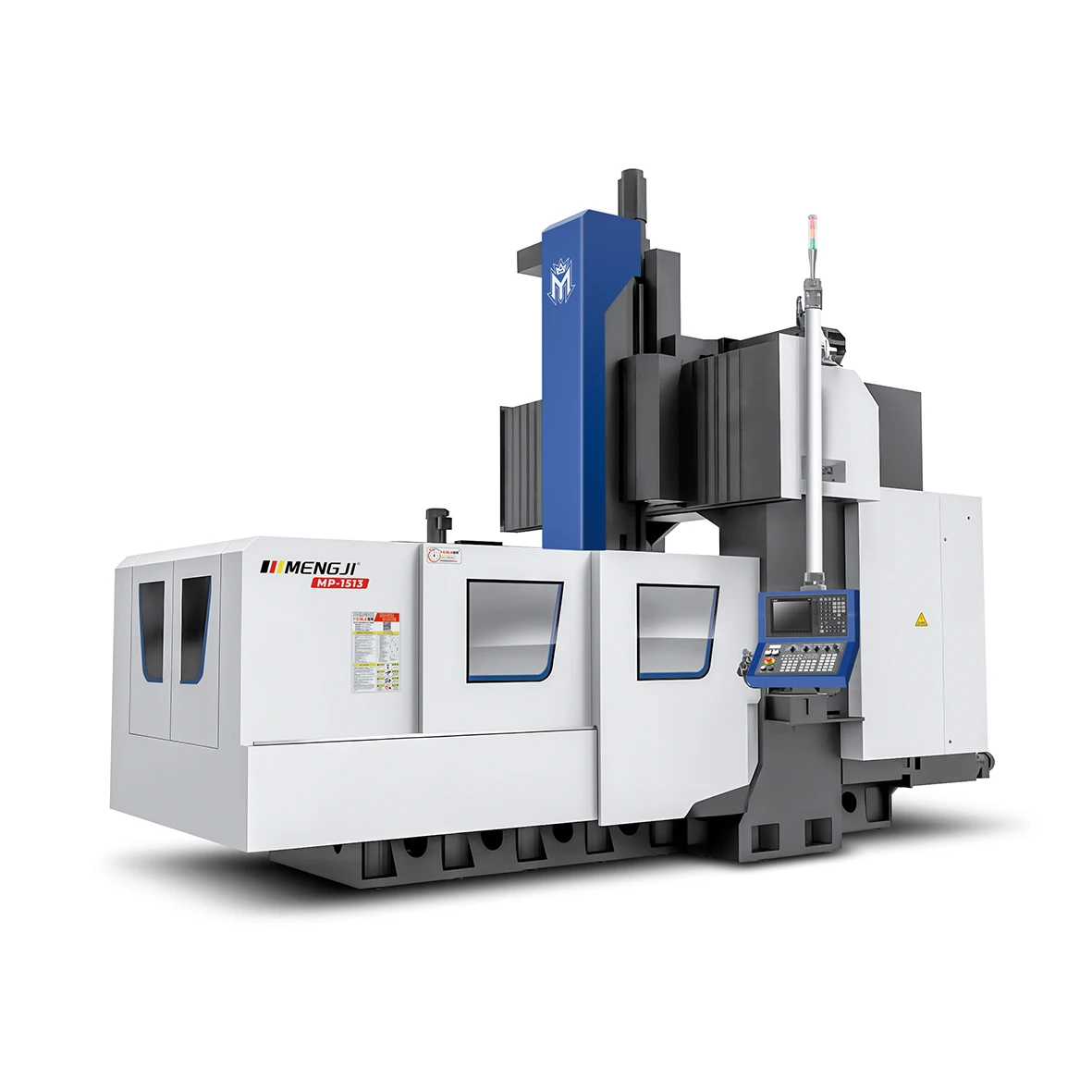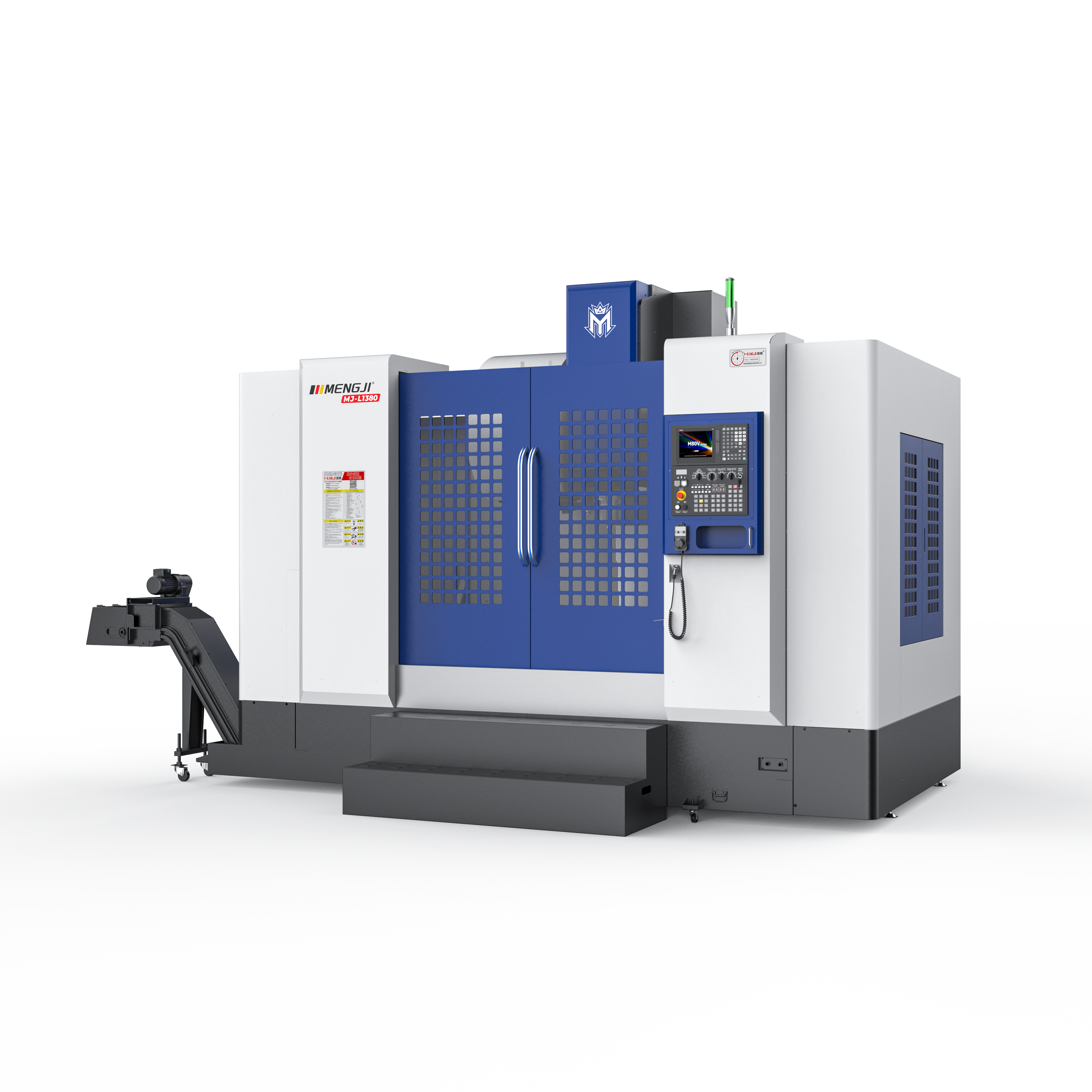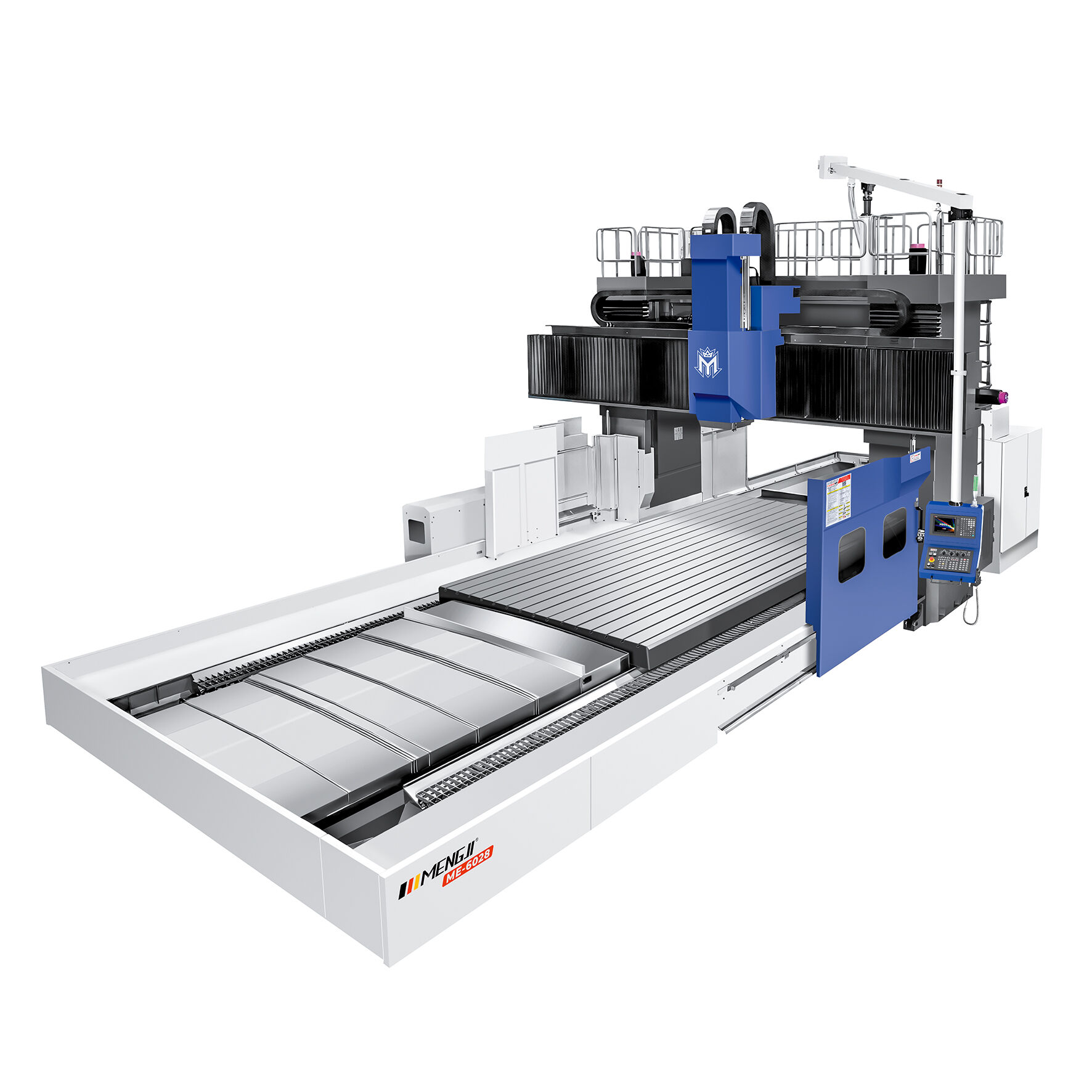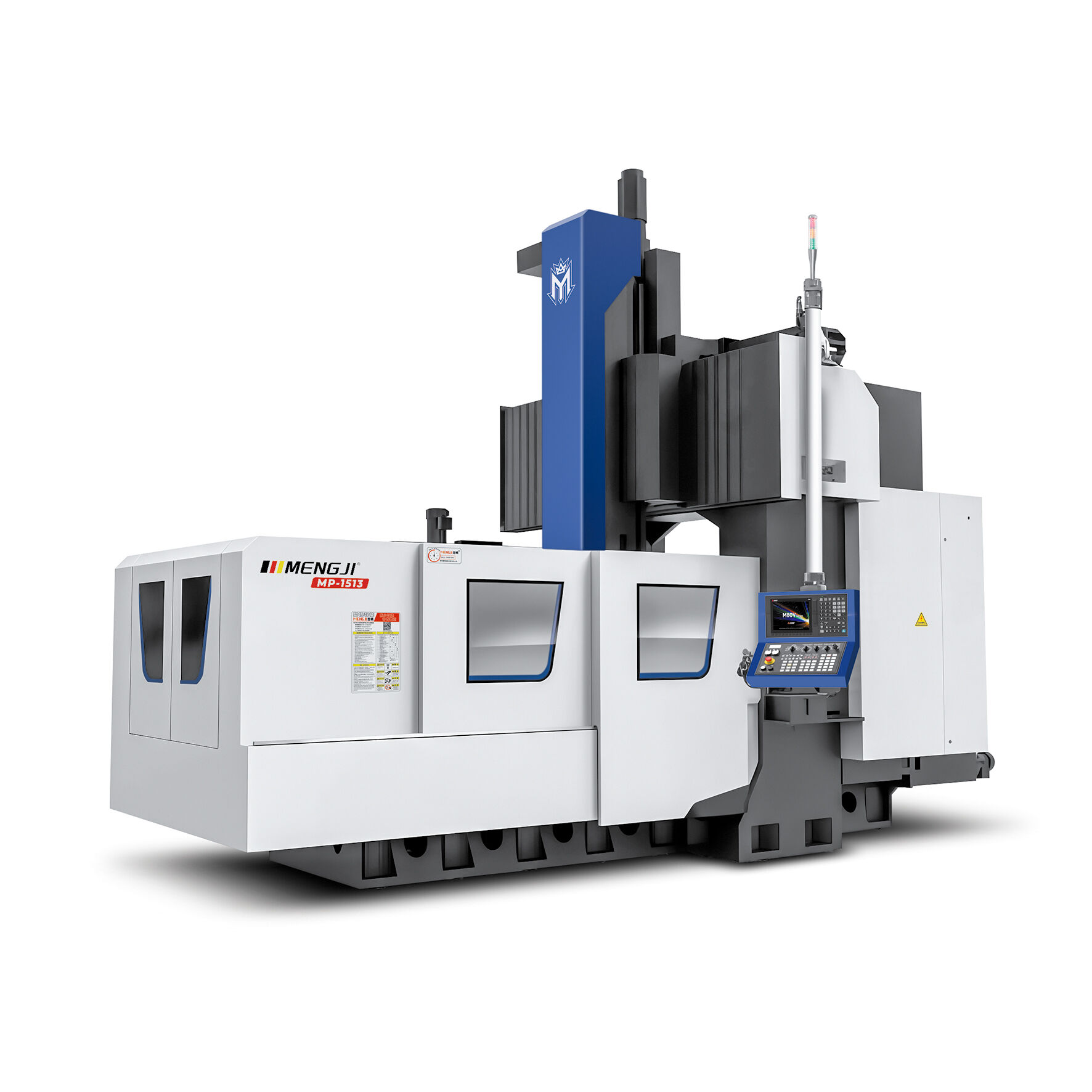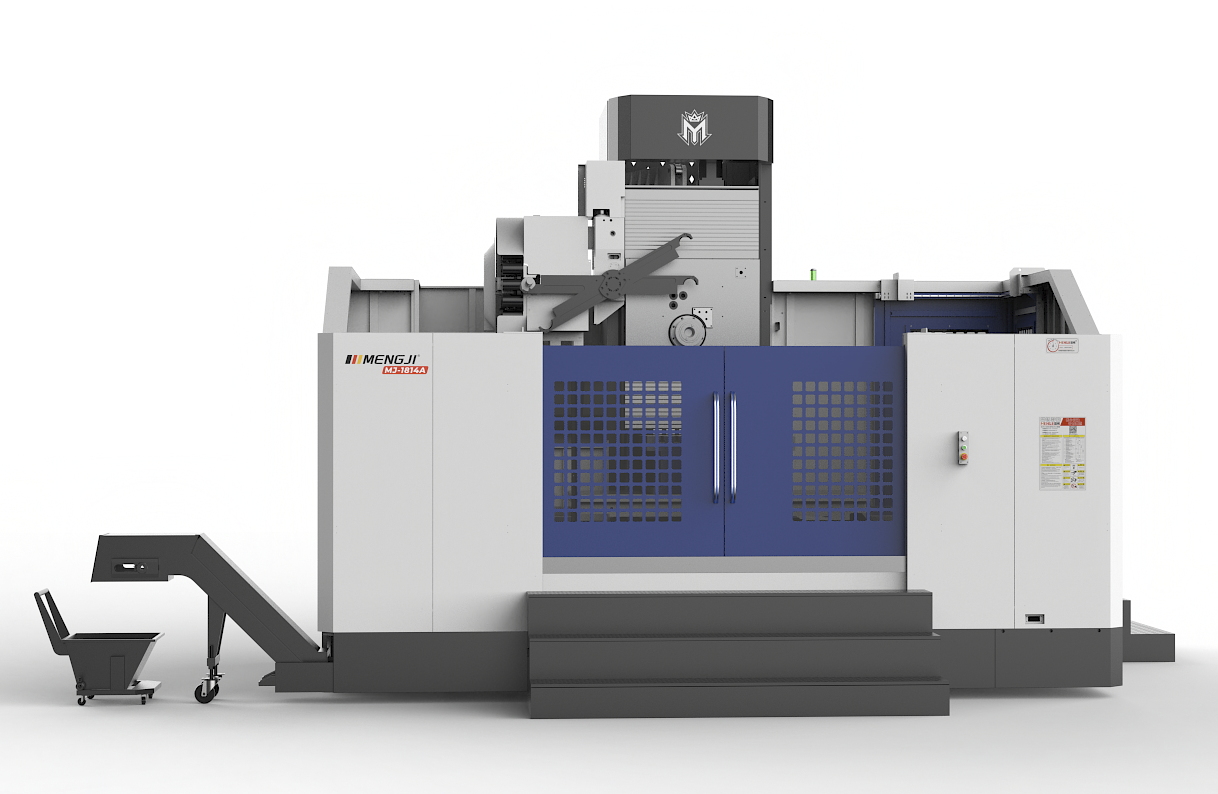
The pricing of industrial CNC machines reflects their position as sophisticated manufacturing platforms engineered for continuous production environments with demanding accuracy and reliability requirements. These machines represent substantial capital investments justified by their robust construction, advanced control systems, and integration capabilities within automated manufacturing cells. The cost structure encompasses multiple tiers, with basic 3-axis vertical machining centers establishing the entry point for industrial applications, while 5-axis simultaneous machining centers and multi-tasking turn-mill complexes represent the premium segment. Key price determinants include the machine's structural mass and rigidity, with heavier cast iron constructions and polymer composite materials commanding premiums for their superior vibration damping characteristics and thermal stability. The work envelope dimensions significantly influence cost, with larger travels requiring more substantial structural components, longer precision ball screws, and more powerful servo drives. The spindle system represents a major cost center, where basic configurations differ substantially from high-torque geared spindles for heavy milling or high-speed options for finishing applications. Advanced control systems from manufacturers like Siemens, Heidenhain, or Fanuc contribute significantly to the total price, with sophisticated models offering features such as advanced kinematic transformations, adaptive control algorithms, and comprehensive connectivity for Industry 4.0 implementations. Automation readiness, including provisions for pallet changers, robotic integration, and tool management systems, represents another critical cost factor that enables manufacturers to maximize equipment utilization through lights-out operation.
Our professional sales team is always ready to assist you.