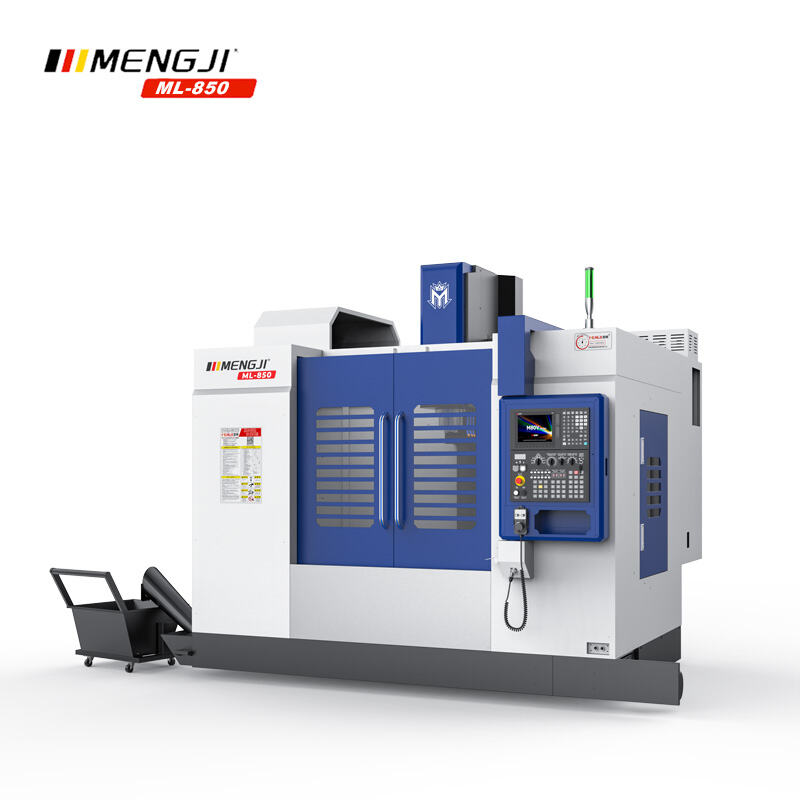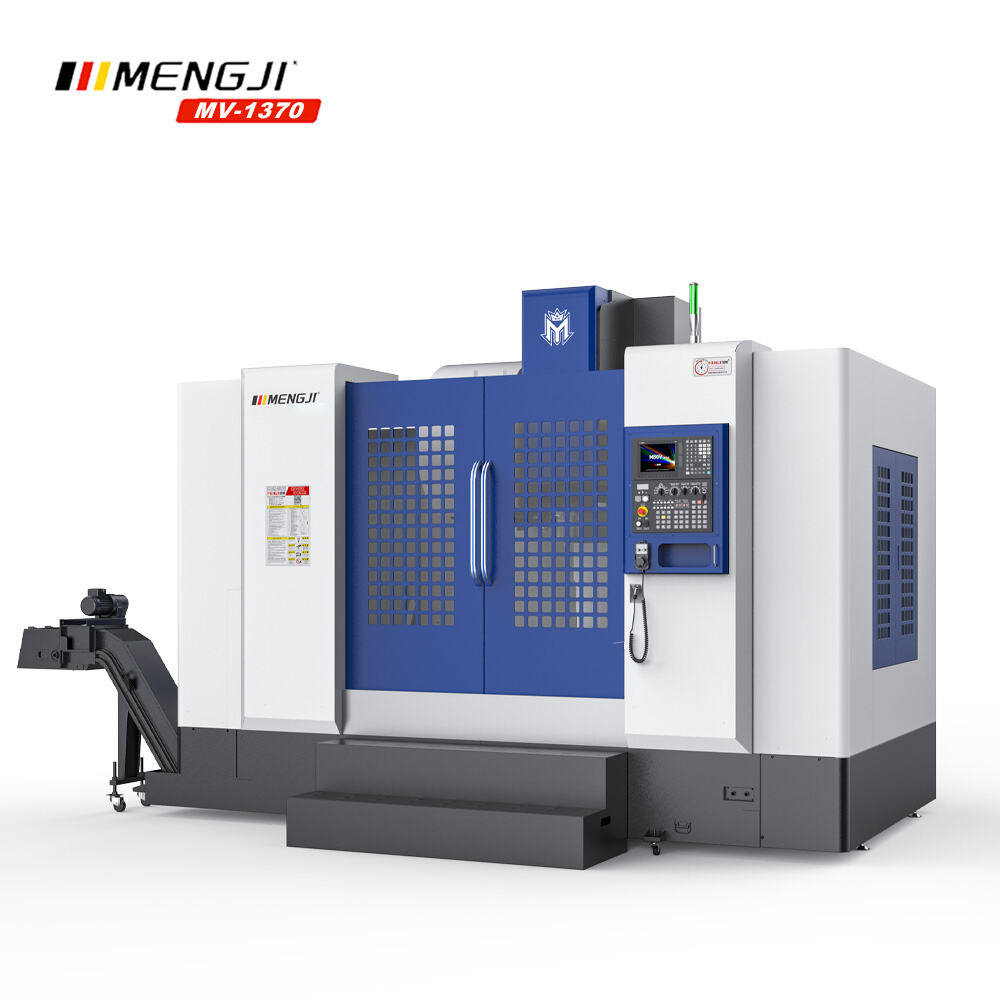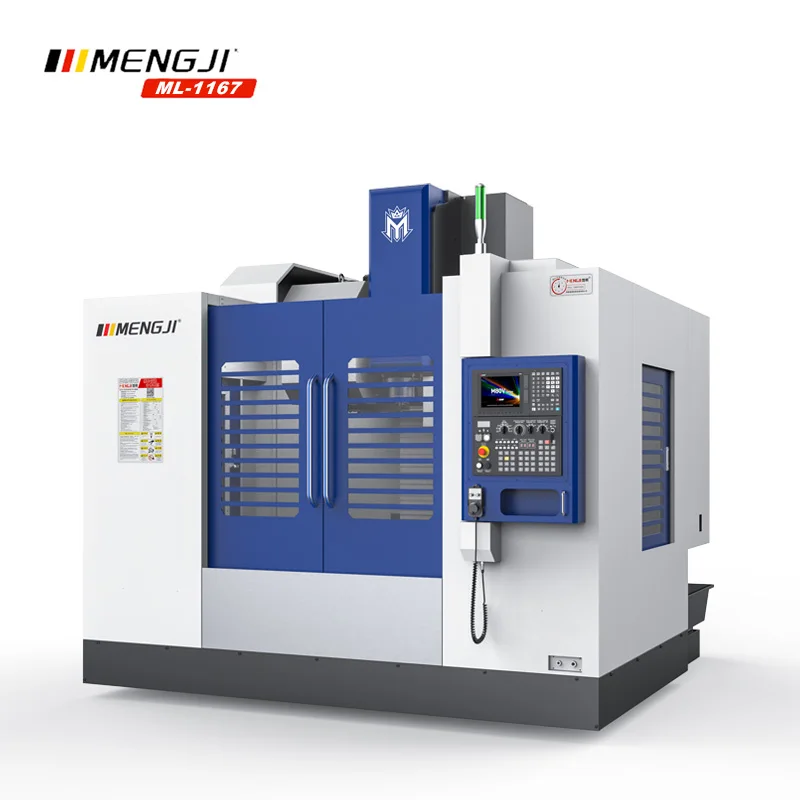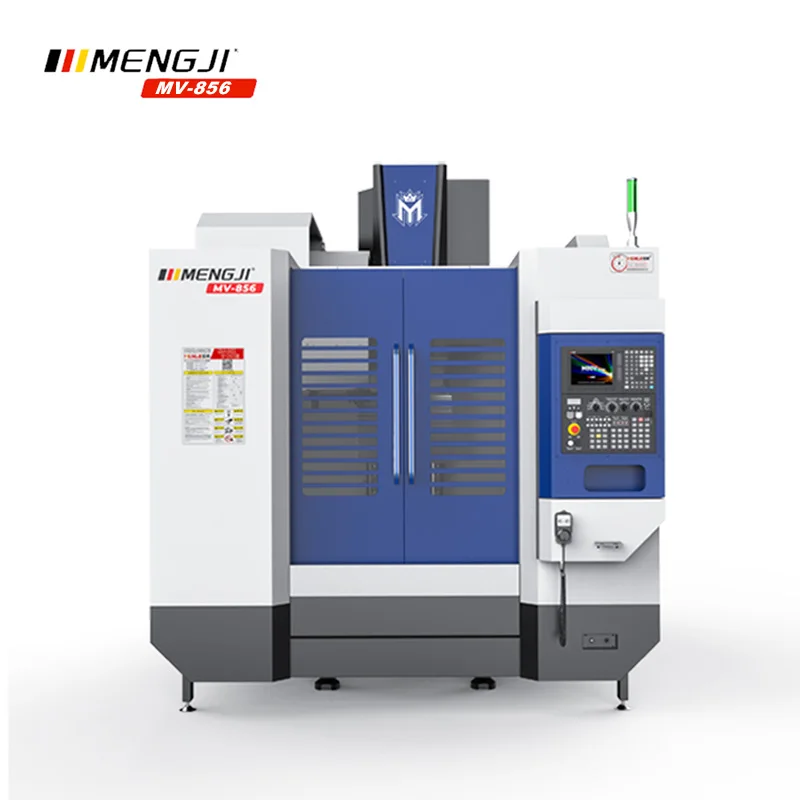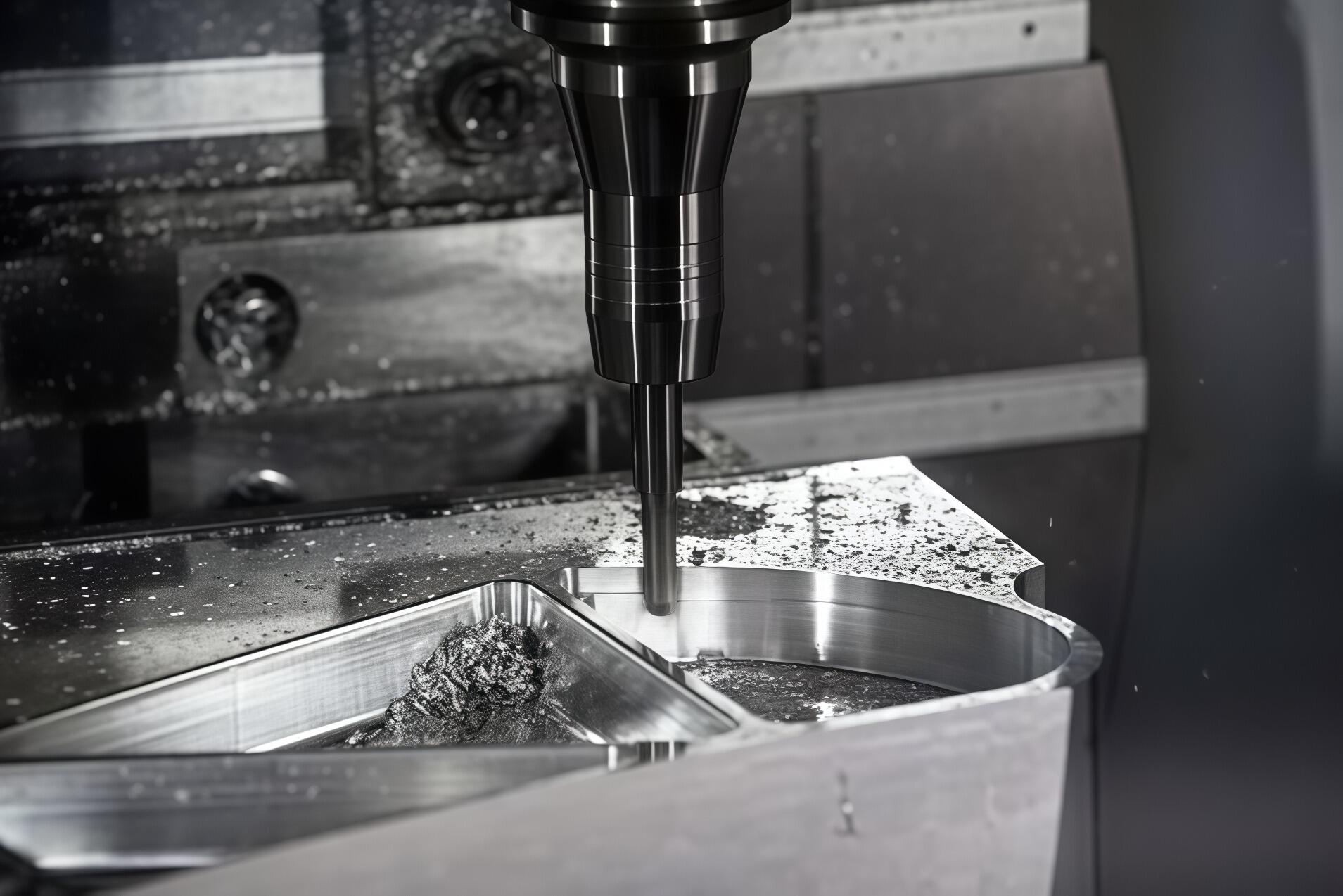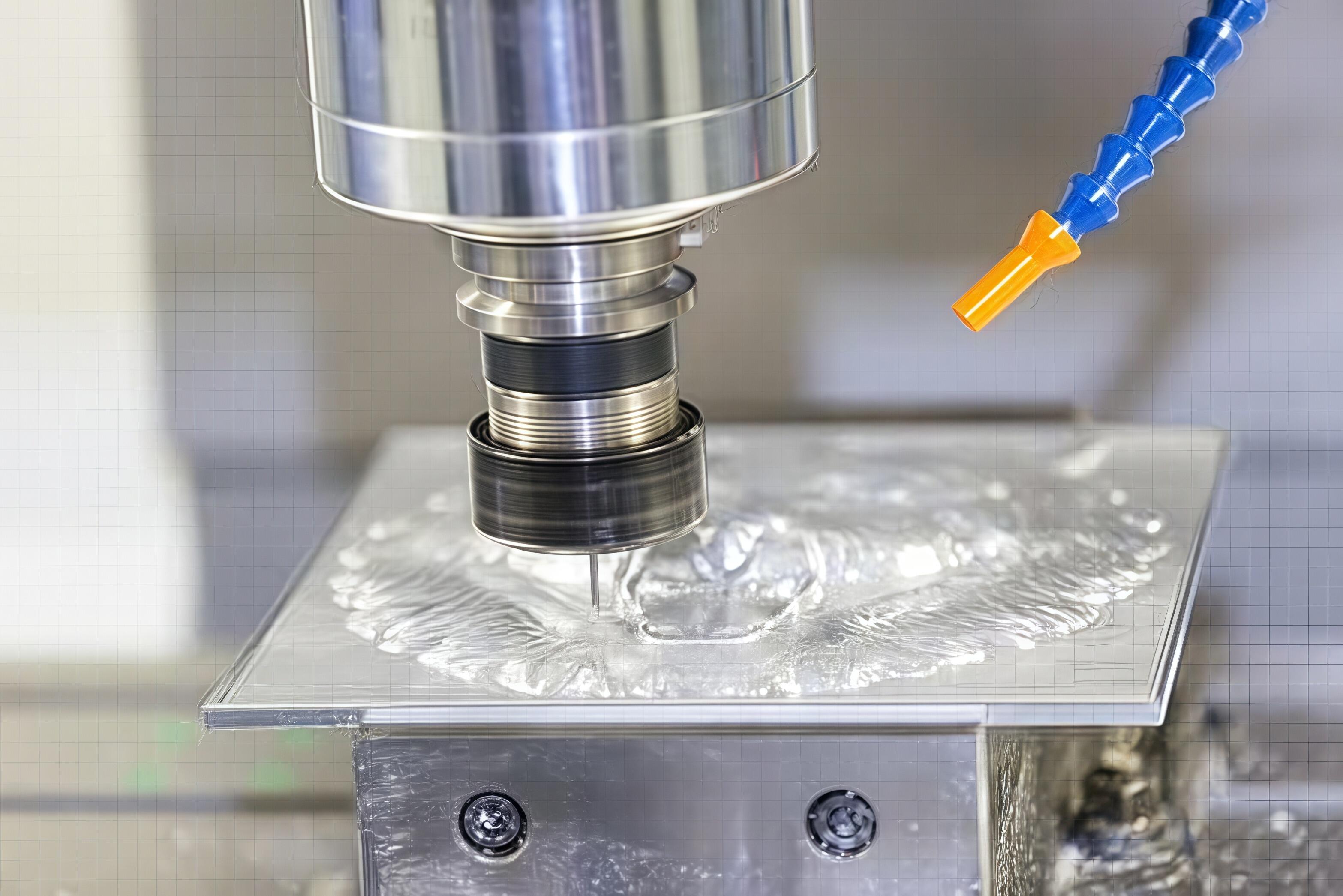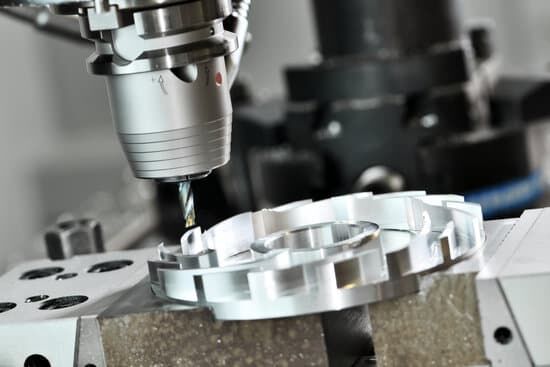
A desktop milling machine represents a compact, precision machining system designed for small-part manufacturing, prototyping, and educational applications where space constraints or budget limitations preclude full-scale industrial equipment. These machines embody the fundamental principles of subtractive manufacturing in a format accessible to engineers, designers, and makers, enabling the production of precise components from various materials. Despite their reduced physical scale, desktop milling machines maintain rigorous construction standards, typically featuring rigid aluminum or cast iron frames, precision ground ball screws or lead screws for axis movement, and spindle systems capable of rotational speeds appropriate for machining plastics, woods, and non-ferrous metals. The work envelope, while necessarily limited compared to industrial machines, typically accommodates components measuring several inches in each dimension, making these systems ideal for creating electronic enclosures, mechanical prototypes, jewelry patterns, and small precision parts. Modern desktop milling machines often incorporate sophisticated control systems that operate from standard computers, with user-friendly software that translates CAD models into machine instructions. Advanced models may include features such as automatic tool setting, enclosure systems for chip containment, and compatibility with various workholding solutions. While their material removal rates and absolute precision necessarily reflect their scale and cost position, these machines deliver remarkable capabilities for their size, providing an accessible entry point to CNC technology and enabling rapid design iteration and small-batch production without the infrastructure requirements of industrial manufacturing equipment.
Our professional sales team is always ready to assist you.