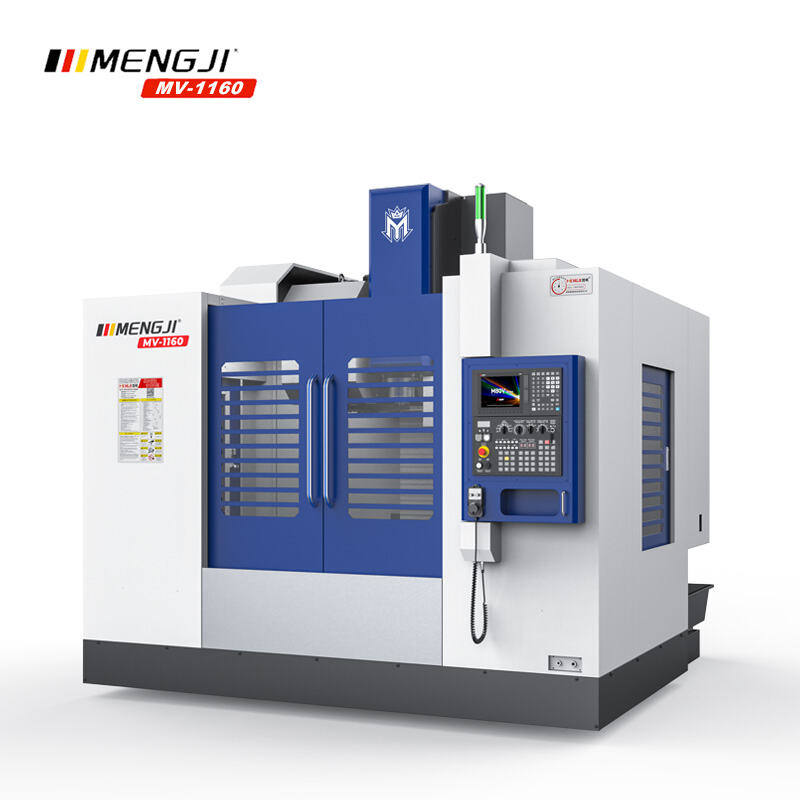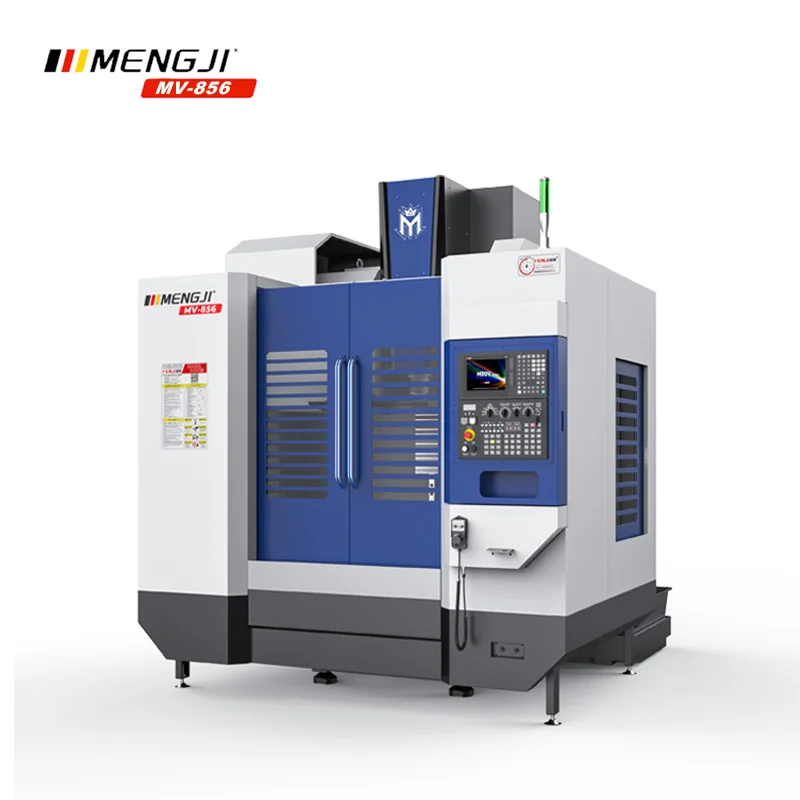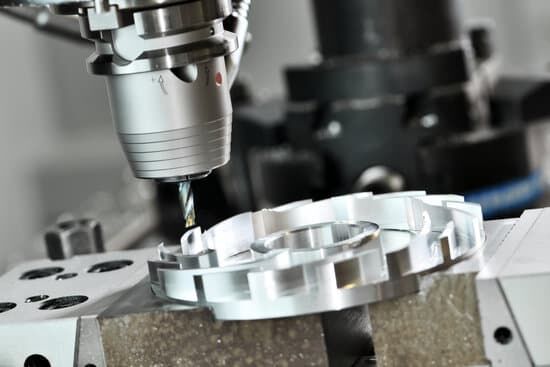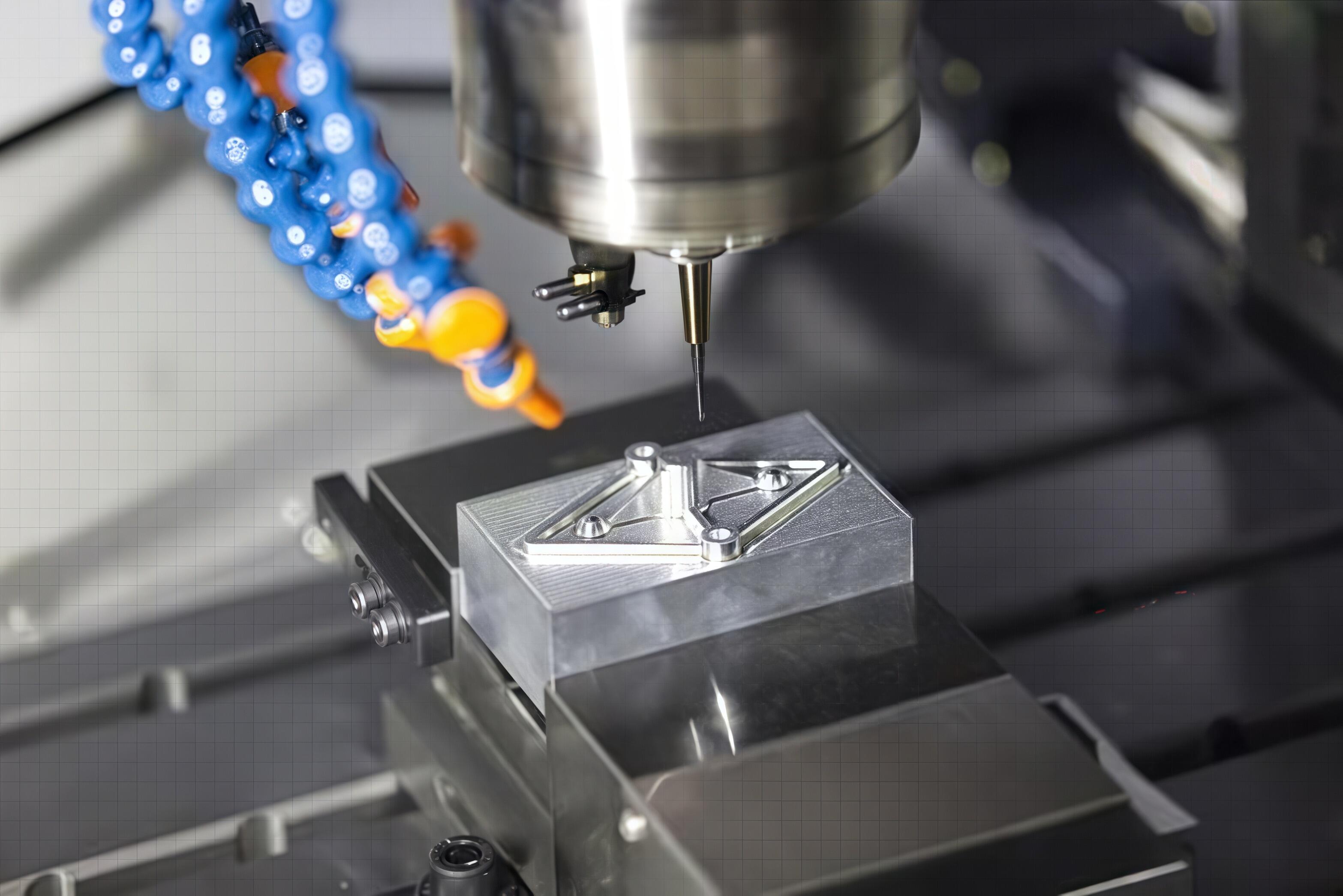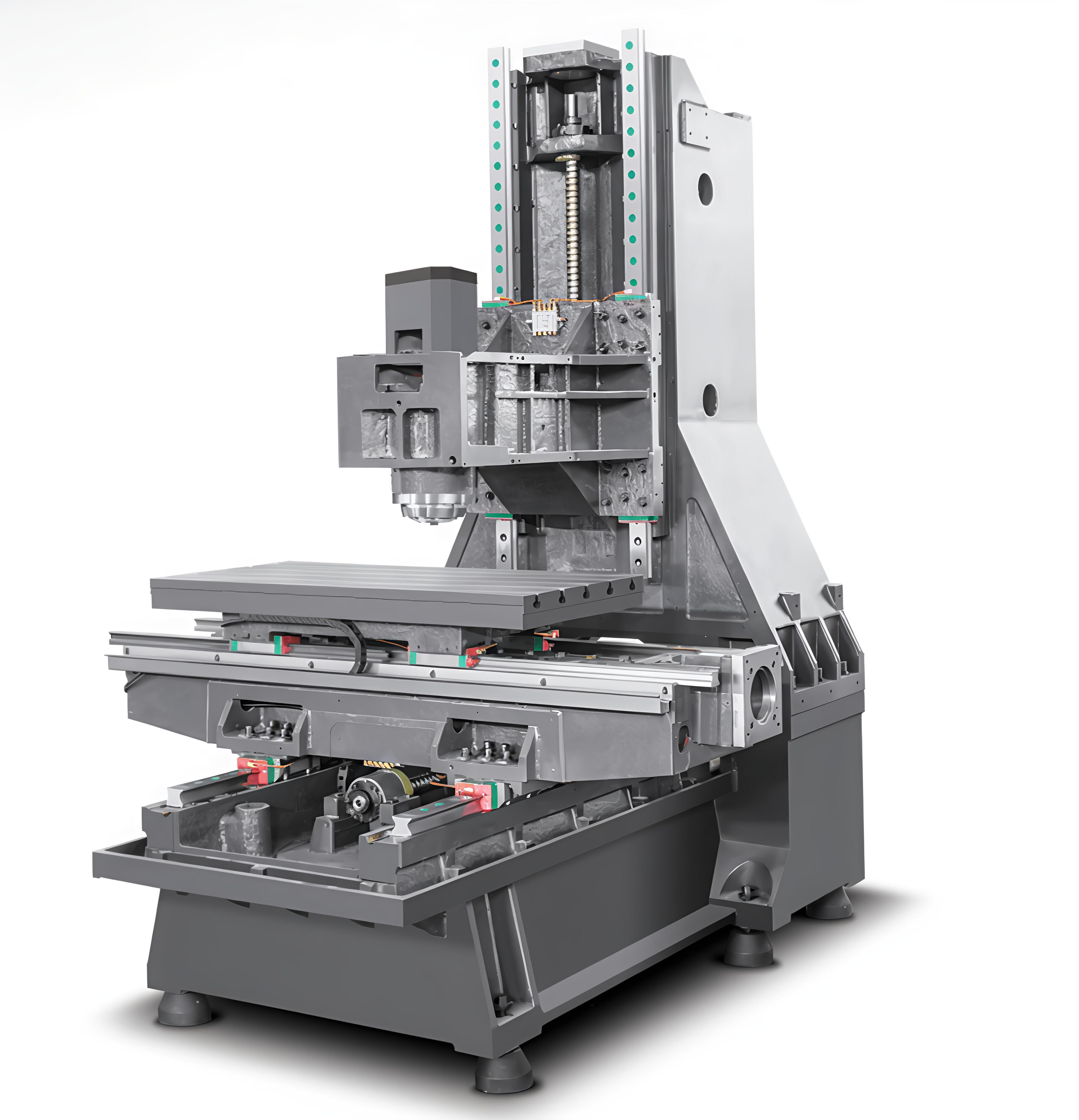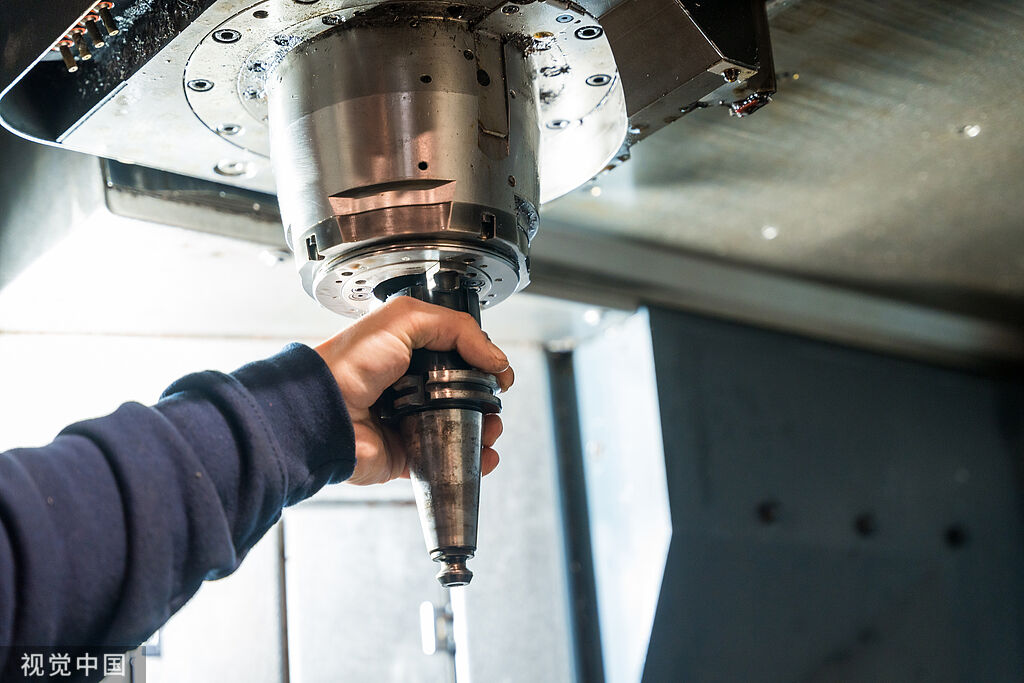
CNC mills and lathes represent the two foundational pillars of subtractive manufacturing, each specializing in distinct but complementary types of part geometry. Together, they form the core of a comprehensive machining capability. CNC mills, or machining centers, use rotating multi-point tools to remove material from a stationary workpiece. They are designed for creating complex 3D shapes, pockets, slots, holes, and planar surfaces. Their primary axes of movement are linear (X, Y, Z), with advanced models adding rotational axes for 5-axis contouring. They are ideal for prismatic parts, molds, dies, and components with complex features that are not rotationally symmetric. CNC lathes, or turning centers, rotate the workpiece at high speed while a single-point cutting tool moves linearly to remove material. They are specialized for producing rotationally symmetric parts like shafts, pins, bushings, and flanges. Their primary movements are in the X (radial) and Z (axial) axes. Modern CNC lathes often evolve into multi-tasking machines with live tooling, which allows them to perform limited milling and drilling operations, blurring the line between a pure lathe and a mill. A manufacturing facility equipped with both CNC mills and lathes can handle an enormous range of part requirements. The strategic integration of these technologies allows for efficient production workflows, where a part might be rough-turned on a lathe and then have complex features milled on a machining center, or where a multi-tasking machine can complete the entire part. Understanding the strengths and applications of each is crucial for selecting the right process and equipment for any given component, ensuring optimal efficiency, cost-effectiveness, and quality.
Our professional sales team is always ready to assist you.