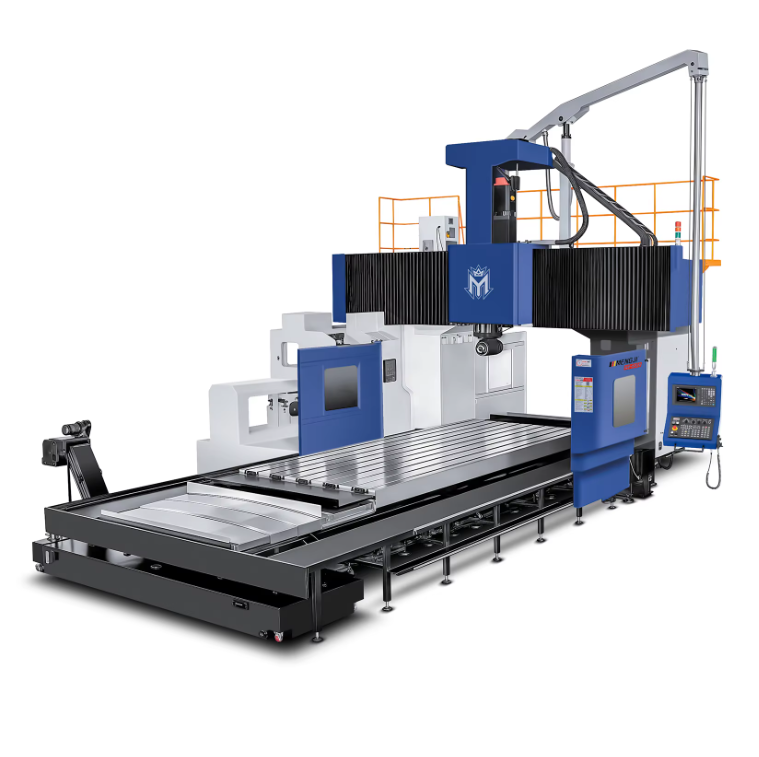
Key Drivers Behind Regional CNC Machine Tools Pricing
Raw Material Costs, Semiconductor Shortages, and Supply Chain Disruptions
The fluctuation in material prices continues to be one of the main factors driving costs for CNC machine tools across the globe. Steel and cast iron, those essential building blocks for most machines, see their prices bouncing around between 15 to 30 percent each year because of limited mining outputs and ever-changing trade regulations. These price changes naturally impact what it costs to build basic machines. On top of that mess, there's been a real problem finding enough semiconductors lately. Modern CNC controls need over 200 different types of chips, but when these are hard to come by, lead times stretch out anywhere from 8 to 12 extra weeks. Production delays end up costing manufacturers an additional 20 to 35 percent just waiting for parts. Logistics problems haven't helped either. Ports are still backed up and shipping costs went through the roof during the pandemic, sometimes reaching four times what they were before 2020. For companies relying heavily on imports, this means paying 10 to 25 percent more in surcharges. Given all these pressures squeezing profit margins somewhere between 7 and 12 percent, many tool suppliers have started using different pricing tiers depending on where they operate and how exposed they are to these various cost issues.
| Cost Factor | Impact on CNC Pricing | Regional Variation |
|---|---|---|
| Raw Material Volatility | 15–30% price fluctuation | Higher in import-reliant regions |
| Semiconductor Access | 20–35% production delay costs | Severe in non-manufacturing hubs |
| Logistics Disruptions | 10–25% surcharge absorption | Acute in landlocked areas |
Tariffs, Import Duties, and Local Assembly Incentives
How governments set their policies really affects how much CNC machines cost in different parts of the world. Tariffs on imports vary quite a bit - sometimes as low as 5% in places that are part of the ASEAN trade group, but jumping up to around 22% in areas with one-sided trade rules. This makes figuring out what something actually costs when it arrives at port pretty important work. On the flip side, countries like India have programs that give manufacturers money back if they build things locally. Their Production Linked Incentive program offers between 15 and 20 percent off for equipment made within the country itself, which brings down the price difference compared to buying from abroad. Take a machine worth $100k for instance. In regions with those high tariffs, duty alone would add $22k to the bill, while in places covered by trade deals, the same machine might only face $5k in extra charges. Some nations also cut taxes for companies adopting new manufacturing tech, like Brazil's IPI tax break for Industry 4.0 upgrades, which can save businesses around 18%. Smart buyers need to look beyond what's printed on the price tag and consider all the hidden costs involved in getting and running machinery from different locations.
CNC Machine Tools Price Benchmarks: Asia-Pacific, North America, and Europe
Asia-Pacific: China's Scale-Driven Entry-Level Pricing (<$50K) and Export Competitiveness
Asia Pacific remains the go-to source for budget friendly CNC machines, with China at the forefront offering decent quality units below the $50k mark. Why? Well, it all comes down to how they've built their manufacturing networks. These companies have everything in house from components to assembly, plus they produce in such massive quantities that costs naturally drop. Labor expenses are also much lower compared to Western countries, especially in manufacturing hubs such as Dongguan where entire districts specialize in machine production. Plus governments there have invested heavily in making exports smooth sailing, so products get shipped out faster and cheaper. The end game? Manufacturers worldwide can now purchase workhorse machines that actually do the job without breaking the bank. Great for startups trying prototypes, small workshops needing occasional machining, or any business looking to automate processes without spending a fortune on top tier equipment.
North America: Premium for After-Sales Support and Total Cost of Ownership Implications
CNC machines from North America typically come with a higher price tag, though this extra cost is really about getting better service instead of just more features. Top manufacturers include things like fast tech support teams, proper training for operators, and regular maintenance plans as part of what they sell. According to the U.S. Department of Commerce report from last year, these added services can actually make machines last 20 to 30 percent longer while cutting down unexpected breakdowns by nearly half. Industries where equipment costs are huge, such as making parts for planes or medical devices, find this combination of reliability and service worth the extra money upfront despite the sticker shock. What makes North American CNC equipment stand out isn't just how well it works, but how consistently it keeps running without surprises.
Country-Specific CNC Machine Tools Price Positioning and Value Propositions
Germany vs. Japan: Engineering Premium, Reliability Benchmarks, and Regional Market Penetration
German CNC machines typically cost 15 to 25 percent more than similar Japanese models, which speaks volumes about Germany's reputation for ultra precision work in areas like aerospace components, power plant equipment, and complex automotive parts. On the other side of the equation, Japanese makers have built something special too. Their factories run like clockwork most of the time, hitting around 98.3% operational uptime according to industry reports from last year. How do they manage this? Well, it comes down to smart modular designs, strict quality checks at every stage, and clever built-in diagnostic systems that catch problems before they become disasters. Because of these strengths, Japanese equipment keeps winning contracts throughout Southeast Asia where budgets matter but reliability can't be compromised. Meanwhile German brands continue to hold strong in Europe's top tier supply chains and specialized manufacturing centers where absolute precision is non negotiable.
India's Emerging Mid-Tier CNC Machine Tools Cost Leadership and Localization Strategy
India is becoming known as a solid middle-of-the-road option when it comes to manufacturing costs. The country has pushed hard for local production requirements, insisting on at least 65% domestic parts for CNC machines that get government subsidies. At the same time, Indian manufacturers are combining their own software solutions with components bought from around the world. What this means in practice is that similar quality machines come out about 30% cheaper than what's available elsewhere globally. These price advantages attract companies in sectors where quantity matters most like household goods manufacturing, building machinery, and agricultural processing plants. Factory managers who have switched to these locally made systems often see returns on investment happening roughly 40 percent quicker compared to buying foreign equipment. Why? Simply put, they spend less upfront money, face fewer import taxes, and get faster repairs since there are service centers located nearby within the region. With financial incentives from both national PLI programs and various state governments offering automation support, India looks set to become the preferred choice for businesses needing affordable automation options below $50k per unit. This makes sense especially for developing nations wanting to grow their industries quickly without breaking budgets.
FAQ Section
What factors influence the pricing of CNC machines globally?
Pricing is affected by raw material costs, semiconductor availability, logistics, tariffs, import duties, and local assembly incentives. Each region's specific market conditions and government policies play a significant role.
How does the Asia-Pacific region maintain competitive CNC machine pricing?
Asia-Pacific, especially China, maintains competitive pricing due to large-scale manufacturing, lower labor costs, and effective export strategies, making it a prime source for affordable CNC machines.
Why are CNC machines from North America more expensive?
North American CNC machines are priced higher mainly due to added value from superior after-sales support, operator training, and maintenance plans, which enhance overall reliability and reduce total cost of ownership over time.
How do tariffs and import duties affect CNC machine costs?
Tariffs and duties can increase costs significantly, with variations from around 5% in trade-friendly regions to over 22% elsewhere. Local incentives and programs can offset these costs, favoring domestic production.