Total Cost Thinking Beyond Initial Purchase Price
Many owners of small workshops tend to judge vertical machining centers only by direct quotation when preparing for equipment renewal. Working as a technical consultant with eleven years experience supporting small scale metal processing clients, I have met many business owners who fell into low price traps. One local small workshop owner chose an attractively priced vertical machining center three years ago just for lower upfront payment. After a short period of operation, frequent component failures and expensive third party repair fees made its total expenditure far higher than the moderately priced alternative he had previously reviewed. Experts from Modern Machine Shop point out that small workshop buyers should focus on overall cost of ownership rather than one time buying cost. Upfront payment accounts for only part of the complete expenditure. Workshop operators need to evaluate future repair spending downtime losses tool consumption and after sales support when comparing different offers. Blind pursuit of the lowest listed price often brings unexpected financial pressure for small teams with limited cash flow.
Core Hardware Configurations That Shape Base Machine Pricing
Basic hardware structure creates the largest gap in vertical machining center base price. According to ISO3070 machine tool testing standards, cast iron bed with proper stress relief treatment delivers far better long term stability compared with welded steel frame. The material and processing craft of bed column and guide way directly determine machine cost level. Spindle unit is another key cost driver. General torque spindle fits common aluminum alloy processing while high speed high torque spindle for hard steel cutting will push up machine price obviously. Guide way type also creates price difference. Linear guide ways support fast feed speed suitable for light cutting work. Box guide ways provide stronger rigidity for heavy cutting scenarios and carry higher manufacturing cost. Small workshops must match hardware configuration to their main processing workpieces. Paying extra for over spec hardware wastes capital while choosing overly simplified structures causes scrap parts and frequent equipment wear.
Control System and Auxiliary Function Selection Costs
Different numerical control systems and auxiliary modules produce obvious price gaps for vertical machining centers. Well known mainstream systems bring stable operation rich function library and reliable global spare parts supply, and these advantages will reflect in final machine quotation. Some lesser known control options cut machine cost but face limited local technical resources when faults take place. Auxiliary parts such as tool magazine chip removal device and cooling system also belong to variable cost items. Small workshops with frequent tool changing demand need reliable tool magazine. Shops producing large amounts of metal chips need complete chip removal setup. Many suppliers quote bare machine price without these auxiliary modules. Unprepared small business owners will face extra unexpected spending after order confirmation. Wise buyers list all required auxiliary functions in advance and request complete all inclusive quotations to avoid later budget expansion.
Factory Quality Inspection Standards and Compliance Related Expenses
Strict factory inspection and quality certification add reasonable manufacturing cost which will be shown in final selling price. Manufacturers following full ISO9001 quality management system will run complete tests for spindle runout positioning accuracy and repeated positioning accuracy for every finished unit before delivery. Each machine completes sufficient running in test to expose potential assembly defects. Some low cost assembled units skip partial inspection steps to reduce factory cost. These machines may show acceptable performance at the beginning but suffer accuracy drift after continuous operation. For small workshops, unstable machining precision means rejected batches of workpieces and lost client orders. Buyers can ask suppliers to provide corresponding inspection records matching machine serial number. Reliable inspection documents serve as important reference during price comparison instead of chasing the lowest offer without any quality guarantee.
Hidden Operational Costs for Small Workshop Long Term Usage
Small workshop operators often overlook multiple hidden costs which greatly influence actual equipment value. Transportation on site installation and operator training generate real expenditure. Suppliers including training and installation inside package help small teams reduce early stage learning cost. Long term spare parts supply and response speed of technical support also carry implicit economic value. When machine stops working, small workshops bear losses from suspended production. If suppliers cannot arrange timely support, every hour of downtime creates direct revenue loss. Cheap equipment from scattered assemblers usually cannot provide stable spare parts supply. Workshop owners have to search compatible replacement parts from different channels and spend extra time and money. All these factors should be weighted when buyers compare different vertical machining center price tags.
Manufacturer Supply Chain and Service Competence
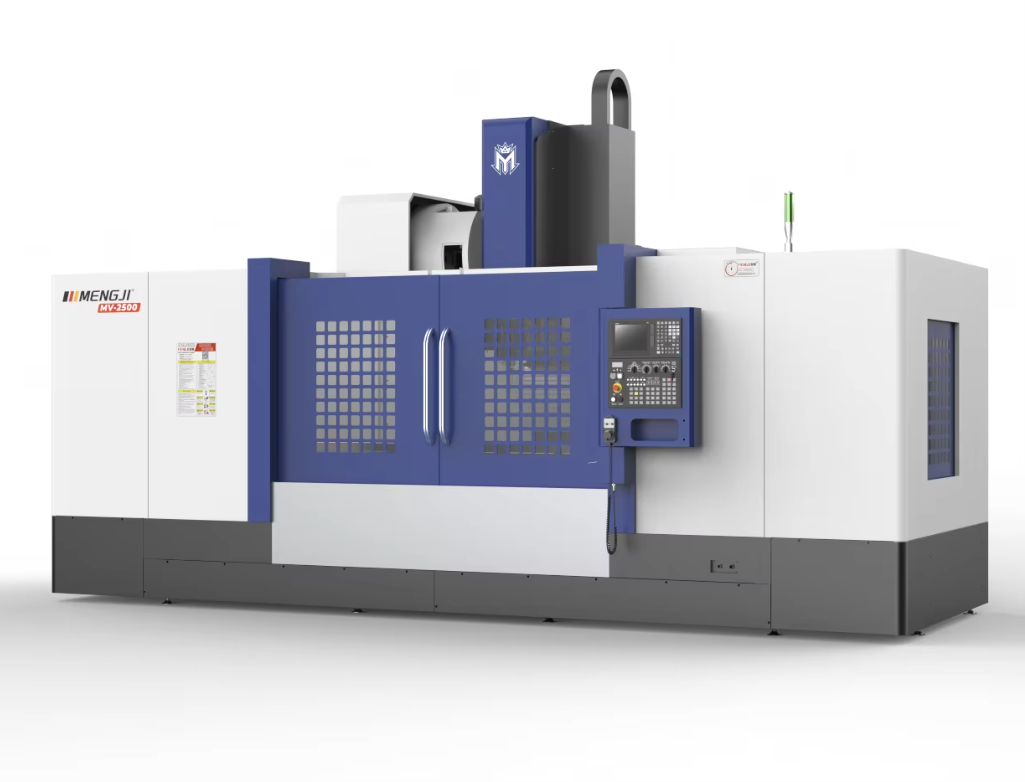
Strong manufacturing capacity and mature service capability from equipment manufacturers also affect the overall value behind machine pricing. Good internal supply chain management helps manufacturers control production cost without sacrificing component quality. Reliable manufacturers keep stable component sourcing and complete technical support system for global and domestic clients. Mengji Intelligent focuses on vertical machining center research and production. Supported by its manufacturing base in Hunan, it provides flexible equipment solutions for different small workshop processing demands. The enterprise maintains stable cooperation with mainstream numerical control component suppliers and delivers complete sets of equipment together with matching technical support. It meets diversified procurement needs of small processing workshops with balanced configuration and practical service resources.
Table of Contents
- Total Cost Thinking Beyond Initial Purchase Price
- Core Hardware Configurations That Shape Base Machine Pricing
- Control System and Auxiliary Function Selection Costs
- Factory Quality Inspection Standards and Compliance Related Expenses
- Hidden Operational Costs for Small Workshop Long Term Usage
- Manufacturer Supply Chain and Service Competence