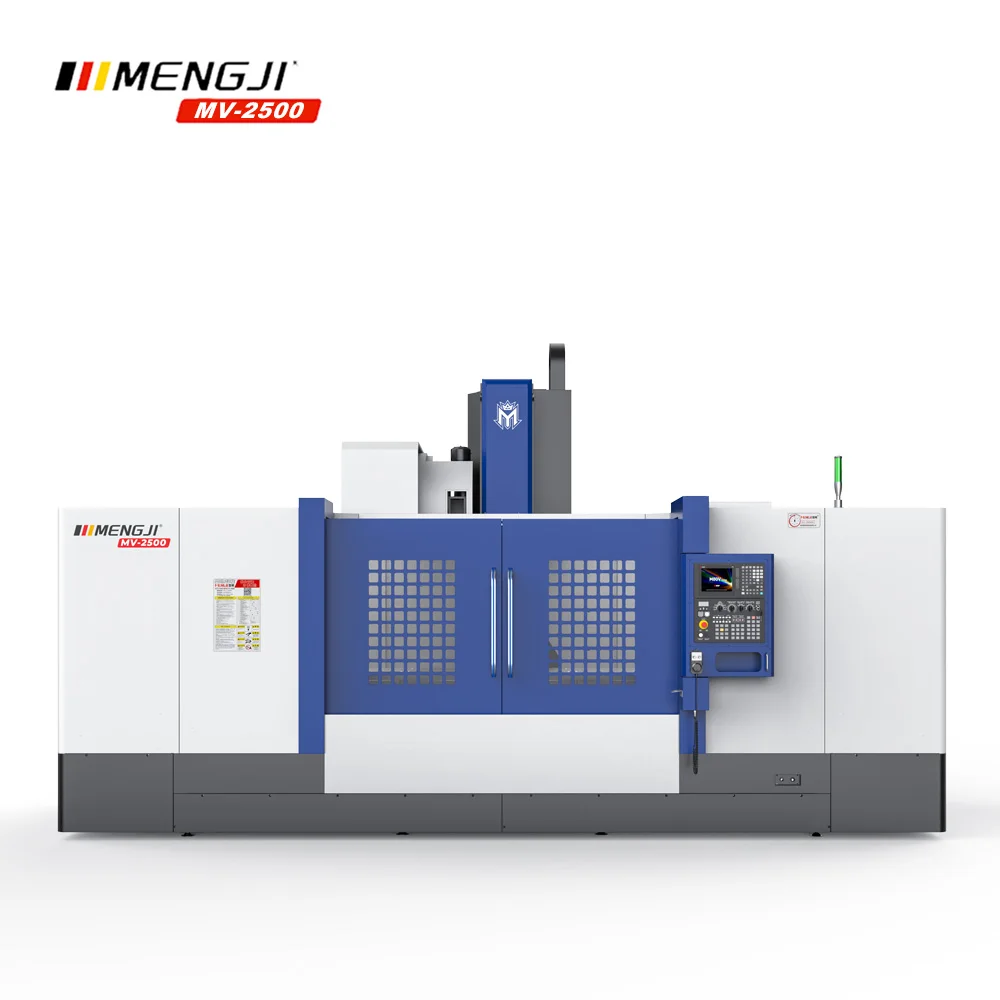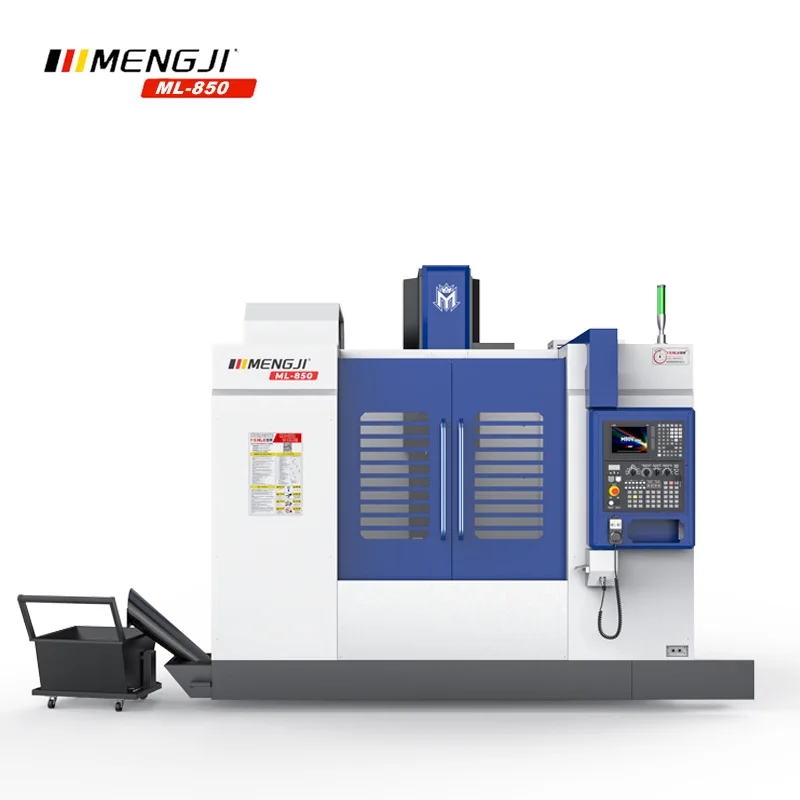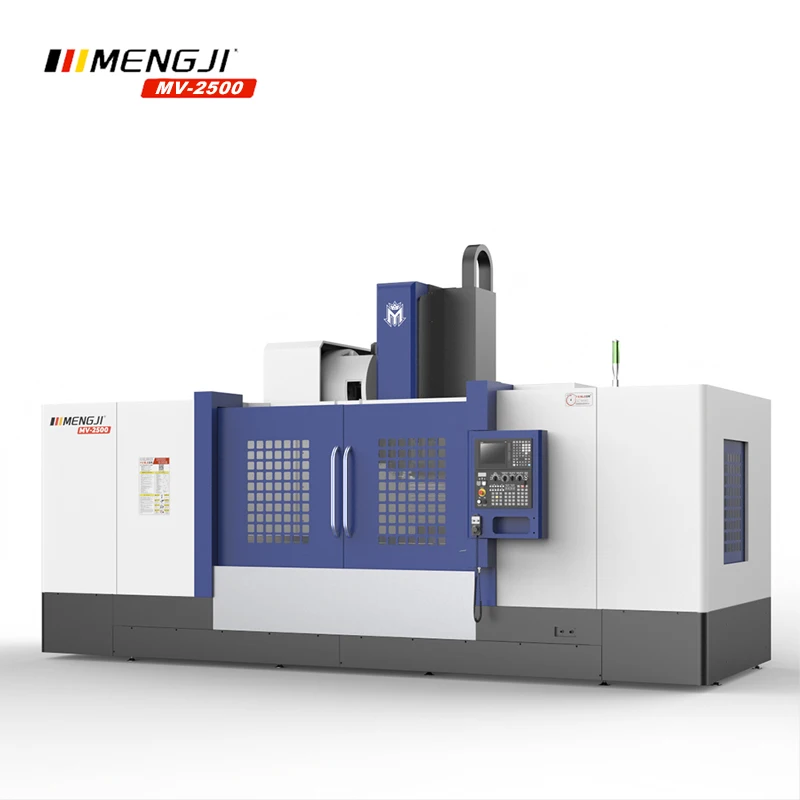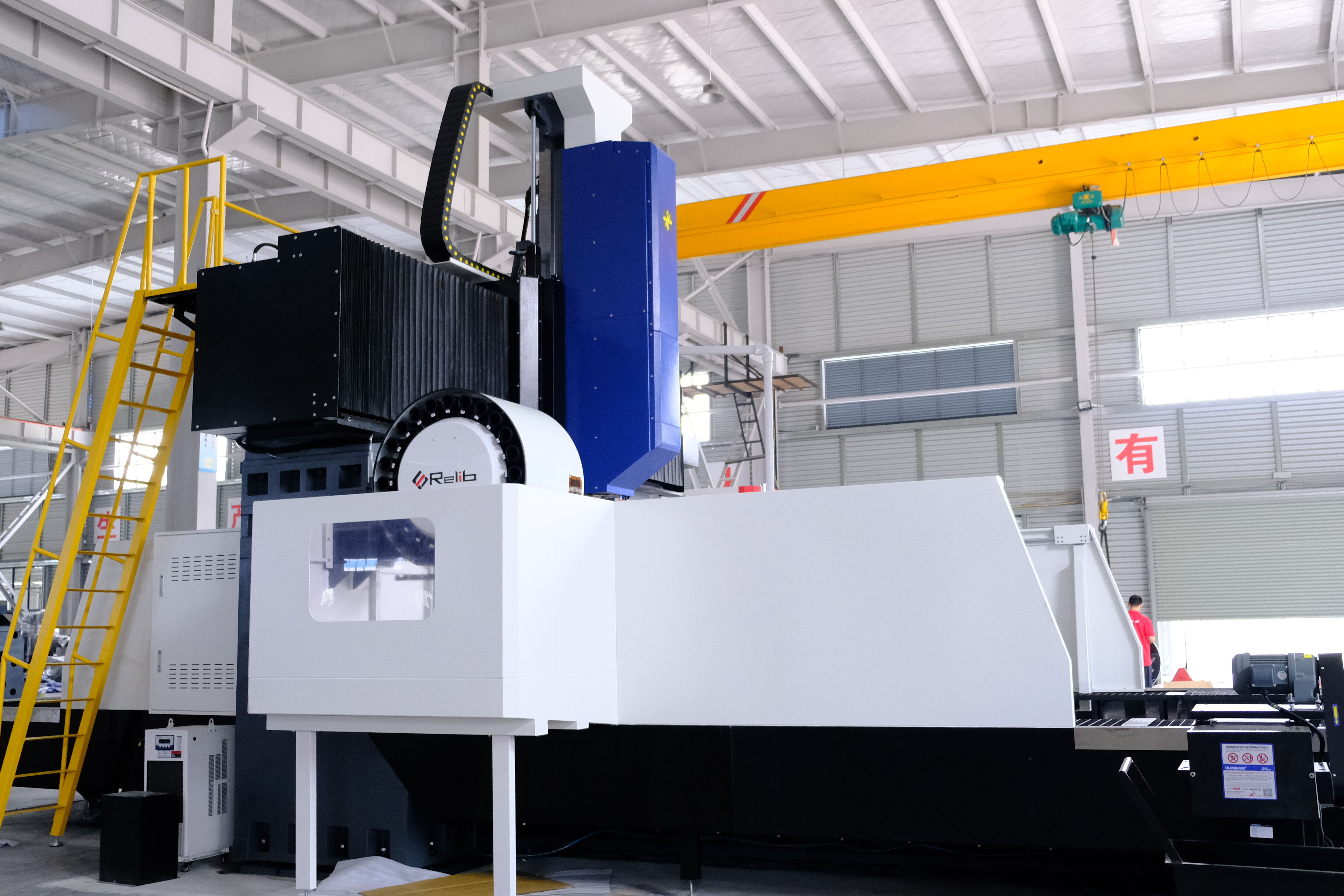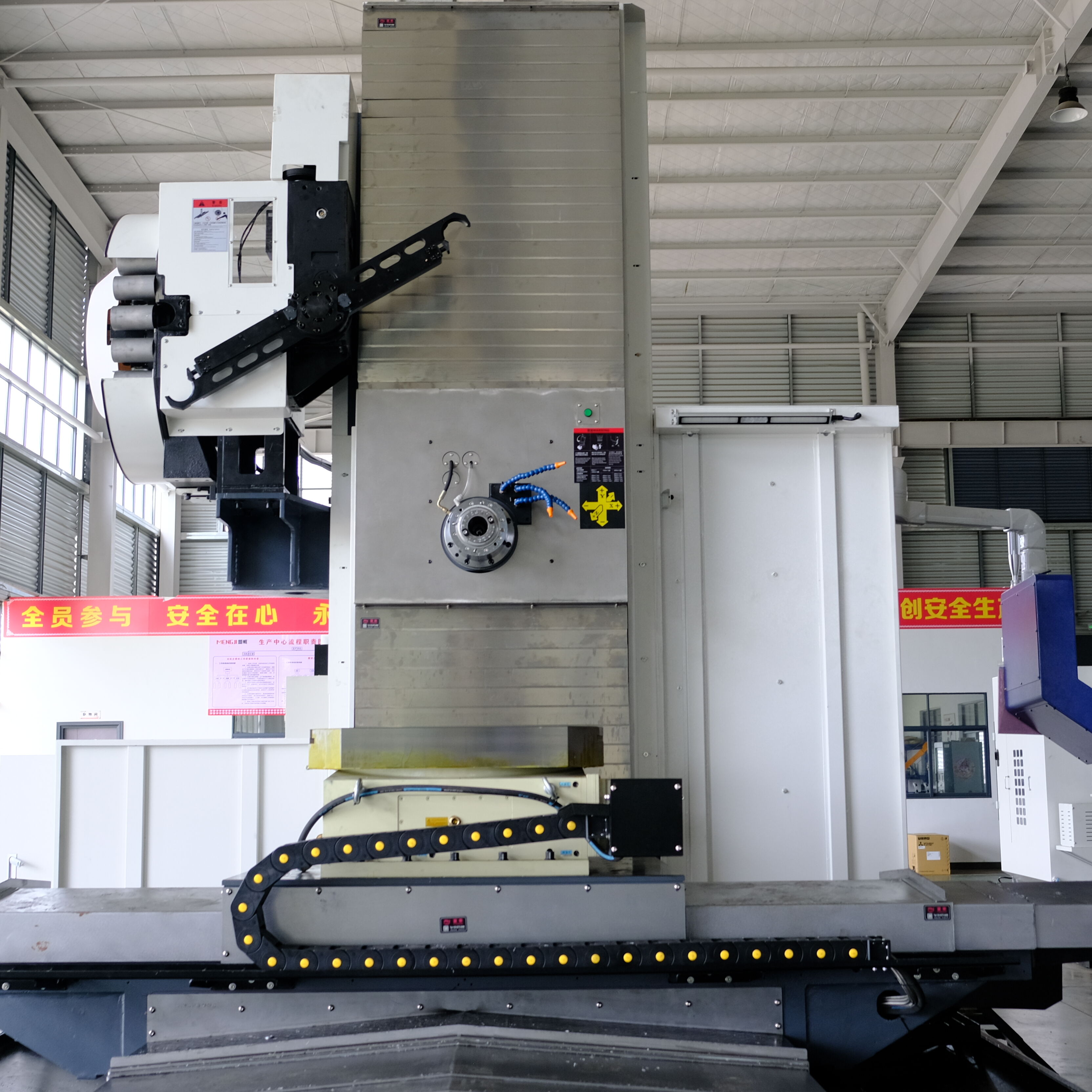
3-axis CNC technology represents the foundational level of computer-controlled machining, providing coordinated movement along three linear axes (X, Y, and Z) to position a cutting tool relative to a workpiece. This configuration enables the manufacturing of prismatic components where tool access is primarily required from a vertical orientation, making it one of the most prevalent and cost-effective CNC solutions across global manufacturing. The kinematic arrangement typically features a vertically oriented spindle that moves in the Z-axis (vertical), while the workpiece secured to a table moves in the X (left-right) and Y (front-back) axes, or variations thereof. This technology excels at 2.5D machining operations including profiling, pocketing, drilling, and tapping, where the geometry is essentially two-dimensional but machined at various depths. The primary limitation of 3-axis CNC becomes apparent when machining parts requiring complex multi-sided features or compound angles, as manual re-fixturing is necessary to access different part orientations, potentially introducing cumulative errors. Despite this constraint, 3-axis CNC machines offer exceptional value for a vast range of applications including mold bases, plate work, brackets, and components where the majority of features can be accessed from one direction. Modern 3-axis CNC systems incorporate advanced features such as automatic tool changers, probe systems for setup verification, and sophisticated control software, making them highly productive within their operational domain. Their relative simplicity compared to multi-axis systems results in lower initial investment, reduced programming complexity, and easier operational maintenance, ensuring their continued dominance as the workhorse technology for job shops, prototyping facilities, and dedicated production lines manufacturing components within their geometric constraints.
Our professional sales team is always ready to assist you.