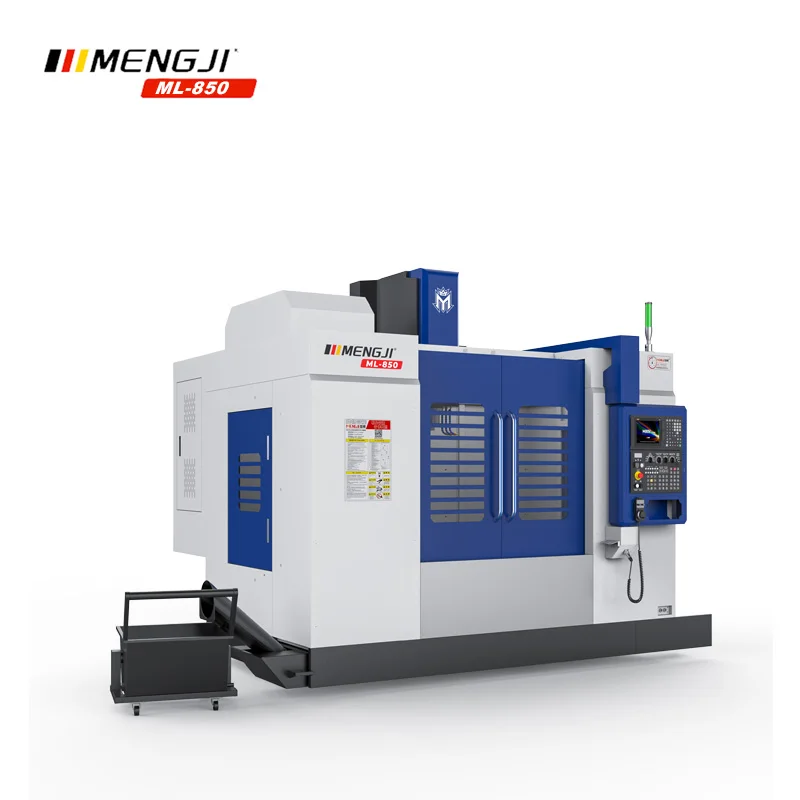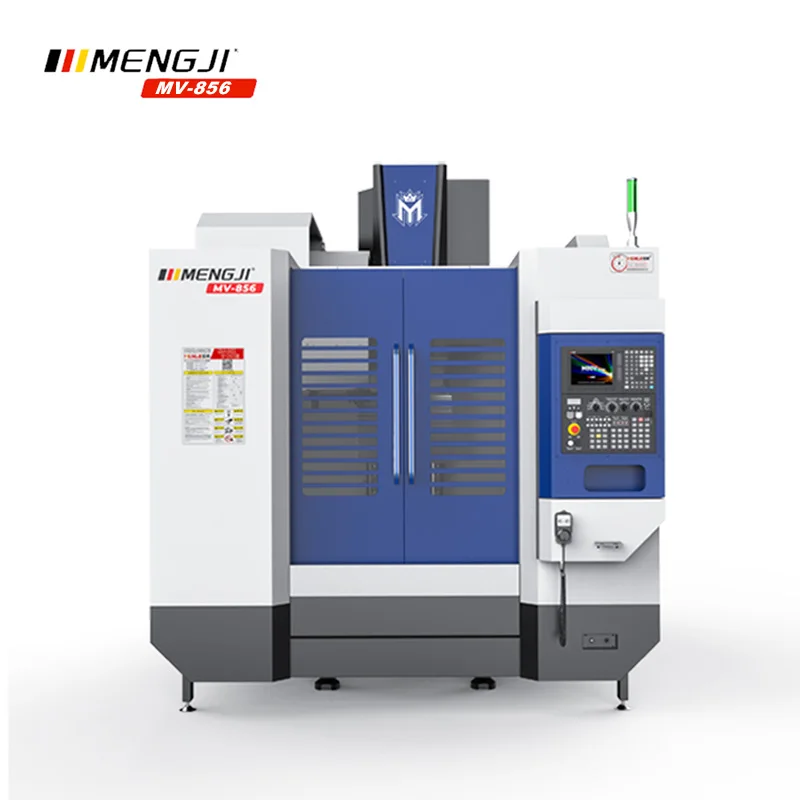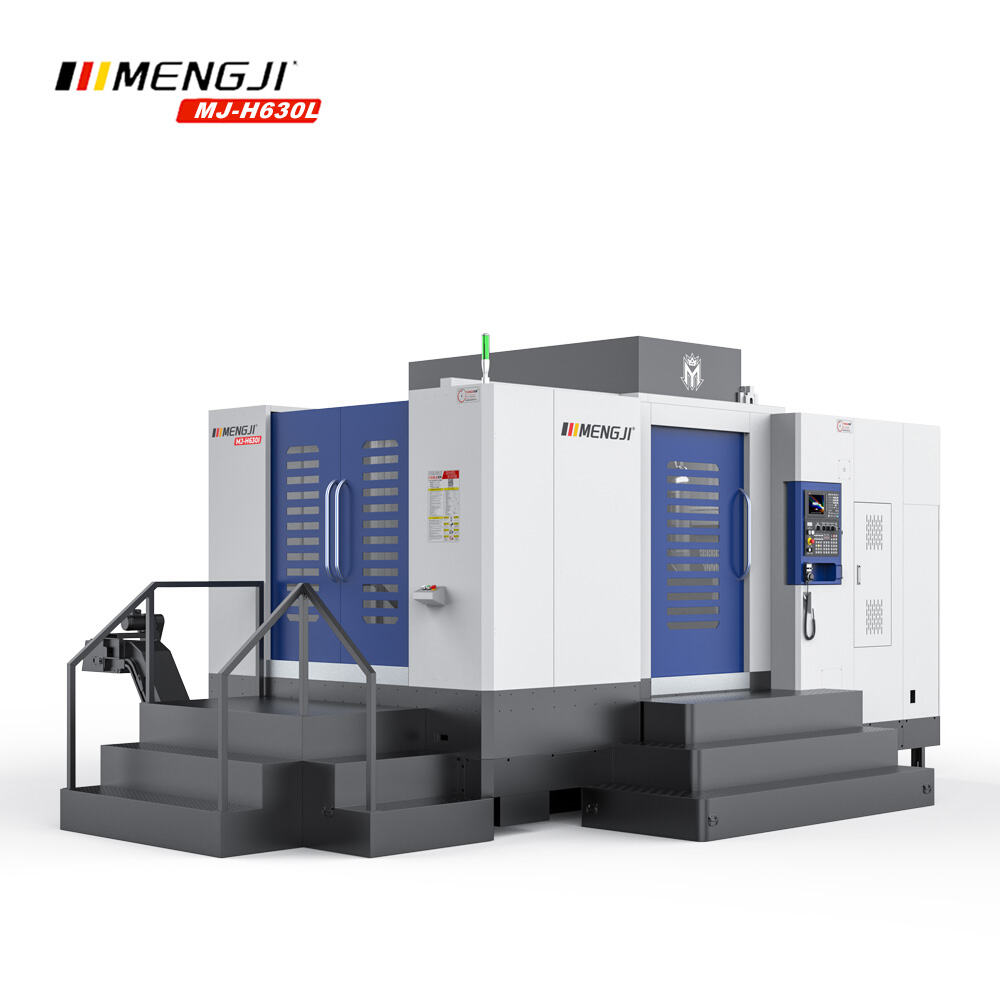
The market for low-cost CNC machines presents both opportunities and challenges for manufacturers seeking to implement automation within constrained budgets. These entry-level systems typically occupy the most accessible price segment while offering basic CNC functionality for less demanding applications. The reduced cost is generally achieved through several design compromises, including lighter structural components that may limit rigidity and damping characteristics, simplified control systems with fewer advanced features, and less sophisticated drive components that impact positioning accuracy and dynamic performance. These machines often feature smaller work envelopes, reduced spindle power, and limited automation capabilities compared to their industrial counterparts. While suitable for prototyping, educational purposes, and light production in softer materials like plastics and aluminum, their performance in demanding applications involving hardened steels or precision tolerances may prove inadequate. Potential buyers should carefully evaluate the total cost of ownership, considering not only the initial purchase price but also long-term reliability, maintenance requirements, and compatibility with future expansion needs. The support ecosystem—including availability of spare parts, technical documentation, and service expertise—represents another critical consideration that varies significantly across this market segment. Despite their limitations, appropriately selected low-cost CNC machines can provide substantial value for specific applications, particularly when their capabilities are well-matched to the intended use case and production requirements.
Our professional sales team is always ready to assist you.