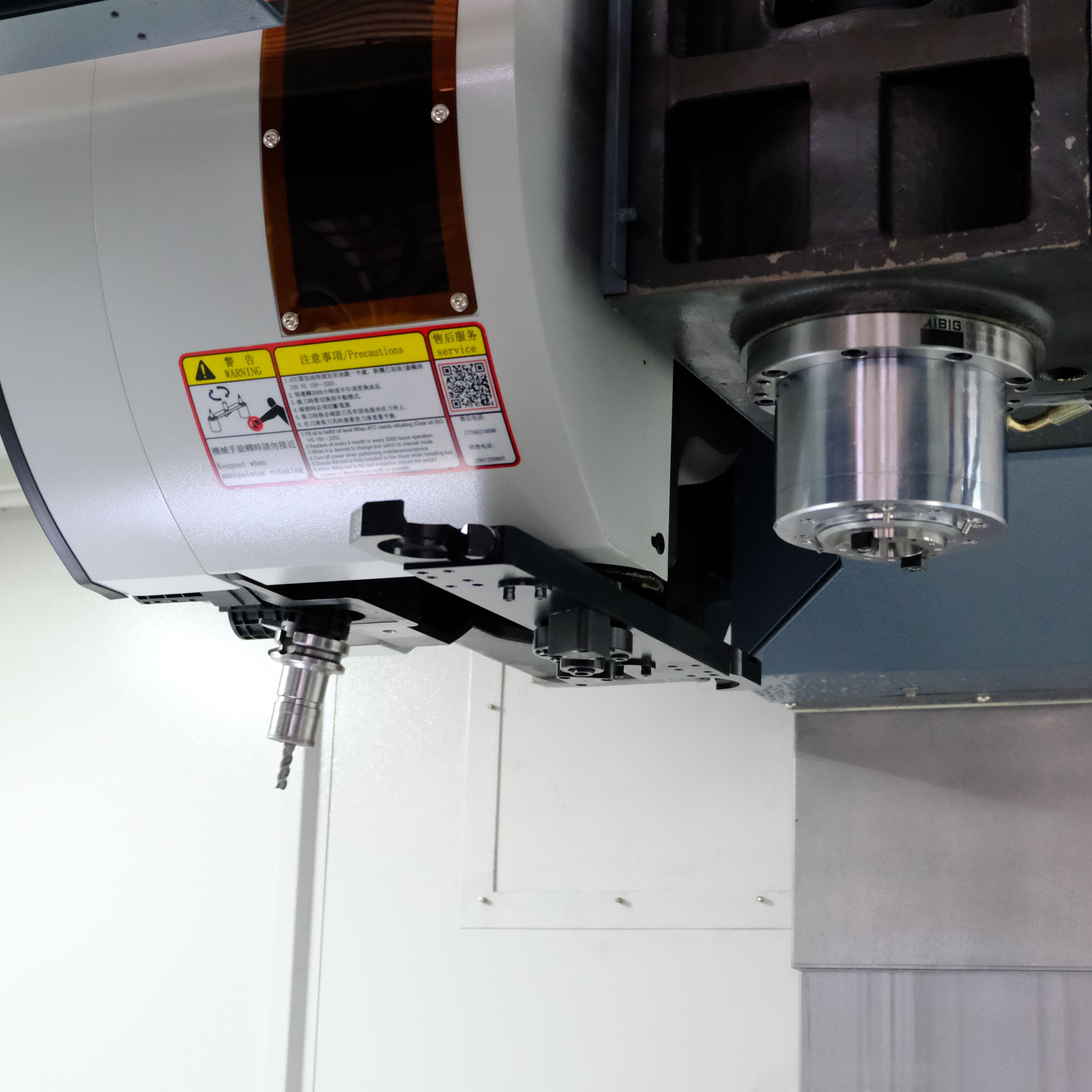
The terms NC (Numerical Control) and CNC (Computer Numerical Control) describe two distinct generations of automated machine tools, with CNC representing the direct technological evolution of NC. Understanding their relationship and differences is key to appreciating the progress of manufacturing automation. An NC machine, the predecessor, operates based on instructions fed from an external, physical medium, typically a punched tape or card. Its control unit is a dedicated, hard-wired reader that interprets the punched holes as commands for axis movement and machine functions. This system lacks an internal computer; the program is not stored in memory and cannot be easily altered. Making a change requires creating a new tape, a process that is time-consuming and prone to introducing errors. The machine's capabilities are fixed by its hardware logic. In stark contrast, a CNC machine incorporates a dedicated, powerful computer (the machine control unit) as its core. This computer not only reads but also stores programs in its memory, allowing for instant recall, editing, and optimization without any physical medium. This fundamental shift enables a suite of advanced functionalities: complex program logic, subroutines, and parametric programming become possible; the operator can make adjustments via a keyboard and see the code on a digital display; and the machine can often simulate the toolpath graphically before any metal is cut, preventing costly collisions. Furthermore, the integration of a computer allows for closed-loop feedback systems using servomotors and encoders, which constantly monitor and correct the tool position in real-time for superior accuracy compared to the open-loop systems common in early NC machines. While "NC" and "CNC" are sometimes used interchangeably in casual conversation, the distinction is critical in a technical context. NC refers to a specific, historically important technology, while CNC describes the modern, computer-centric standard that offers unparalleled flexibility, power, and precision. All contemporary CNC machines are built upon the foundational principle of NC, but they have vastly surpassed its capabilities through digital computing.
Our professional sales team is always ready to assist you.