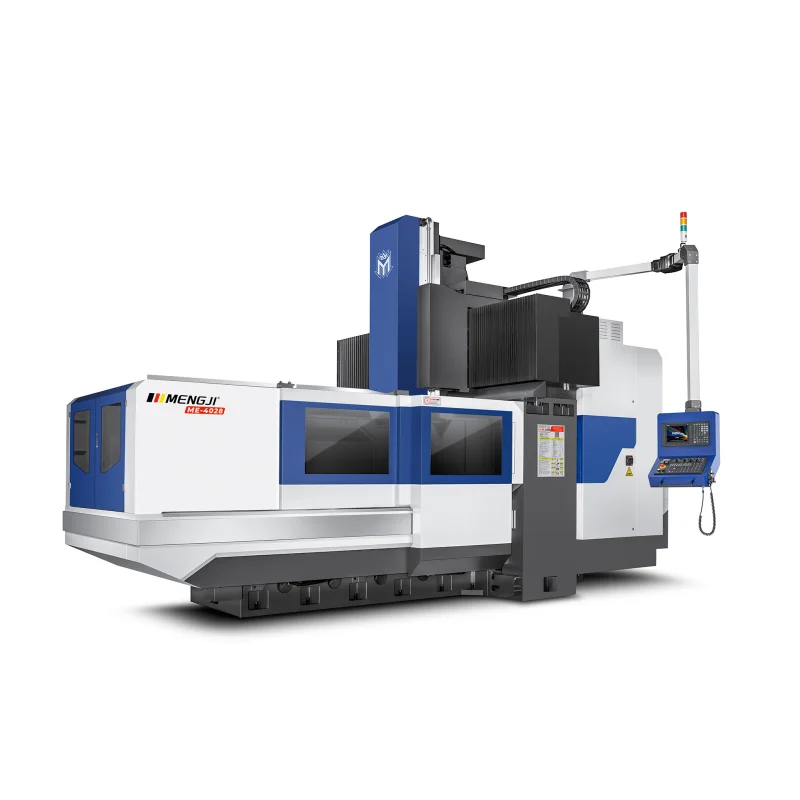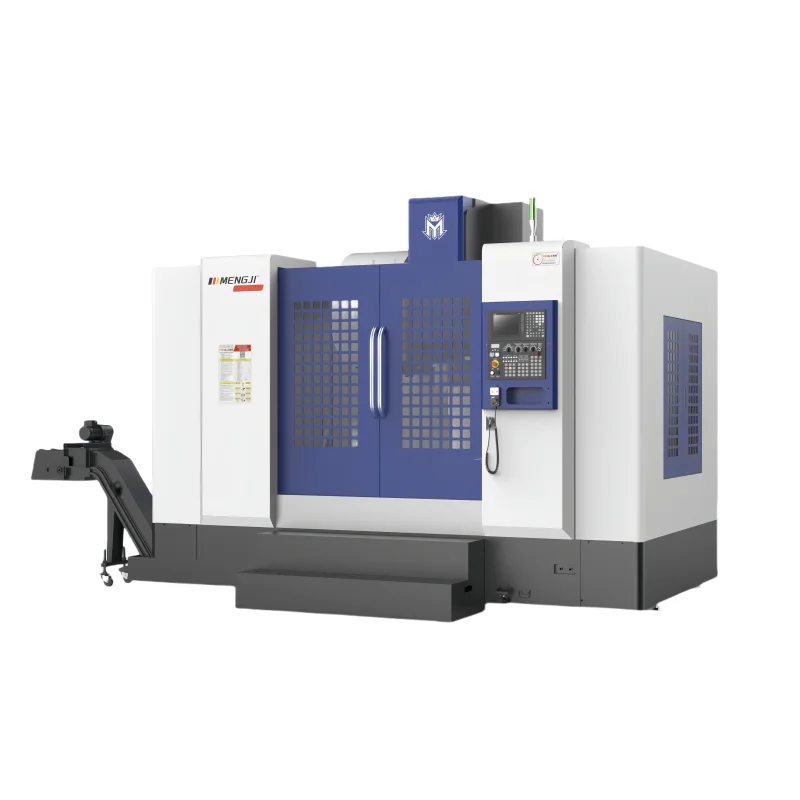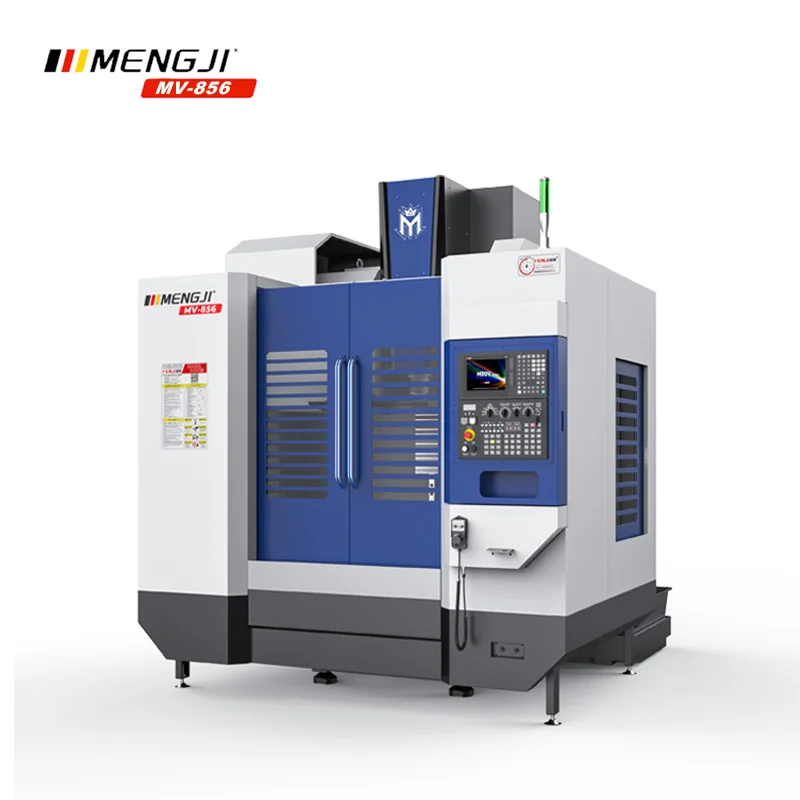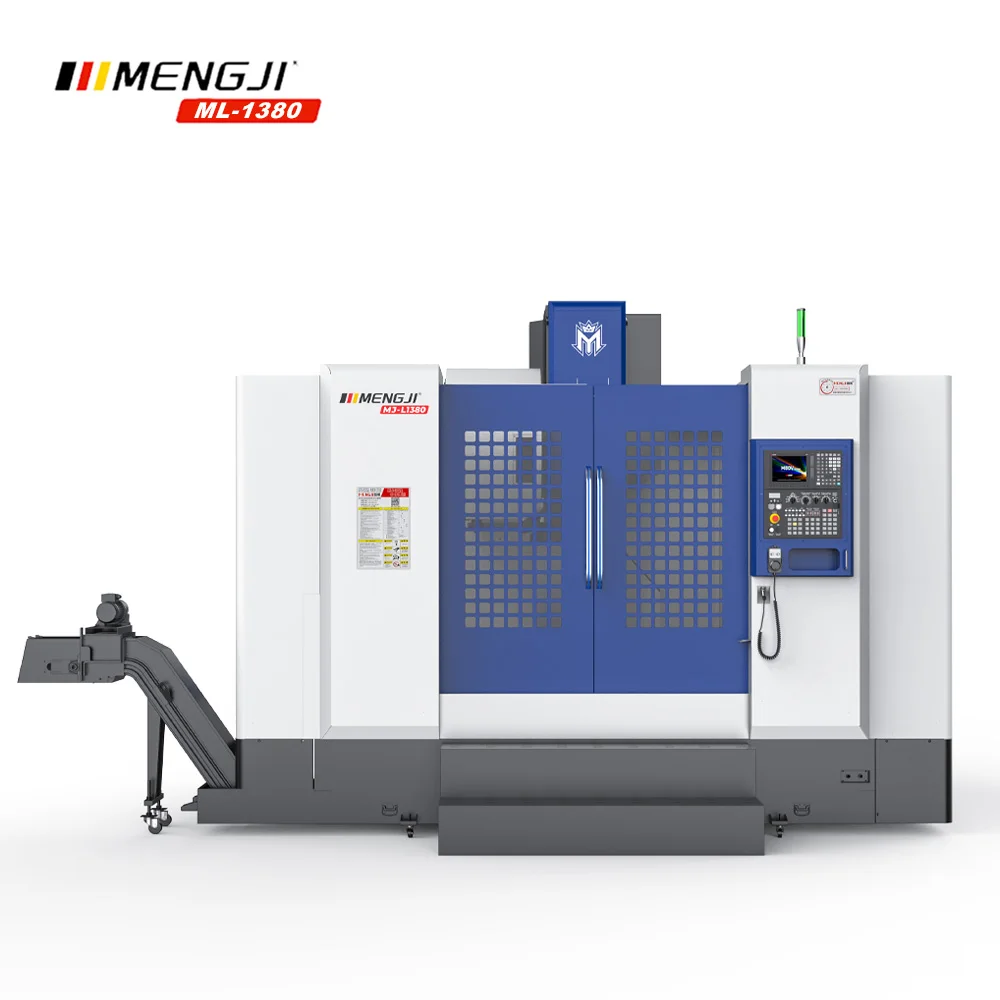
CNC design, often encapsulated in the principle of Design for Manufacturability (DFM), is the foundational stage where the success and cost-effectiveness of a machined component are fundamentally determined. It is the critical bridge between a conceptual design and a physically viable, economically producible part through Computer Numerical Control processes. Effective CNC design requires a synergistic understanding of mechanical engineering principles and the practical realities of CNC machining, including toolpath generation, cutter accessibility, and workpiece holding. Key considerations include optimizing wall thicknesses to ensure rigidity, specifying internal corner radii that match standard cutter sizes to avoid costly, non-standard tooling, and designing features to minimize the number of required setups, which directly impacts accuracy and cost. Draft angles, fillets, and chambers should be incorporated not just for function but to facilitate smoother machining and deburring. Material selection is another cornerstone of CNC design; the choice of aluminum, steel, titanium, or engineering plastics will dictate machining strategies, cutting parameters, and ultimately, the part's performance. Furthermore, designers must critically assess tolerance callouts, applying tight tolerances only where functionally necessary to avoid escalating costs associated with slower machining times and specialized inspection. With the advent of advanced CAM (Computer-Aided Manufacturing) software, CNC design also involves creating 3D models that are "watertight" and easily translated into efficient, collision-free toolpaths. A well-executed CNC design yields a component that is not only innovative and functional but also manufacturable with maximum efficiency, minimal waste, and predictable lead times, laying the groundwork for a successful transition from digital prototype to mass production.
Our professional sales team is always ready to assist you.