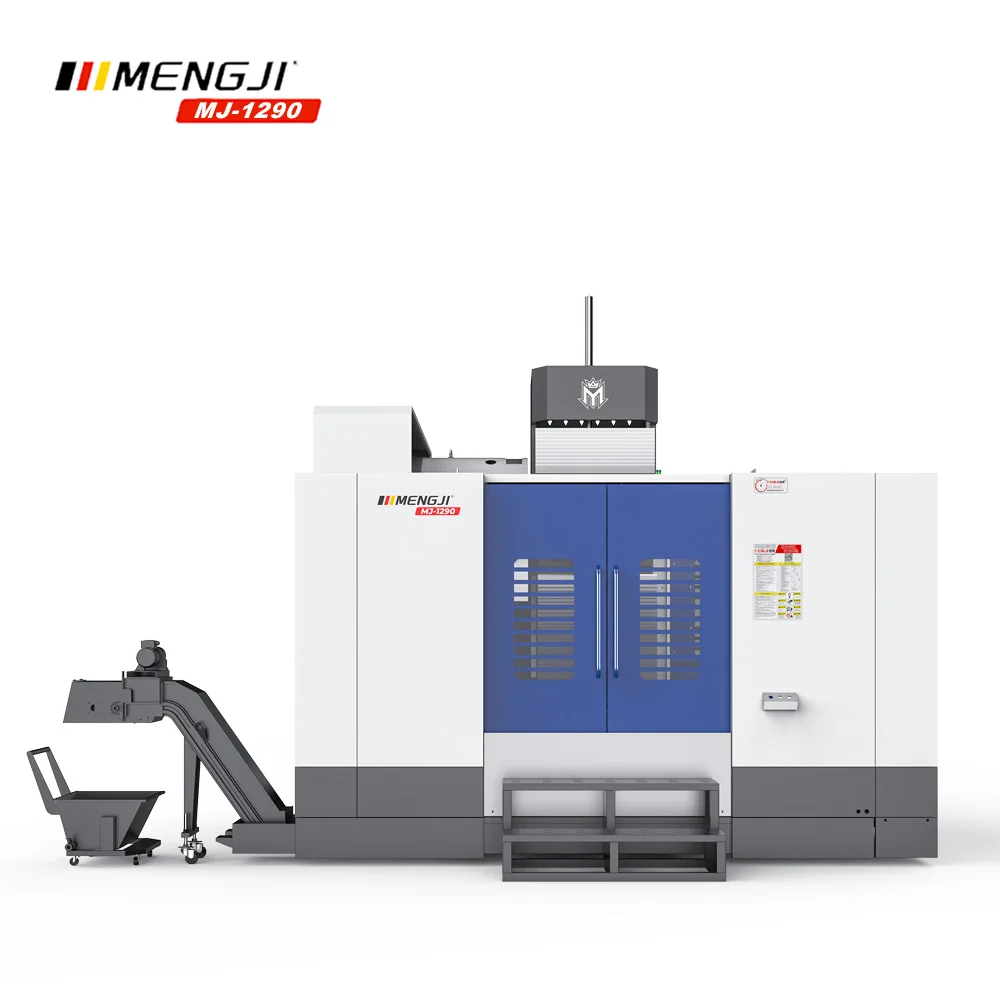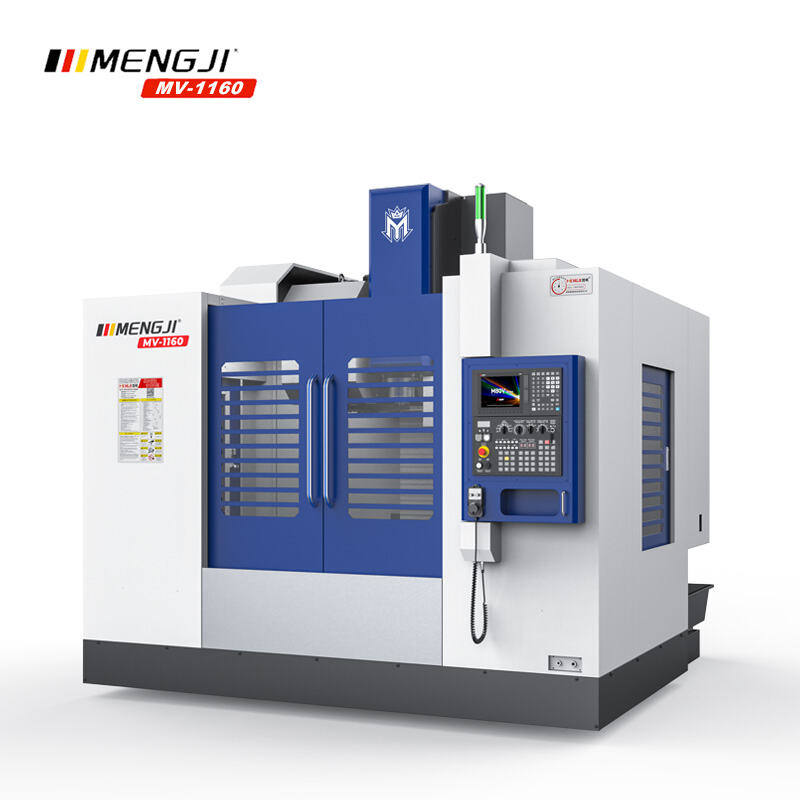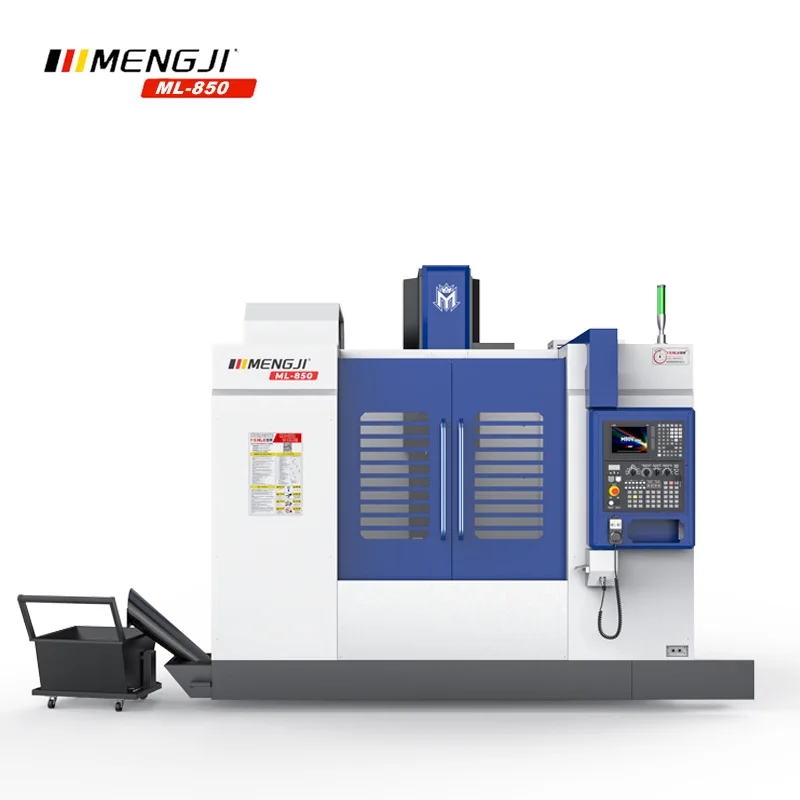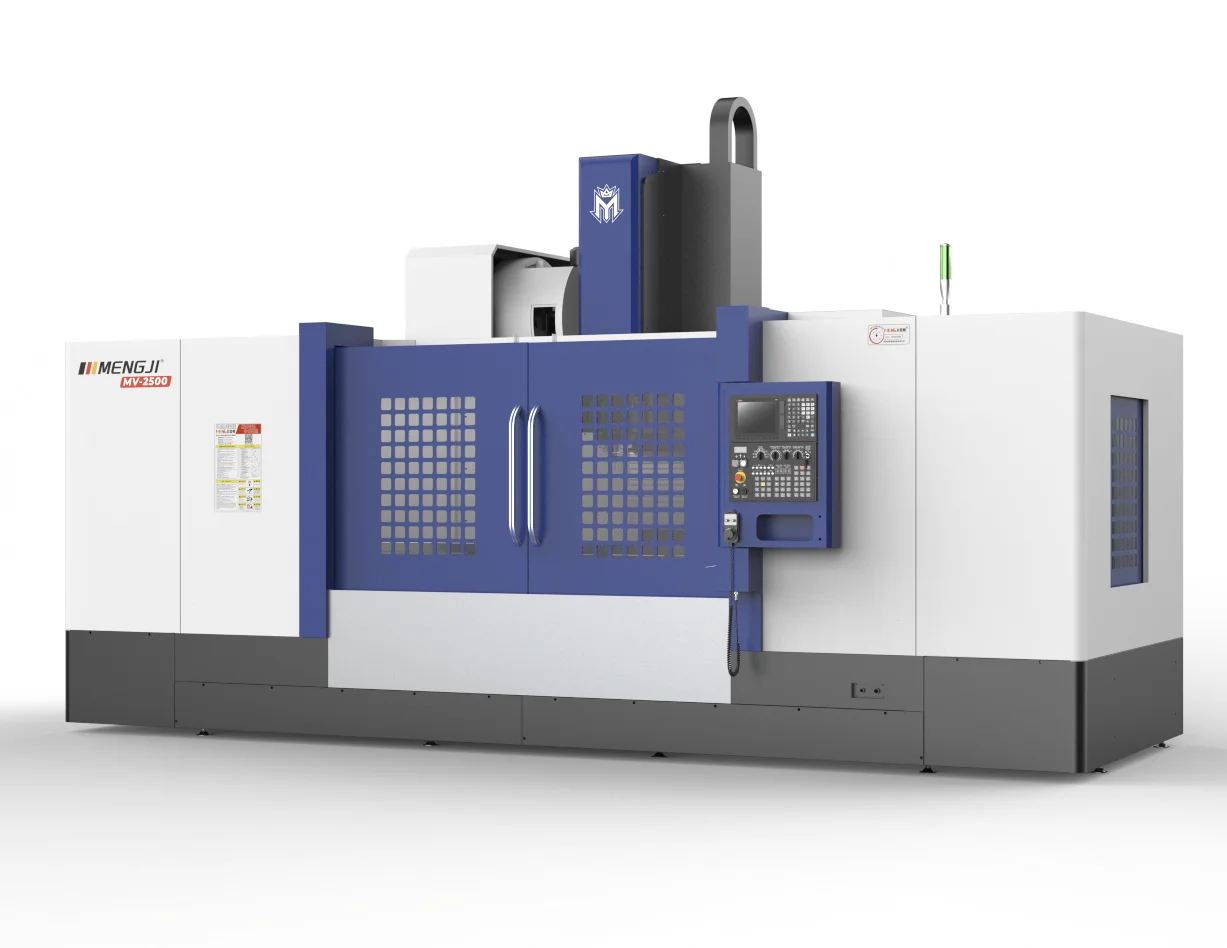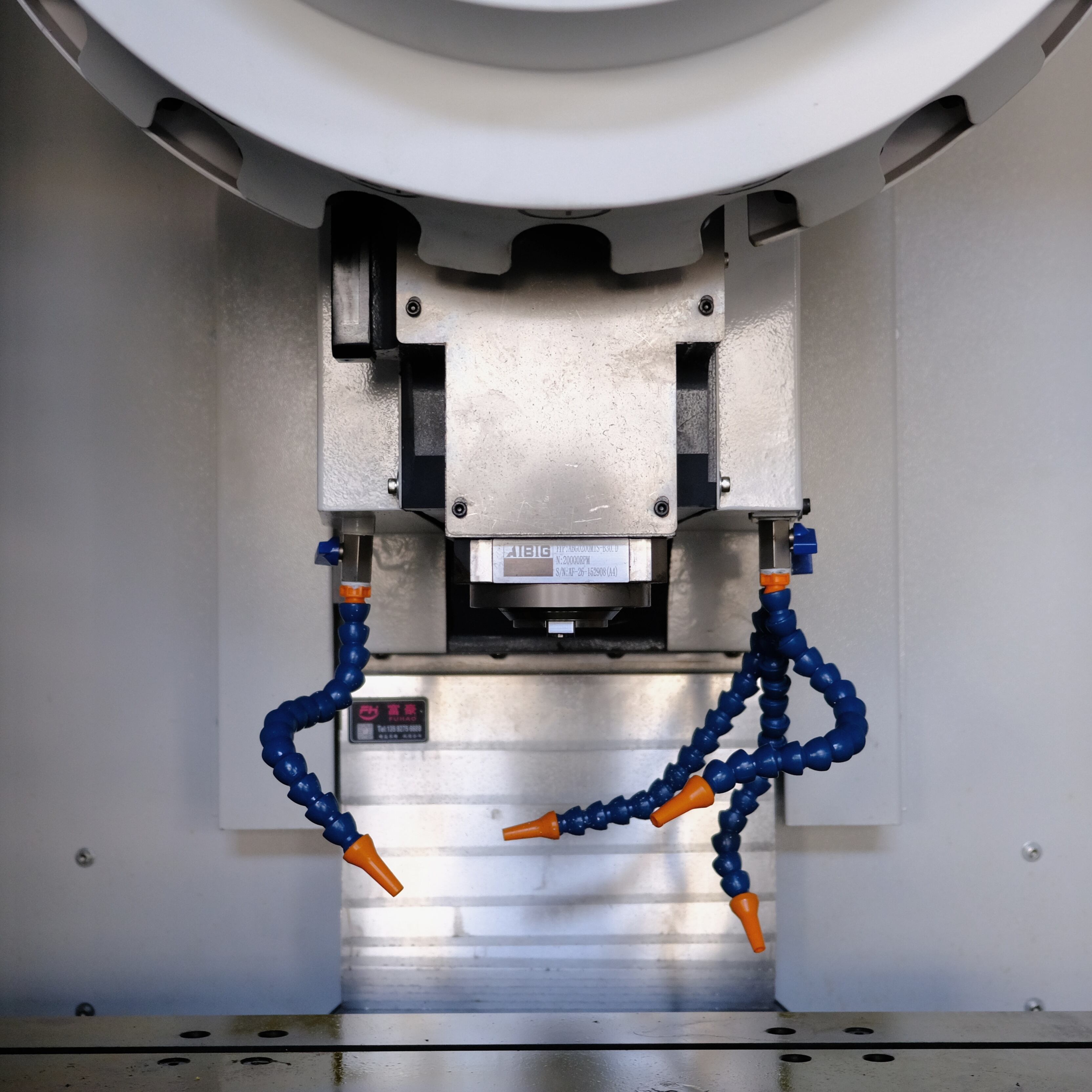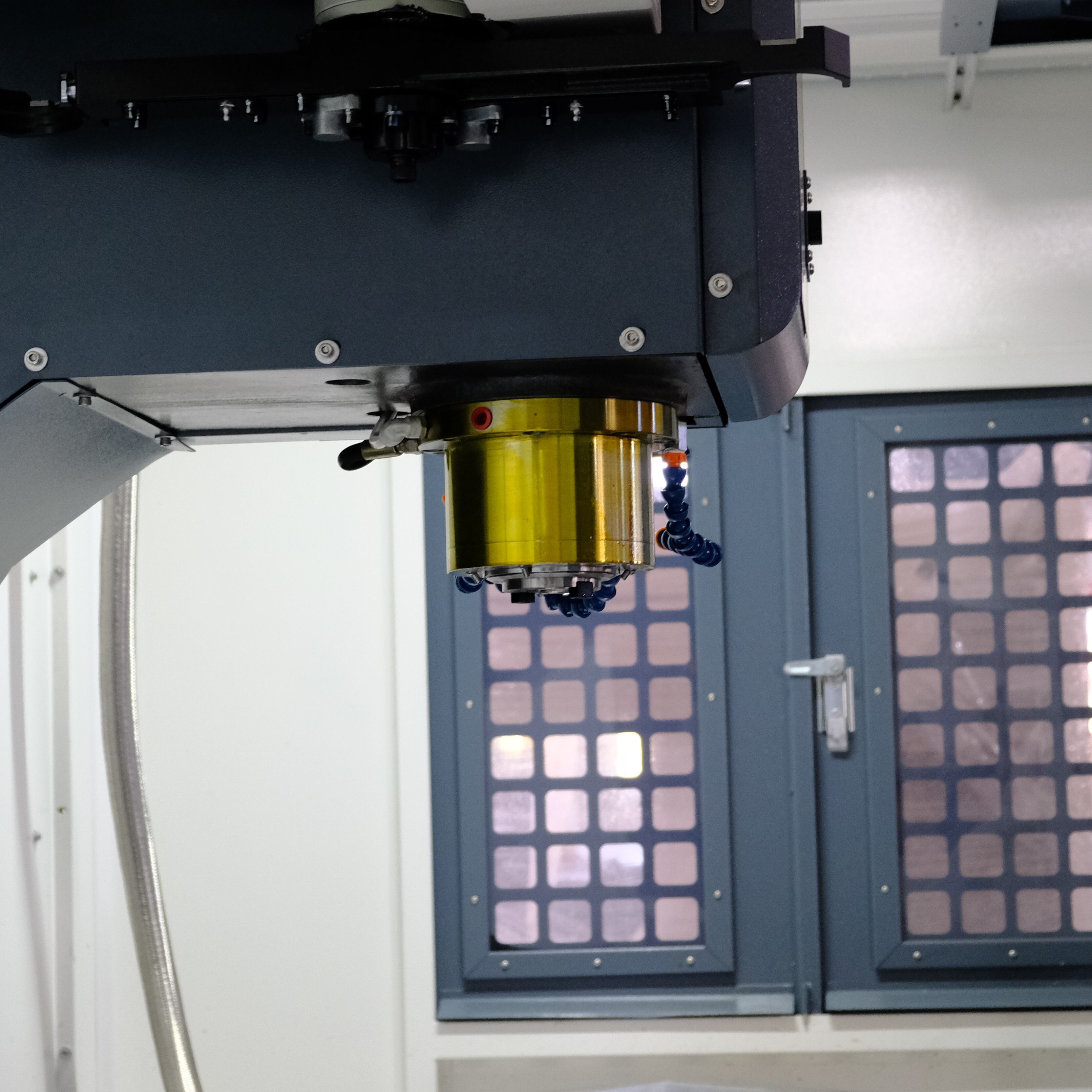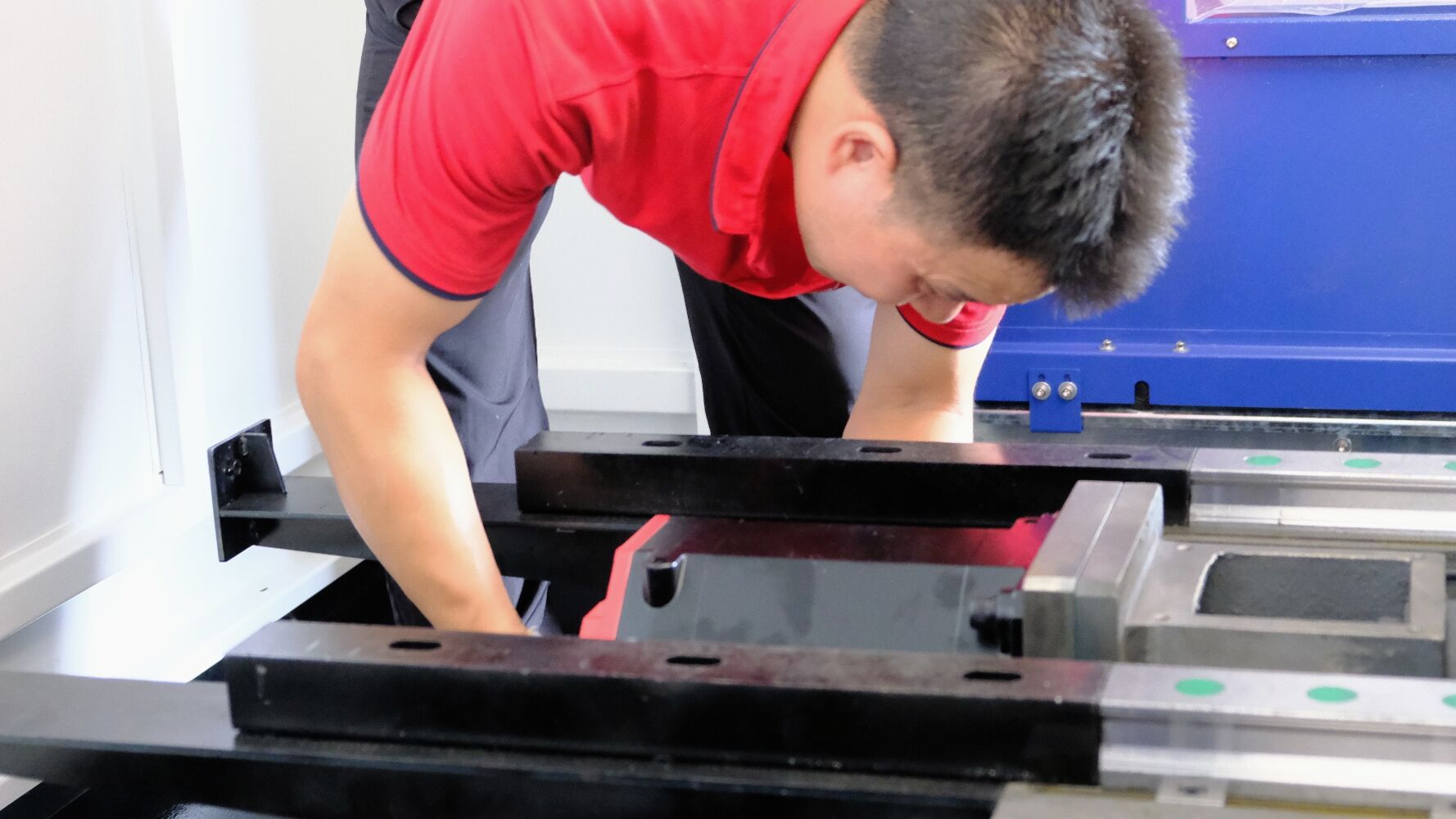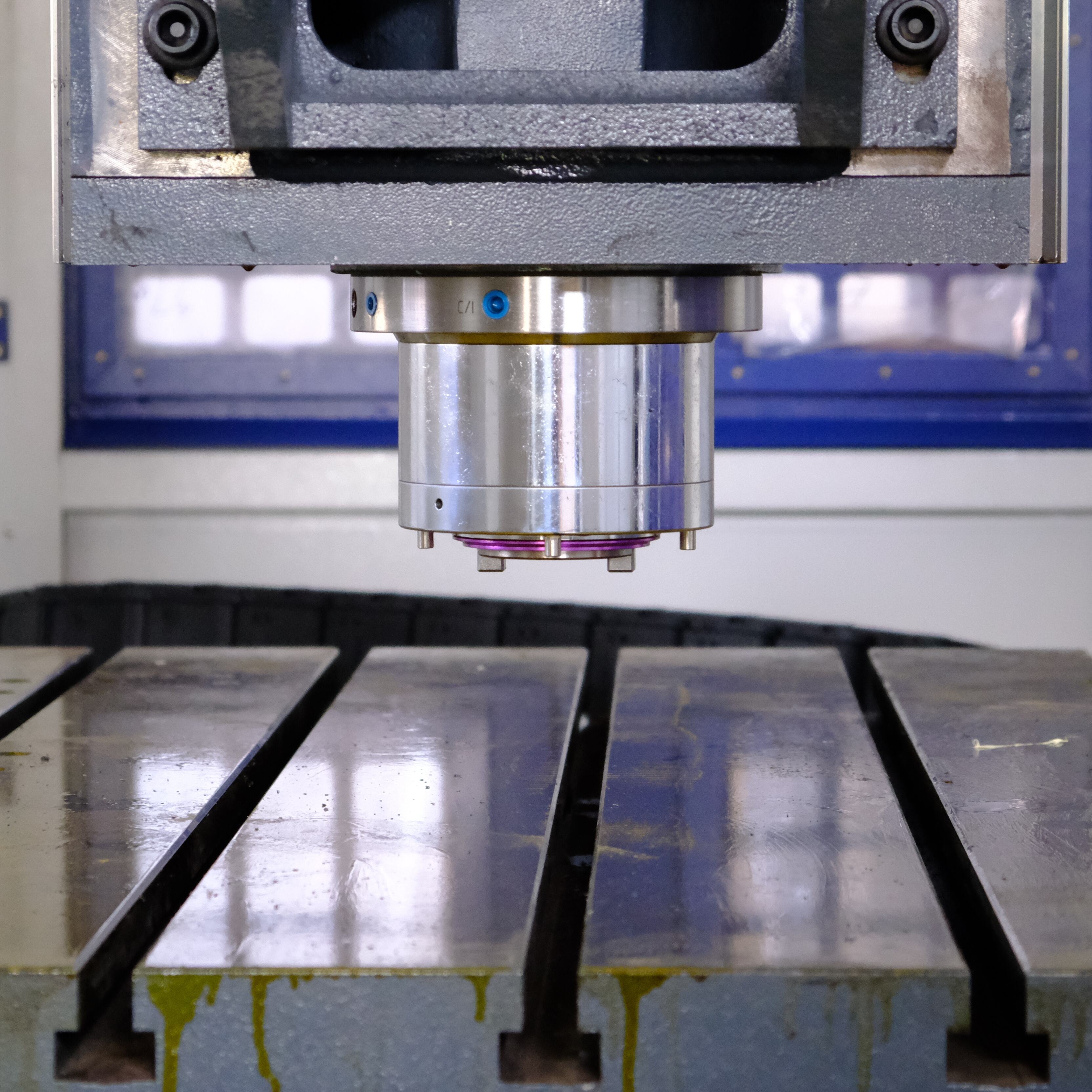
The components of a CNC milling machine are the integrated mechanical, electrical, and electronic systems that work in concert to execute precise, automated machining operations. Understanding these components is key to appreciating the machine's capability and complexity. The foundation is the structural assembly, comprising the heavy, rigid bed, column, and table, often made from cast iron with advanced damping properties to absorb vibrations. The drive system is responsible for motion, consisting of servomotors that provide power, ball screws that convert rotary motion to linear movement, and linear guideways that ensure smooth and accurate travel along the X, Y, and Z axes. The heart of the material removal process is the spindle assembly, a high-precision unit that houses the motor and rotates the cutting tool at specified speeds; its rigidity and thermal stability are critical for accuracy. The tool-changing mechanism, typically an automatic tool changer (ATC) with a tool magazine, allows the machine to access multiple tools during a cycle without operator intervention. The CNC control system is the brain, an industrial computer (CNC controller) that interprets the part program (G-code) and sends commands to the drive motors and other machine functions. This system relies on feedback devices, such as encoders and resolvers, which form a closed-loop system by constantly monitoring the actual position of the axes and reporting back to the controller for real-time correction. The auxiliary systems include the coolant system for lubrication and chip flushing, the lubrication system for the machine's moving parts, and the enclosure, which contains coolant and chips for safety and cleanliness. Each of these components must be engineered to exacting standards to ensure the machine's overall performance, precision, and reliability.
Our professional sales team is always ready to assist you.