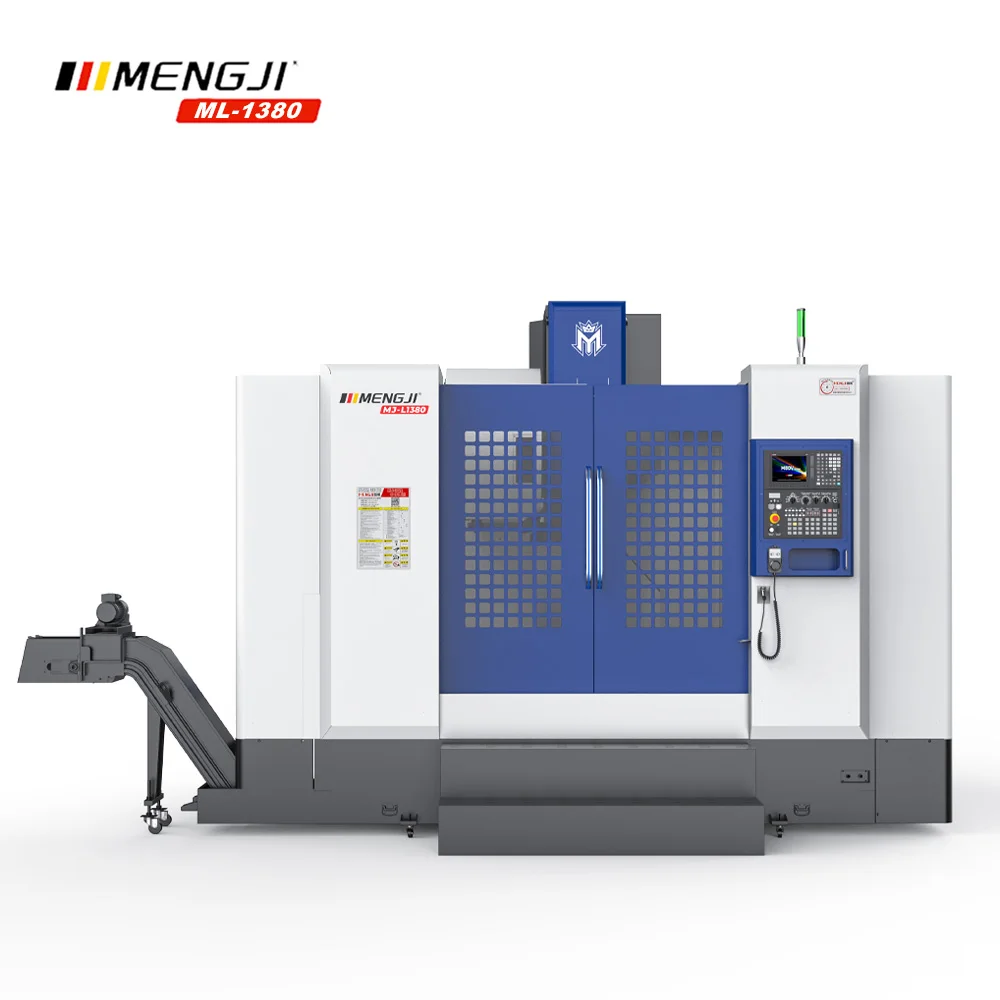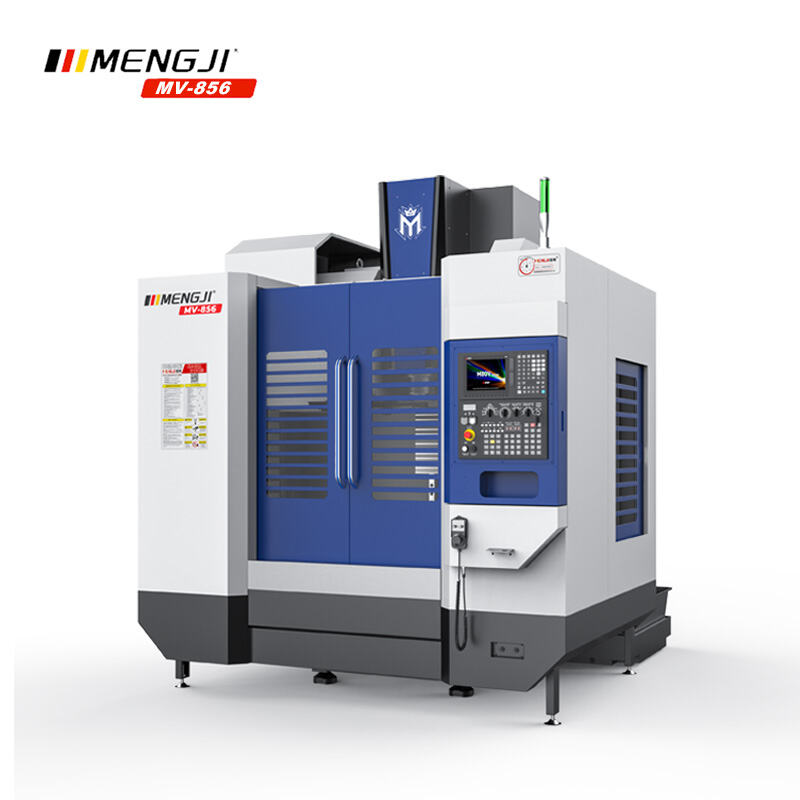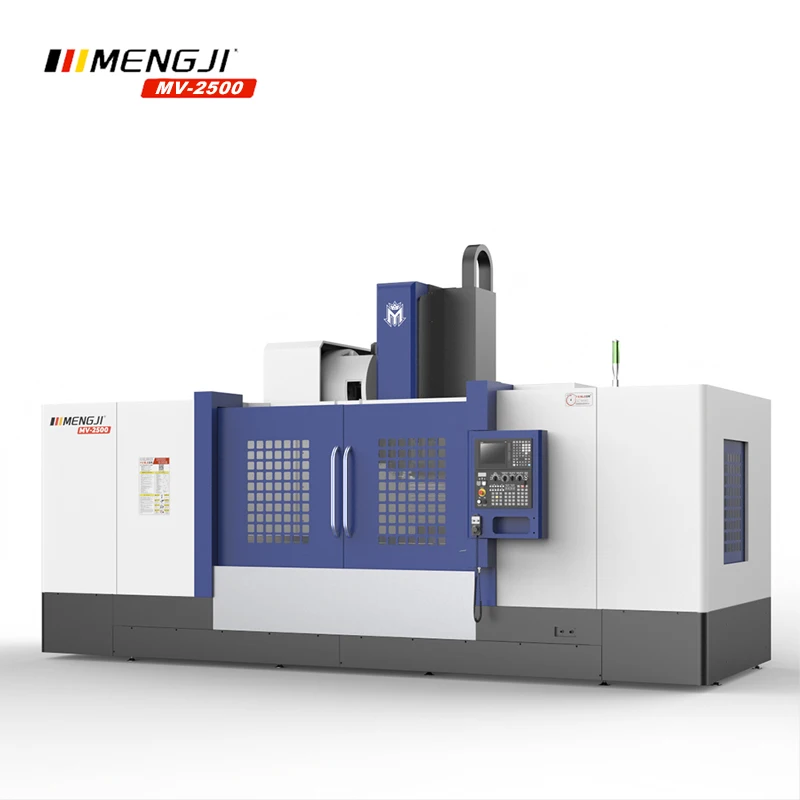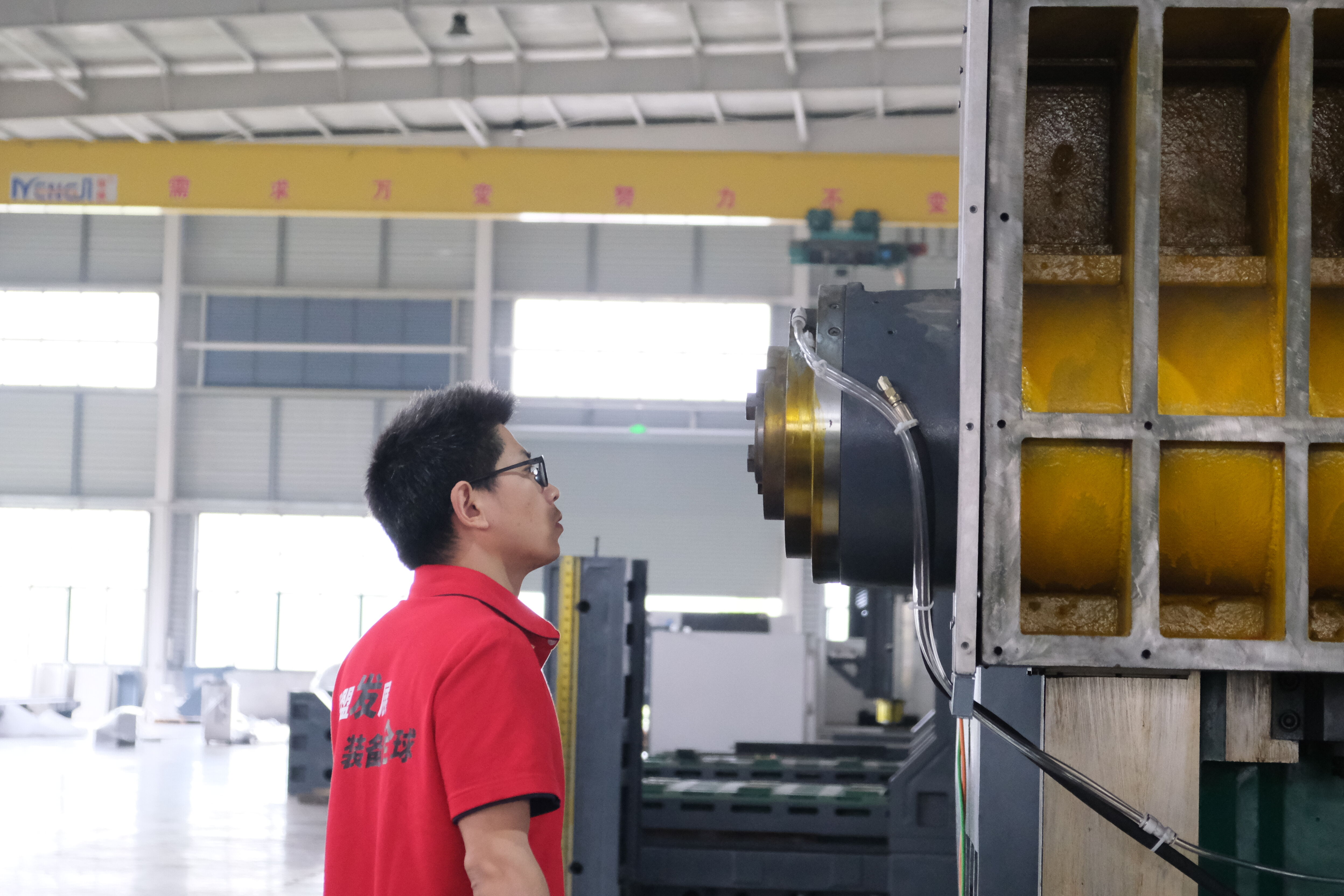
CNC programming courses are structured educational programs designed to equip individuals with the knowledge and practical skills required to create, optimize, and troubleshoot the code that drives Computer Numerical Control machine tools. These courses cater to a range of learners, from absolute beginners to experienced machinists seeking to advance their skills. A comprehensive curriculum typically begins with fundamental concepts, including an introduction to CNC technology, Cartesian coordinate systems, and the foundational principles of G-code and M-code programming. Students learn to write manual programs for basic operations like linear and circular interpolation, drilling cycles, and tool compensation. The core of most modern courses is instruction in Computer-Aided Manufacturing (CAM) software, such as Fusion 360, Mastercam, or Siemens NX. This involves learning to import CAD models, define stock, select tools, and generate efficient, collision-free toolpaths for operations like 2D contouring, 3D surfacing, and multi-axis machining. Advanced topics cover high-speed machining strategies, multi-tasking turn-mill programming, and the use of subprograms and macros for efficient and flexible code. Crucially, courses also address the post-processing stage, where the CAM toolpath is translated into the specific dialect of a machine's CNC controller. Practical elements often include simulation software to verify programs and hands-on experience running code on actual CNC machines. Beyond technical skills, these courses teach vital manufacturing concepts like reading technical drawings, understanding tolerances, and selecting cutting parameters (speeds and feeds). Upon completion, individuals are prepared for roles such as CNC Programmer, CAM Programmer, or Manufacturing Engineer, possessing the critical ability to bridge the gap between design and production.
Our professional sales team is always ready to assist you.