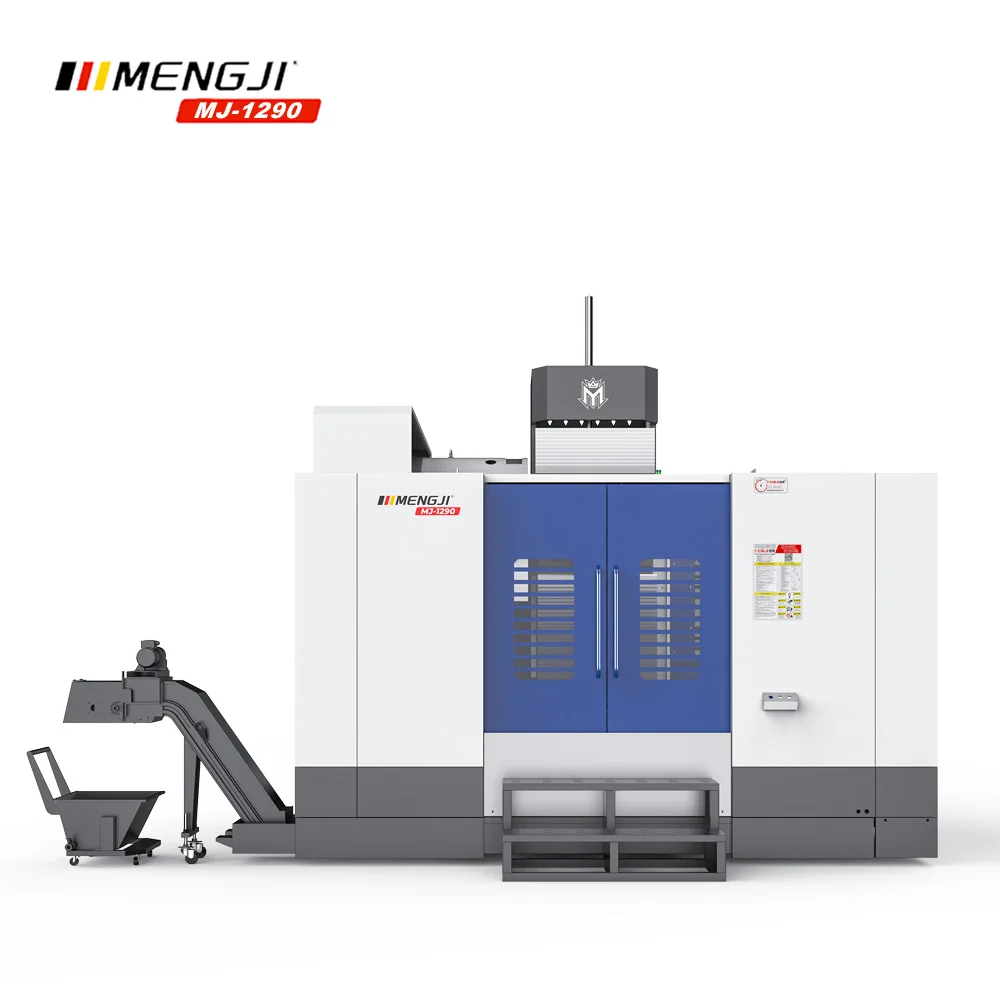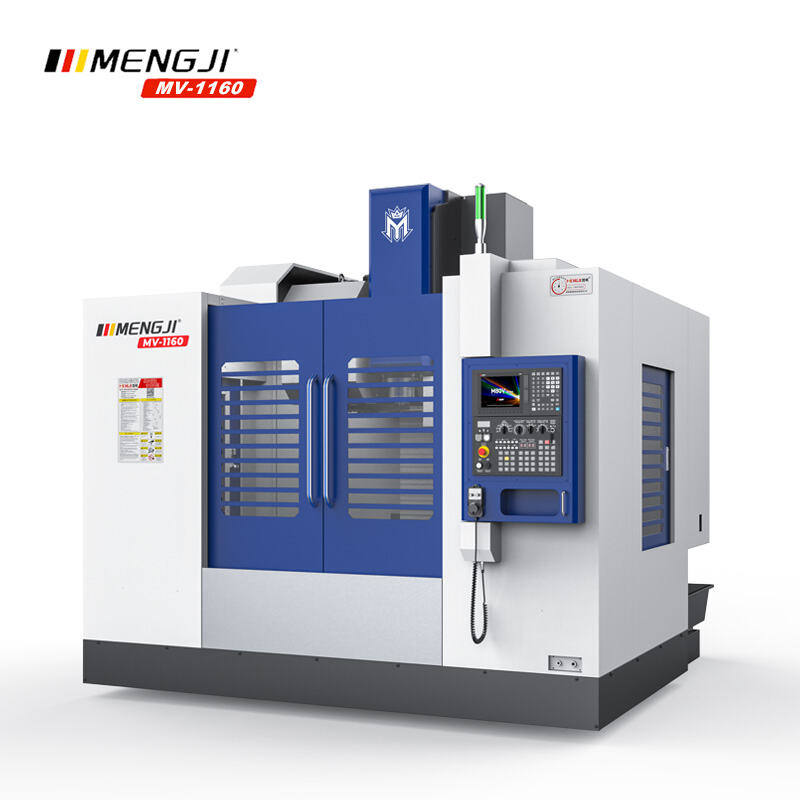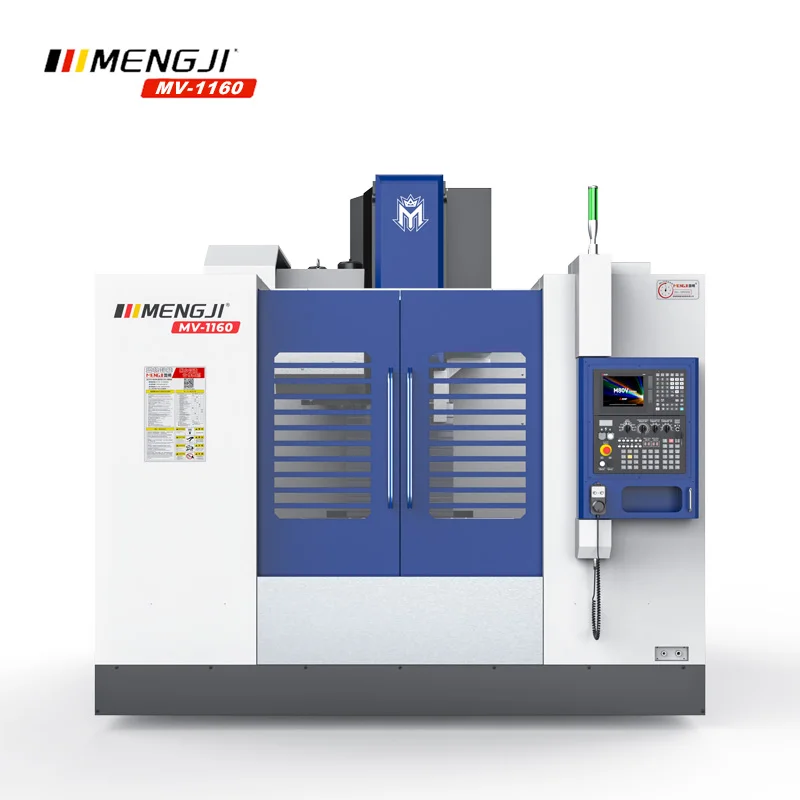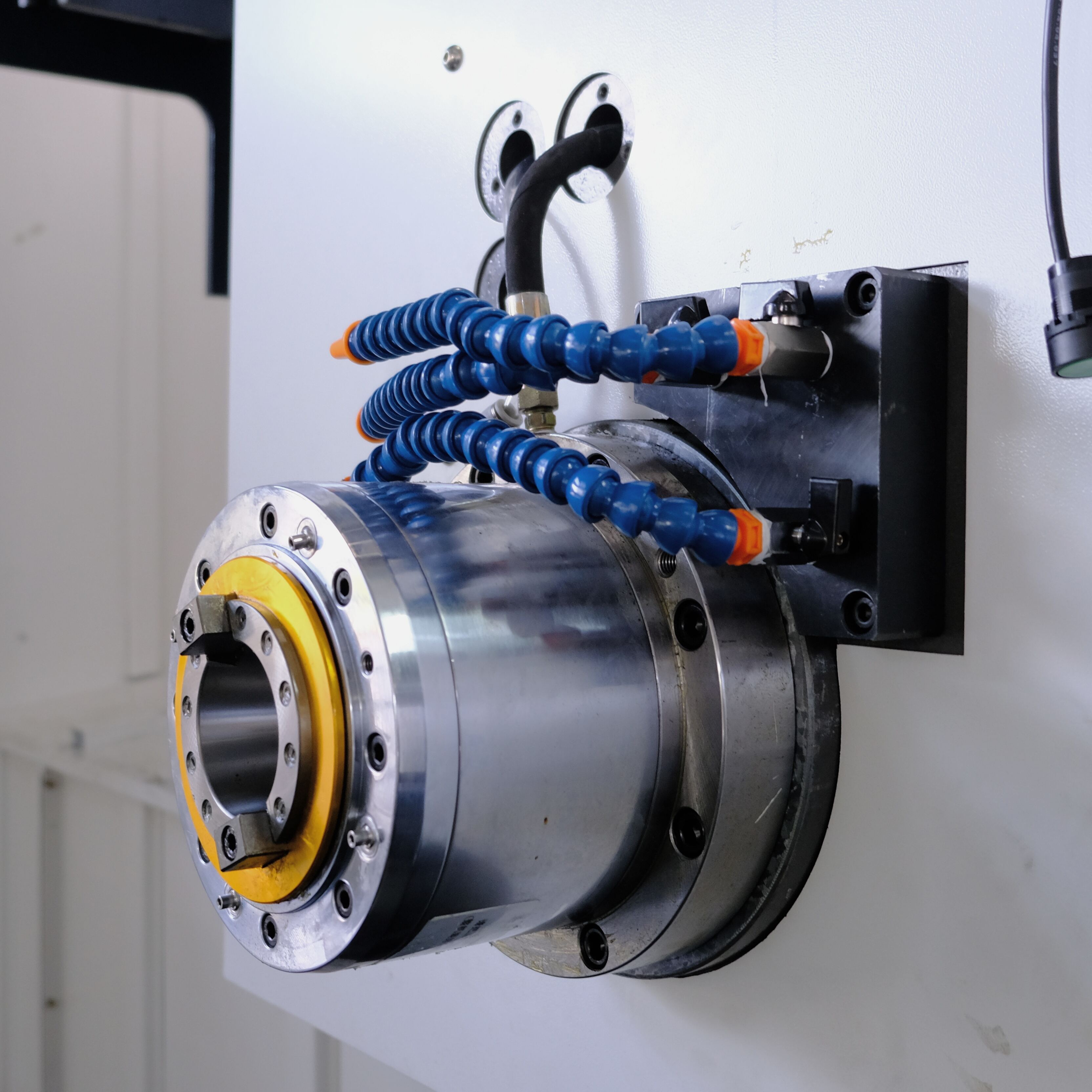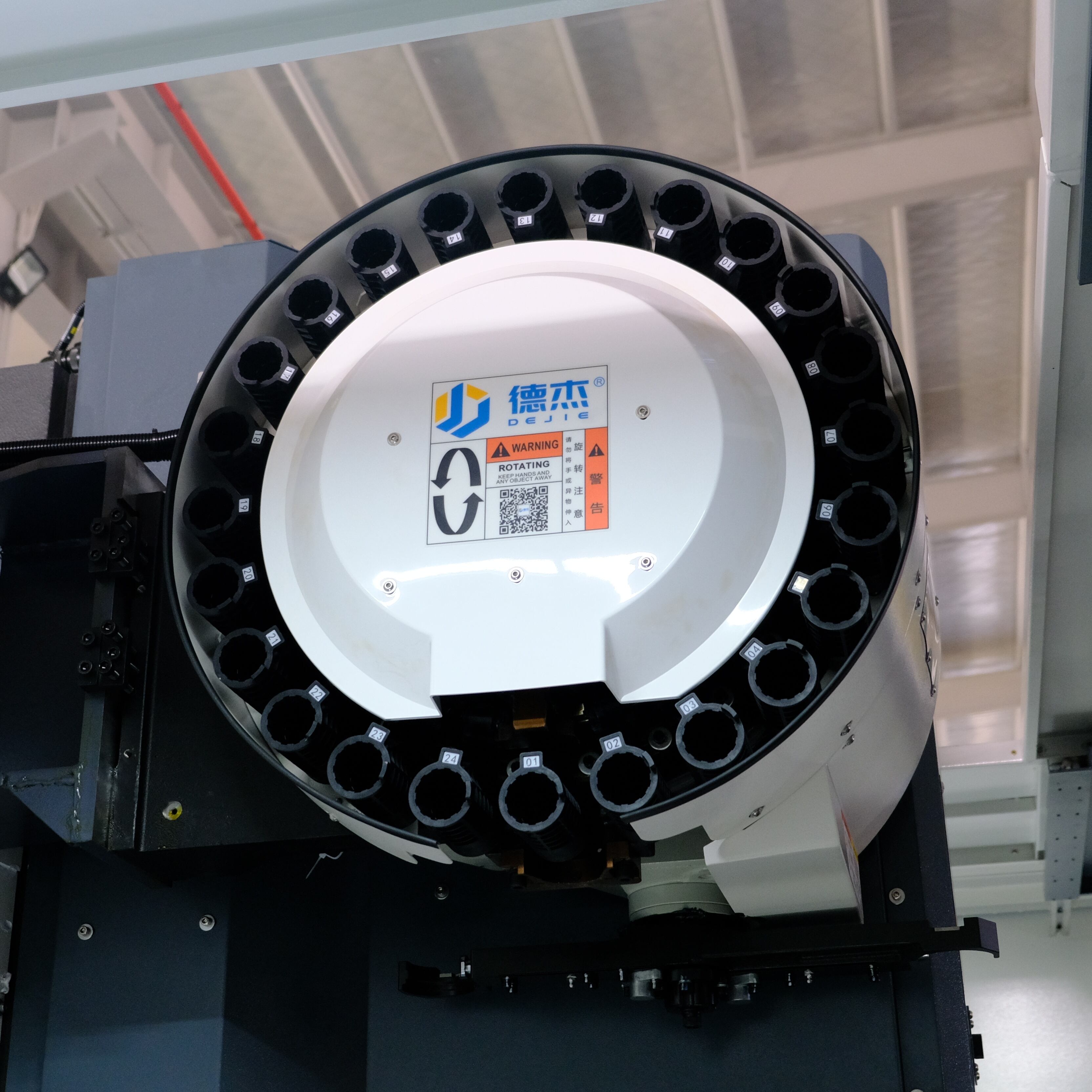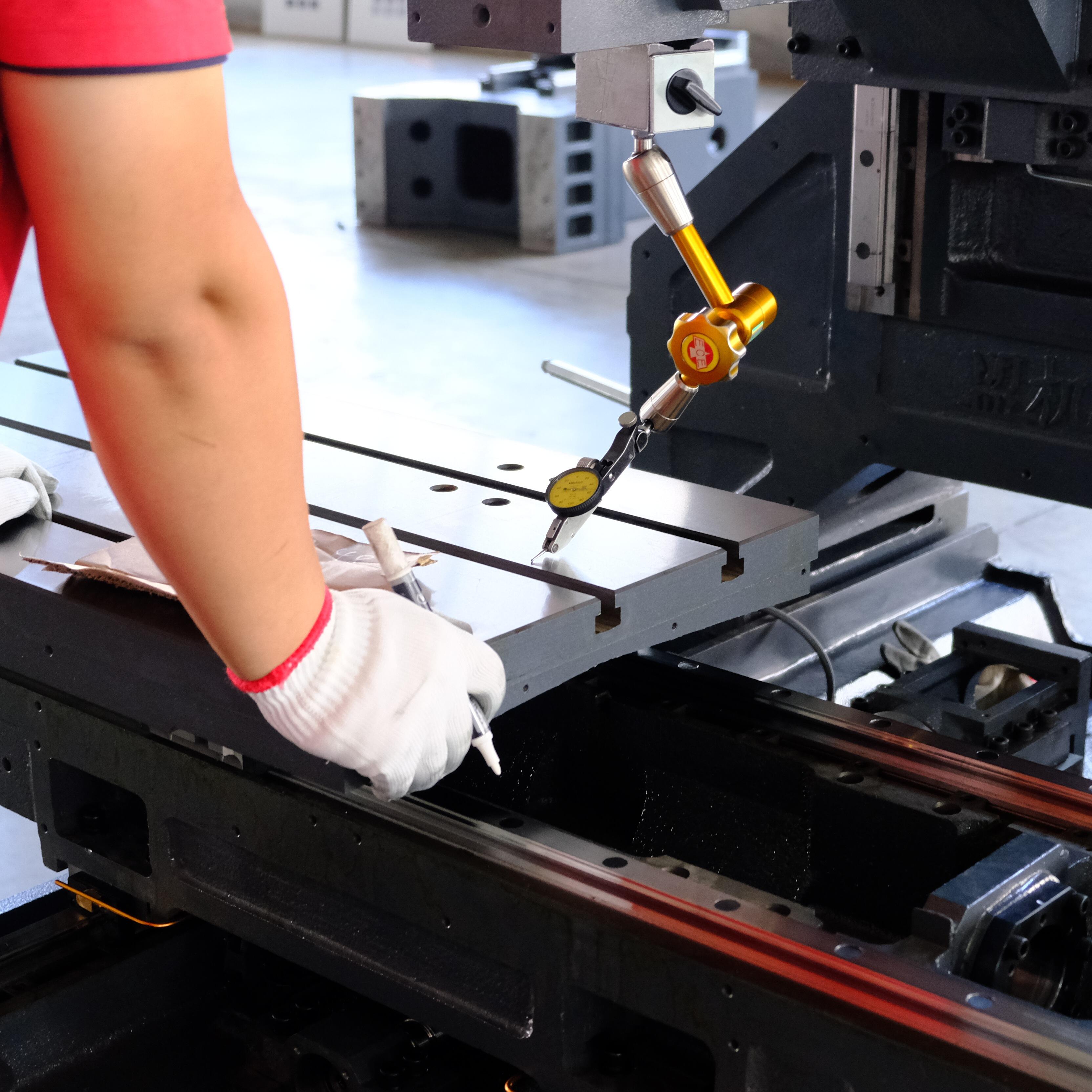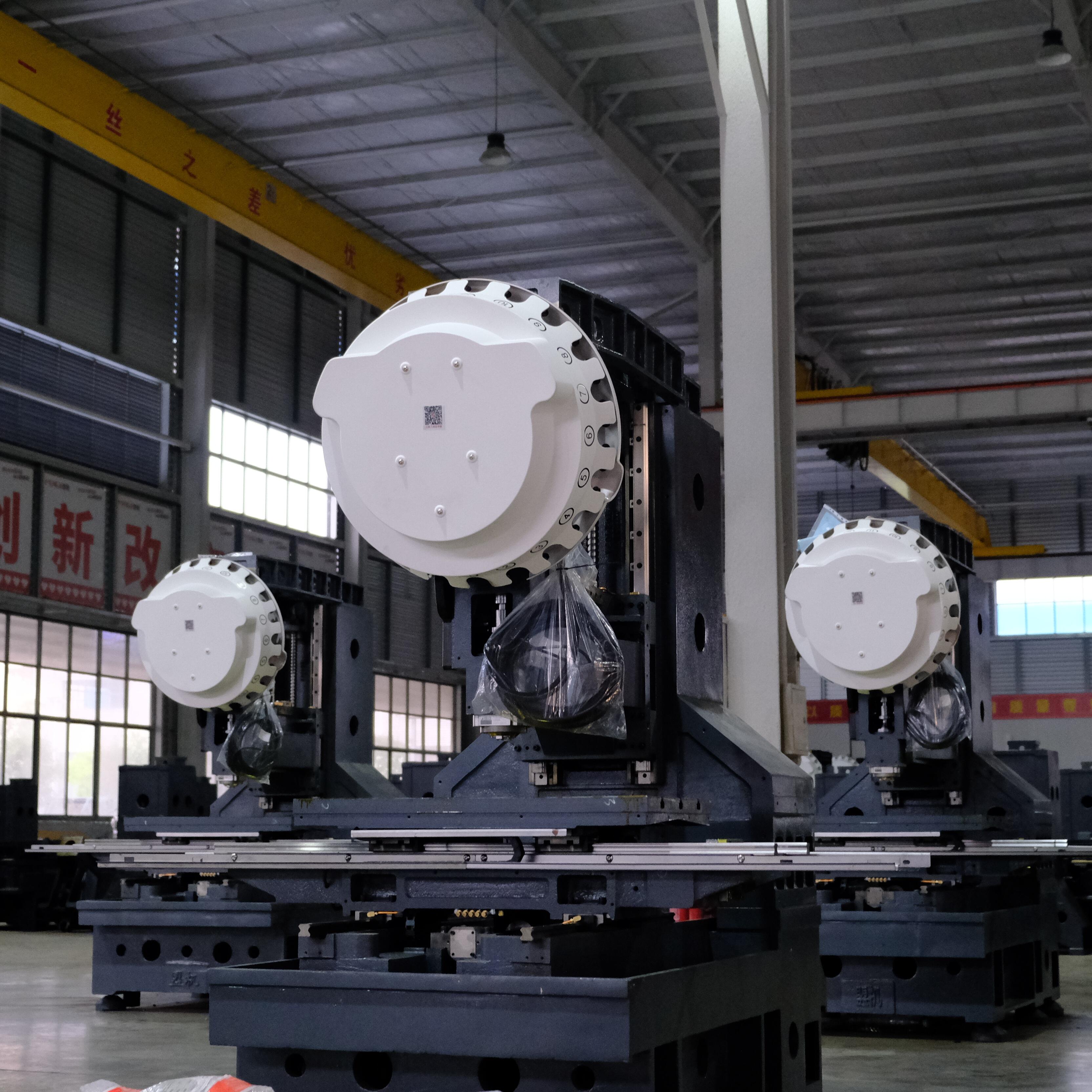
The components of a CNC milling machine form a sophisticated synergy of hardware and software designed for automated, high-precision manufacturing. These can be categorized into several core systems. First, the structural framework provides the necessary mass and rigidity, consisting of the base, column, knee (on some older designs), and table, all designed to resist deflection under high cutting forces. Second, the drive and actuation system includes servo or stepper motors that generate motion, coupled with precision ball screws or, in high-end machines, linear motors that directly drive the axes along linear guideways, ensuring minimal friction and high positional accuracy. Third, the spindle system is a high-performance assembly containing the motor (often an integral motor-spindle) and a precision taper (like CAT or BT) to hold and rotate the cutting tool; its power, speed range, and dynamic stability are paramount. Fourth, the control system encompasses the CNC unit (the computer), the operator's control panel, and the servo drives. This system executes the part program, manages all machine logic, and utilizes feedback from position encoders to maintain a closed-loop for accuracy. Fifth, the tool handling system, featuring an automatic tool changer (ATC) and a tool magazine, enables complex, multi-operation machining. Sixth, the auxiliary systems include the coolant and lubrication systems vital for tool life and surface finish, the chip management system for removing swarf, and the safety enclosure. Finally, the software ecosystem, including the CNC control software and the interface for CAD/CAM integration, completes the system, translating digital designs into physical parts. The harmonious interaction of these components is what allows a CNC milling machine to produce complex components with micron-level repeatability.
Our professional sales team is always ready to assist you.